What Is on the Truck
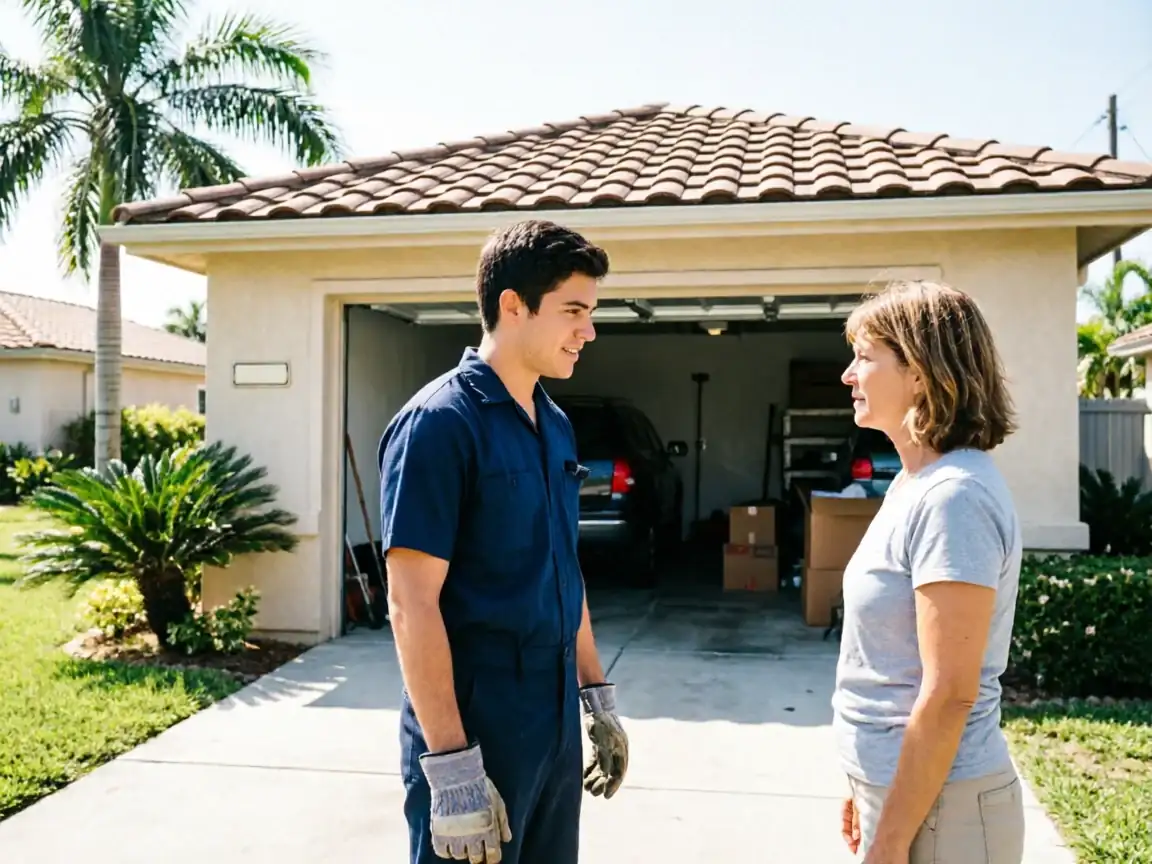
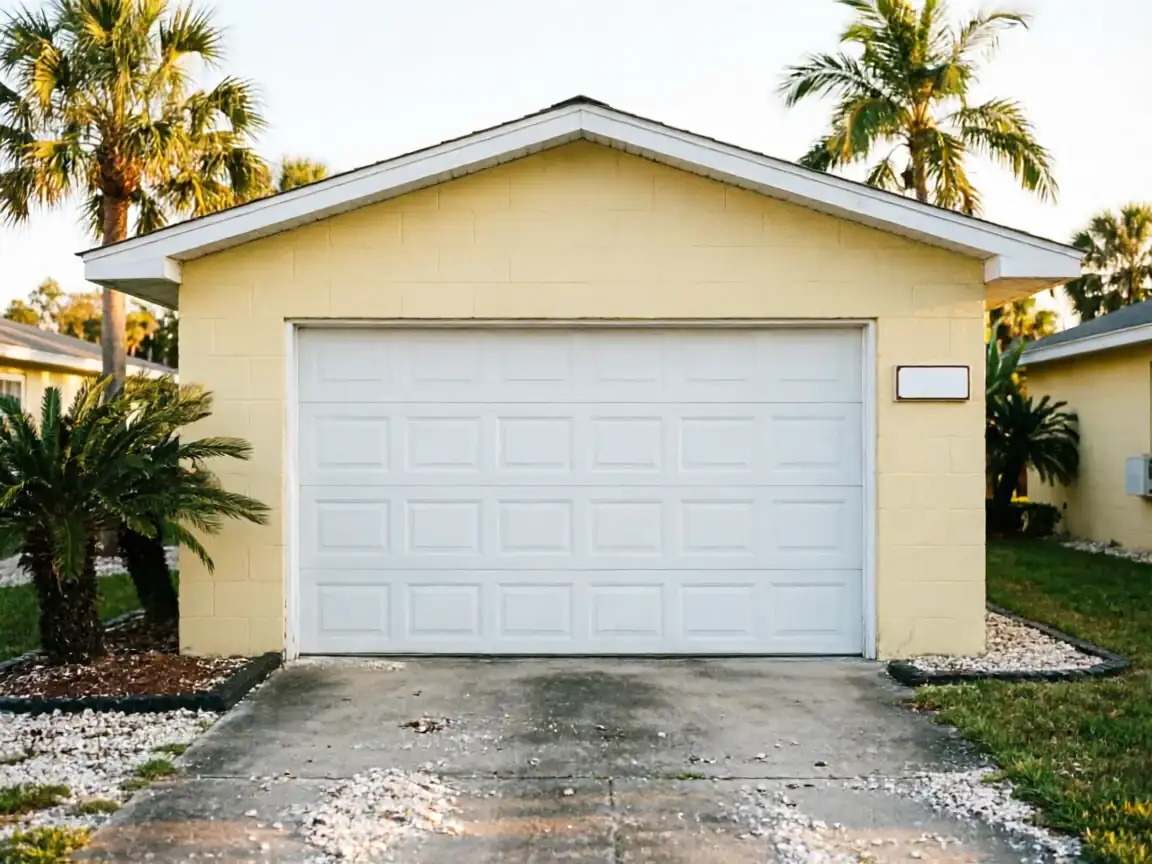
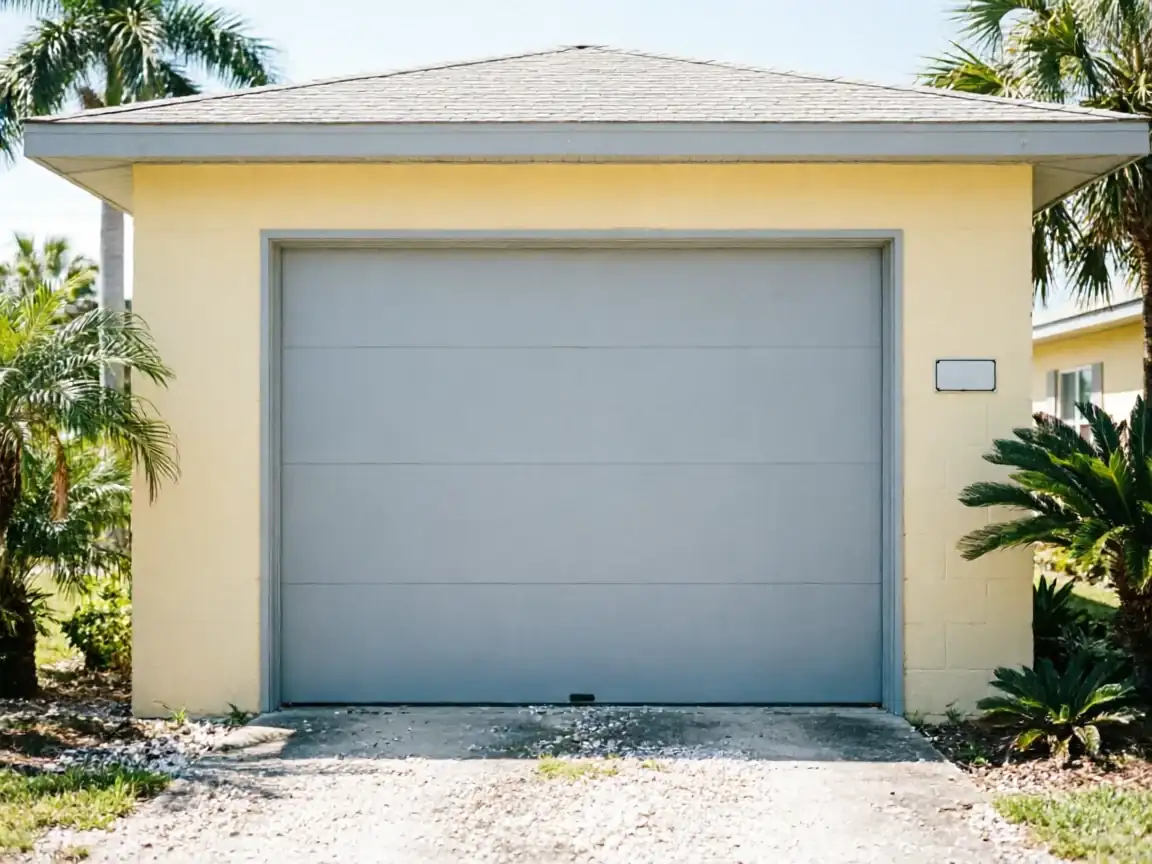
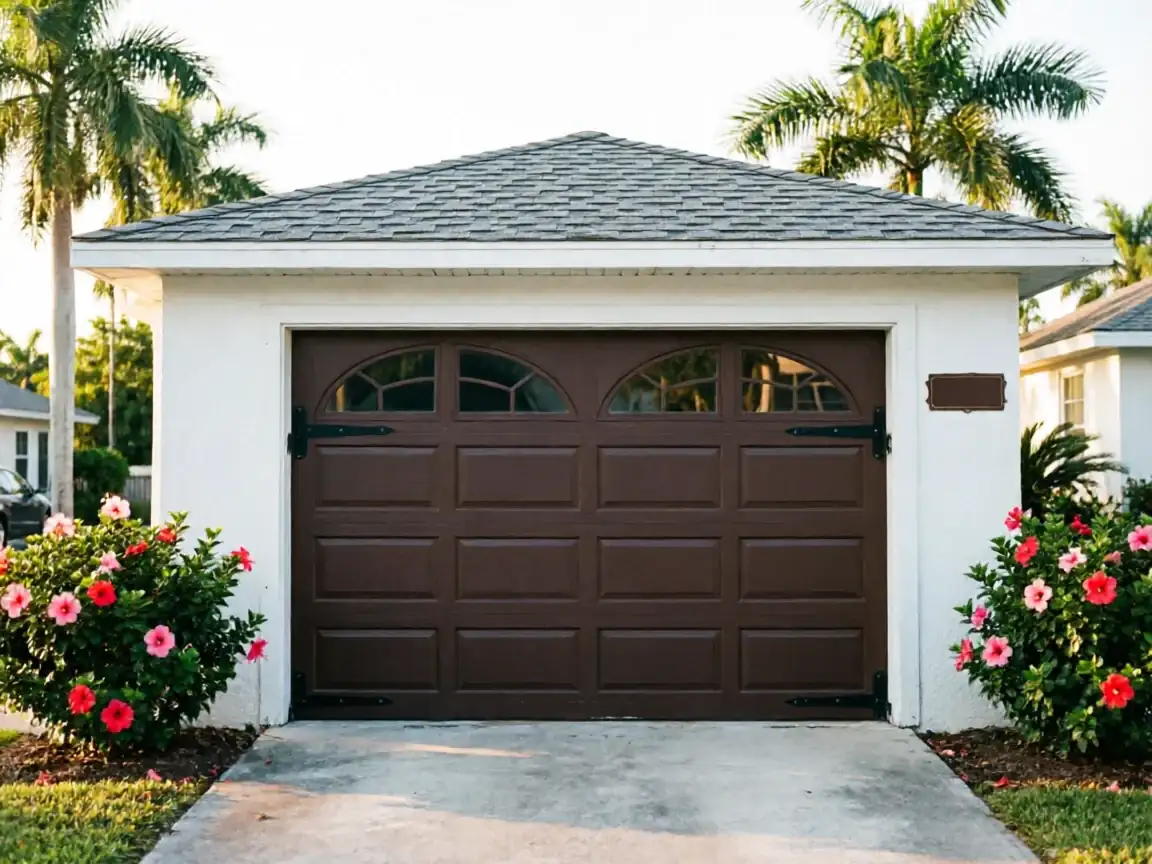
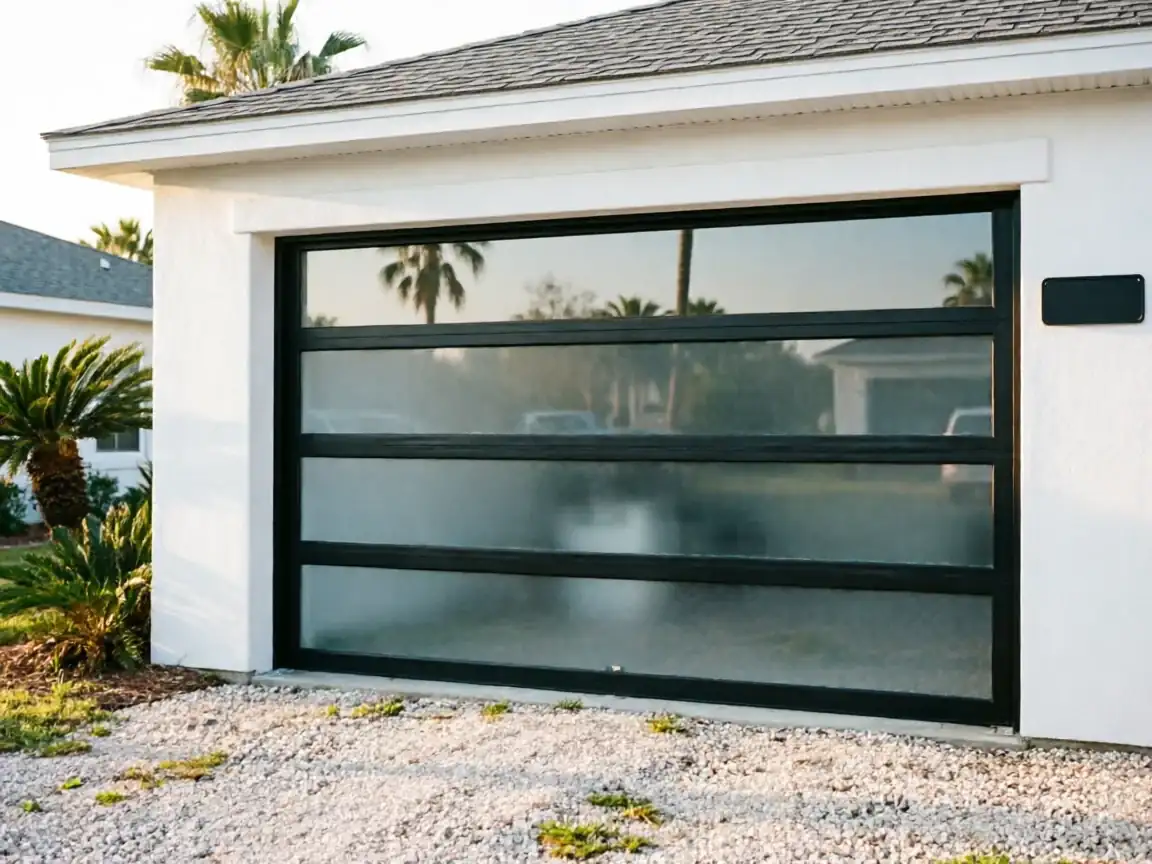
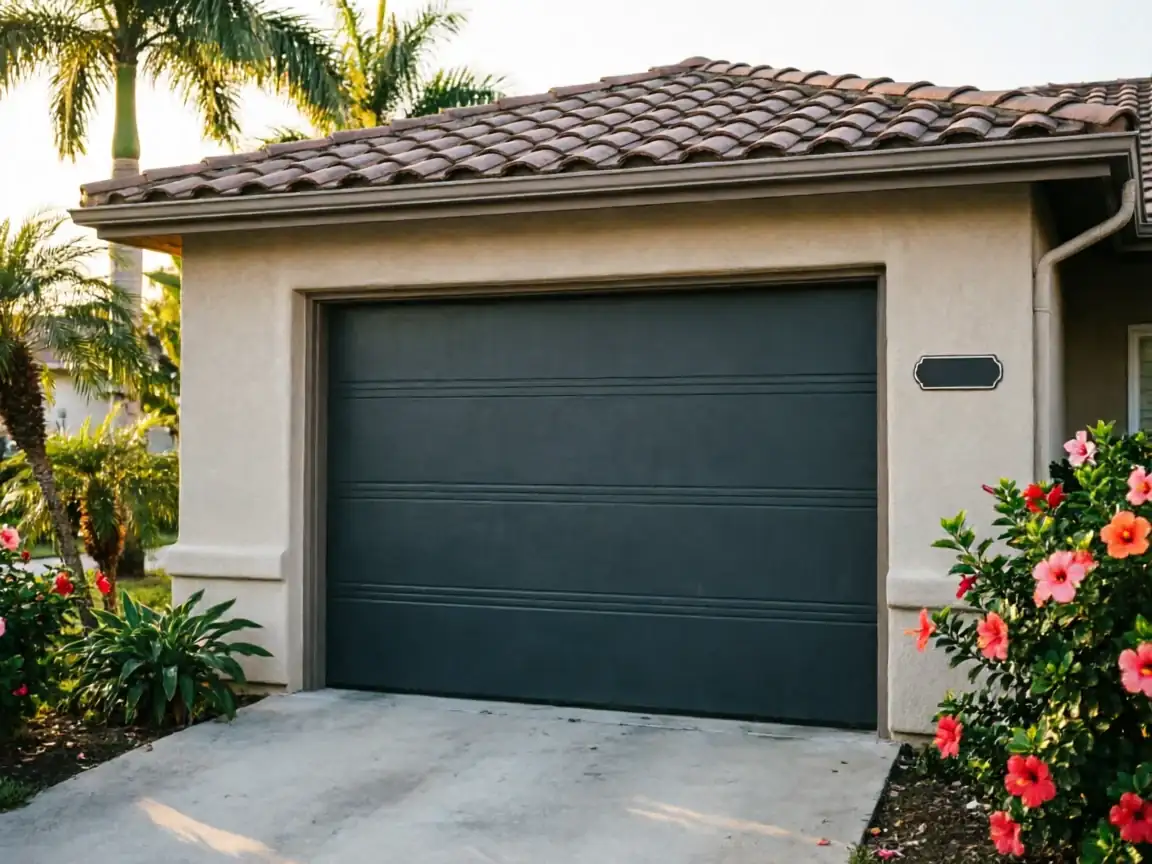
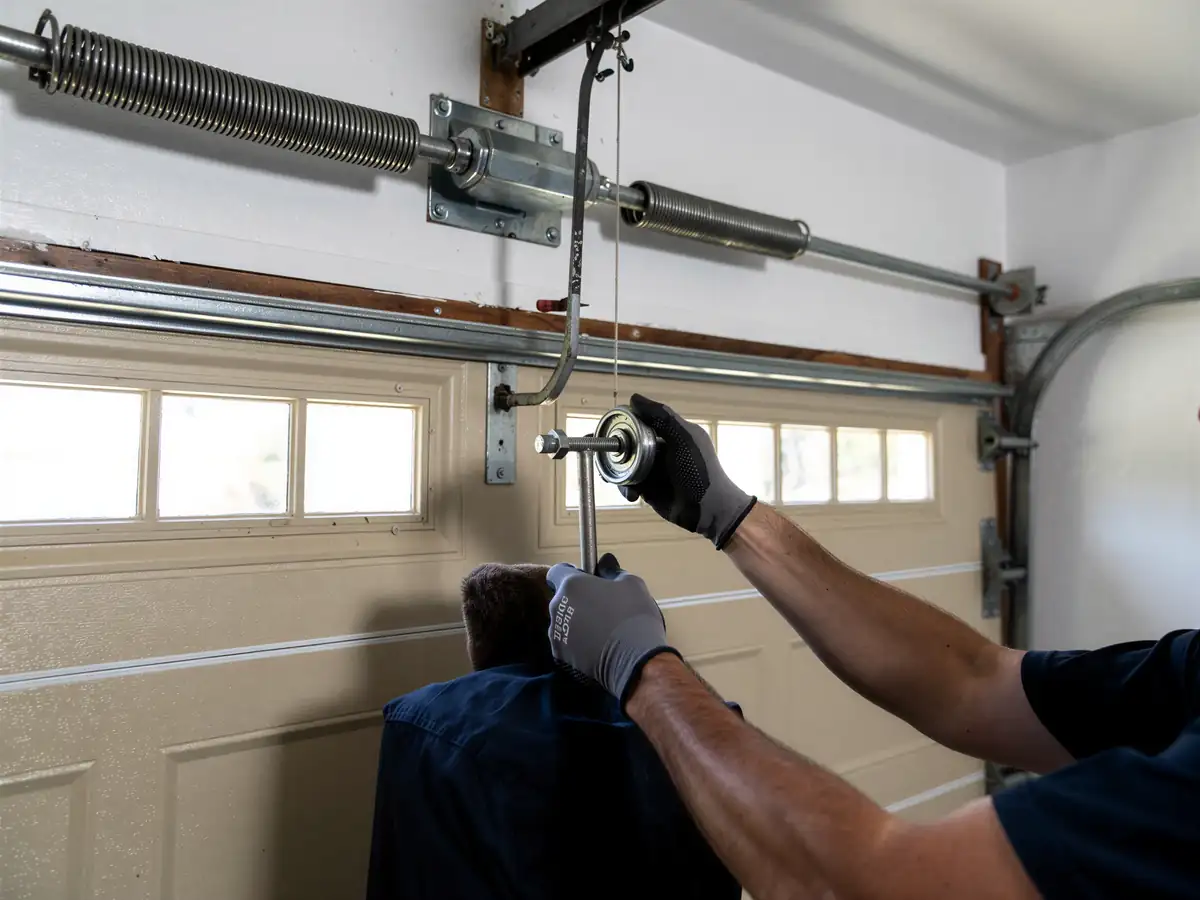
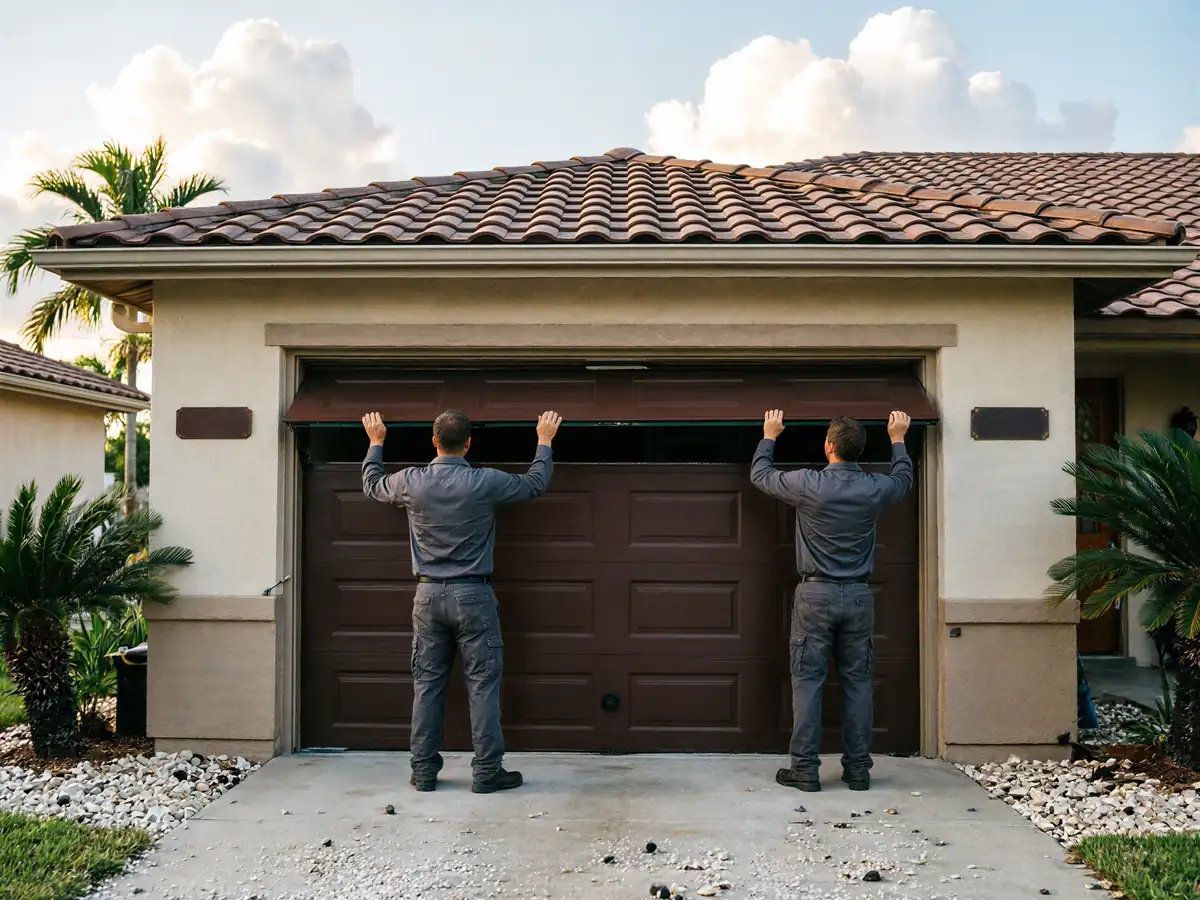
North Lauderdale has 15,491 households, and most of those houses went up around 1978, inside the wider 1968-2005 build window we see across this part of the county. That matters for what we load before we ever leave Coral Springs. A 1978 house usually has a single 7-foot-wide header, not the reinforced double-door opening builders started framing later, so we bring narrower door sections and the torsion hardware sized for that header rather than assuming a wide double bay. We carry both 2-inch and 2.25-inch torsion springs wound to older low-headroom brackets, since houses from this era rarely have the clearance newer track systems want. We also bring insulated steel sections as the default, because the uninsulated single-layer doors original to houses this age do nothing for the garage temperature, and most owners upgrading now want the difference. What we don't load is a one-size kit. Every one of these jobs gets measured at the header before anything comes off the truck, because a 1978 opening that looks standard from the driveway is often an inch or two off square by now.
What the Fix Involves
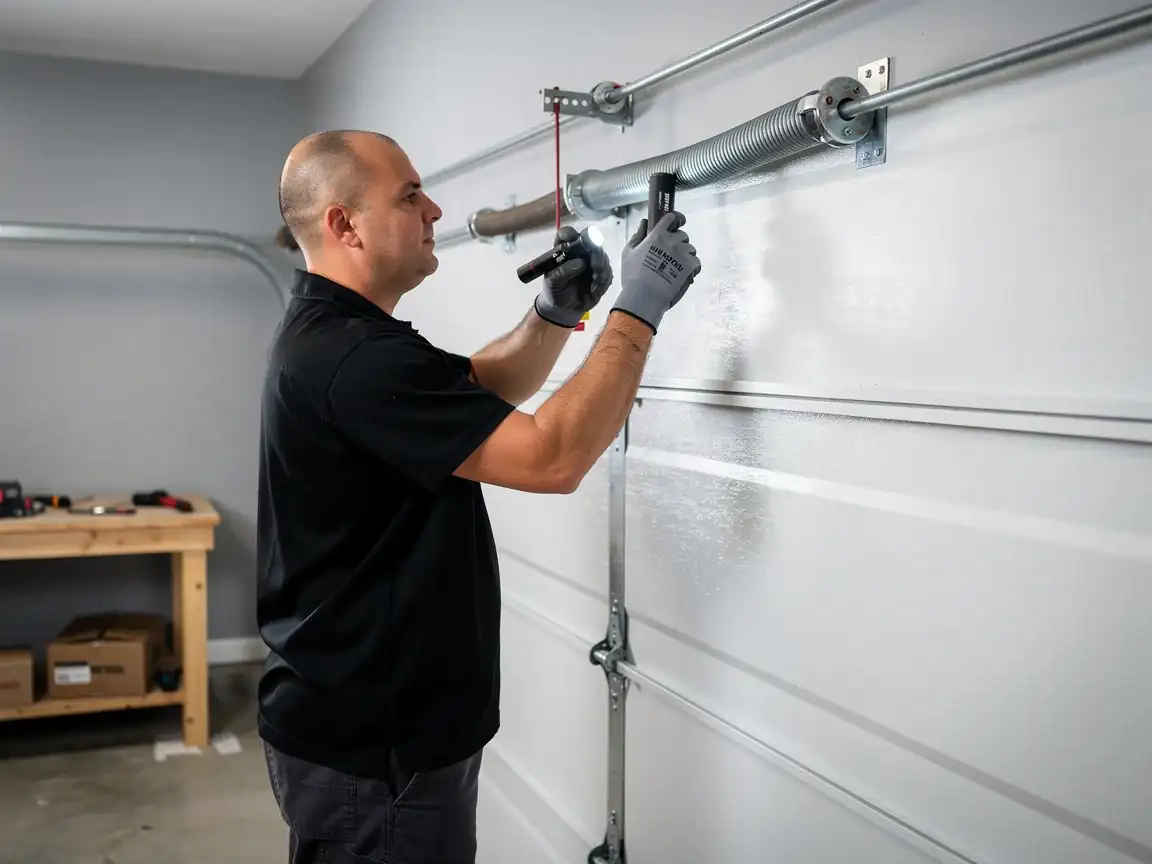
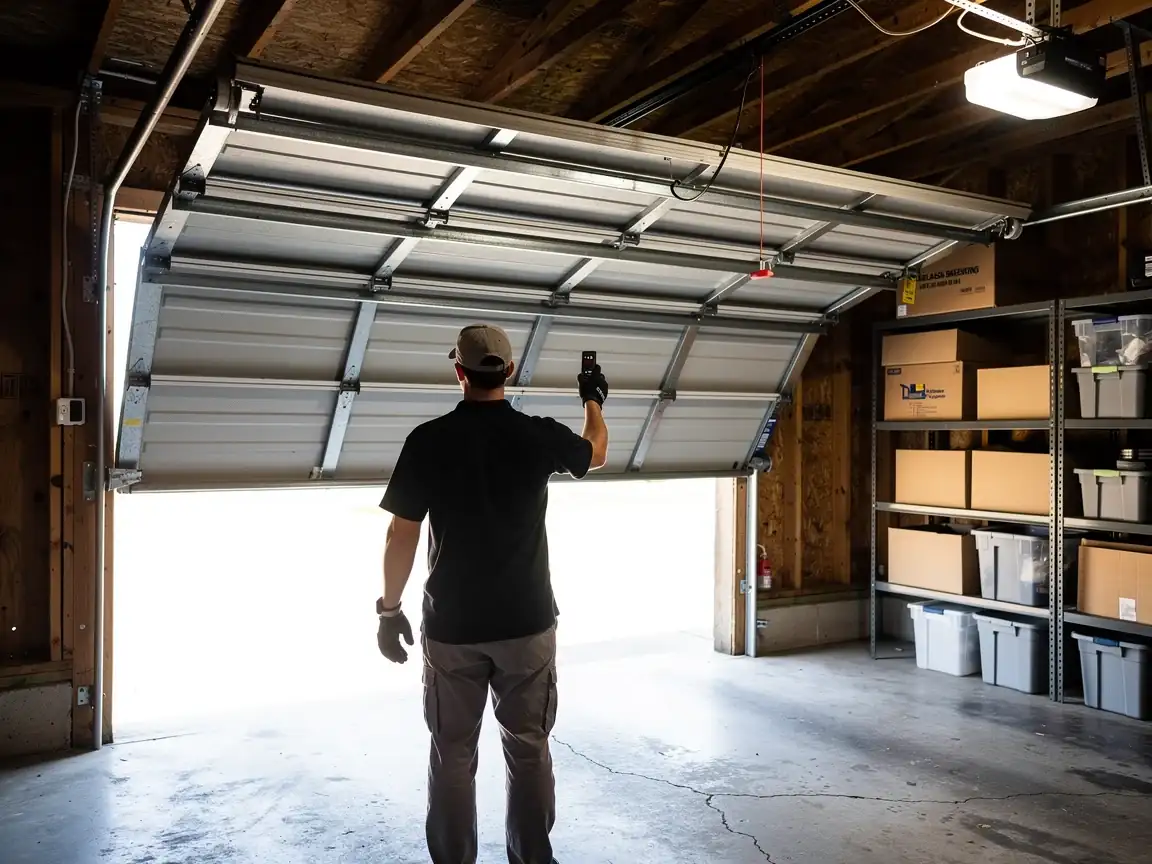
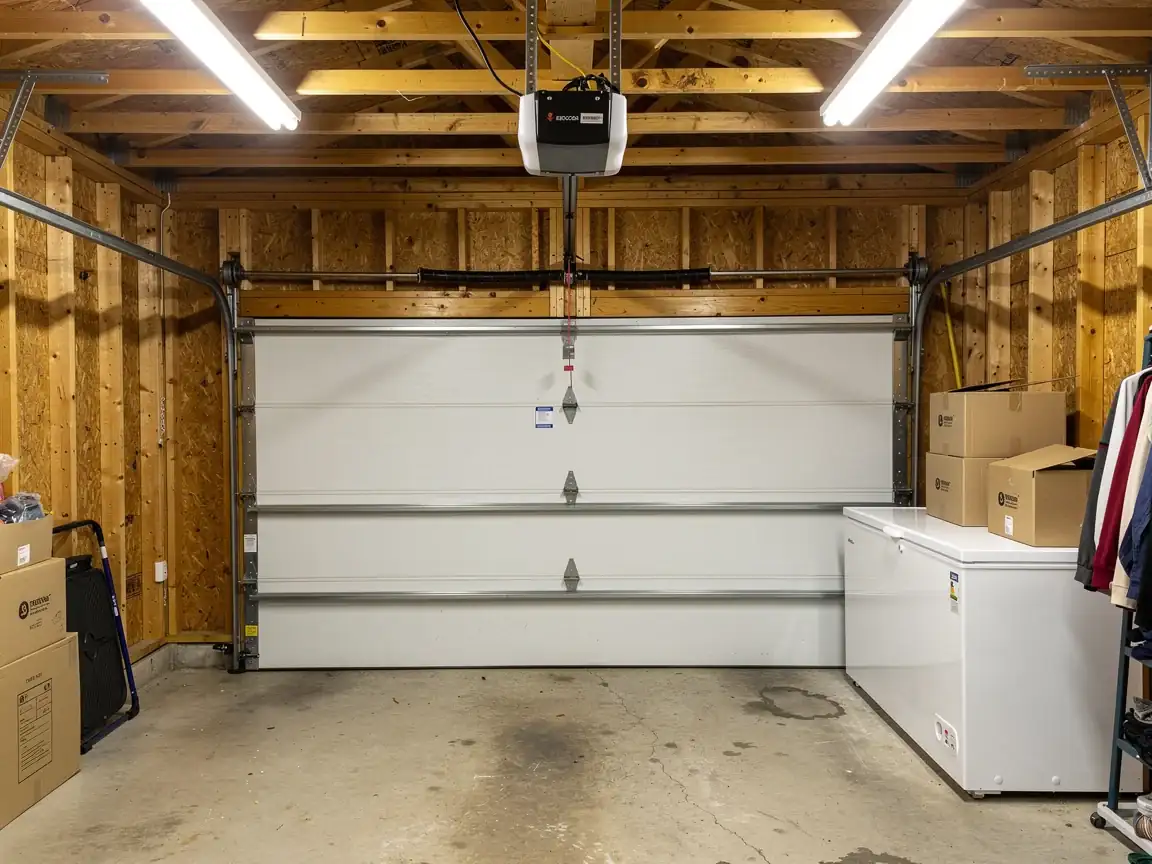
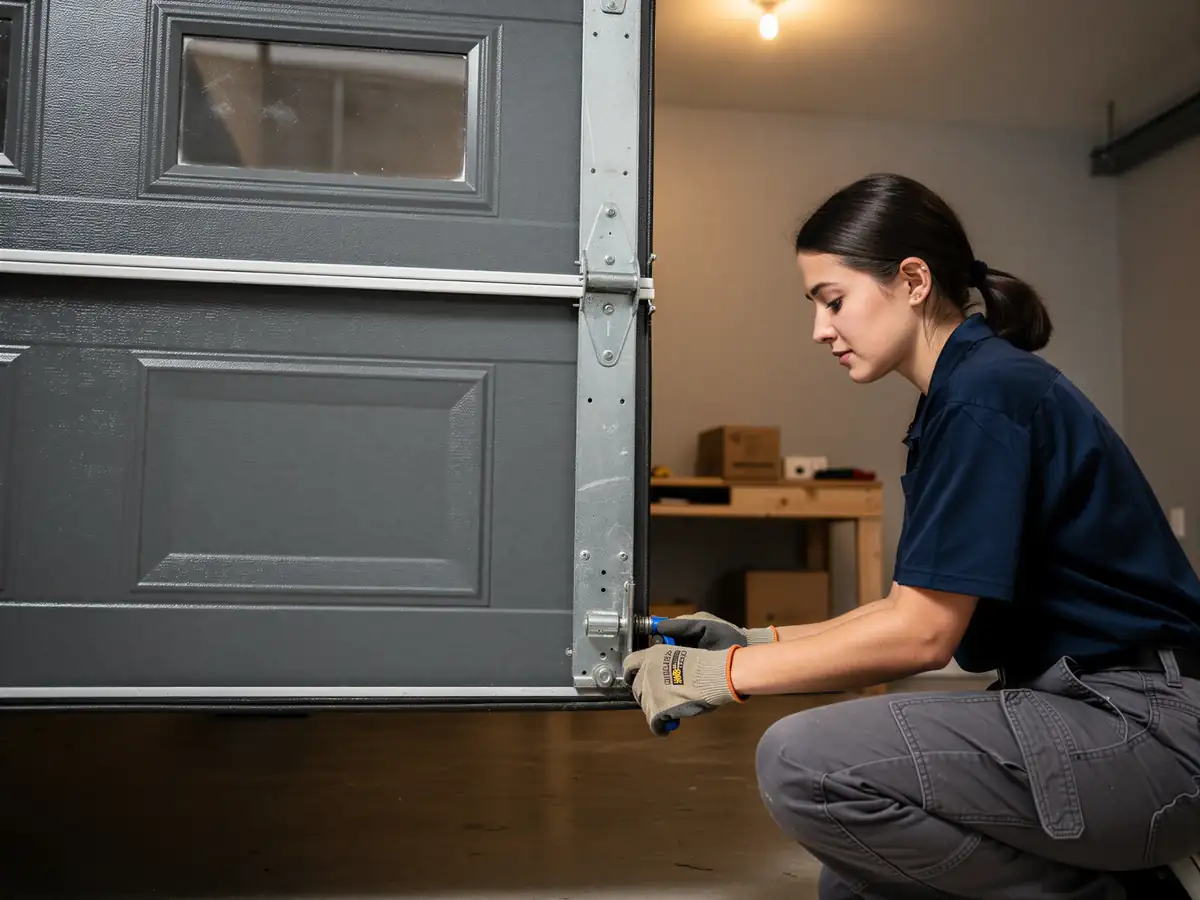
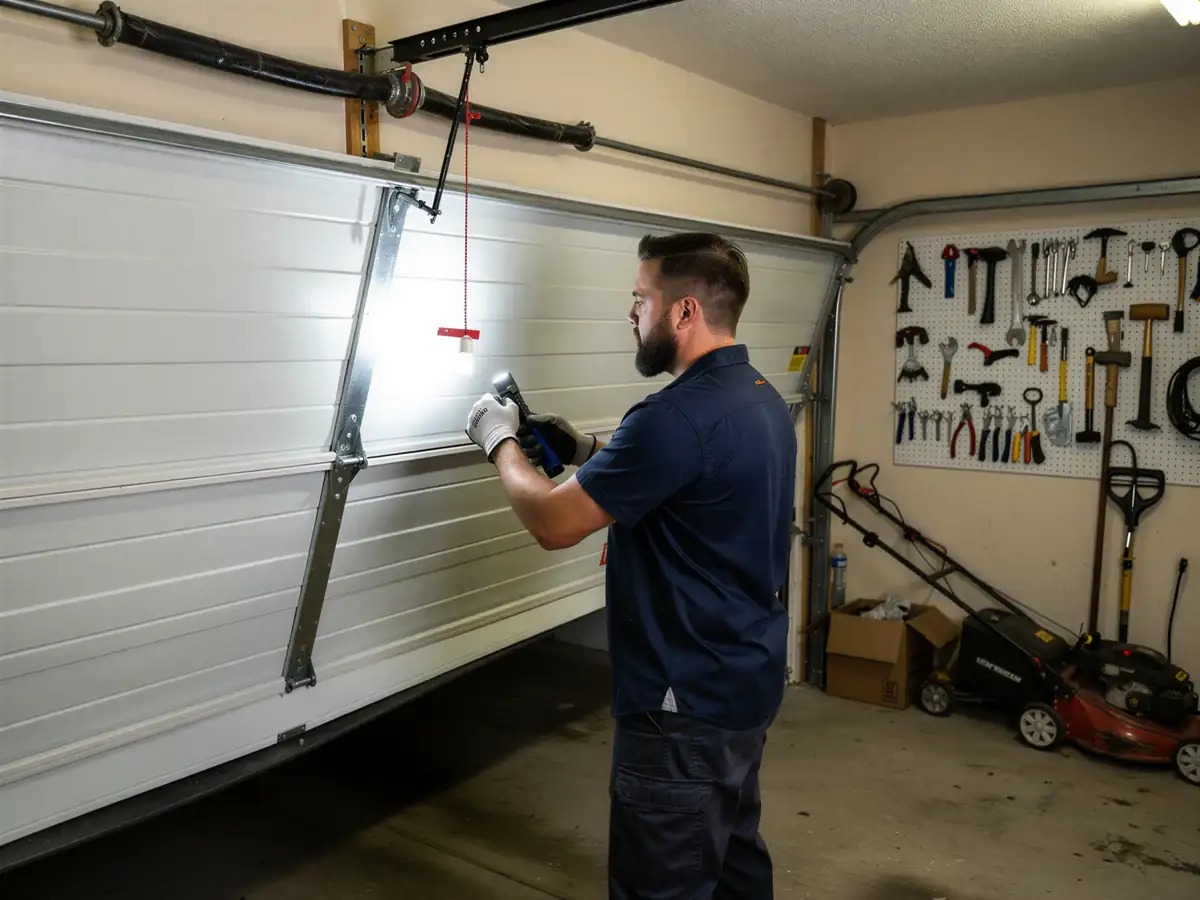
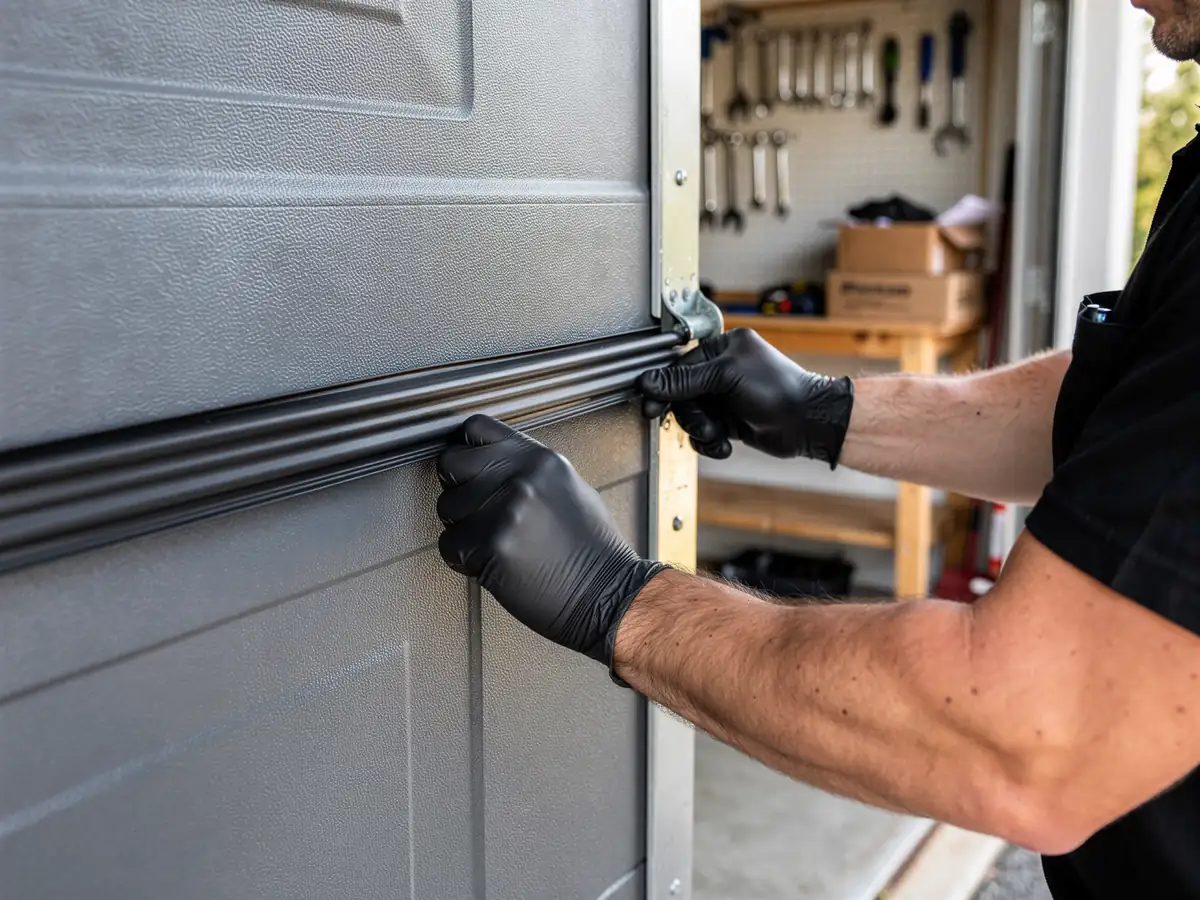
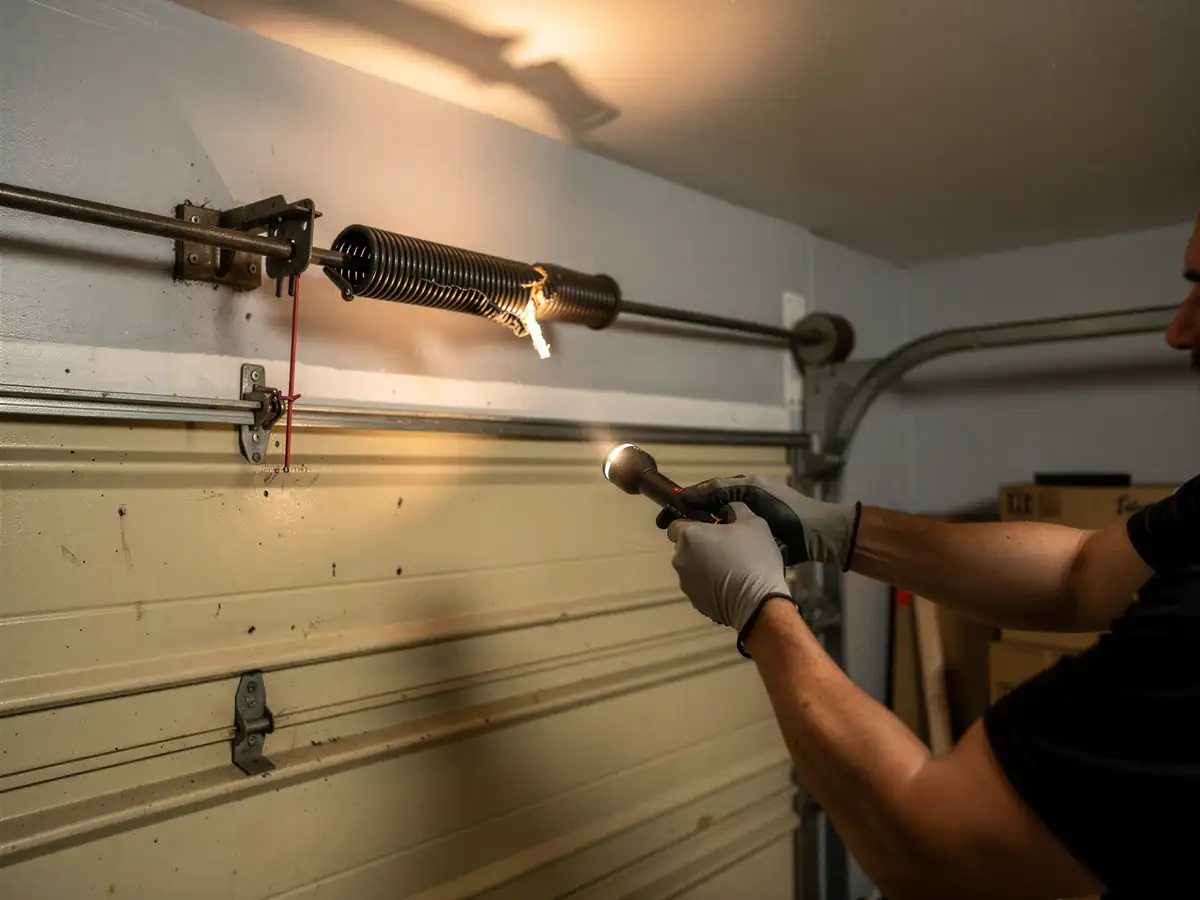
Installing a new door on a house this age starts with pulling the original track and spring assembly, which on a 1978 build is almost always a single torsion spring on a center bracket rather than the dual-spring setup used on newer, heavier doors. We check the header framing before setting new track, because 45-plus years of settling can leave the opening slightly racked even when the door itself looks fine. Once the frame is confirmed square, we set new vertical track, hang the insulated sections, and size the spring to the actual weight of the new door, not the old one - this is the step that gets skipped on corner-cut jobs and causes early spring failure. The opener gets replaced or remounted depending on what's there; a lot of houses in this age bracket still have openers original to a renovation from decades back, with chain-drive units bolted to a header bracket that needs reinforcing before it can carry new hardware safely. We finish with a full cycle test under load, checking balance at three points on the track, not just at the floor.
The Cost of This Job
We don't post a flat number for a new door install here, because the spread between a single uninsulated steel door on a 1978 header and an insulated double door with a new opener is too wide to collapse into one figure, and doing that would mean guessing before we've measured anything. What we can tell you is what moves the number on a house this age: whether the header needs reinforcing before it can carry a heavier insulated door, whether the existing low-headroom bracket can be reused or has to be replaced outright, and whether the opener is being swapped at the same time. Given that North Lauderdale's household income runs below the area average, we get more questions here about sticking with a standard steel door over an insulated or custom-faced one, and that's a reasonable call on a house where the garage isn't conditioned space. The honest limitation: we can't quote a number over the phone for this town specifically until we've seen the header and the headroom in person, because both vary more on 45-year-old houses than on newer ones.
What Can Go Wrong
The most common mistake on a house this age is matching the new spring to the old door's weight instead of the new one. An insulated replacement door can weigh noticeably more than the single-layer original, and a spring wound for the old door will either fail early or never balance the new one correctly - you'll hear it straining on the opener motor within months. The second issue is the header itself. On a 1978 frame, 45 years of minor settling can leave the opening a half-inch or more out of square, and if that goes unmeasured, a new door can bind on one side from the first week. Low-headroom torsion brackets are the third trap: some newer openers and some wider door styles simply don't clear the bracket spacing common to houses from this era, and finding that out mid-install costs time nobody wants to pay for. None of this is unique to one house, but on a town built mostly in a single decade, as North Lauderdale was, these three problems account for nearly every install issue we run into.