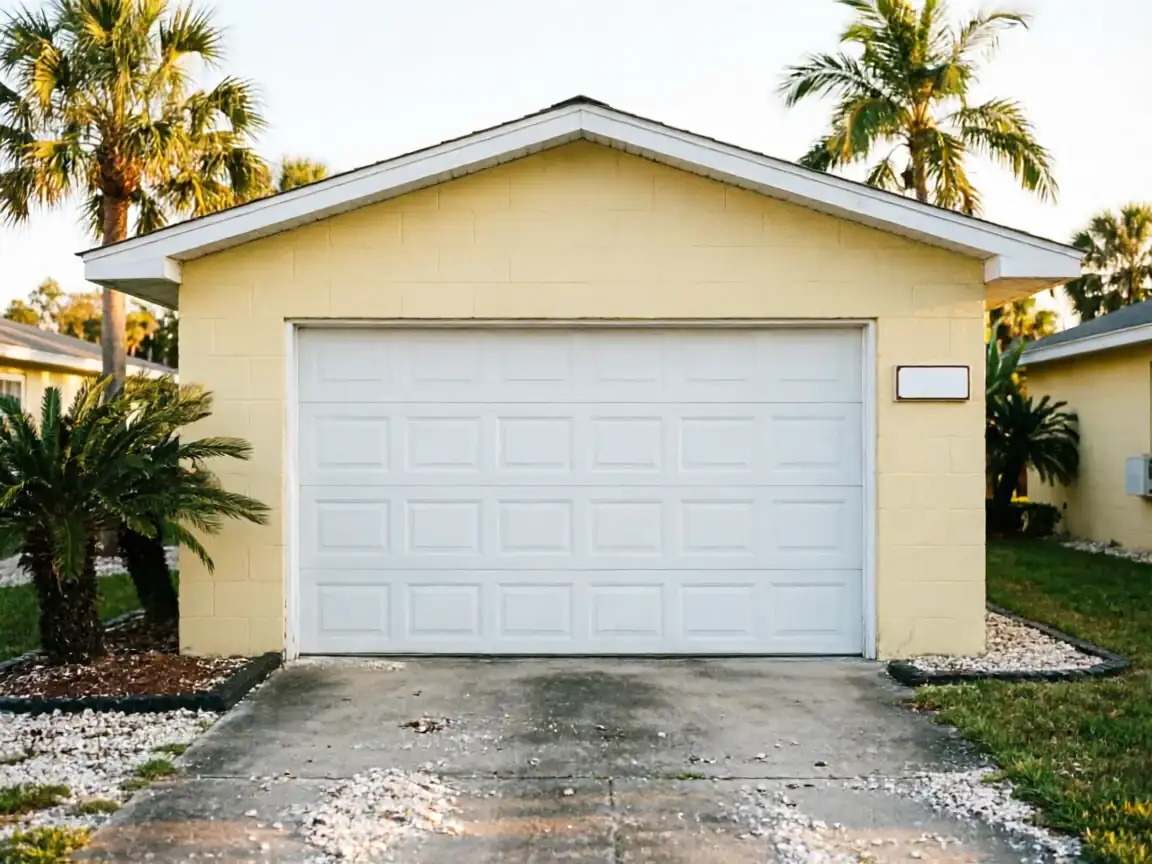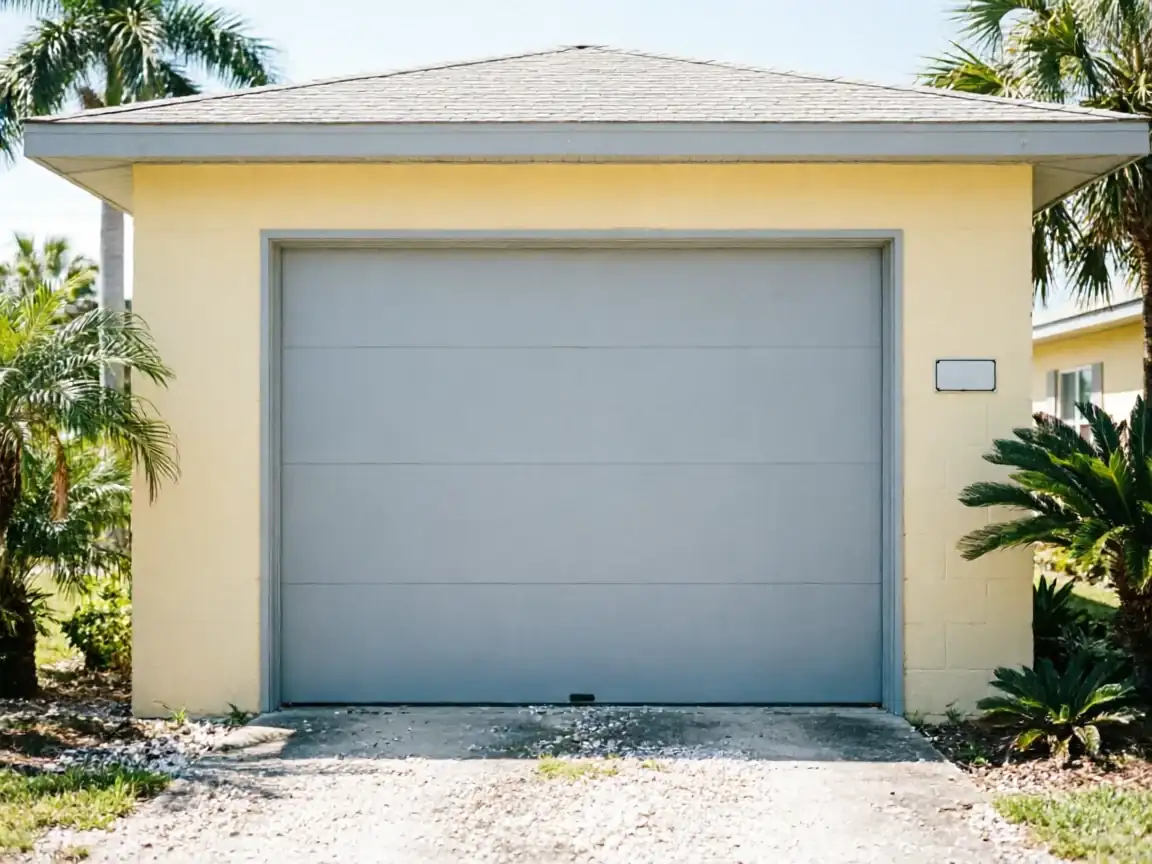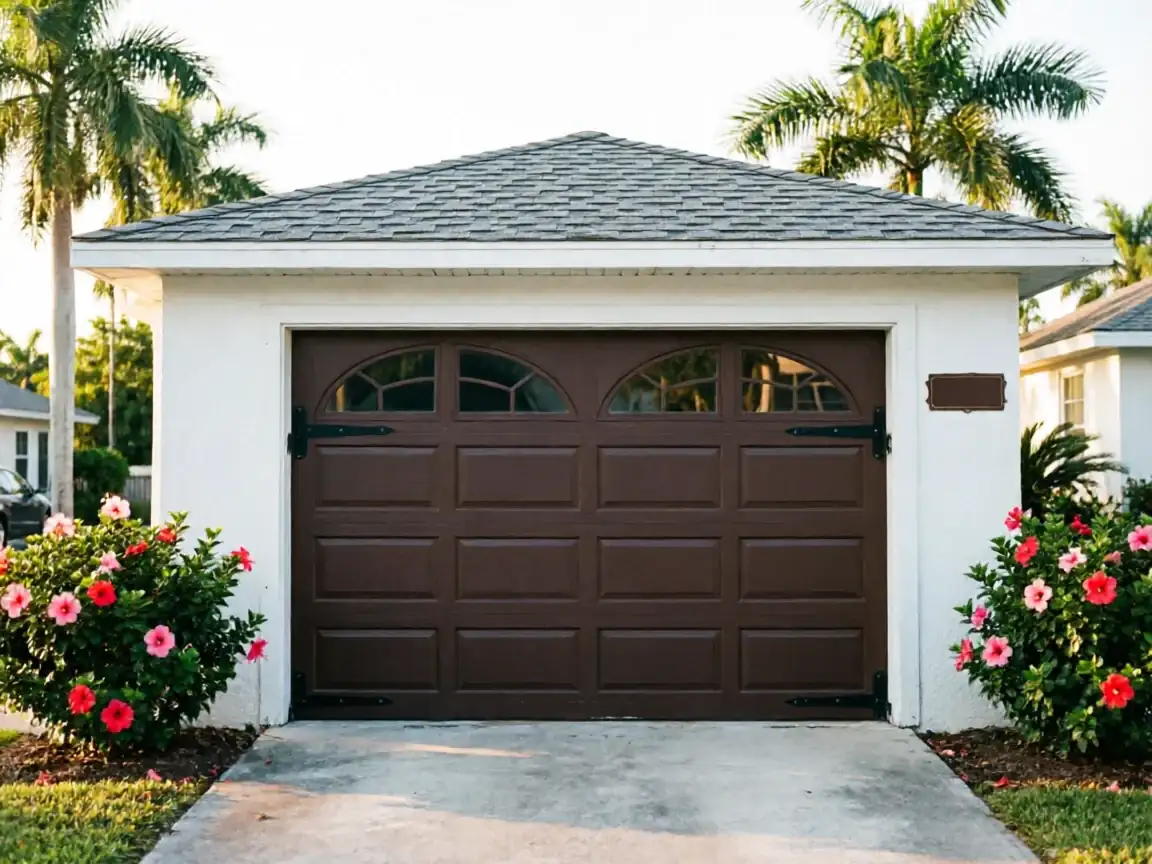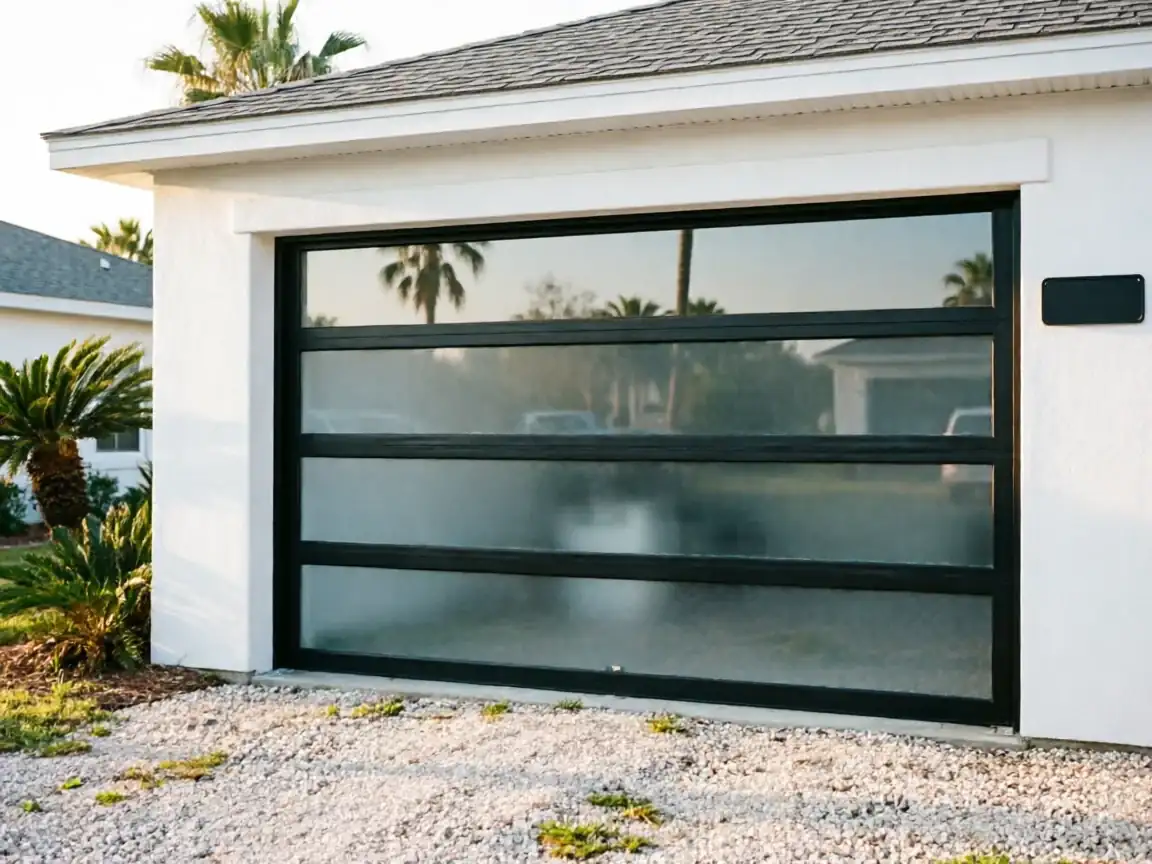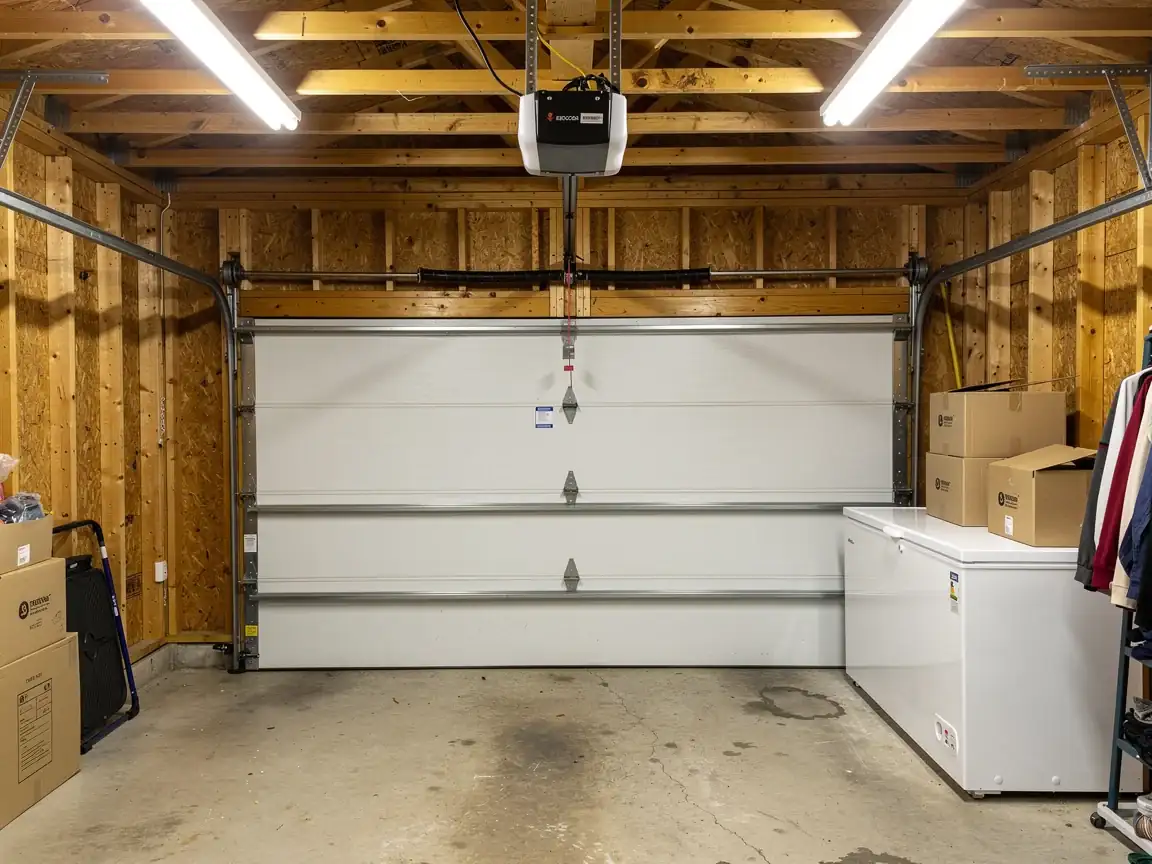
The Symptom
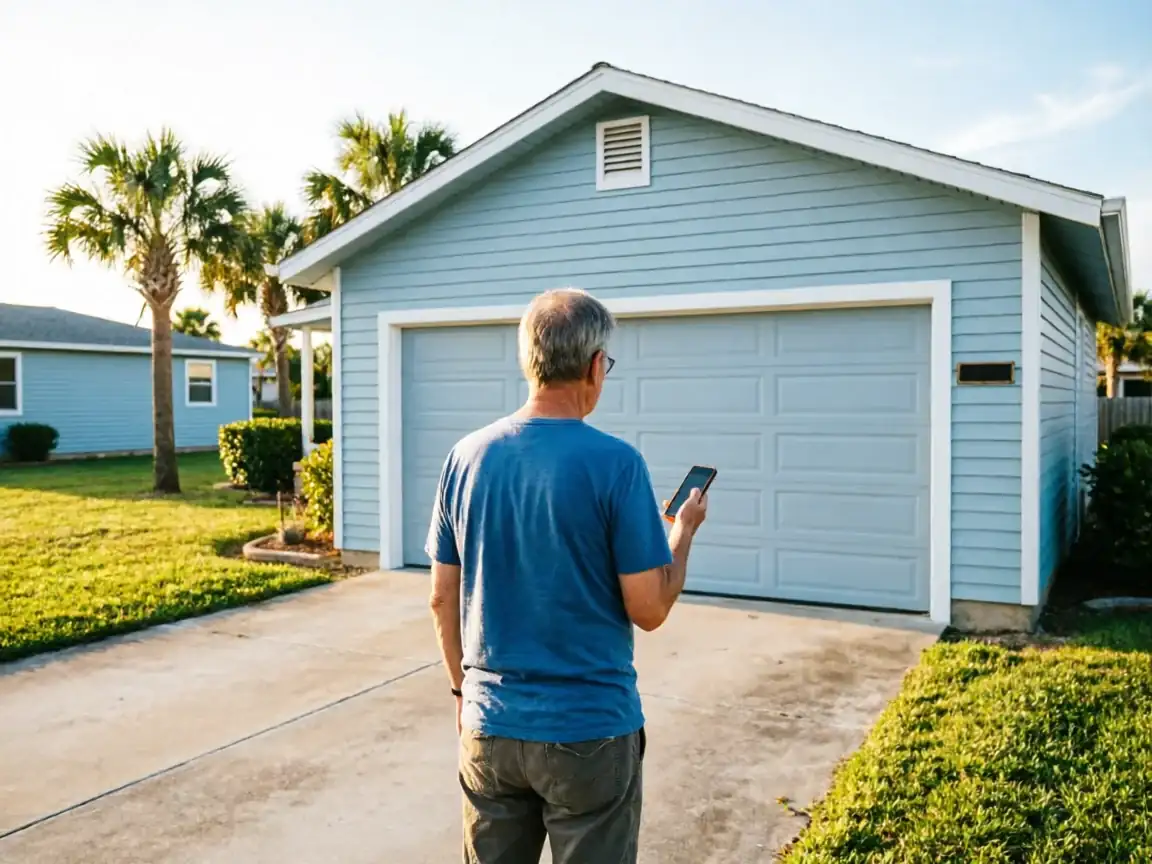
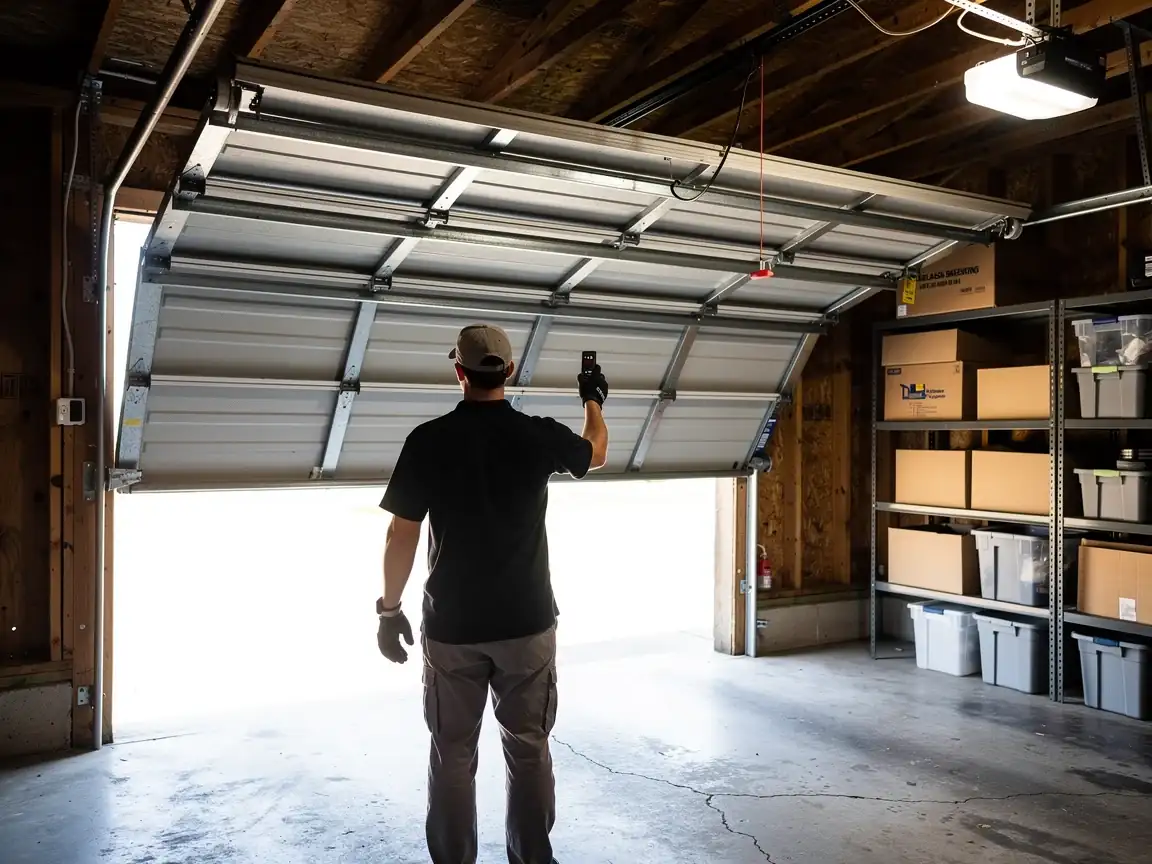
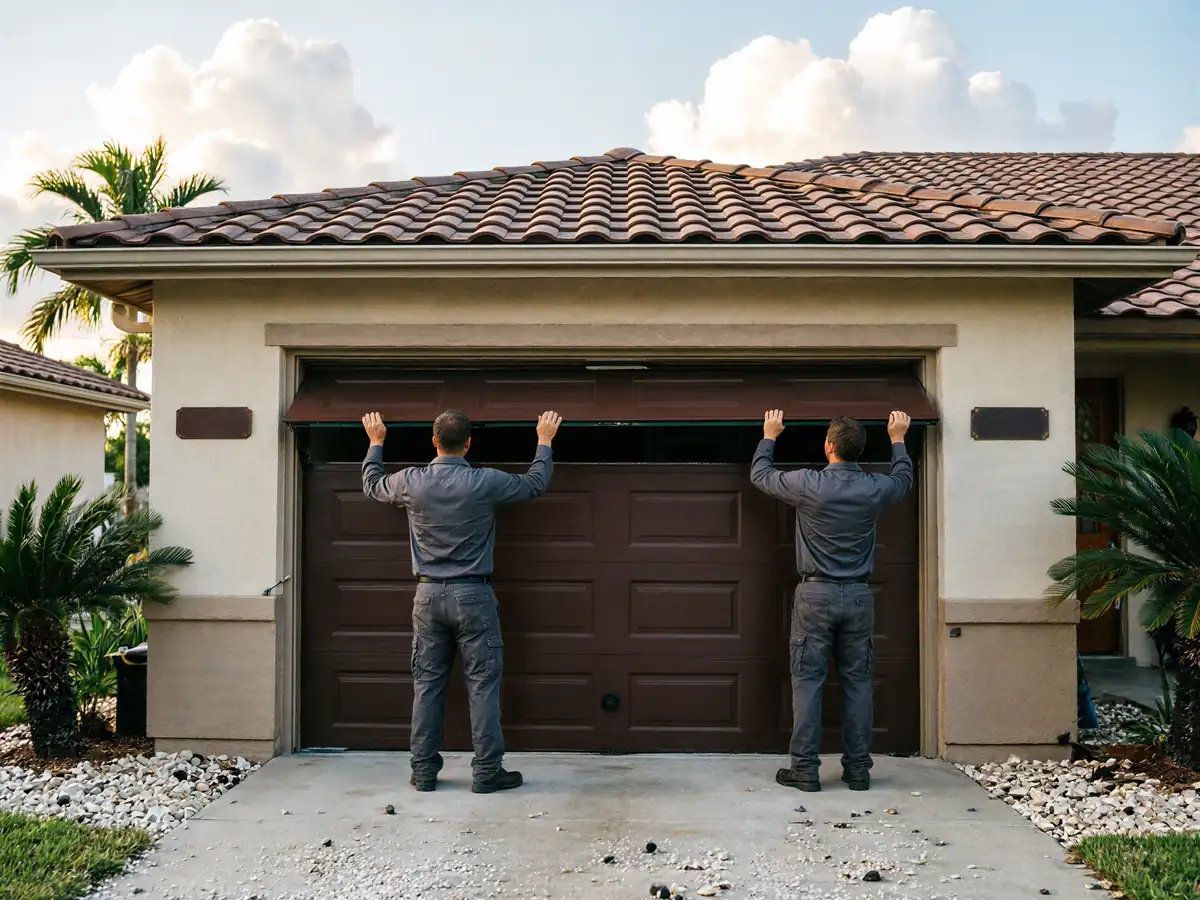
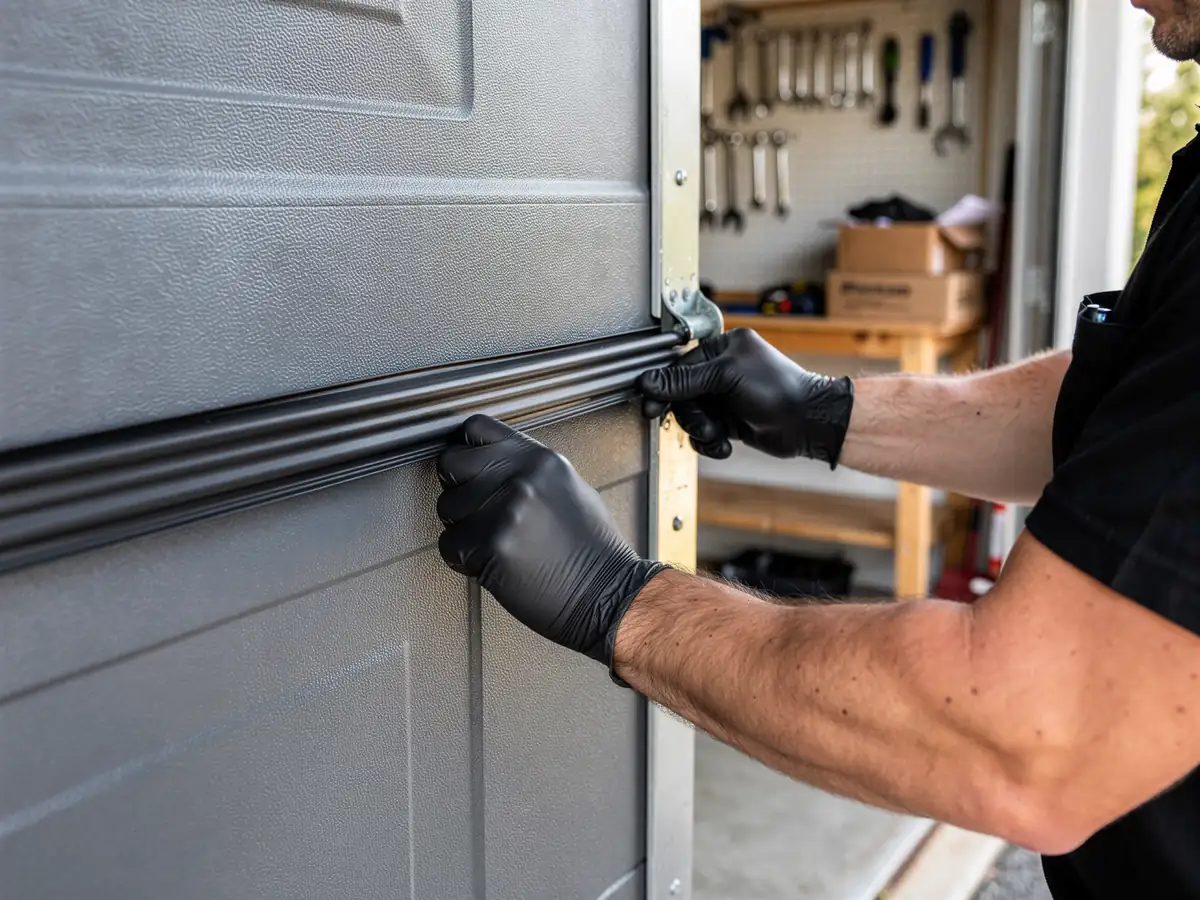
The door hesitates halfway up, or it comes down too fast and bounces back off the floor. The opener motor hums louder than it used to, like it's working against something instead of with it. Sometimes a cable has jumped the drum and the door sits crooked in the frame, one corner lower than the other.
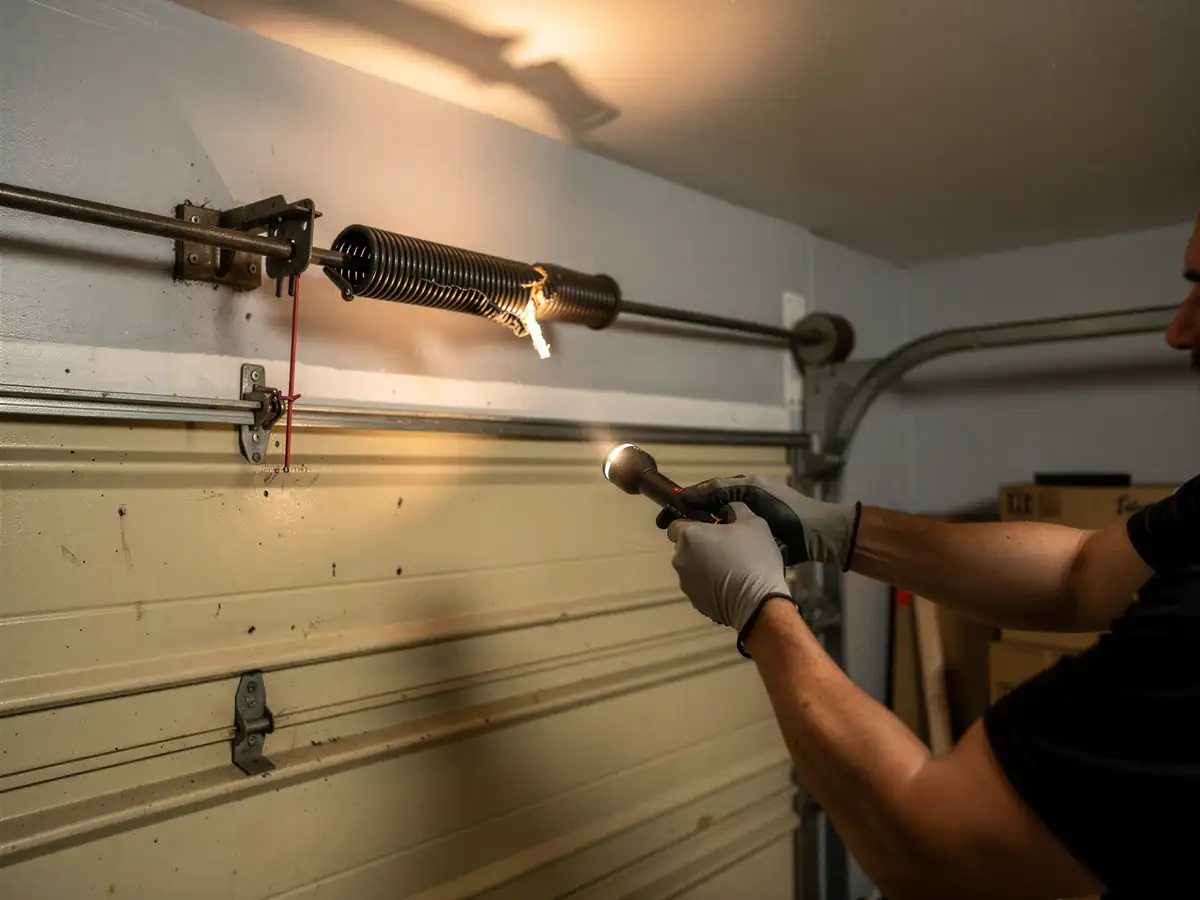
Most of the calls we get for this start the same way: a torsion spring that's done its last cycle. Springs are rated for a set number of open-and-close cycles, and once a door's been in service for decades, that number runs out quietly. No warning bang, just a door that gets harder to lift every week until one day it doesn't lift at all. If your house is on the older side of Coral Springs - built back when the neighborhood was still filling in - there's a real chance the spring on your door is original equipment, not a replacement.
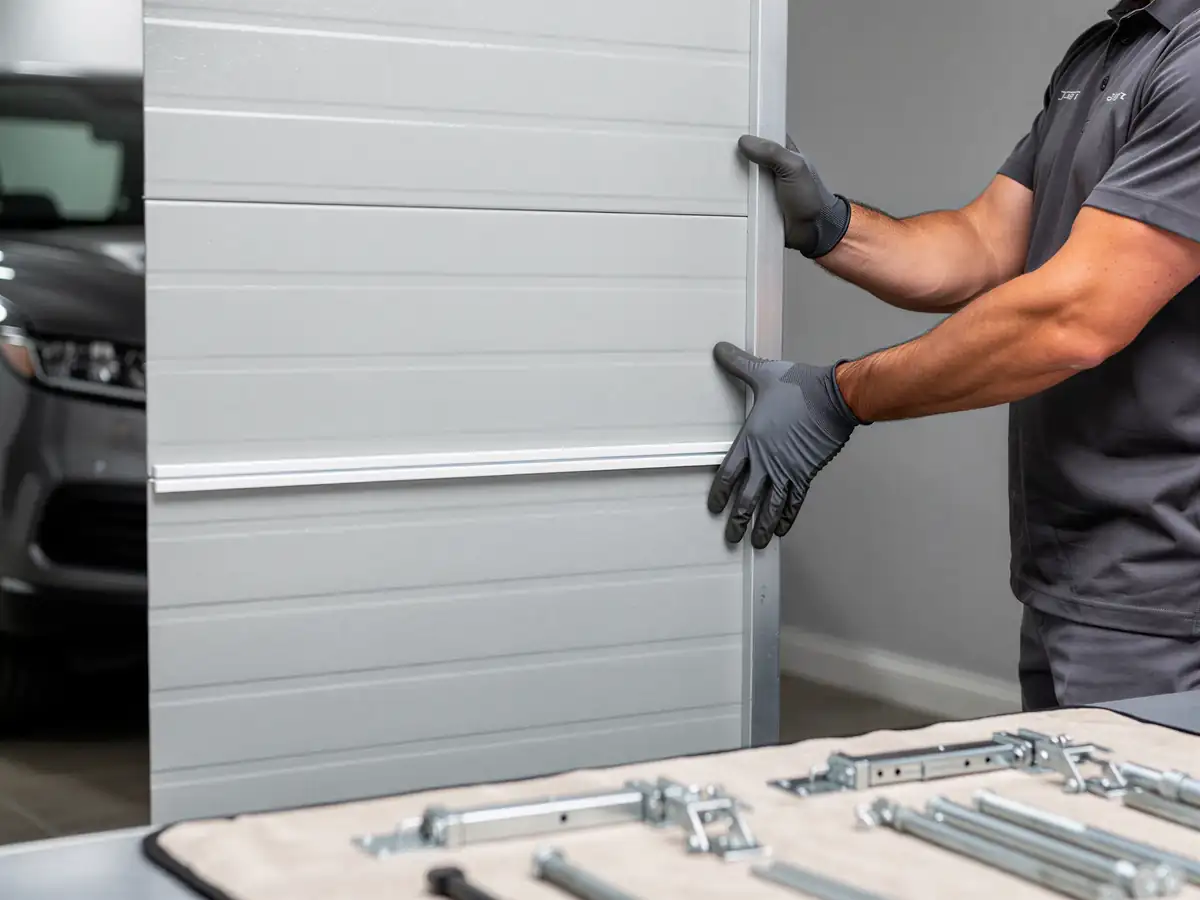
We also see worn rollers and dried-out opener gears on doors from this same era. None of it is dramatic. It's just metal and nylon doing what metal and nylon do after enough years of lifting the same weight twice a day.
How to Book
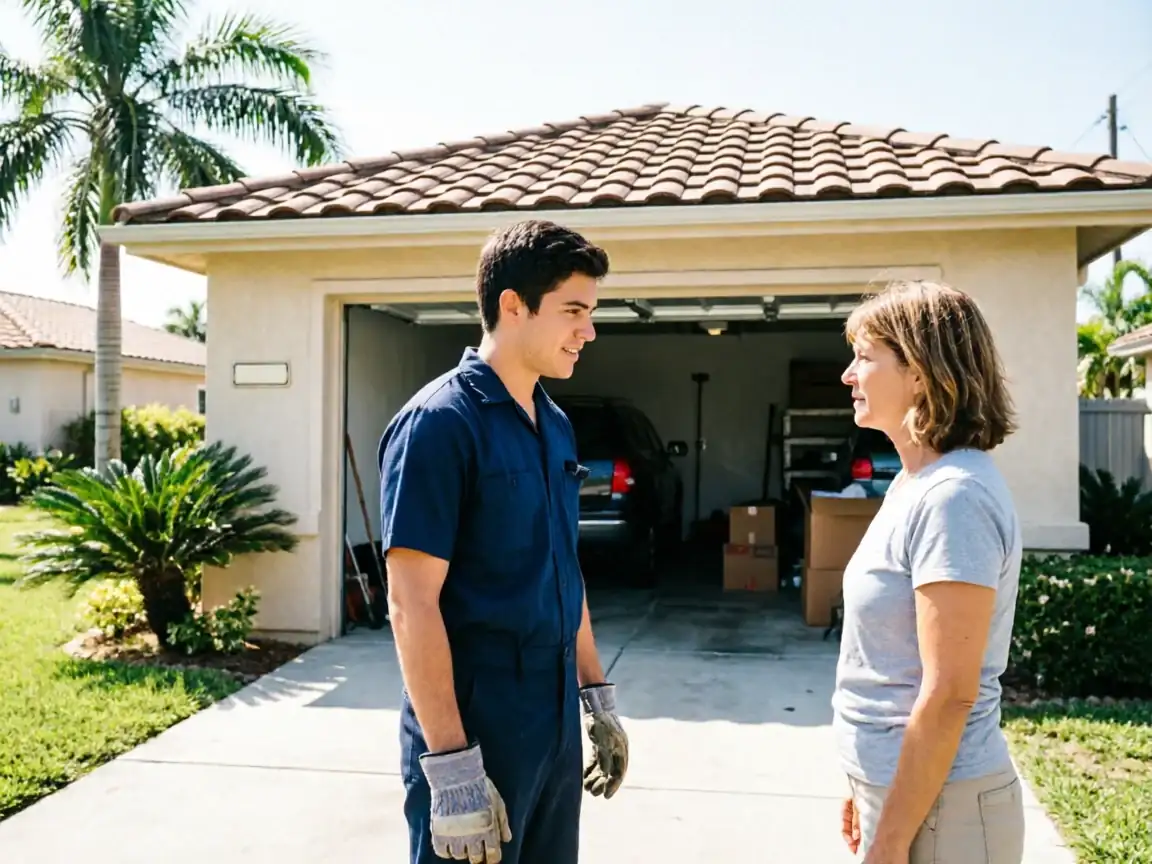
Send a request through the site and tell us what the door is doing - won't open, opens but won't close, grinding noise, off the track. That's enough for us to bring the right spring size and the right opener parts on the first trip instead of guessing and coming back a second time.
We don't carry every panel size or every obscure opener board on the truck. If your door needs a part we don't stock, we'll tell you straight that it's a lead-time item rather than quote you a same-day fix we can't deliver. That's the one honest limitation worth stating up front: not every job gets closed out in one visit, and we'd rather say that now than after we've opened the door up.
Use the link below to get a request in front of us.
Why This Fails Locally
Housing in this stretch of Coral Springs mostly went up between 1968 and 2005
With the median build year sitting around 1977. That's the detail that matters: a lot of garage doors here are either original to the house or on their first replacement, which means the hardware behind them - torsion springs, cable drums, the bearing plates - is old enough that a failure isn't a surprise, it's a schedule.
Across the 17 named areas that make up this part of the service territory, the pattern repeats
Mostly 1960s and 1970s construction, not newer stock. That's a different failure profile than a subdivision built in the last ten years.
The climate here doesn't help in the way people expect
Coral Springs sits in a mild temperate band - no freeze-thaw cycle cracking concrete or snapping brittle plastic, but steady heat and humidity that dry out spring lubricant and warp weatherstripping faster than a cooler climate would. The failure mode isn't frost. It's sun and time.
What the Fix Involves
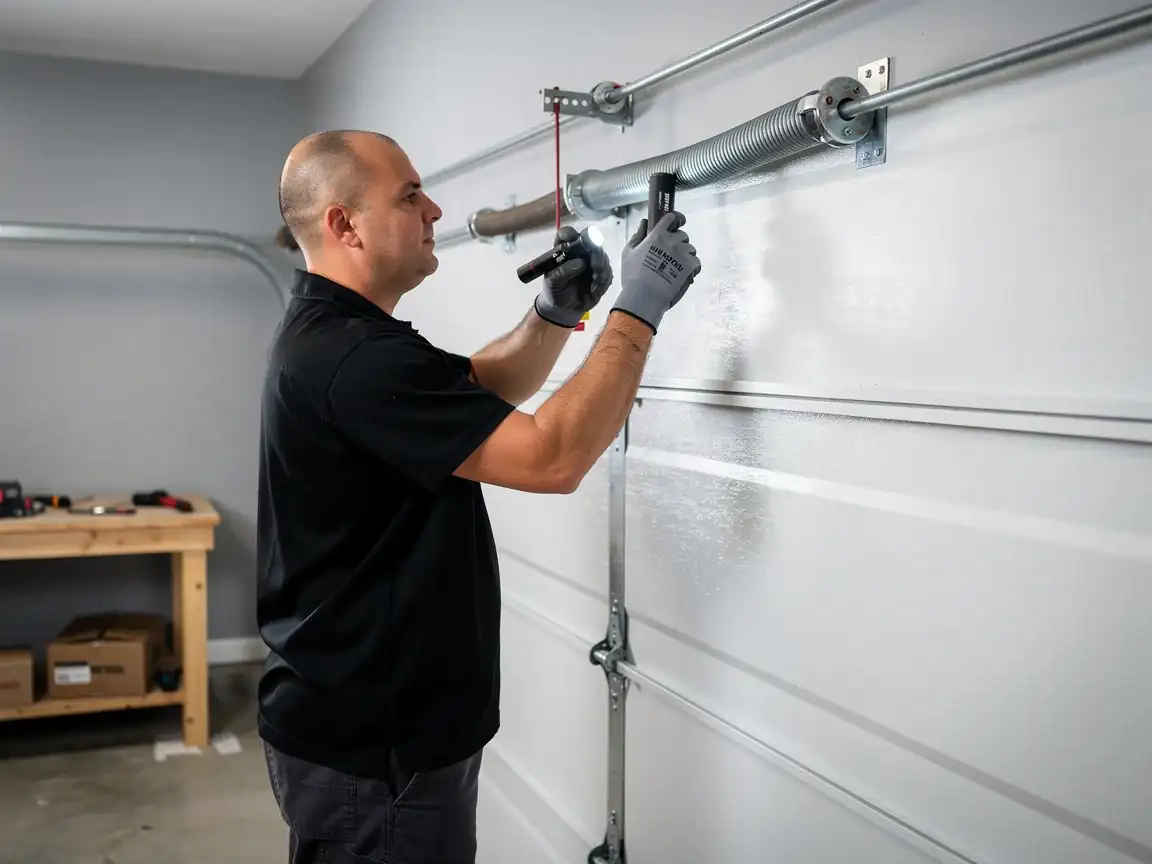
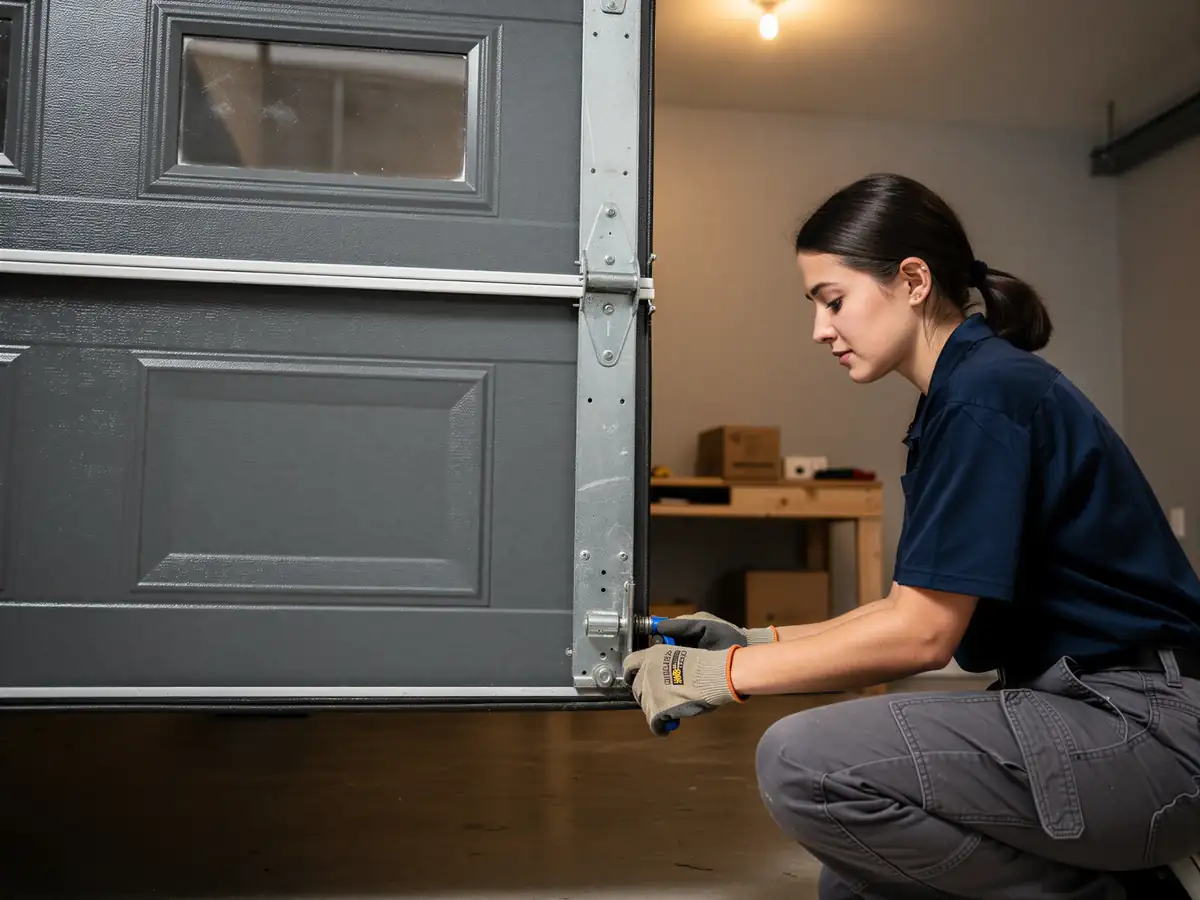
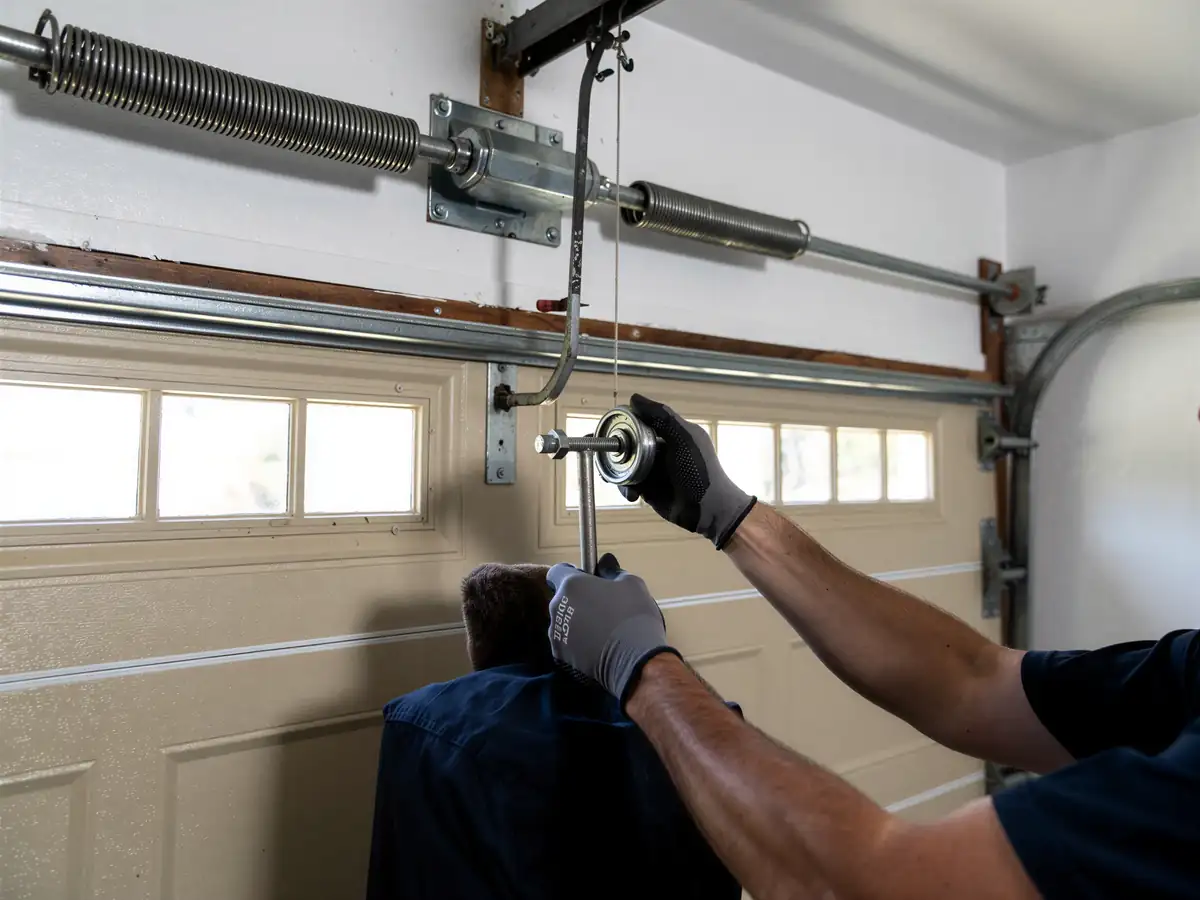
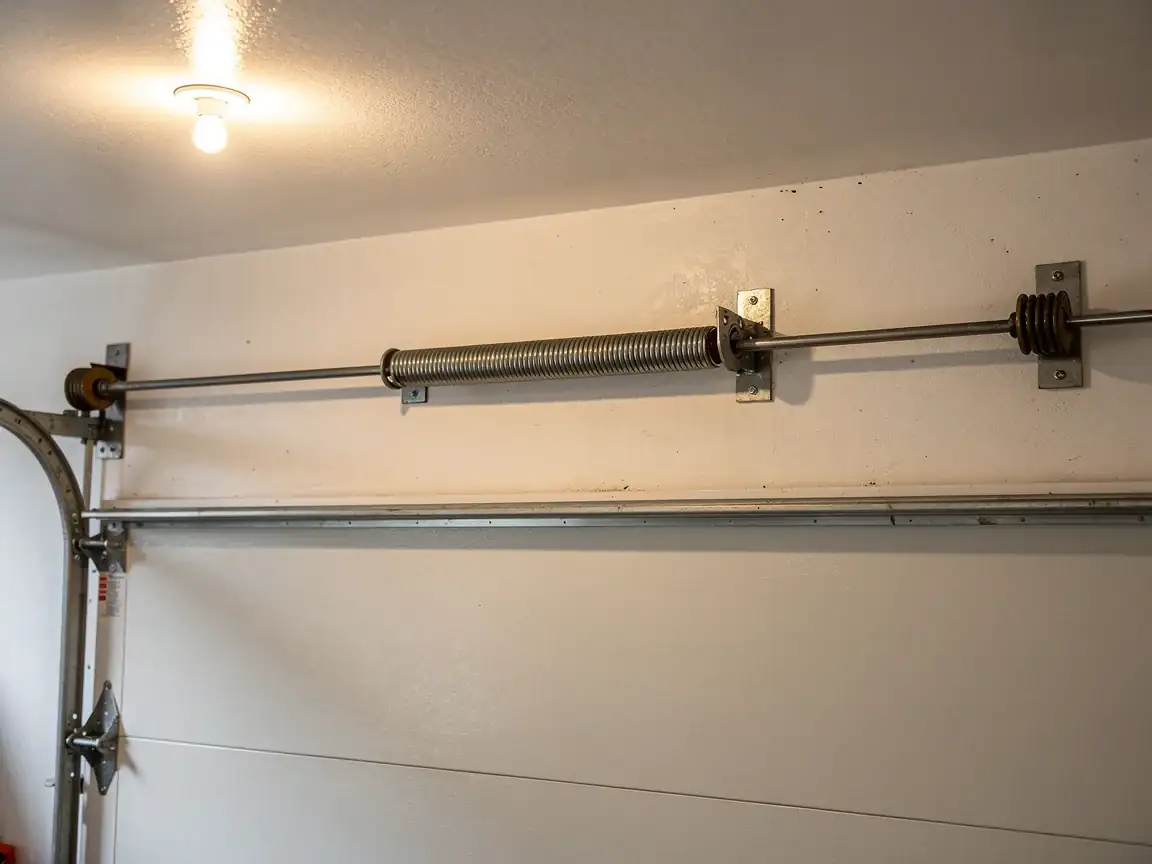
For a broken torsion spring, we measure the door's weight and the drum size, match the spring wire gauge to it, and replace both springs on a double door even if only one broke - the other is usually close behind it on the same age and cycle count. We check the cable condition and drum bearings at the same time, since those wear on the same schedule as the spring.
If the opener is straining rather than the spring failing, we check the gear and sprocket kit inside the motor housing, which is a common wear point on older chain-drive units, and look at the travel limits before replacing anything.
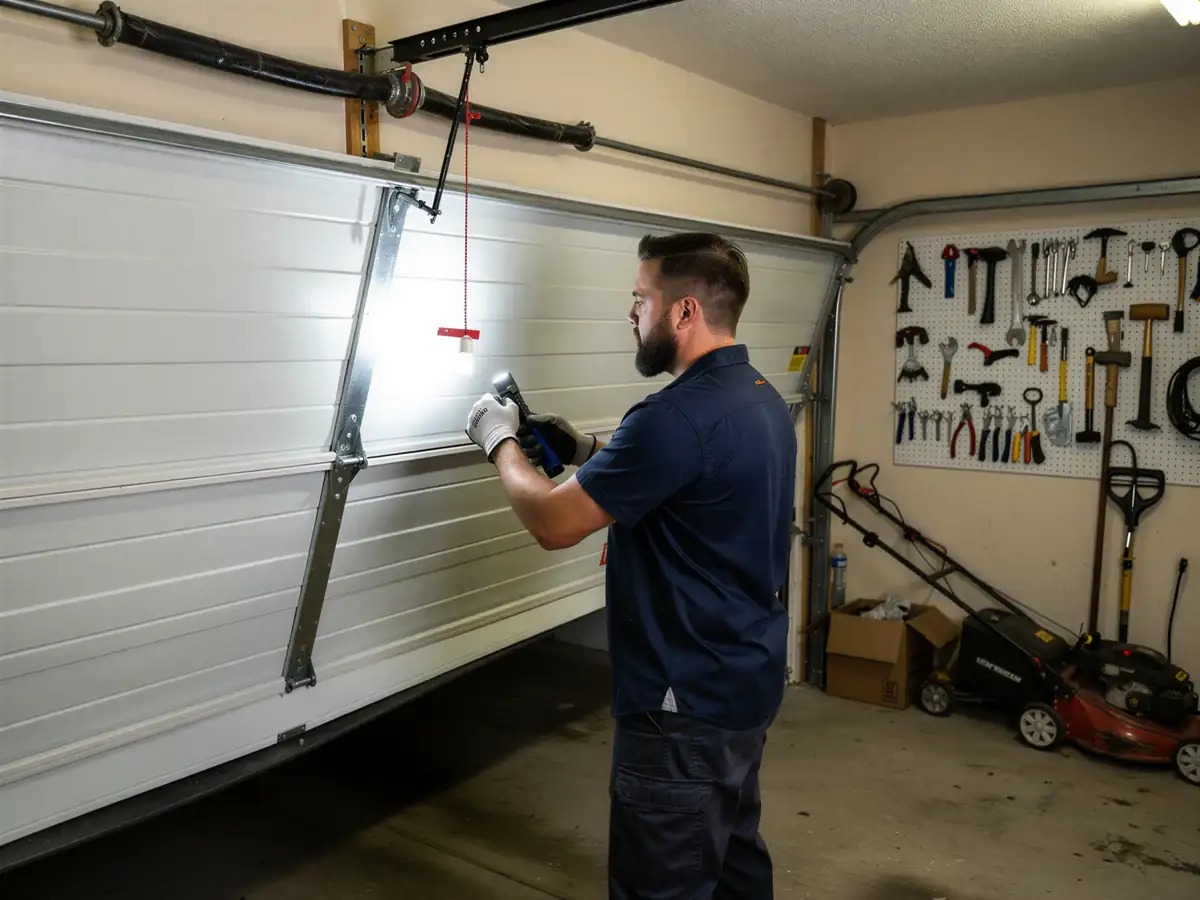
We also check the track alignment and roller condition while we're in there. On a door that's been lifting the same weight since the 1970s or 80s, a spring replacement without a track check just means a second visit later. We'd rather do the full look the first time.