This Area's Housing
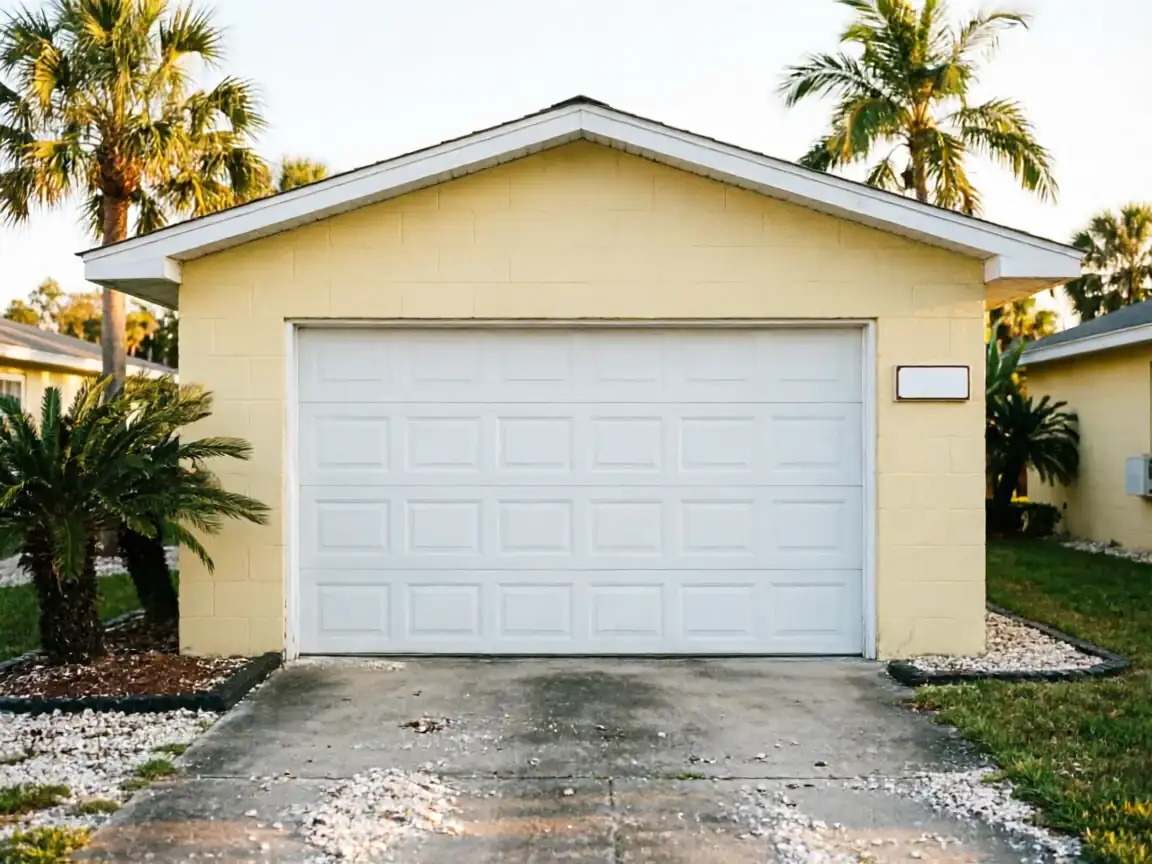
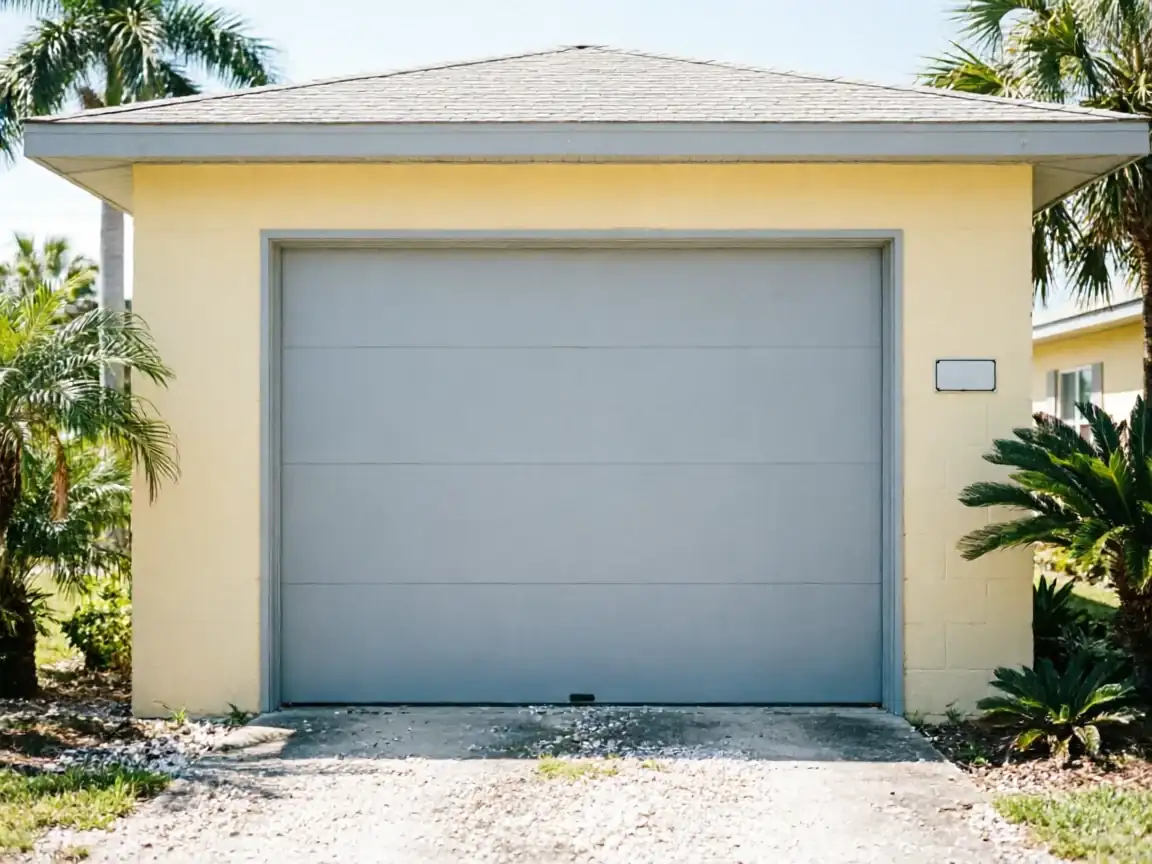
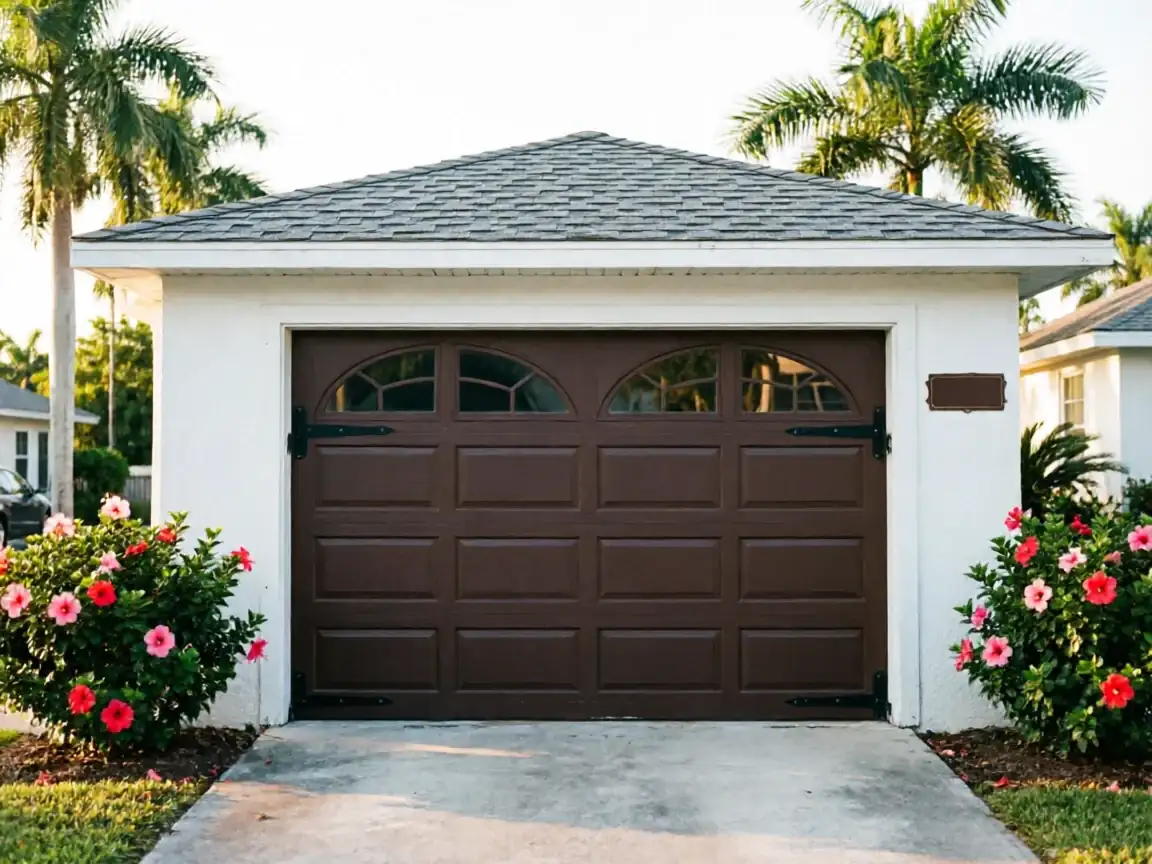
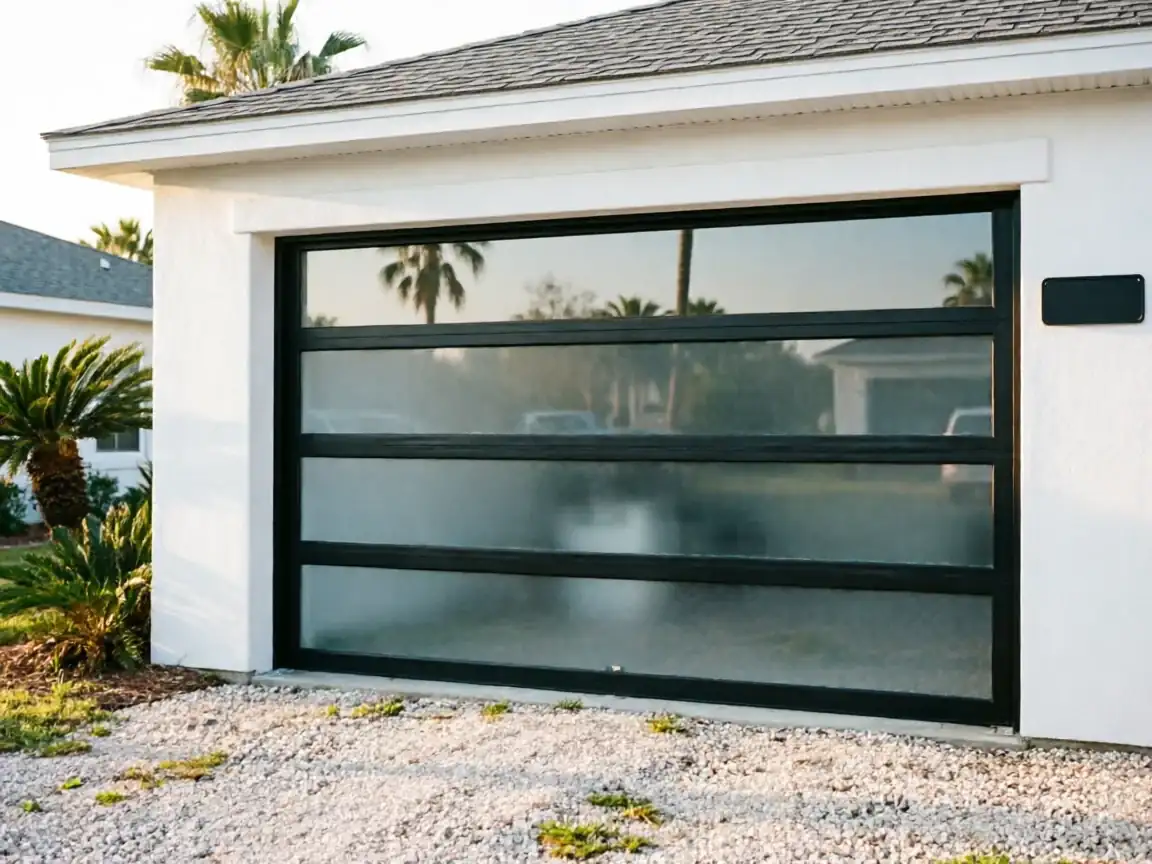
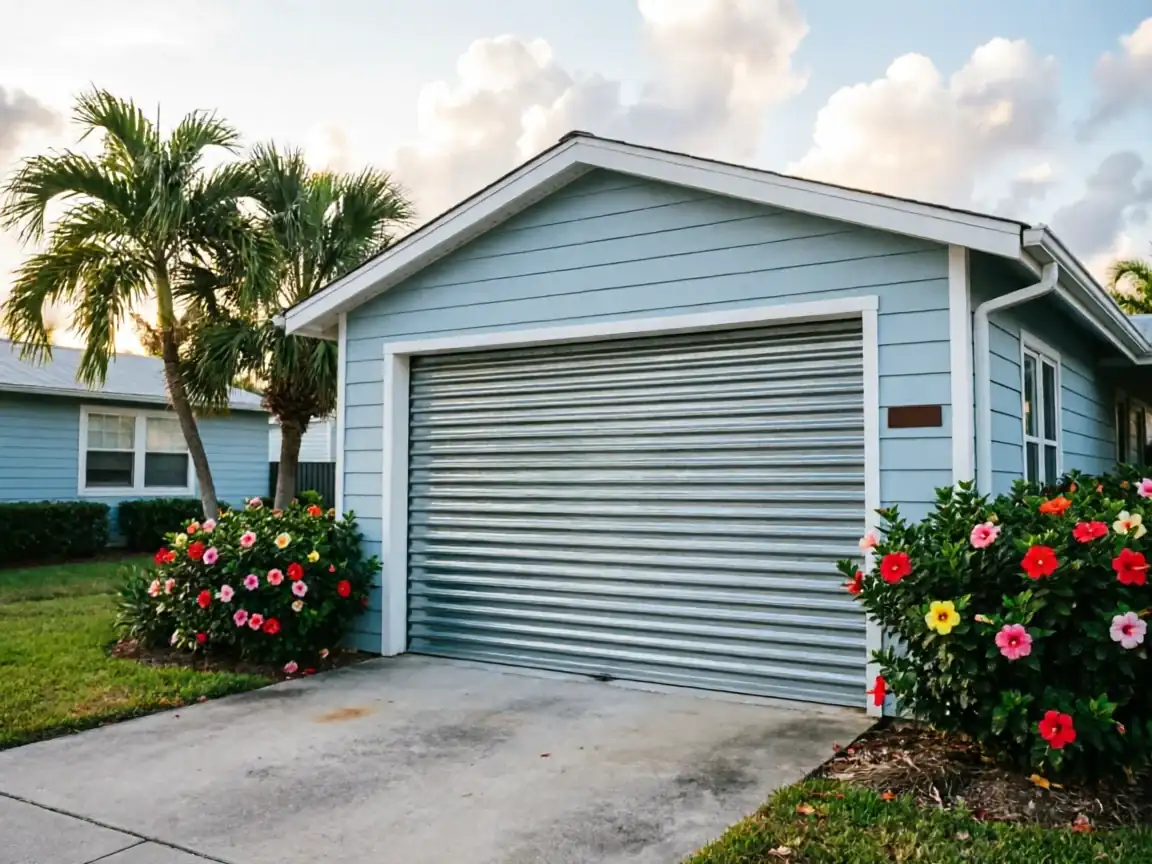
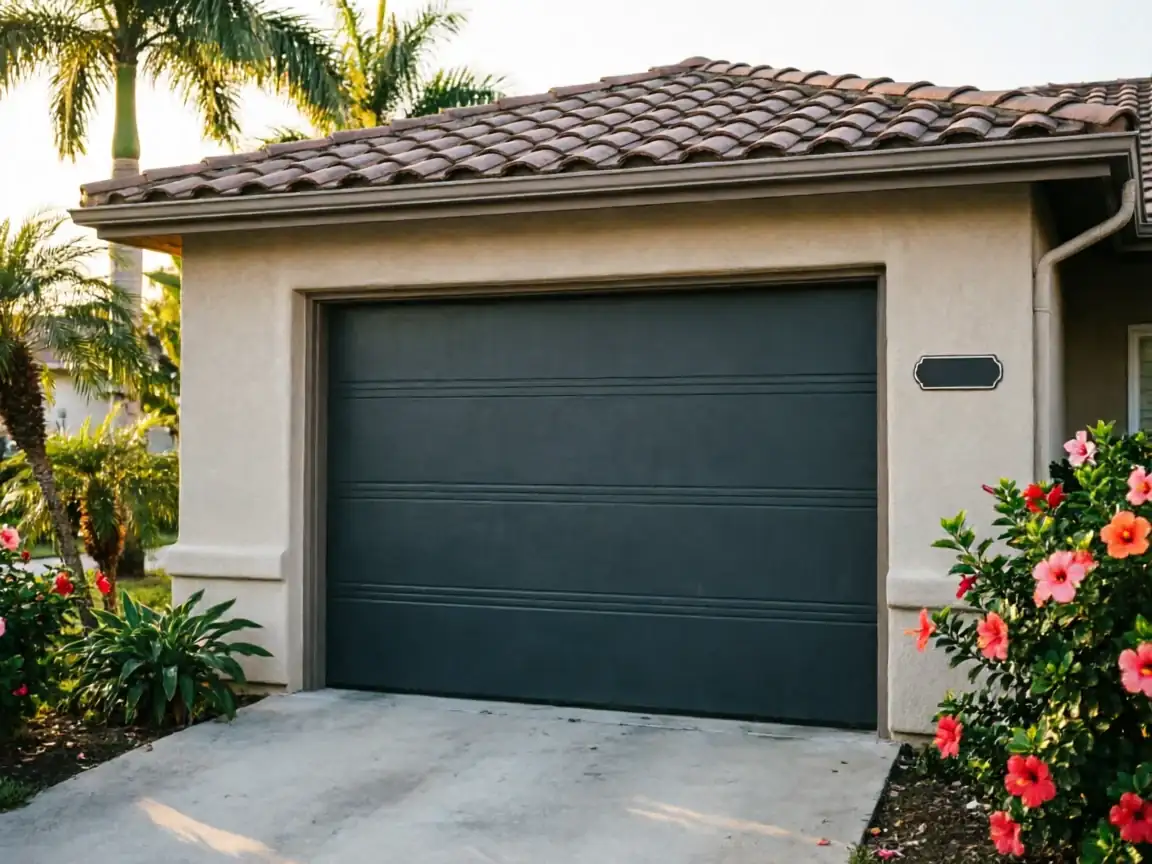
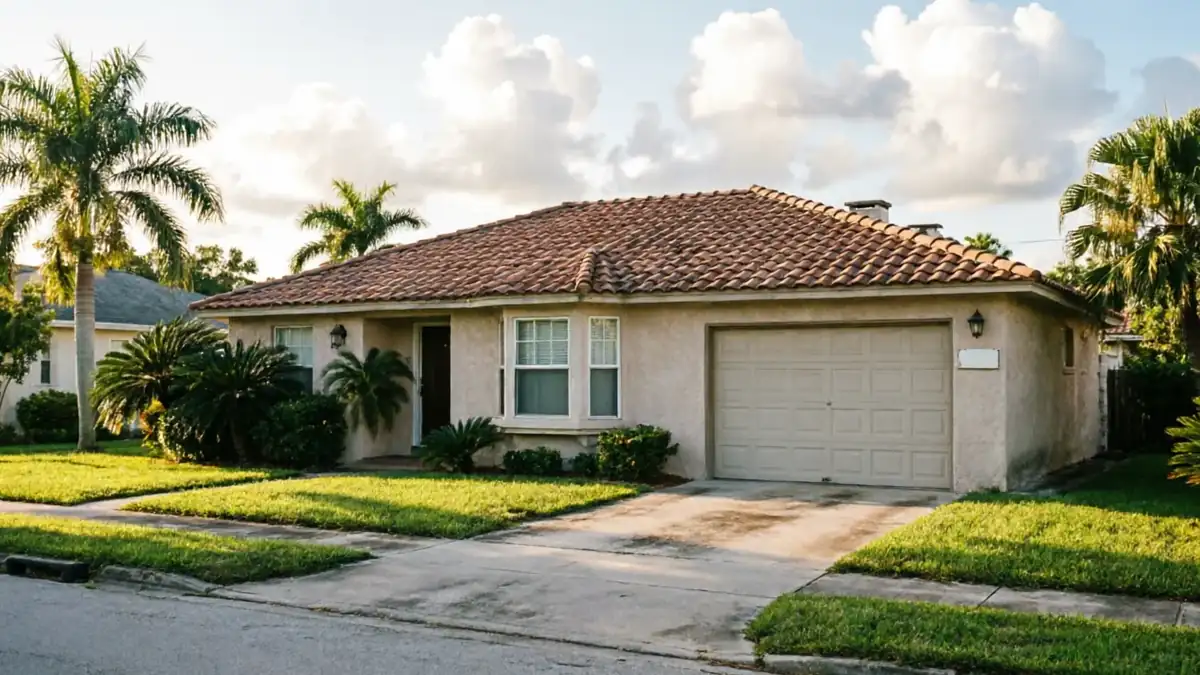
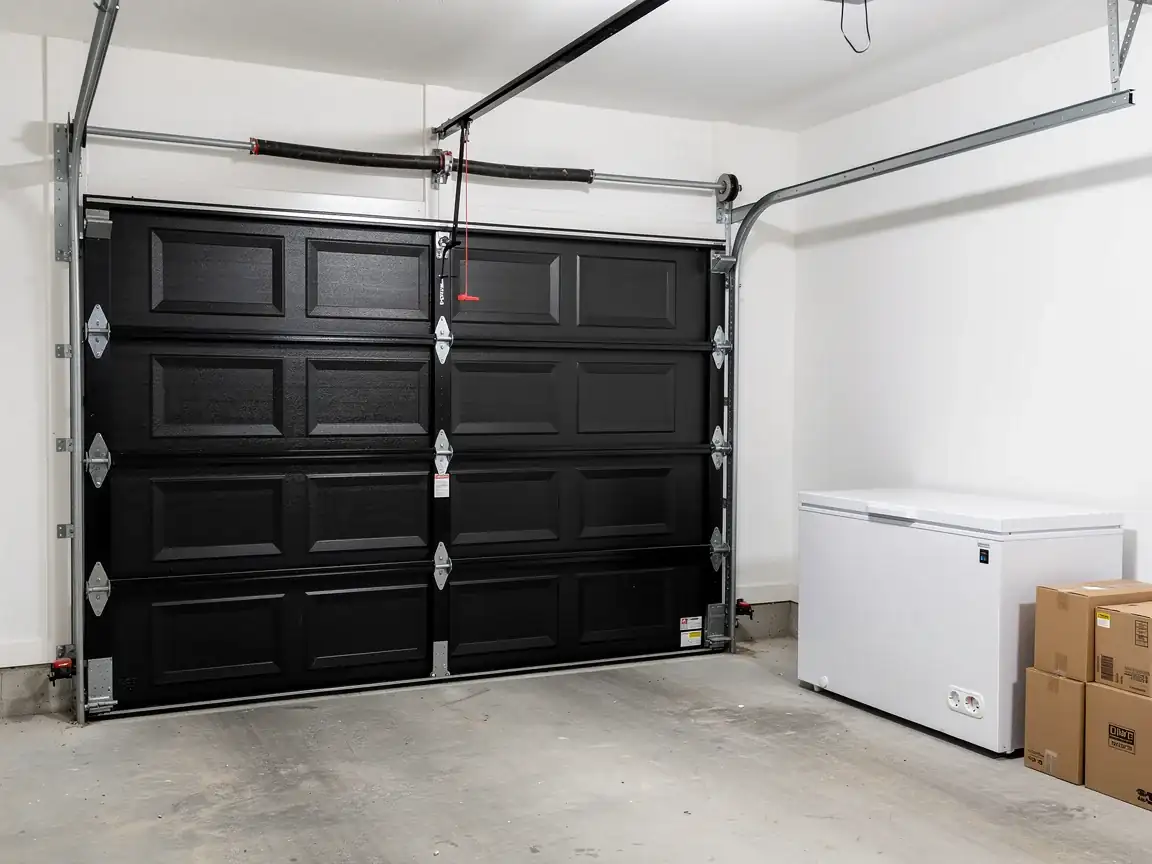
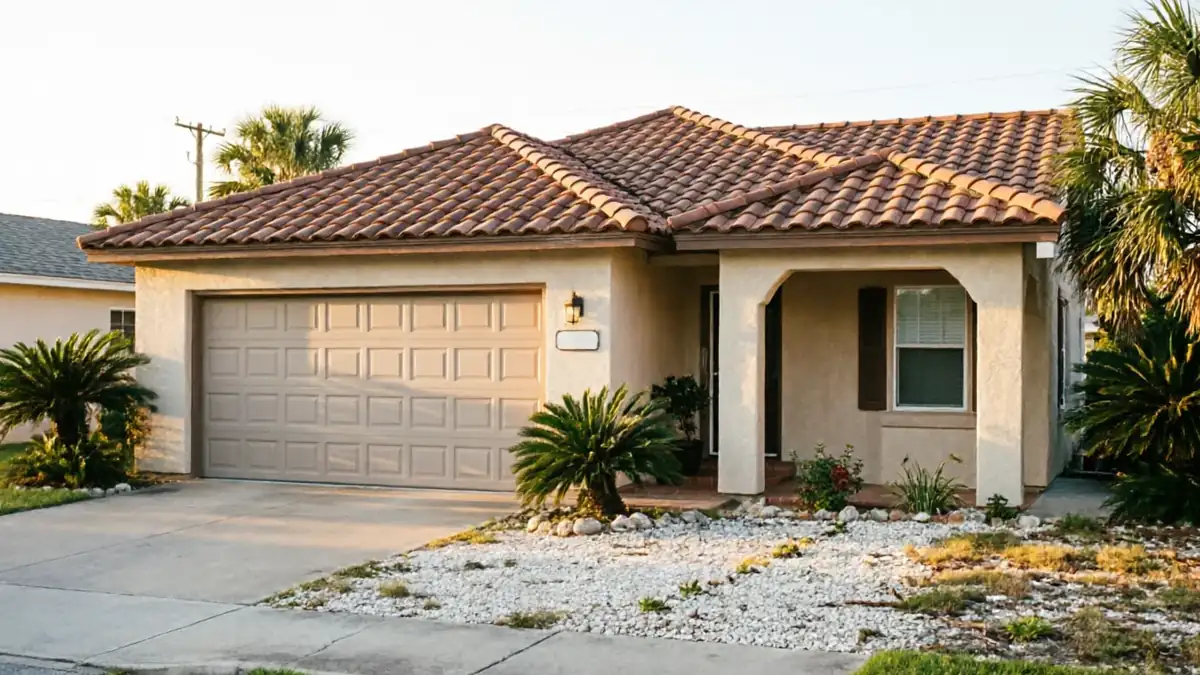
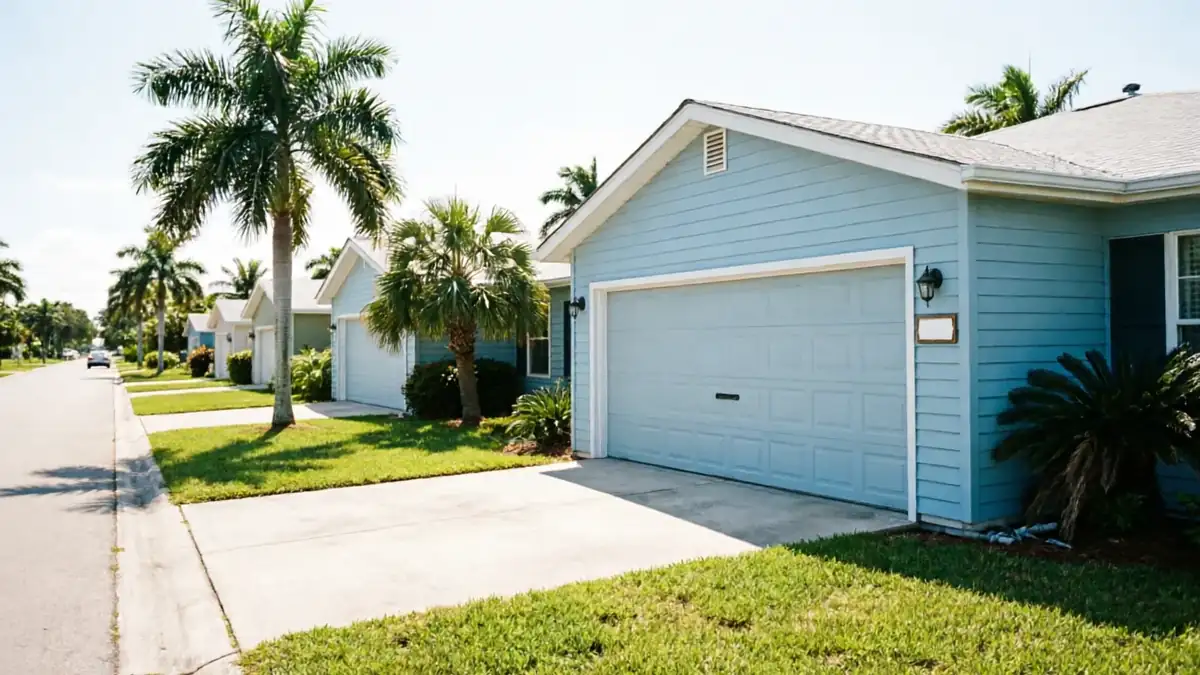
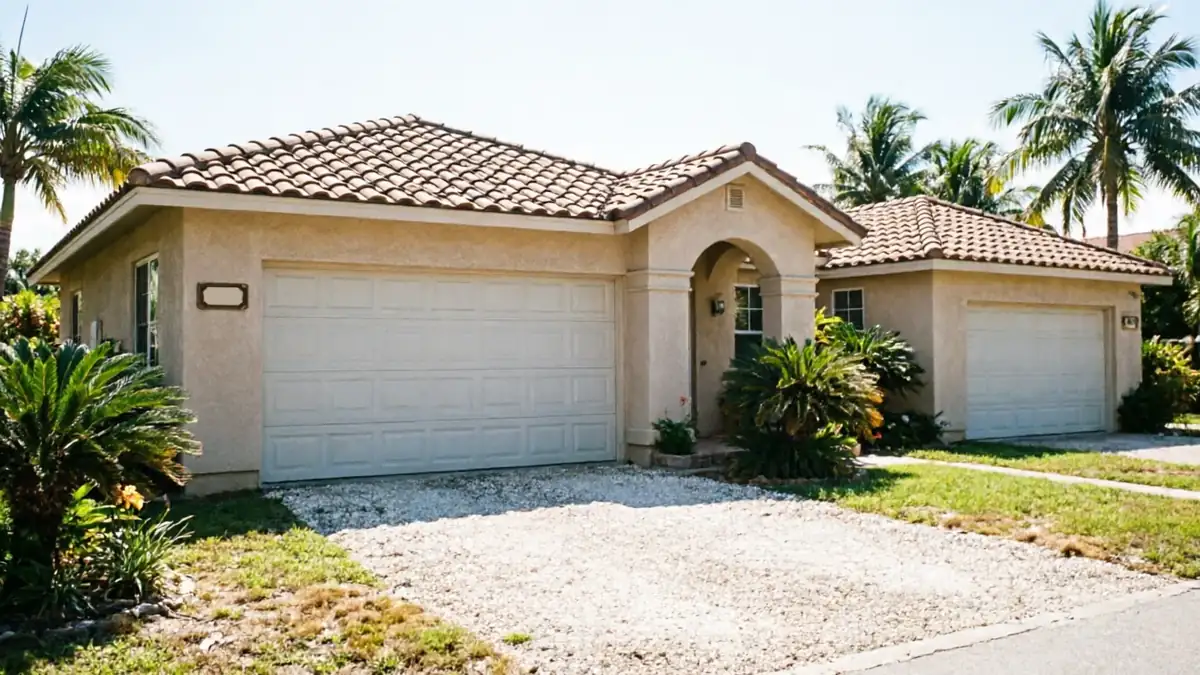
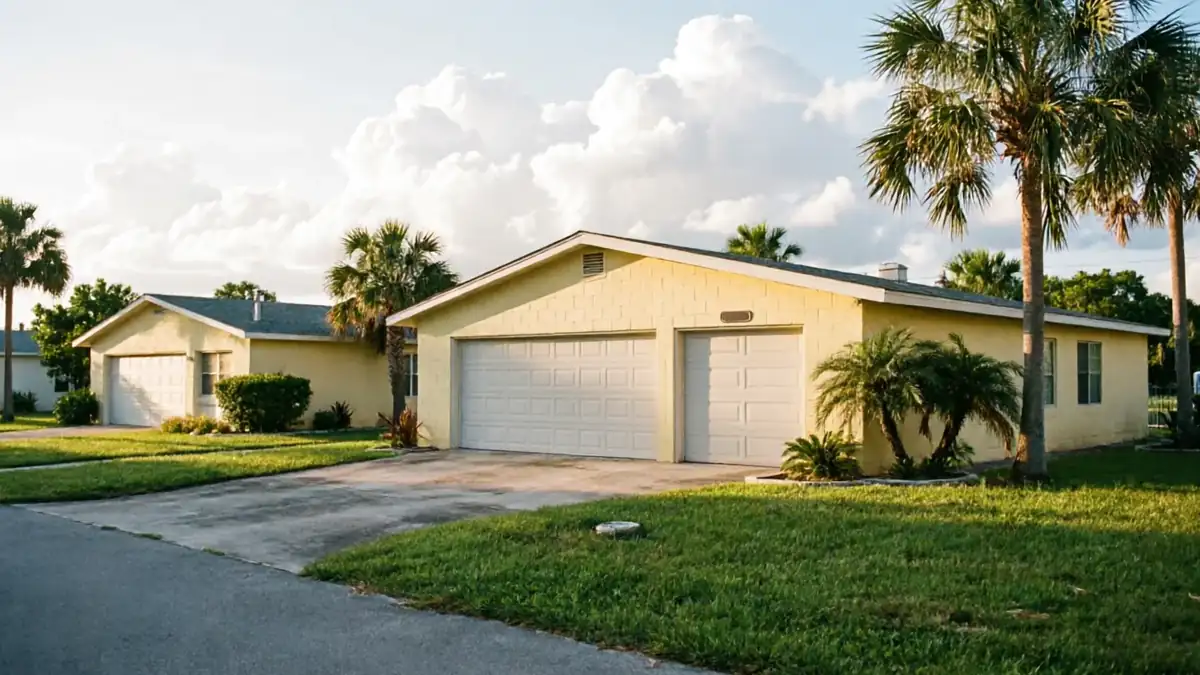
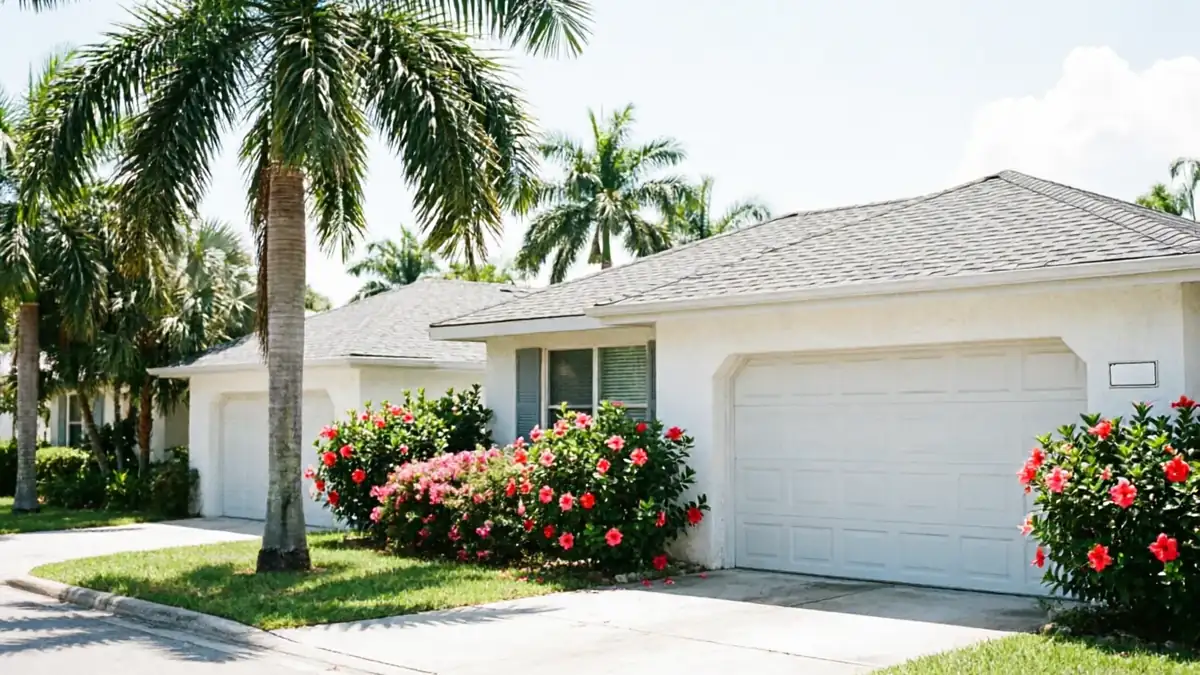
Parkland's median year built sits around 2005, which puts it well ahead of the 1968-2005 range we see across the rest of the service area, where the midpoint lands closer to 1977. That gap matters more than it sounds like it should. A door built in 2005 came with different hardware standards than one built in the Carter administration: factory-balanced torsion systems, steel reinforced sections, and openers with rolling-code receivers instead of the old dip-switch kind. With 10,828 households here and a median income of $200,156, most garages carry the heavier insulated doors and the mid-tier to upper-tier openers that were standard in new construction builds of that era, not the thin single-layer panels you'd find on an older block. The housing age here is the reason the common failures look different than they do a few miles away in the older sections of the service area.
The Usual Work Here
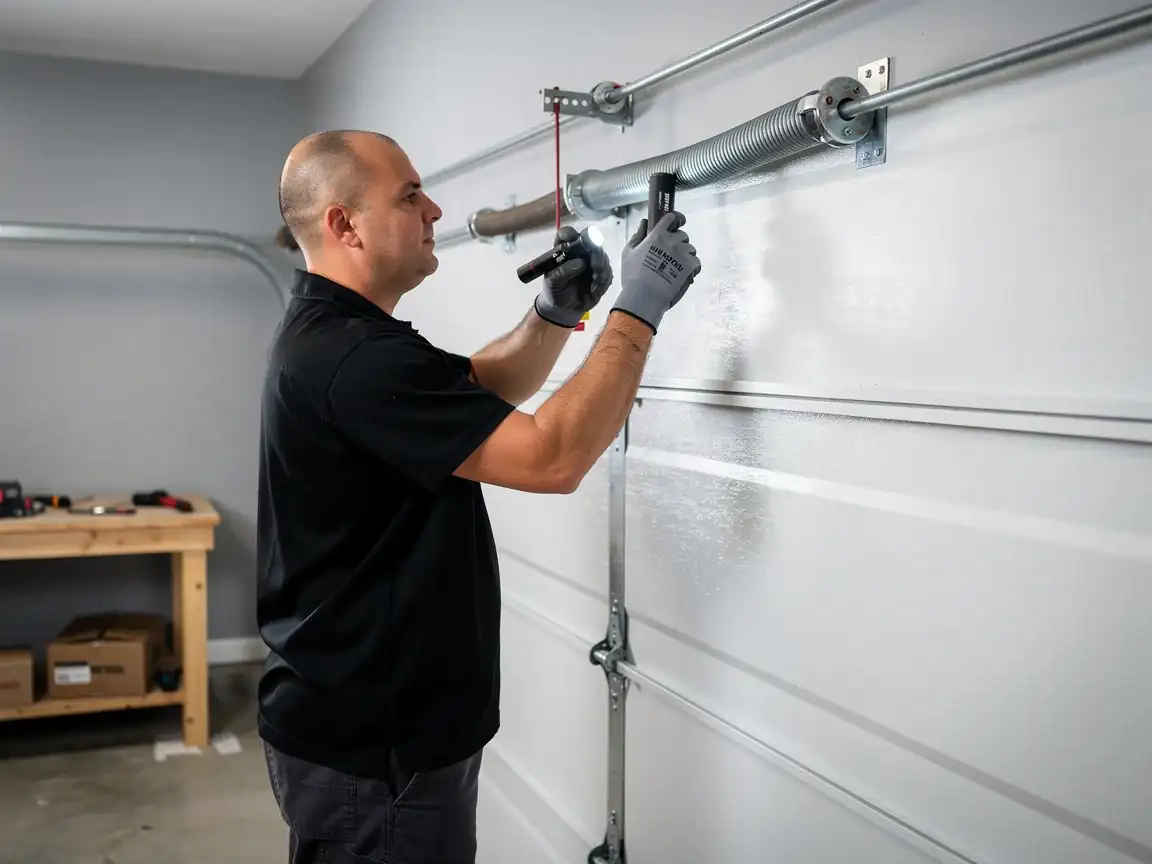
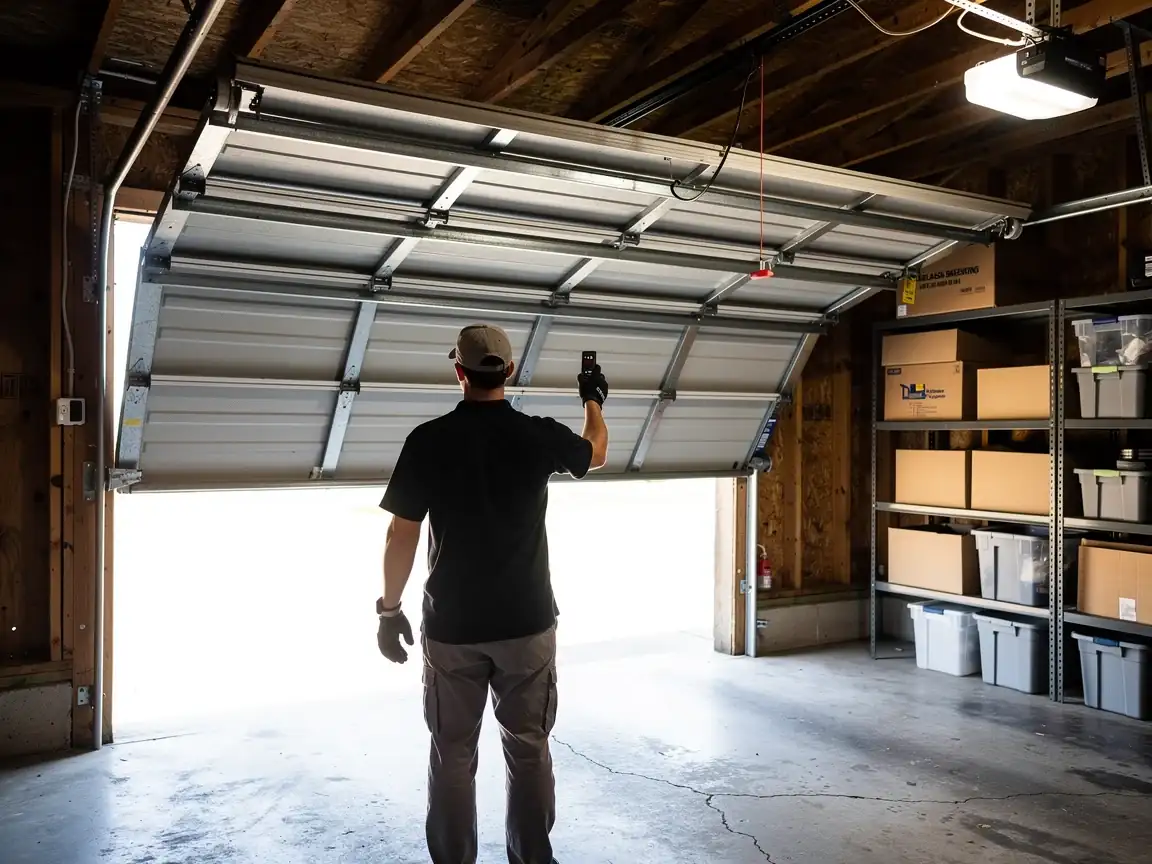
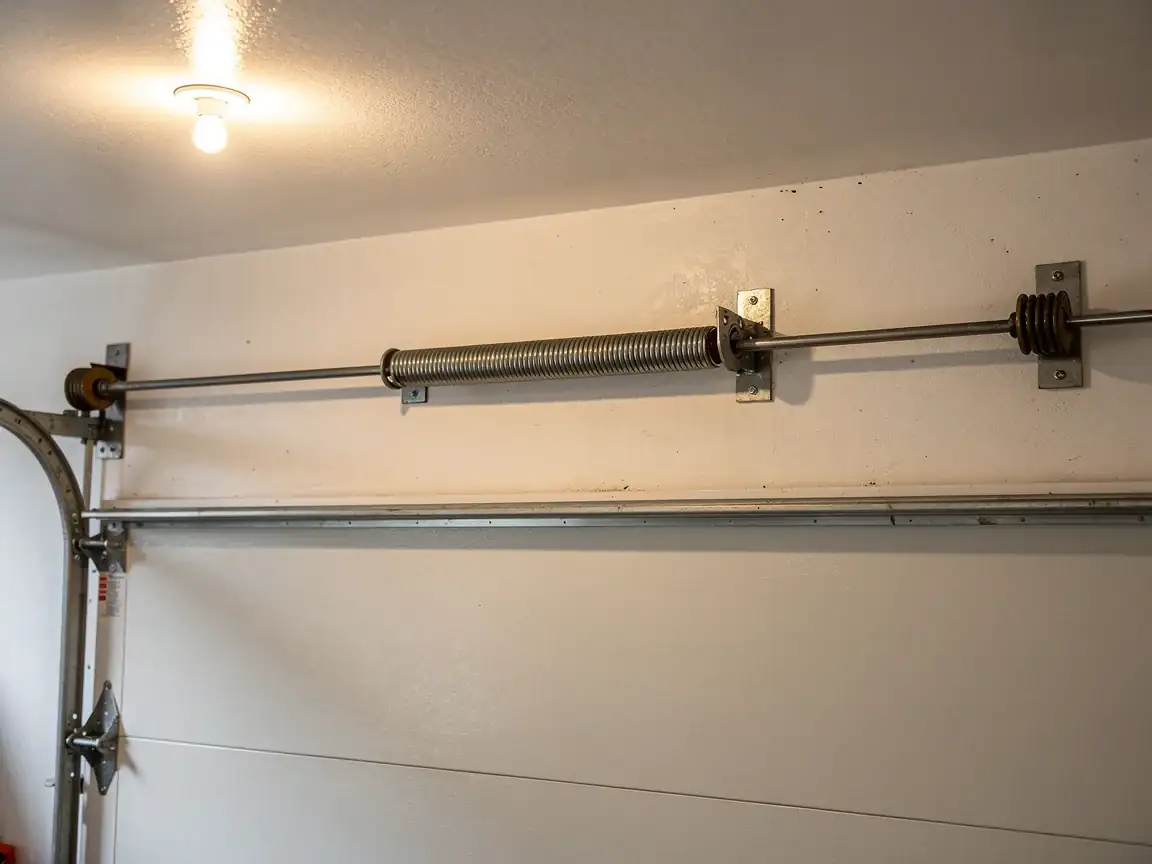
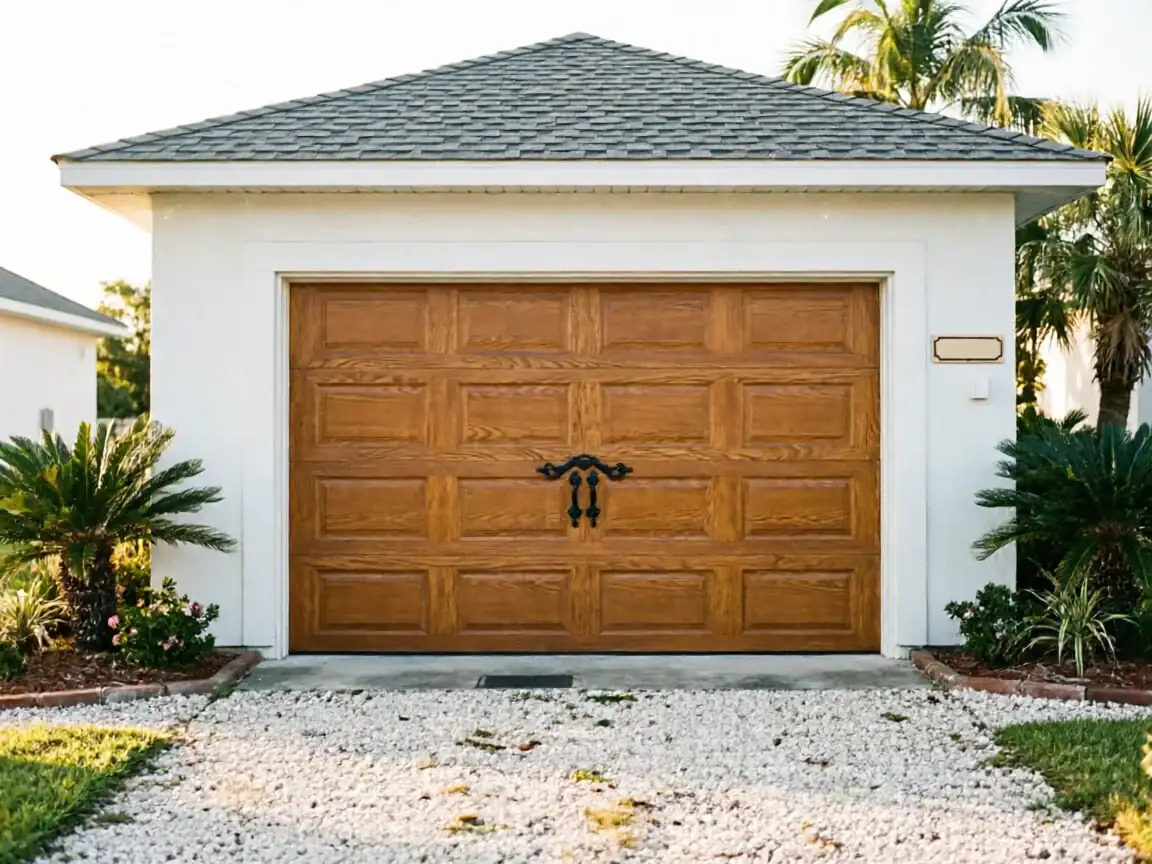
On a door built around 2005, we're rarely pulling out a door that's simply worn past saving the way we would on 1970s stock. What fails first is usually the opener - the original units from that construction window are now old enough that circuit boards and logic boards start going, even when the door itself is sound. Torsion springs on these newer systems were spec'd for heavier insulated panels, so when one breaks it's often because the door has gone unbalanced for a while, not because the spring was undersized to begin with. We also see worn rollers and stretched cables on doors that get heavy daily use, since Parkland's household count and income level point toward larger families and more vehicles moving through those garages. Rot and rust from old wood-composite panels, common in older housing stock, isn't something we run into much here.
How That Shows Up in the Door
Put the housing age and the climate together and you get a fairly specific profile. The mild temperate conditions here don't put the kind of stress on hardware that freeze-thaw regions see, so corrosion and cracked panels from weather extremes aren't a big factor. What we're mostly solving for is mechanical wear on systems that are now 15 to 20 years old: openers reaching the end of their service life, torsion springs rated for a specific cycle count finally giving out, and rollers that have done their job and need replacing. One honest limitation: if a opener board from that era is no longer made, we're not going to chase down a part that doesn't exist - at some point a full opener swap costs less than hunting for a discontinued board, and we'll tell you when that point has arrived instead of running up a bill trying to prove otherwise.