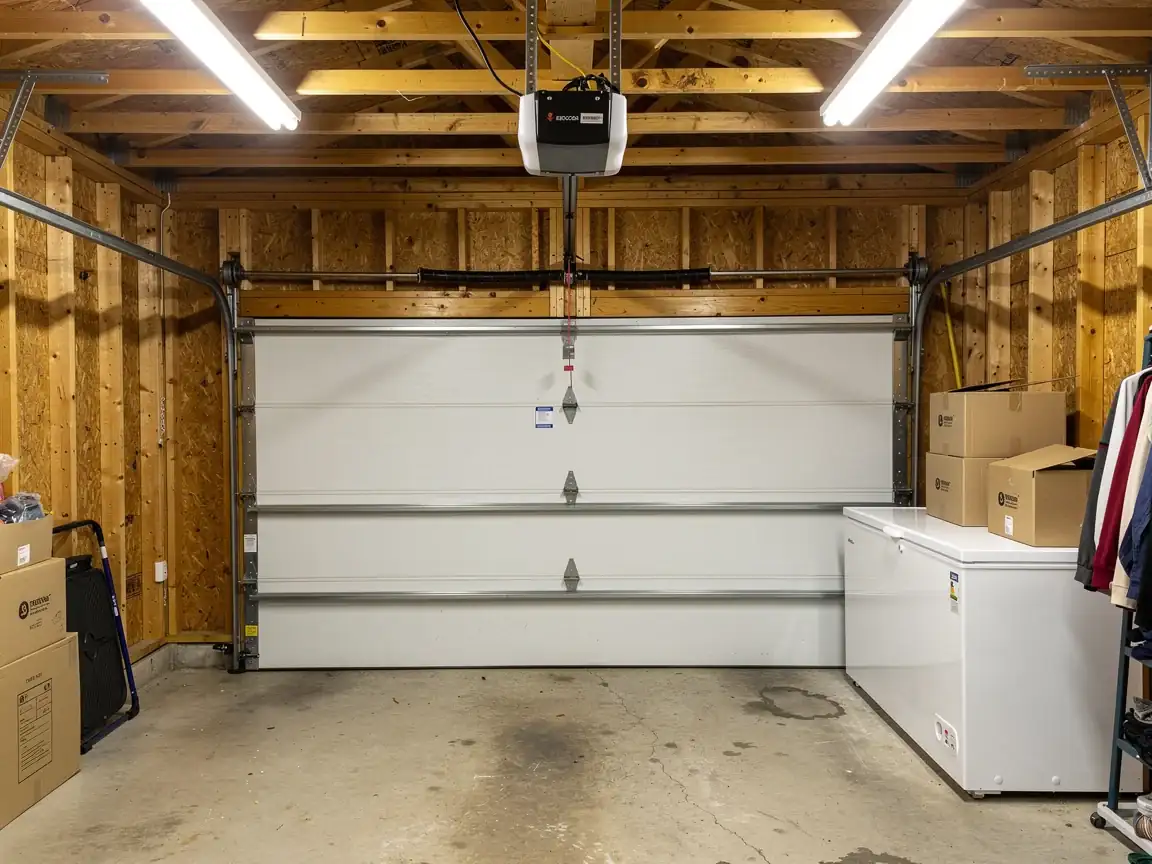
The Symptom
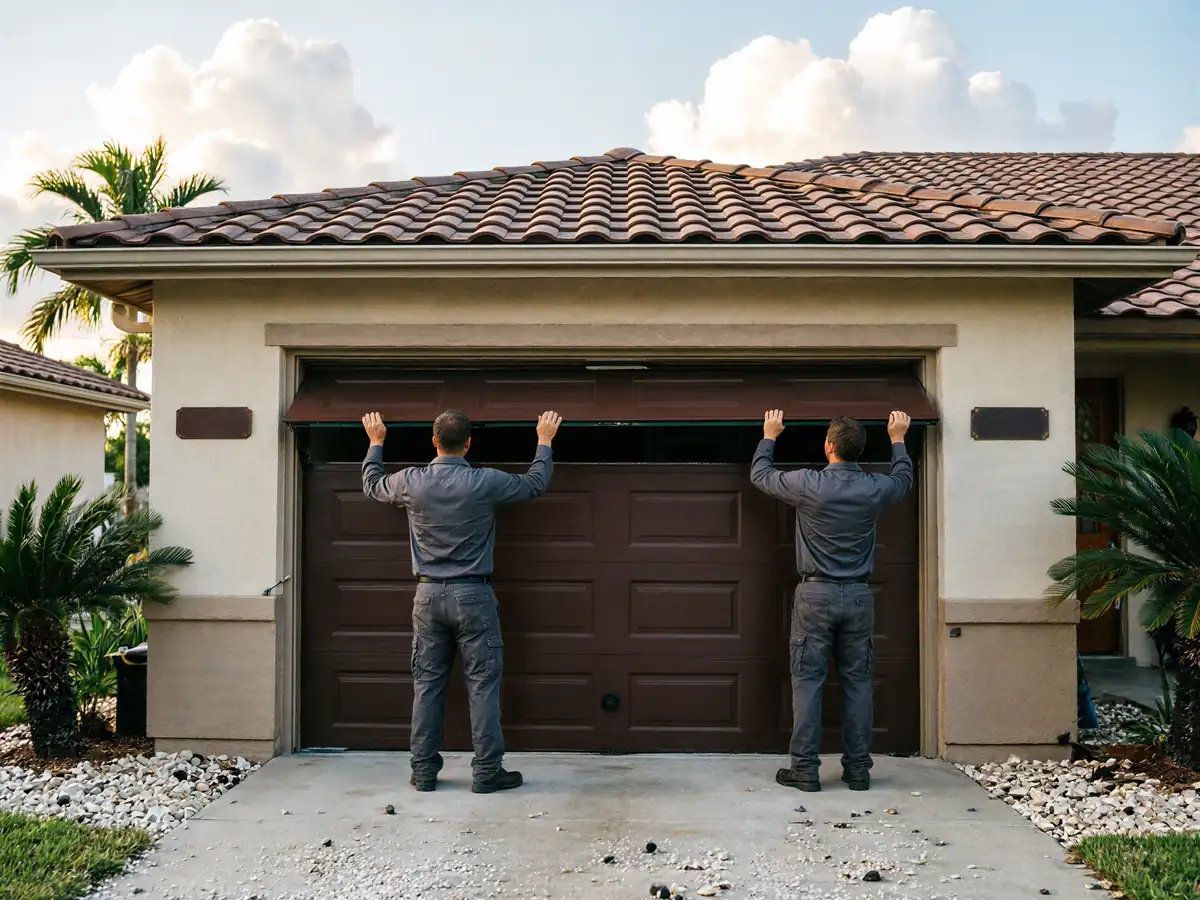
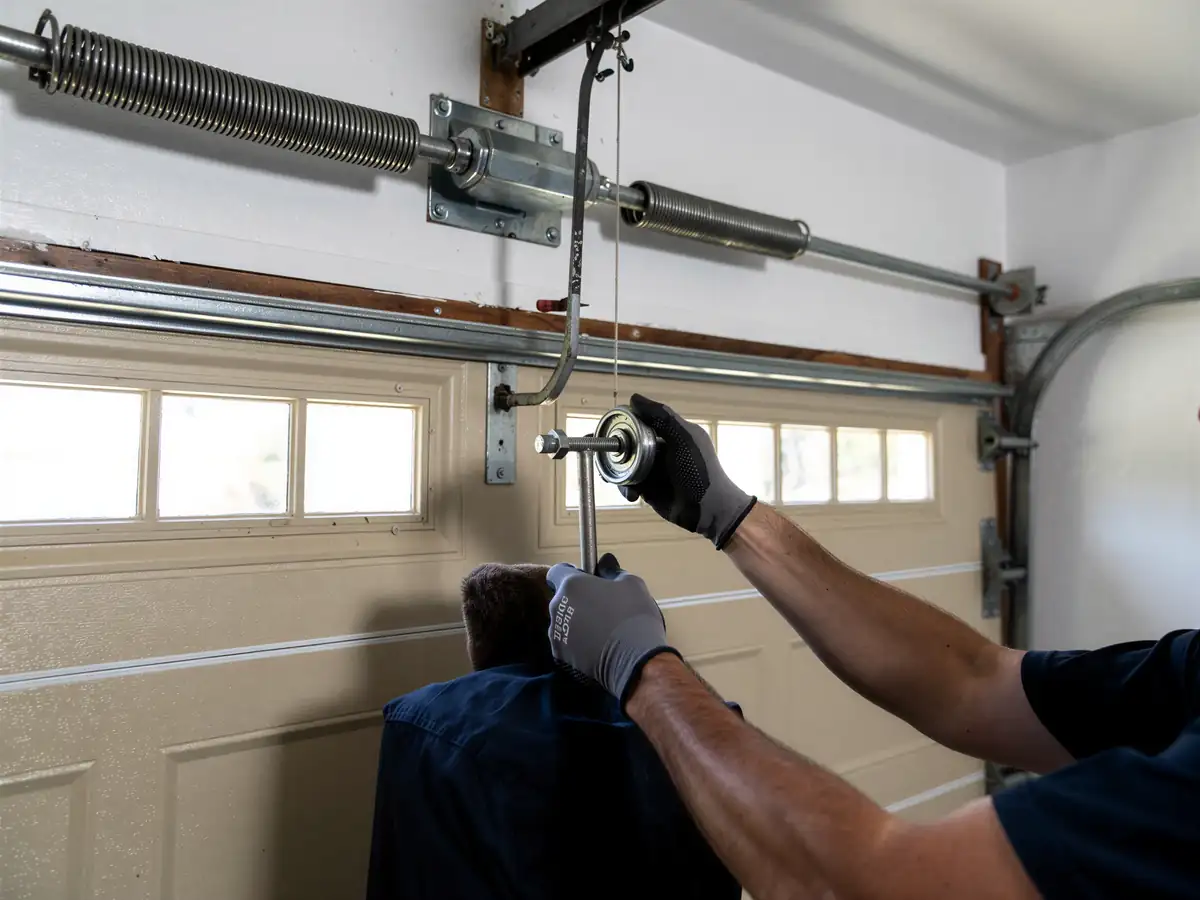
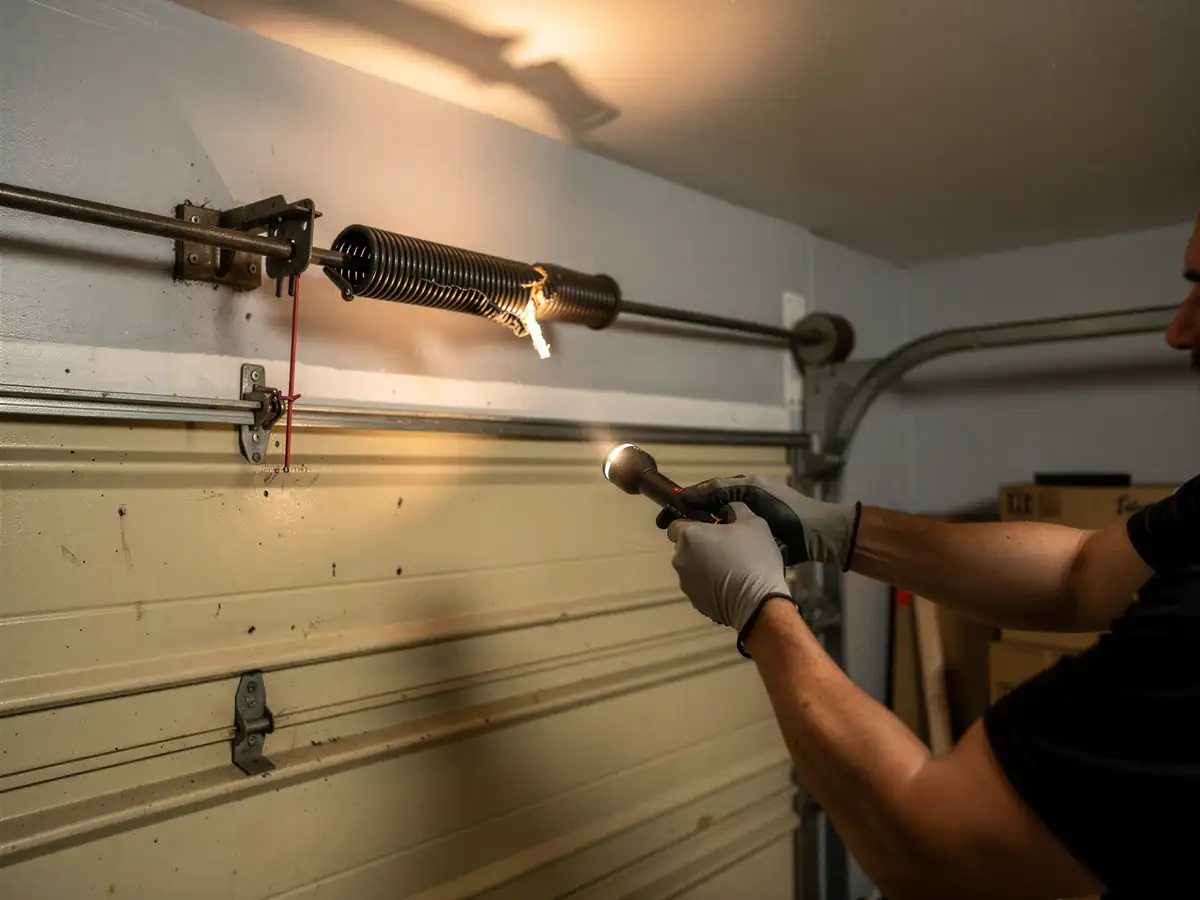
The call usually starts the same way: the door won't move, or it moved halfway and stopped, or it came down on something and now sits crooked in the track. Sometimes there's a bang first - that's a torsion spring letting go, and after that the door is dead weight no opener can lift. Other times it's a slow give-out: the opener strains, clicks, and reverses, which usually means a cable has started to fray or a roller has worn through its bearing. On double doors especially, a broken spring on one side puts the whole panel into a twist, and trying to force it with the opener just bends the track further.
We treat all of these as the same category of call - stuck, stuck open, stuck shut, off the track - because the urgency is the same even when the part that failed is different. A door that won't close is a security problem and, if it's attached to the house, a break in the building envelope. A door that won't open can trap a car inside on a day that matters. Either way, this isn't a fix-it-next-week situation, and we don't treat it like one.
How to Book
Call us and tell us what the door is doing - stuck up, stuck down, off the track, making noise, or just dead. That's enough for us to load the right spring sizes, cables, and rollers onto the truck before we leave, instead of guessing once we're on site. If you can, note the door's size (single or double) and whether it's original to the house or was replaced at some point; both change what hardware we bring.
We work across the corridor from Margate and Parkland through to the farther edges near Southwest Ranches and Golf, so let us know roughly where you are - it affects how we route the truck, not whether we come. If the door is a safety hazard right now - off the track, half down, or blocking a vehicle in or out - say so when you call, and we'll move you up the board.
We don't run 24-hour dispatch out of thin air; we book emergency calls into the working day as they come in, which for most houses means the same day. If a part has to be special-ordered - an odd-width track or a discontinued opener board - that's the one thing that can push a job past same-day, and we'll tell you up front if that's the case rather than let you wait on it.
Why This Fails Locally
Most of the houses we get called to in this area were built between 1968 and 2005
With the typical build year landing around 1977, and across the 17 named communities we cover the stock is overwhelmingly 1960s and 70s construction. That matters because a lot of those garage doors are still running on the hardware that came with the house - torsion springs rated for a lighter door, rollers with no bearing seal, cable drums sized for sectional panels that have since been swapped for something heavier. None of that is dangerous on its own, but it fatigues, and it fatigues on its own schedule, not yours.
The climate here is mild temperate
We don't get the hard freeze-thaw cycle that snaps metal fast in other parts of the country. What we get instead is slow: humidity and salt-tinged air working on exposed spring coils and cable strands year-round, with no cold season to pause the corrosion. A spring that would last fifteen years somewhere with real winters can go eighteen here and still fail without warning, because the wear is chemical as much as mechanical. With 65,707 owner-occupied houses among 232,020 households in this corridor, a large share of them are sitting on original torsion setups nobody manufactures anymore, which is exactly why these calls cluster around older sections rather than newer construction.
- 65,707 owner-occupied
- 232,020 households
What the Fix Involves
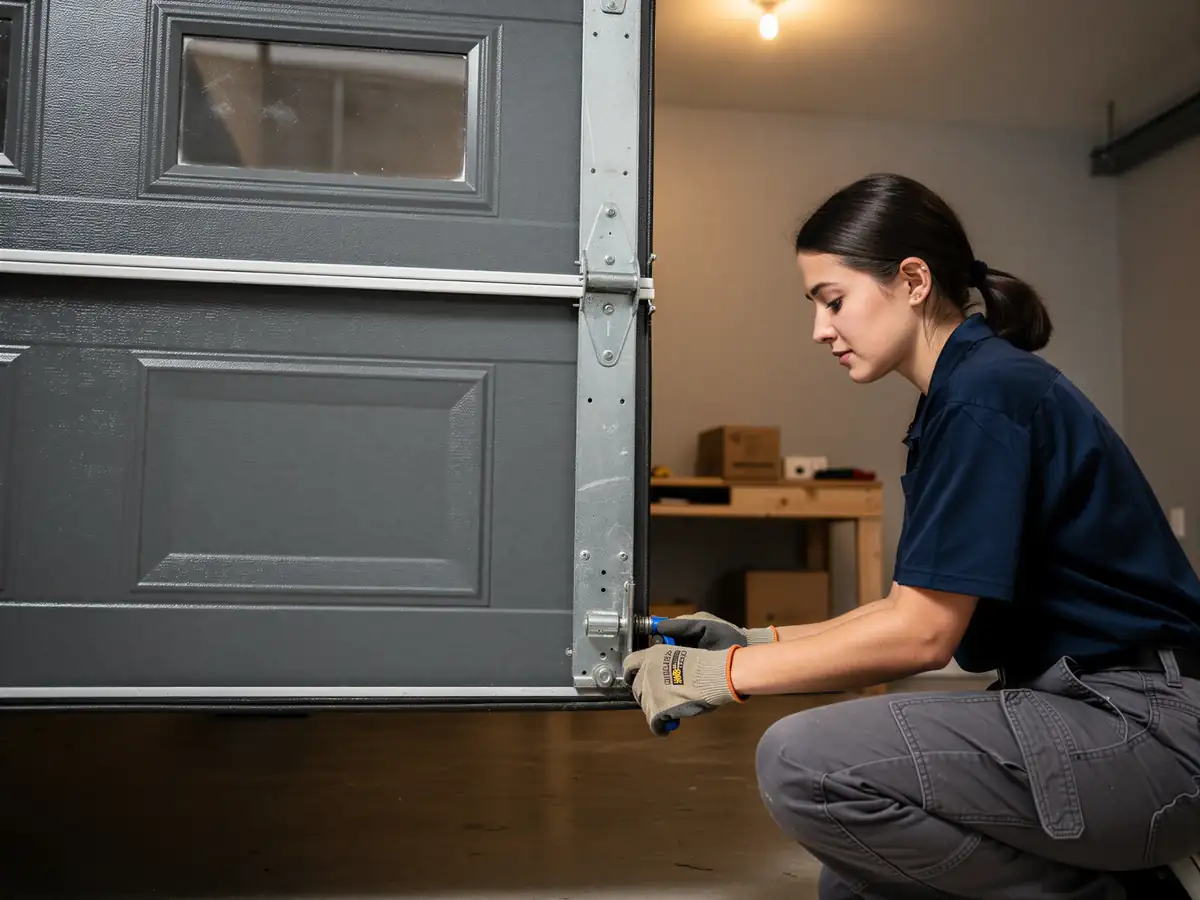
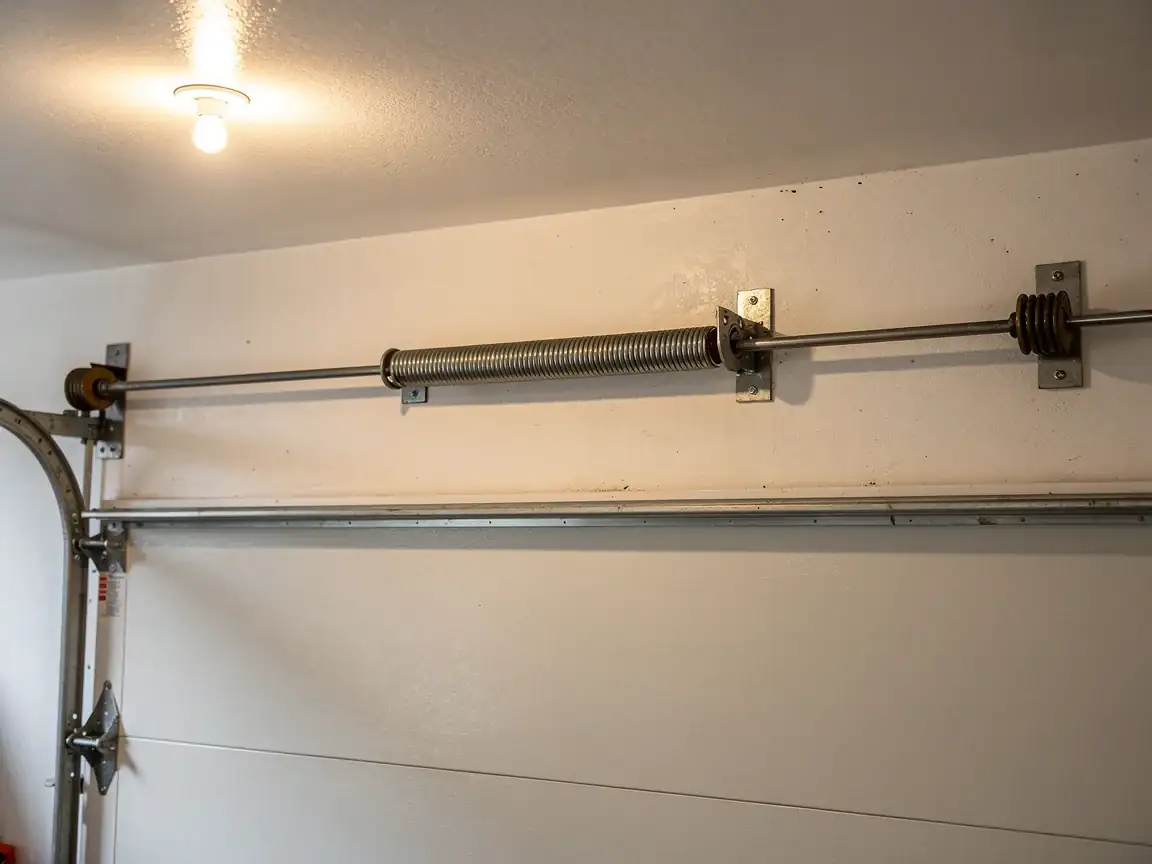
On a snapped torsion spring, we don't patch - we replace both springs as a pair, even if only one broke, because the other is on the same clock and a mismatched set throws the door's balance off. We match spring size to door weight rather than reuse whatever was on there, since a lot of original installs were undersized for the door to begin with.
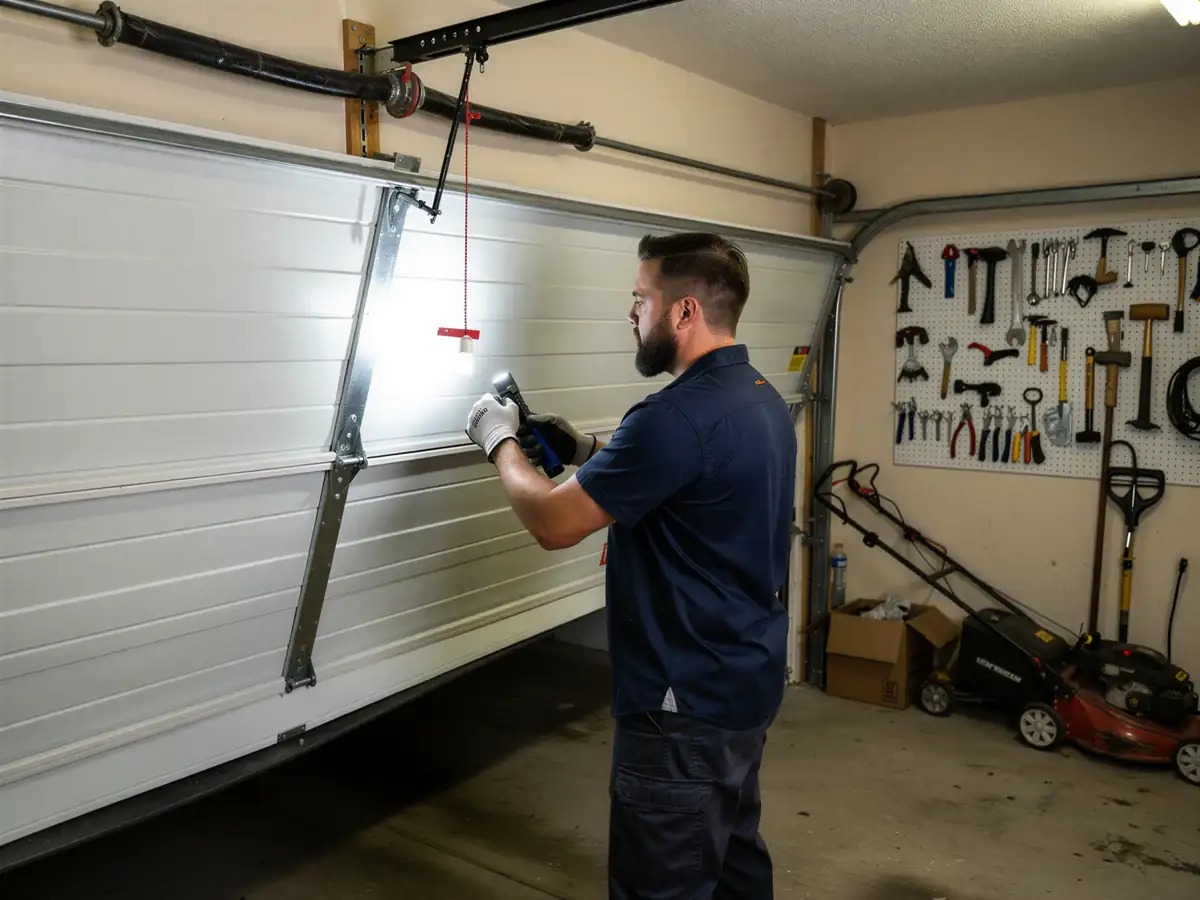
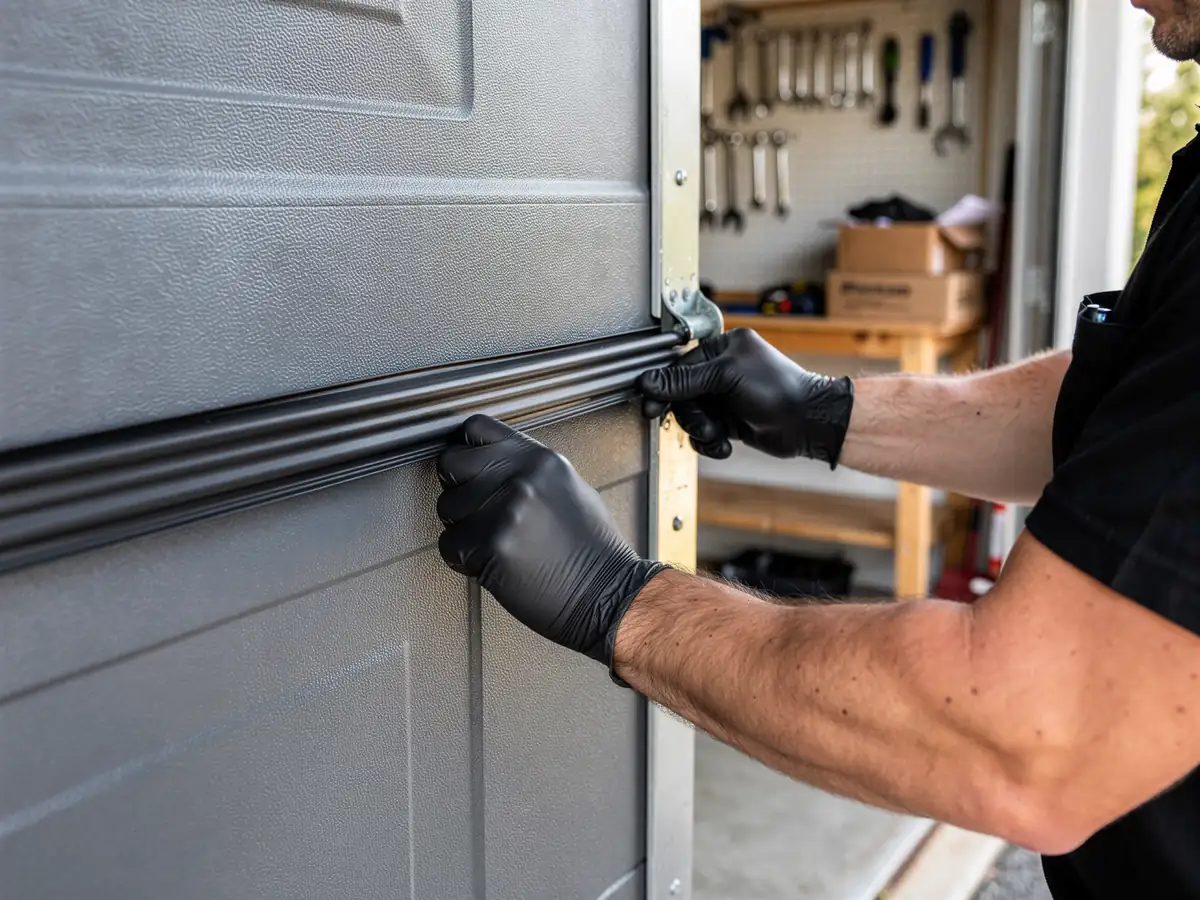
For a door off its track, we check the track alignment and the rollers before we touch anything else; forcing a bent track back into place without checking for a worn roller usually just means a repeat call in a few months. Frayed or snapped cables get replaced in pairs on double doors for the same balance reason as springs.
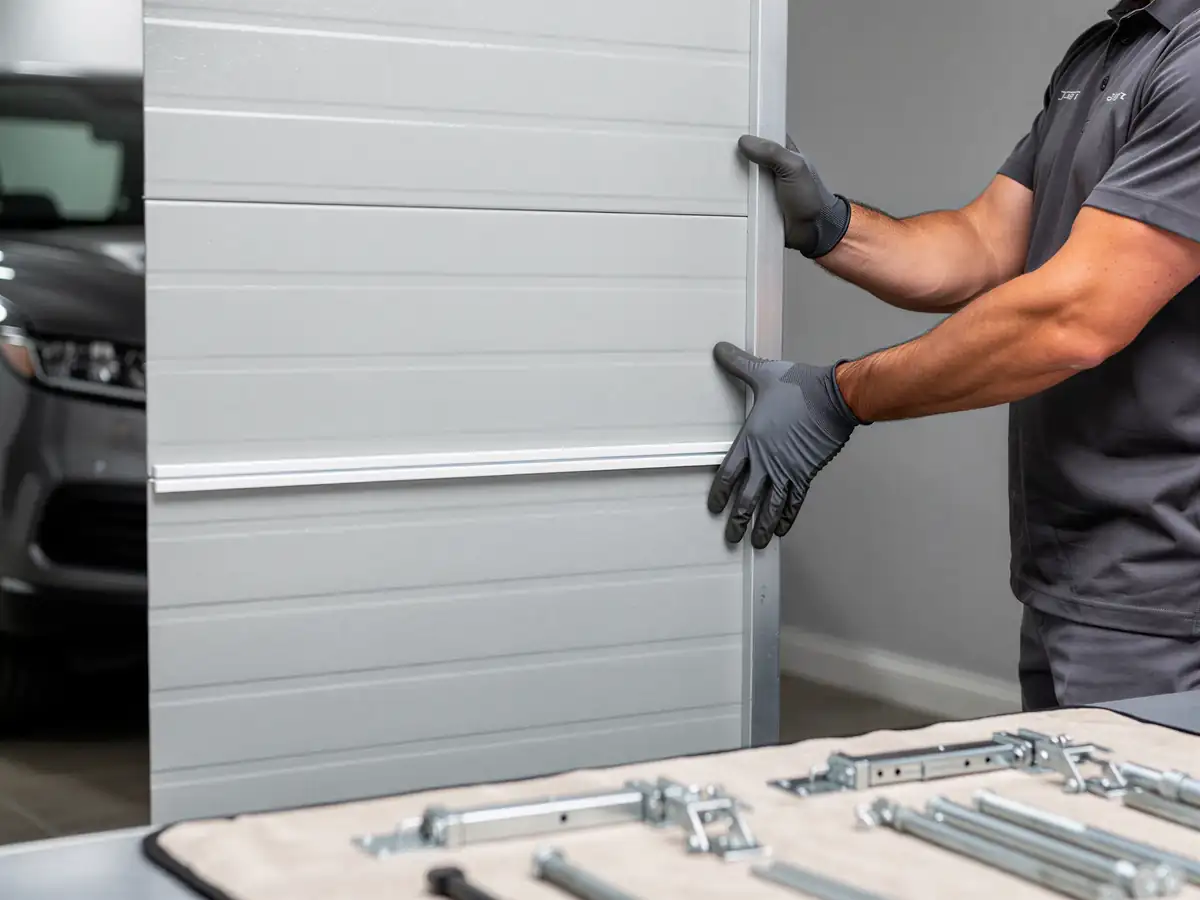
One honest limit: if the door panel itself is dented, delaminated, or the bottom section has rotted out from water sitting in the track - which happens on older sectional doors - we'll tell you replacement is the better money, not another repair. Patching a failing panel to save it short-term usually costs more over two years than swapping the section or the whole door once.