What Local Conditions Do
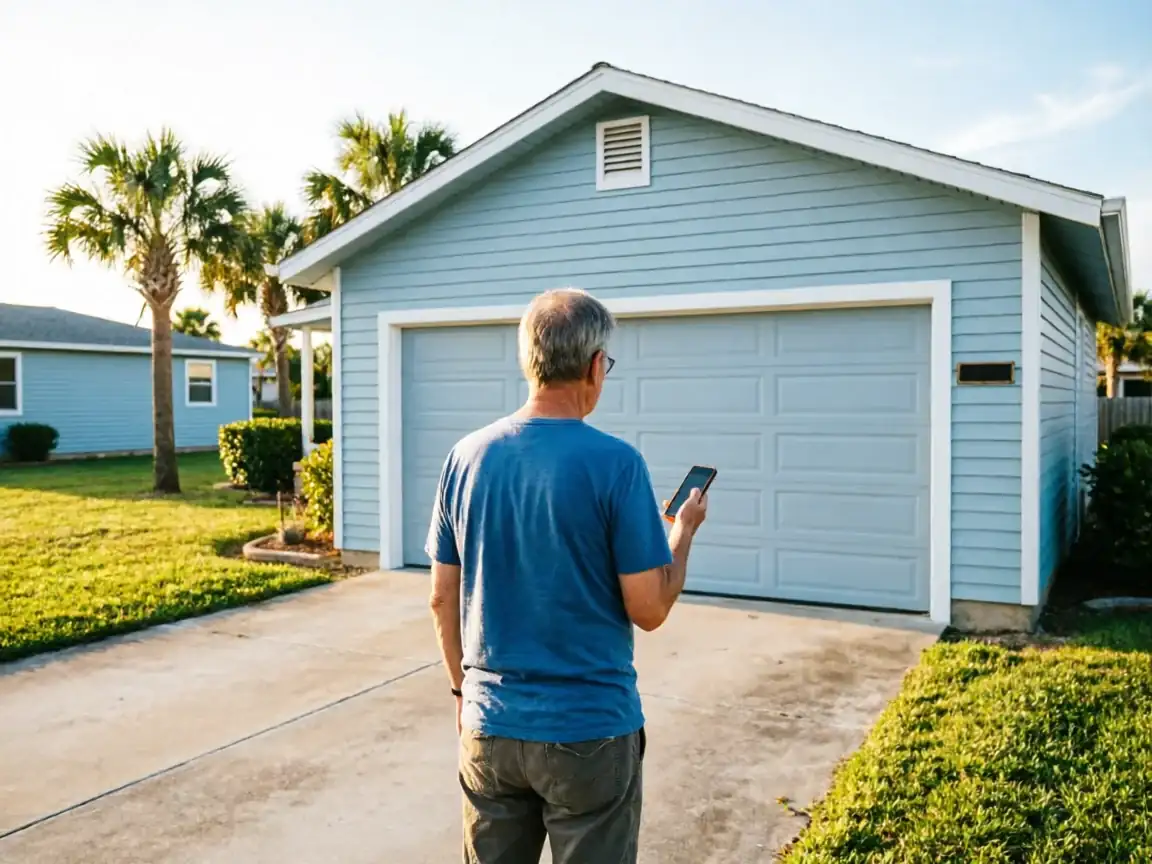
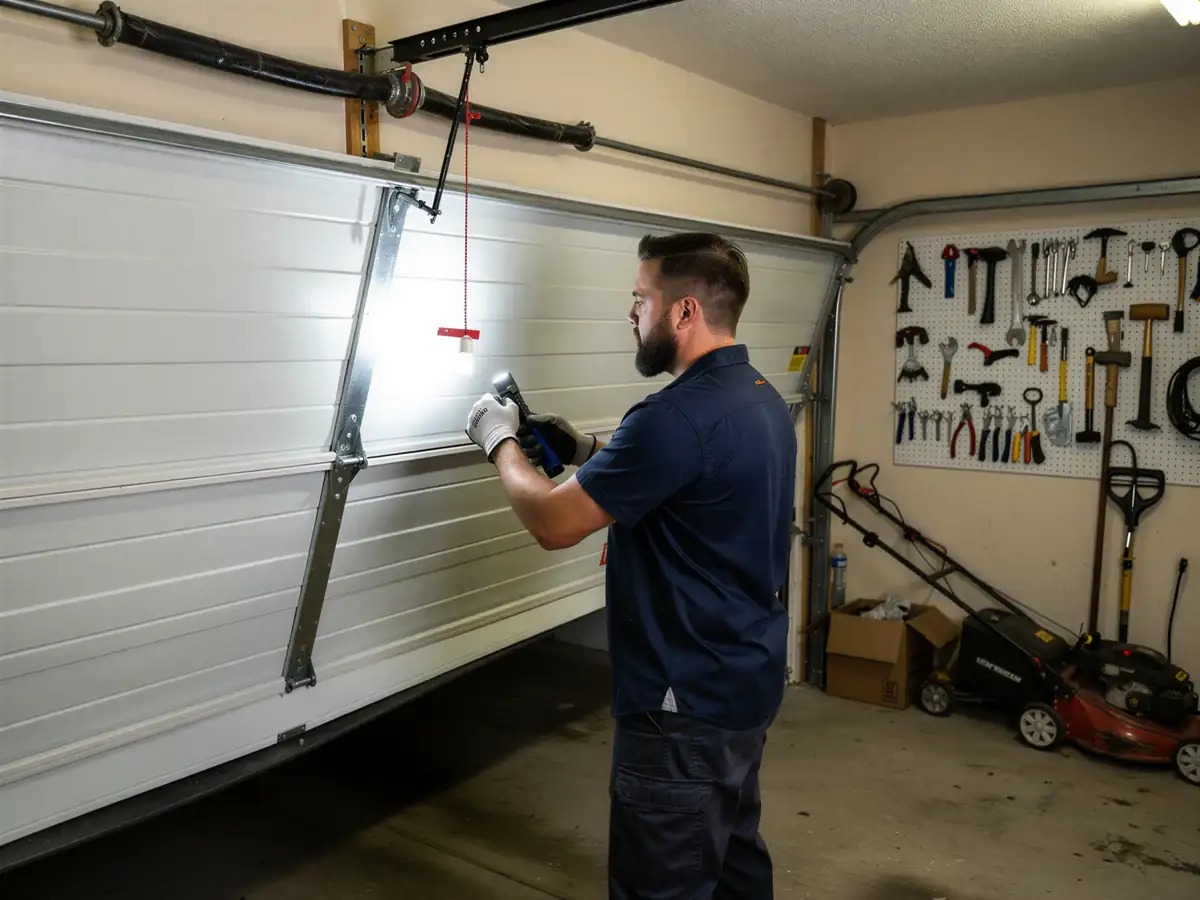
Most houses in this part of Broward County went up between 1968 and 2005, with the heaviest concentration from the 1960s and 70s building wave spread across the area's 17 named sections. That matters for noise because a door that's original or close to it has been cycling on the same hardware for forty-plus years, and Coral Springs runs a mild temperate climate - no freeze-thaw, no ice jamming a track. What we deal with instead is humidity and salt-heavy air working steadily on steel: rollers dry out and go oval, hinges pit, torsion springs lose temper faster than a catalog spec sheet admits. A grinding sound here almost never means frozen grease. It means a roller wheel that's worn flat on one side from years of rolling true, then not. A rhythmic thump every few feet usually tracks to a bent track section or a hinge that's finally given up holding its pin tight. None of this is about cold. It's about time and moisture doing slow, steady work on a door that was never built to last sixty years without attention.
What Most People Get Wrong
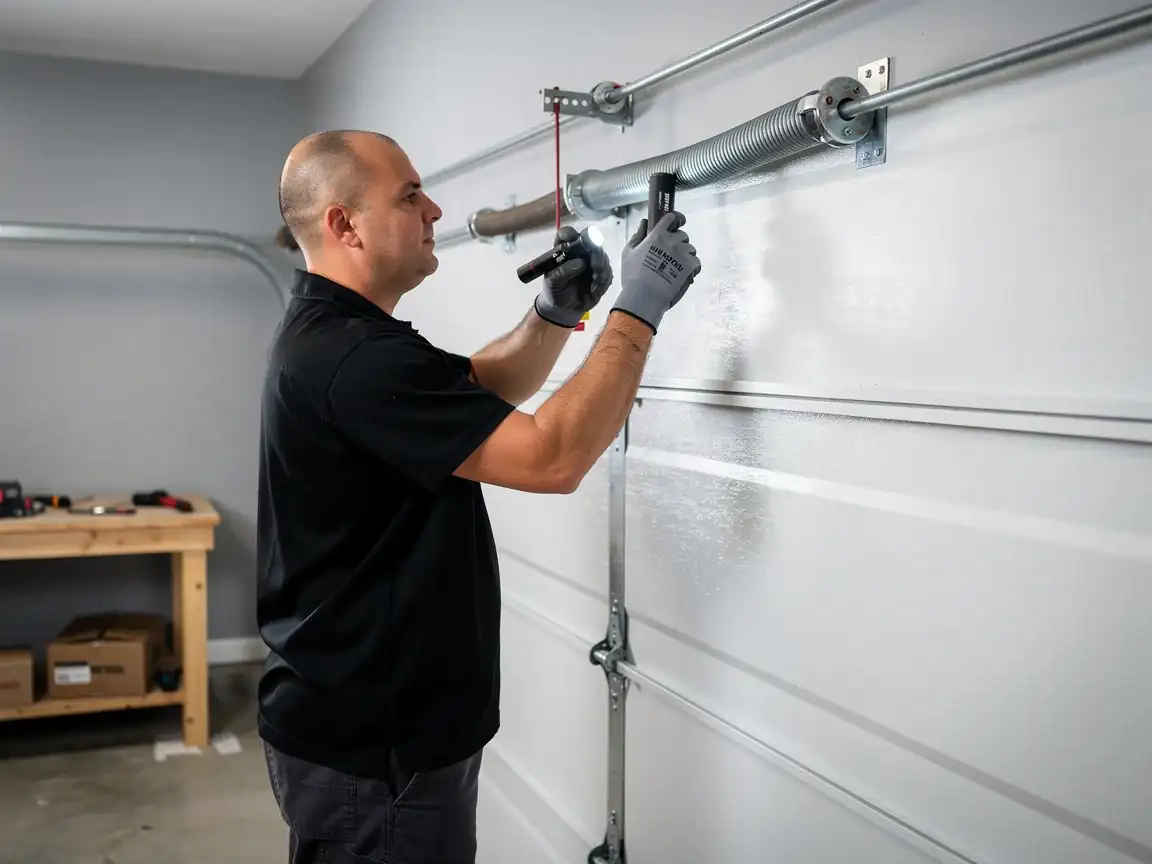
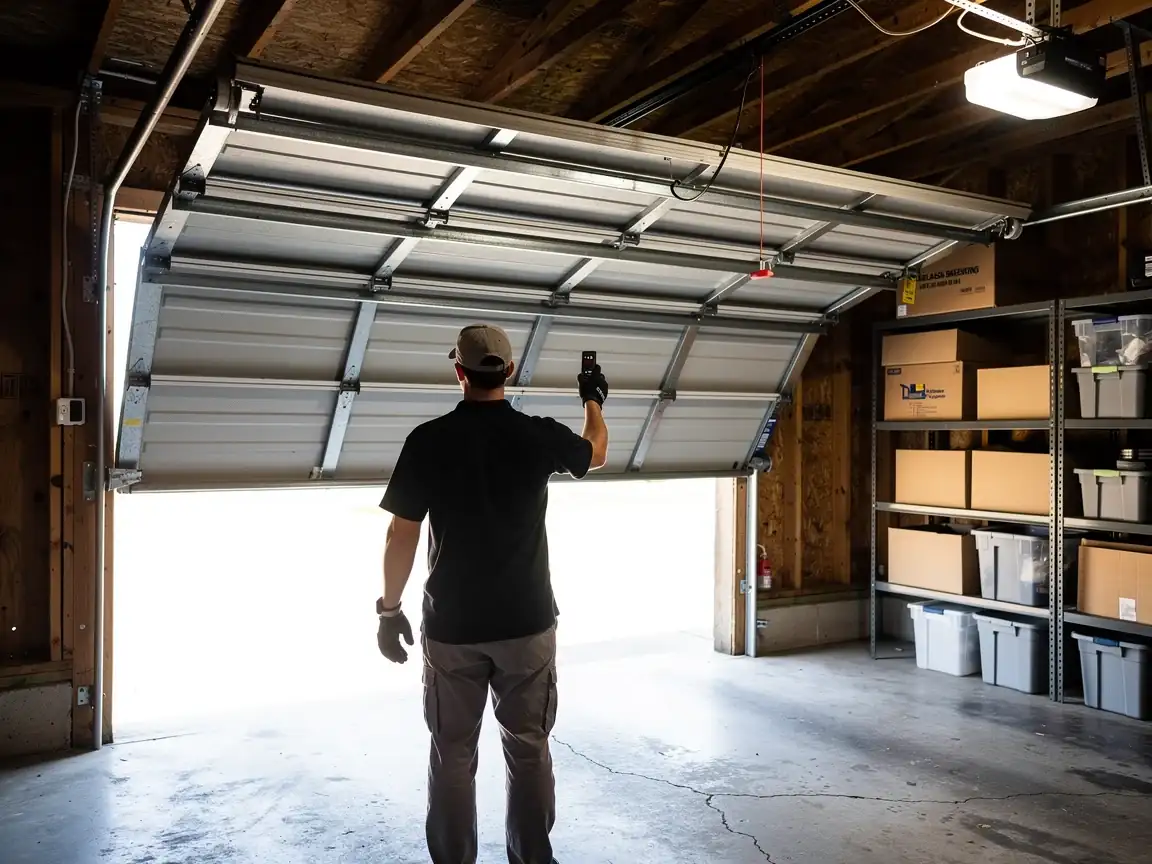
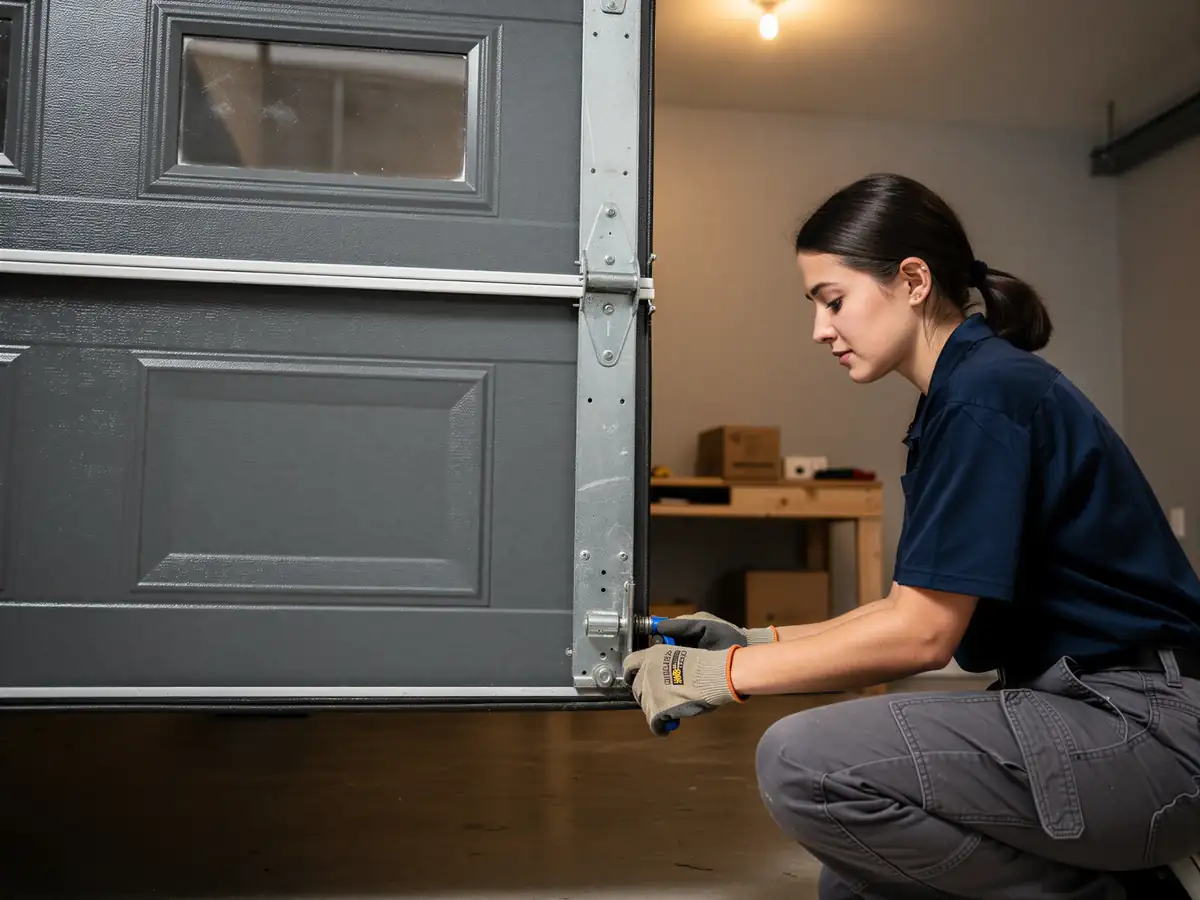
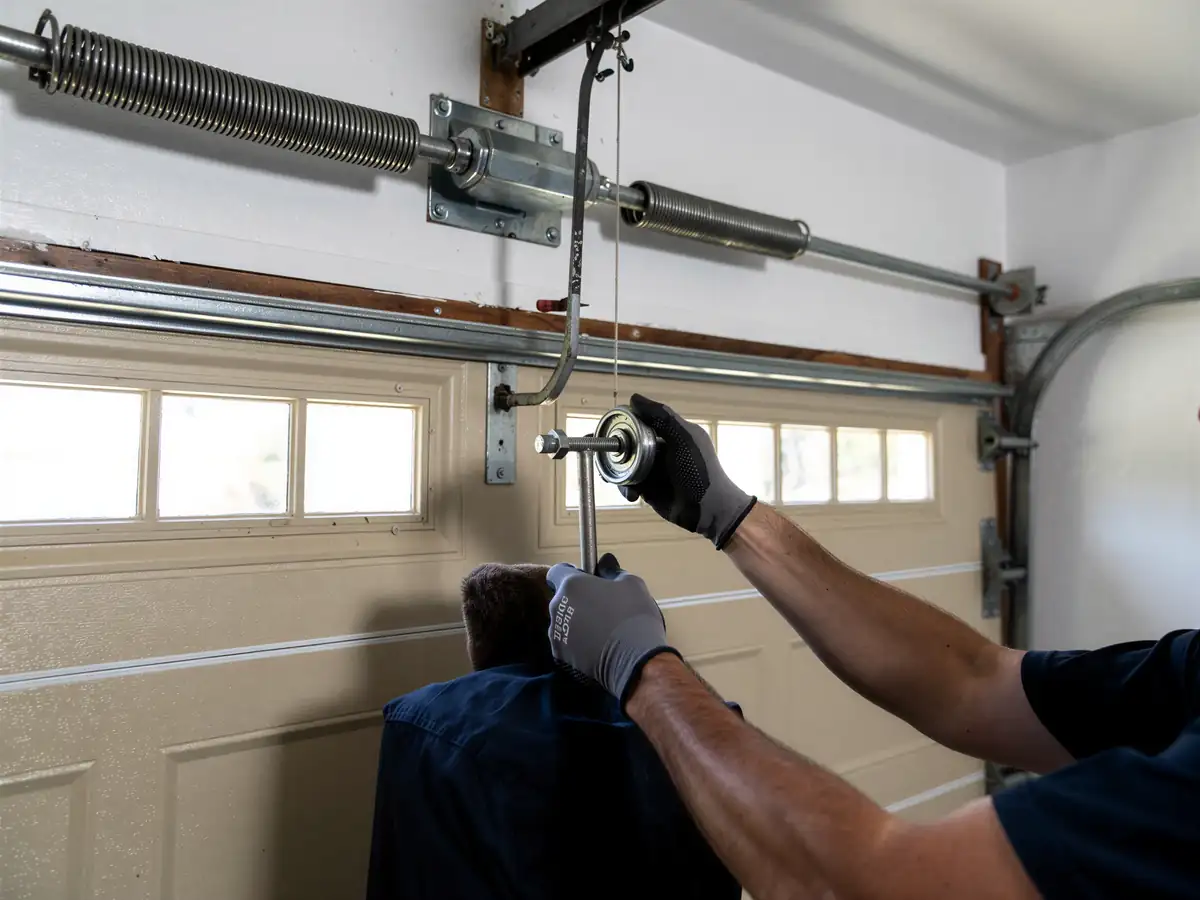
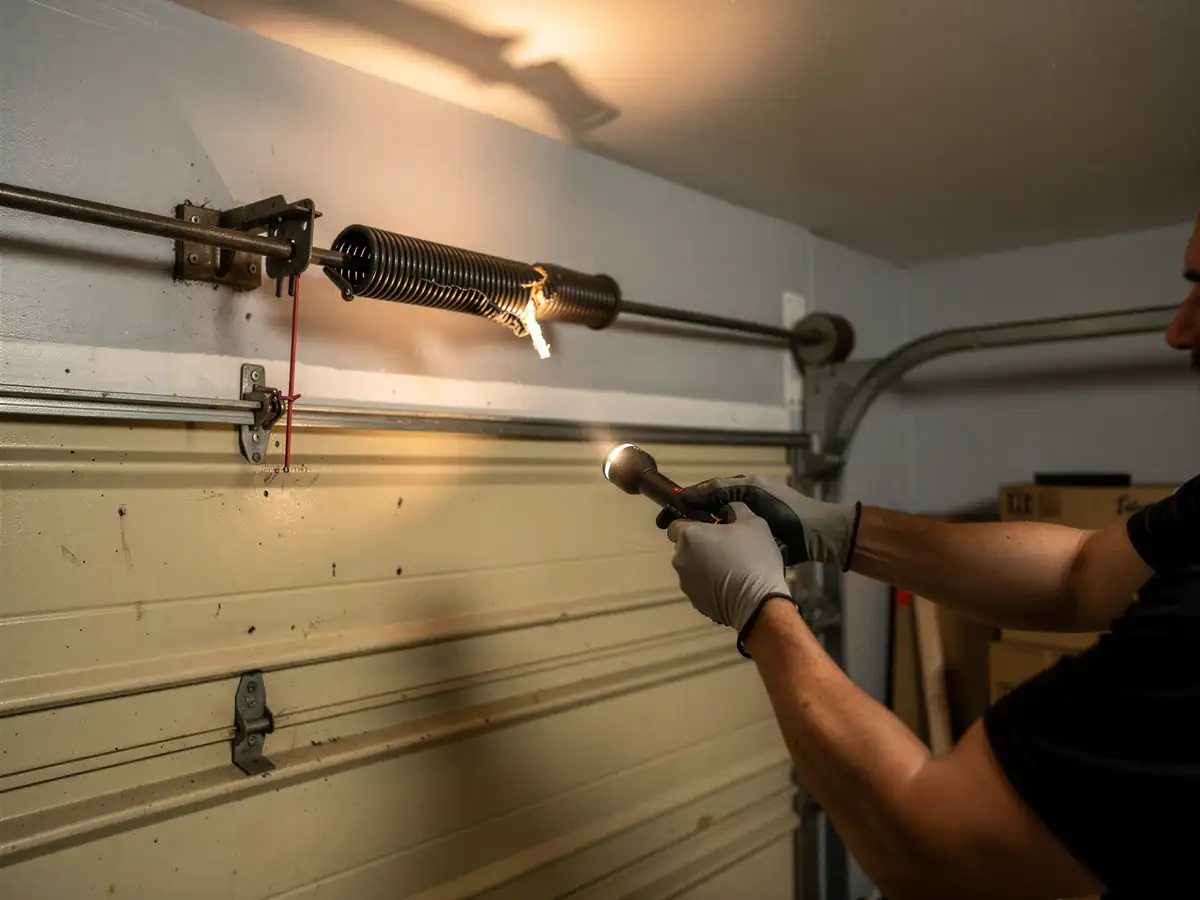
The most common mistake is assuming a loud door needs a new opener. In a lot of the housing stock here - built mid-70s through the 90s - the opener motor is often the newest part on the whole assembly, replaced once already, while the springs, drums, and track hardware are original. A screeching sound is almost always metal-on-metal from a roller or hinge, not a motor problem, and swapping the opener does nothing for it. The second mistake is ignoring a single loud bang. On a door this age, that bang is frequently a torsion spring reaching the end of its cycle count and failing, not settling or expansion. People wait because the door 'still works' after the bang - it does, right up until the second cable gives out or the door drops on a track with no spring tension left to hold it. The third mistake, specific to houses built before the 2000s, is lubricating a noisy opener chain or screw drive and calling it fixed. That quiets things for a week or two. It doesn't address a roller bearing that's actually seized, which is what caused the noise in the first place.
The Situation
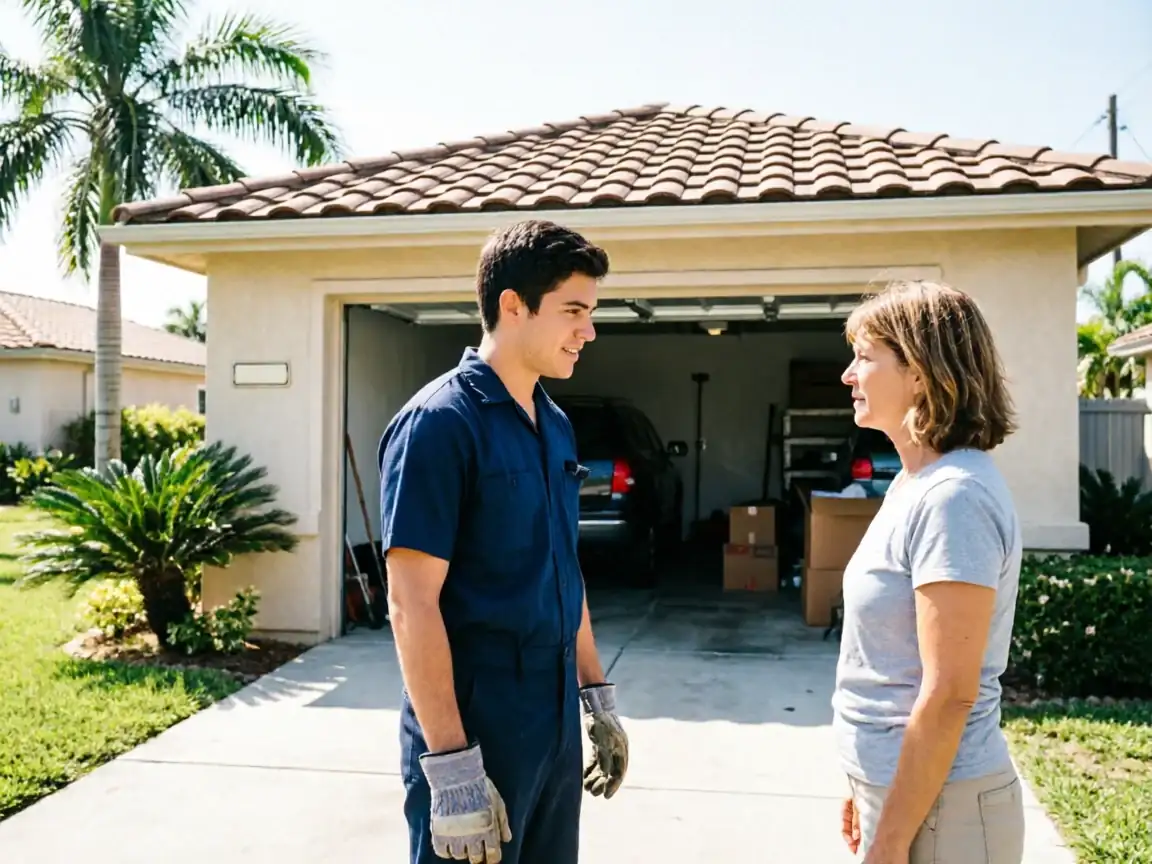
We work out of Coral Springs and cover the surrounding area, including Margate about three miles out, Parkland at four, and Tamarac and North Lauderdale around five. Across that service footprint there are roughly 232,020 households and about 65,707 owner-occupied houses, and a large share of them share the same build era - which means a lot of the doors we hear from make the same handful of sounds for the same handful of reasons. If your door is grinding, slapping, or banged once and now runs quiet but stiff, that's not background noise to live with. It's a part telling you how close it is to failing, and on hardware this old, failing usually means sooner rather than later.