The Symptom
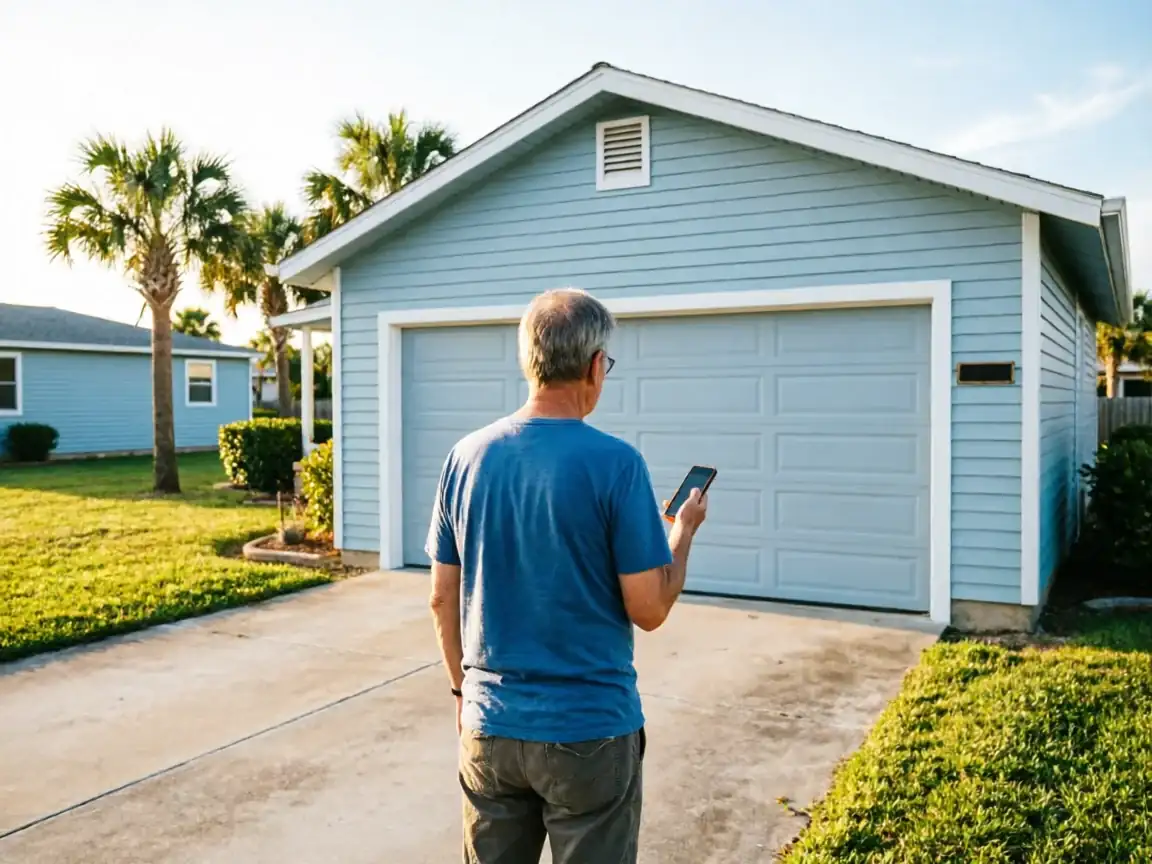
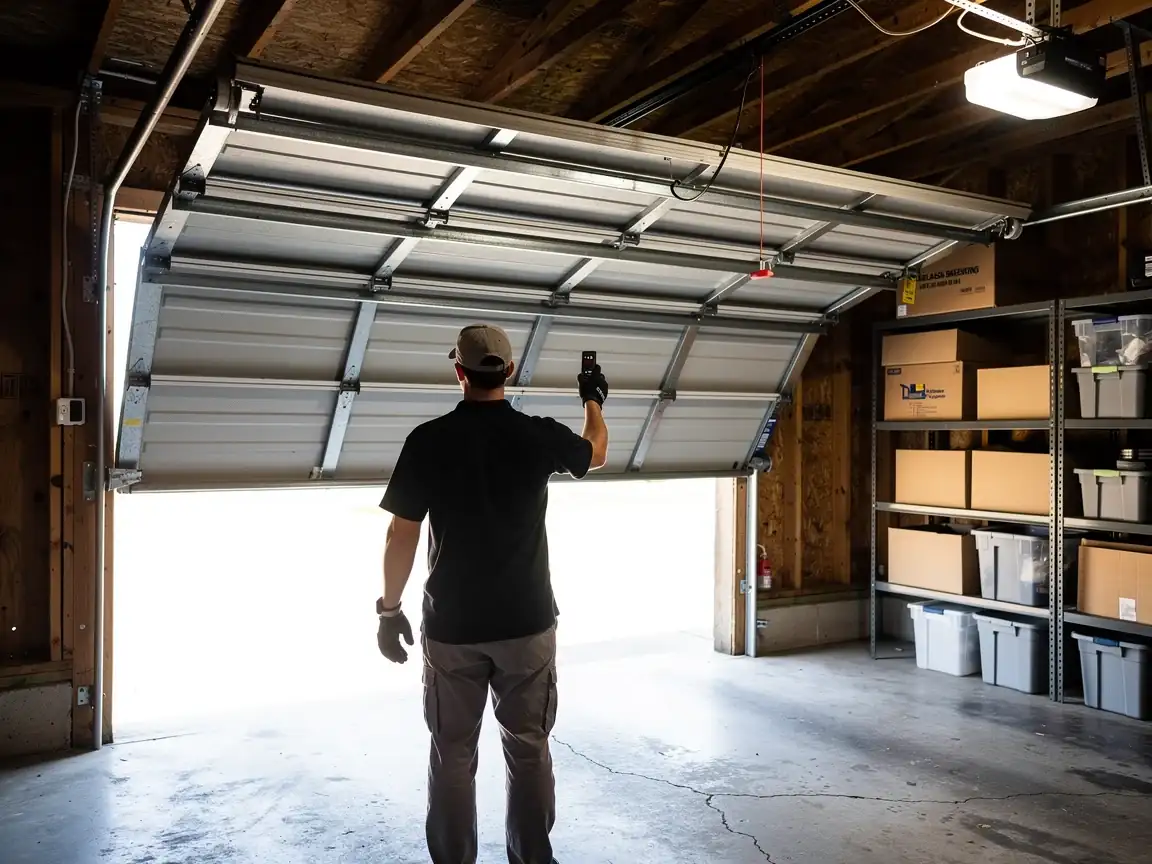
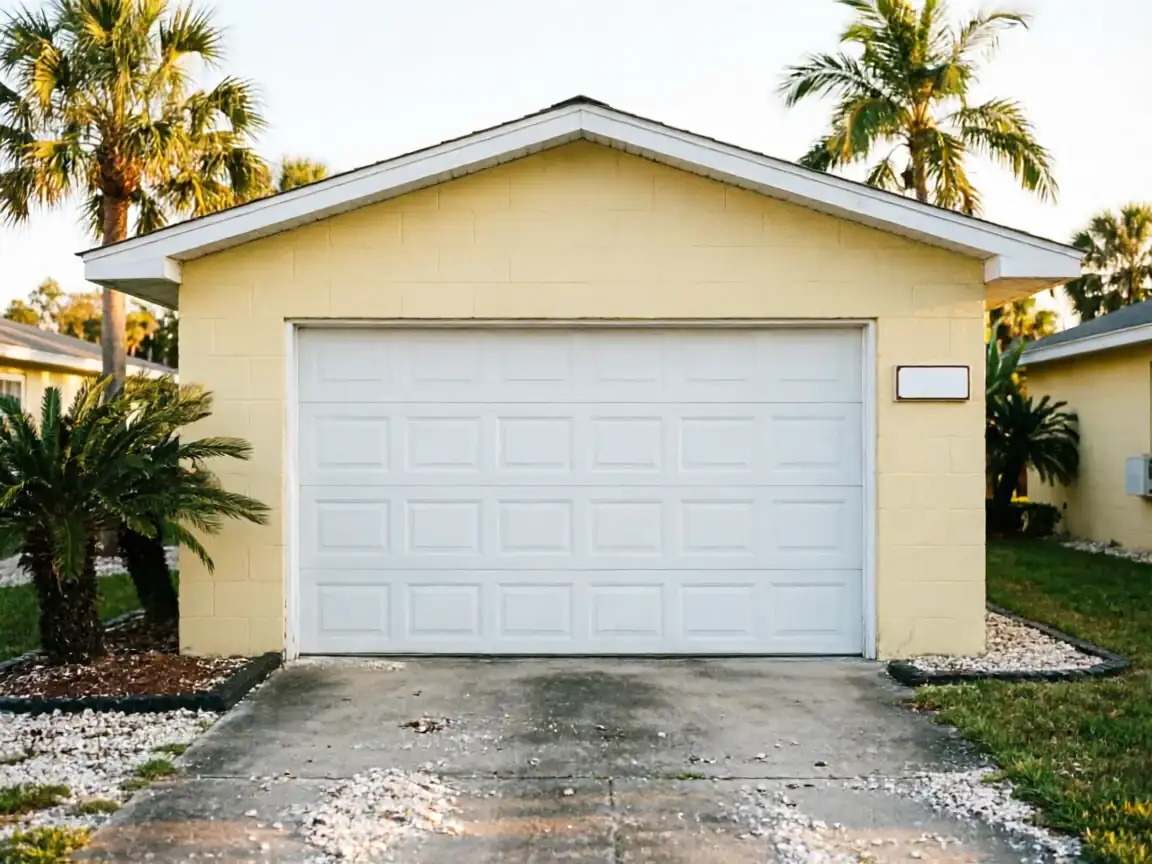
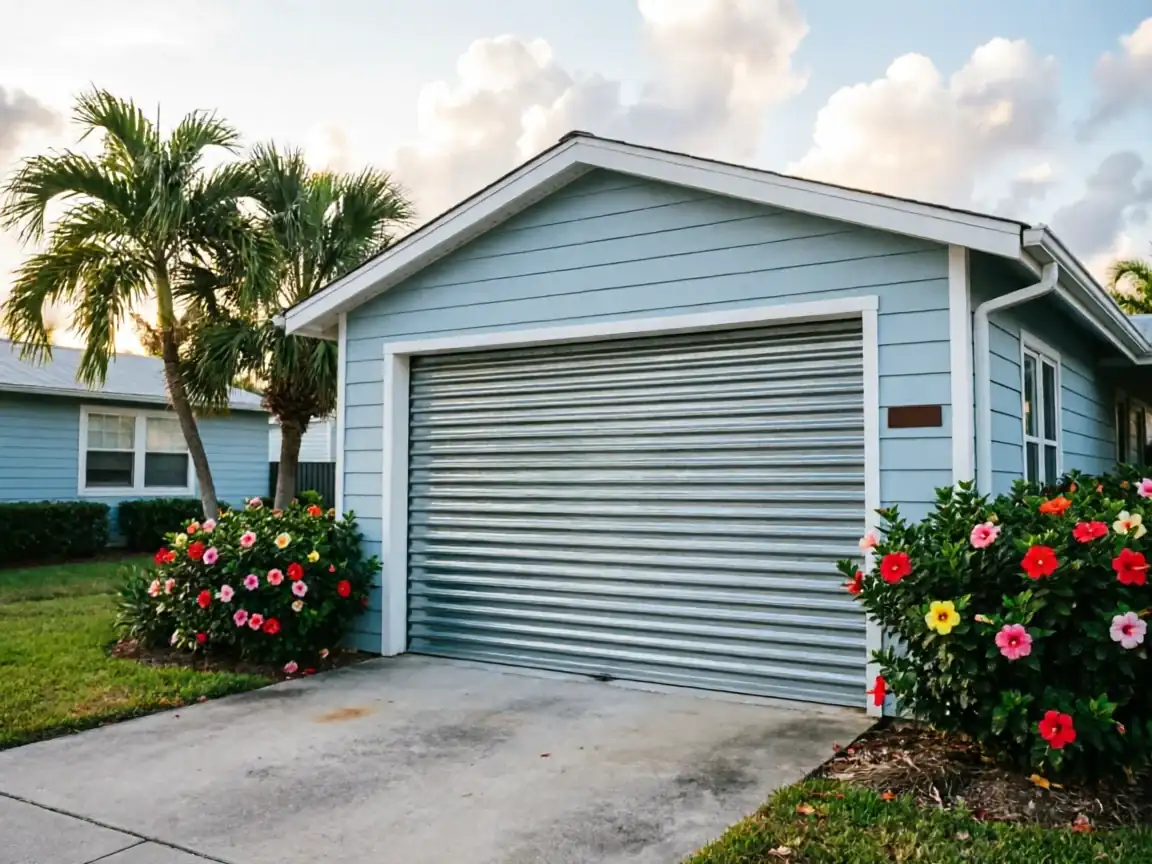
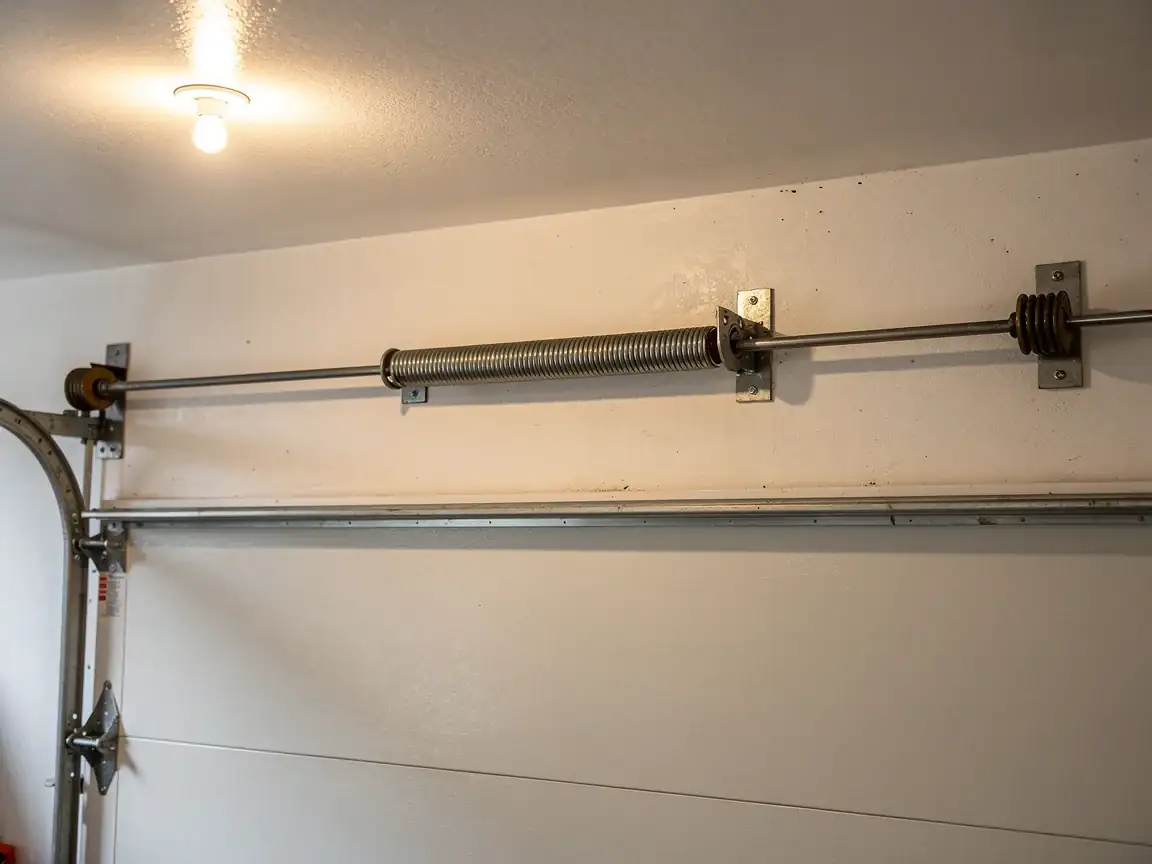
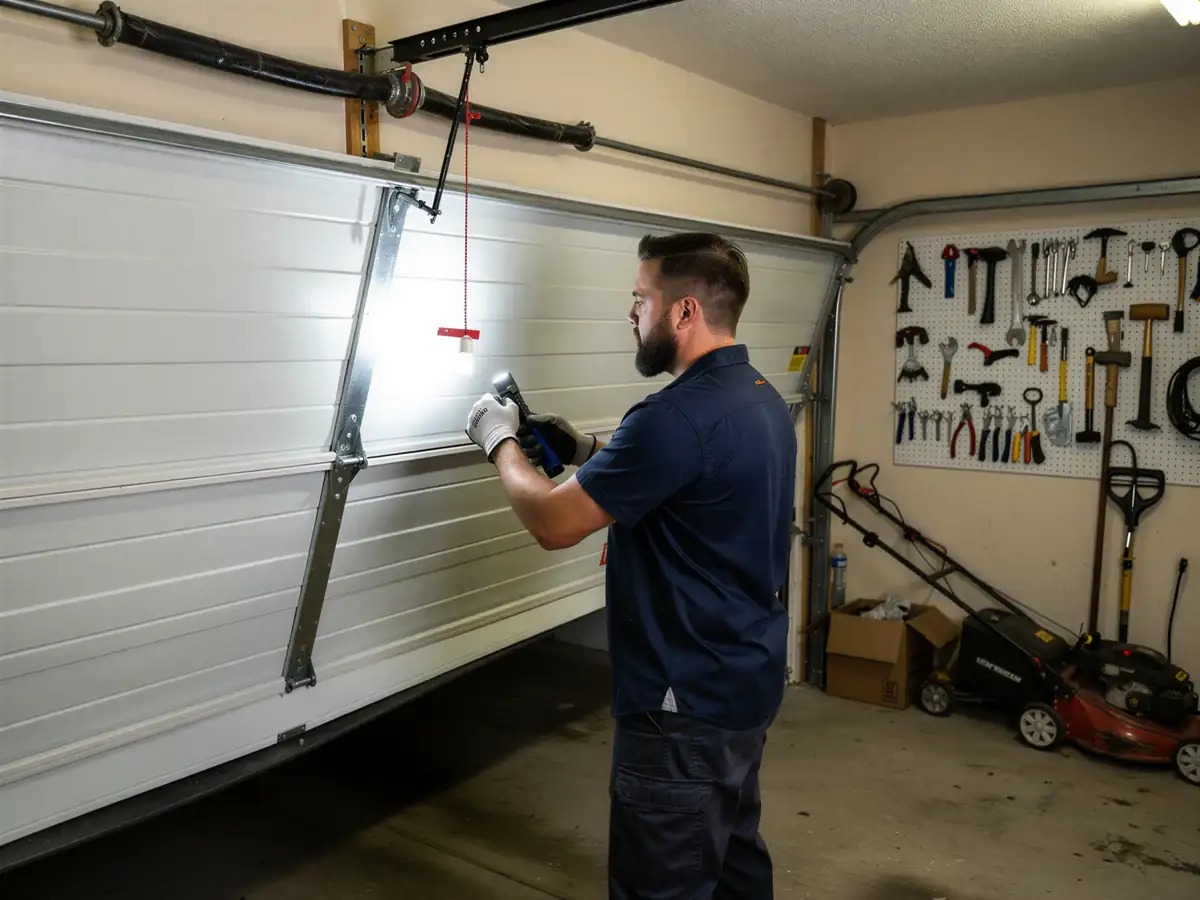
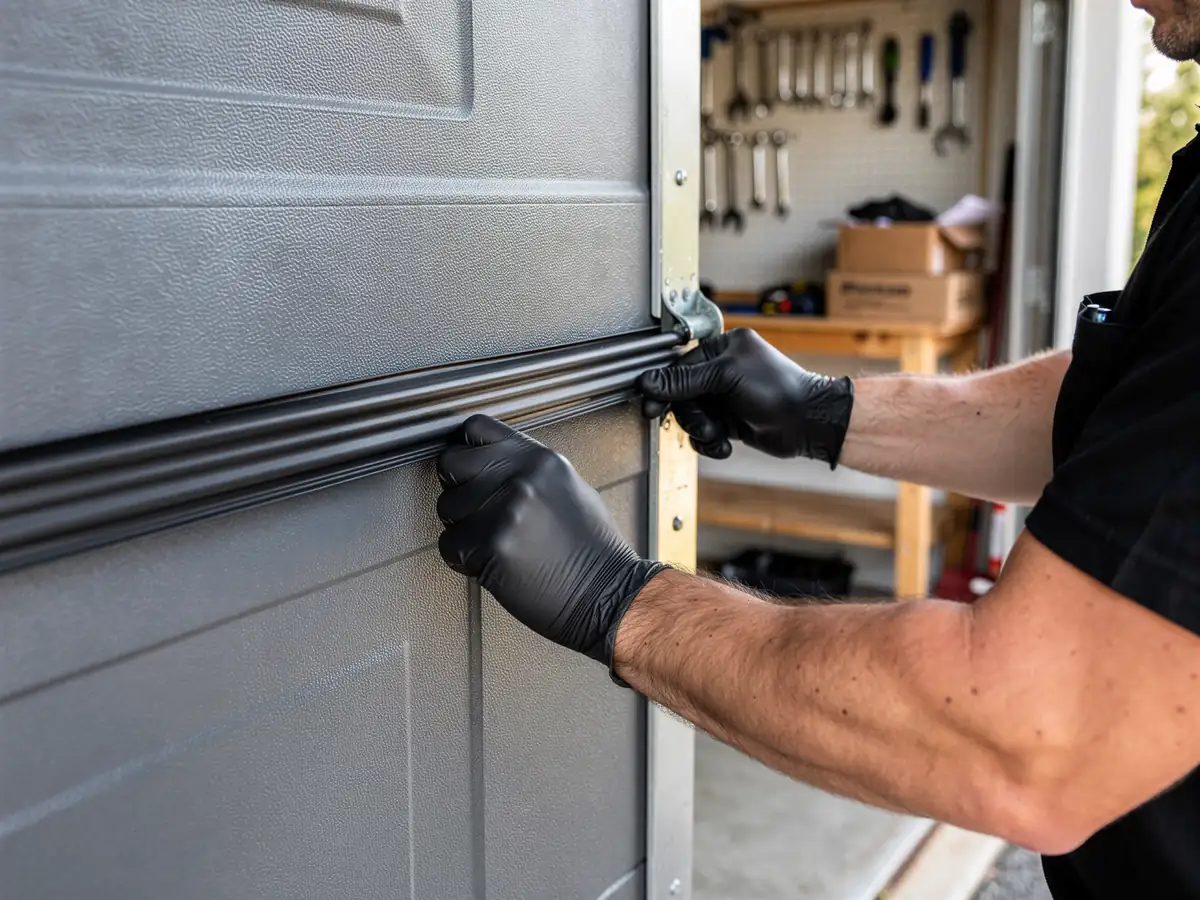
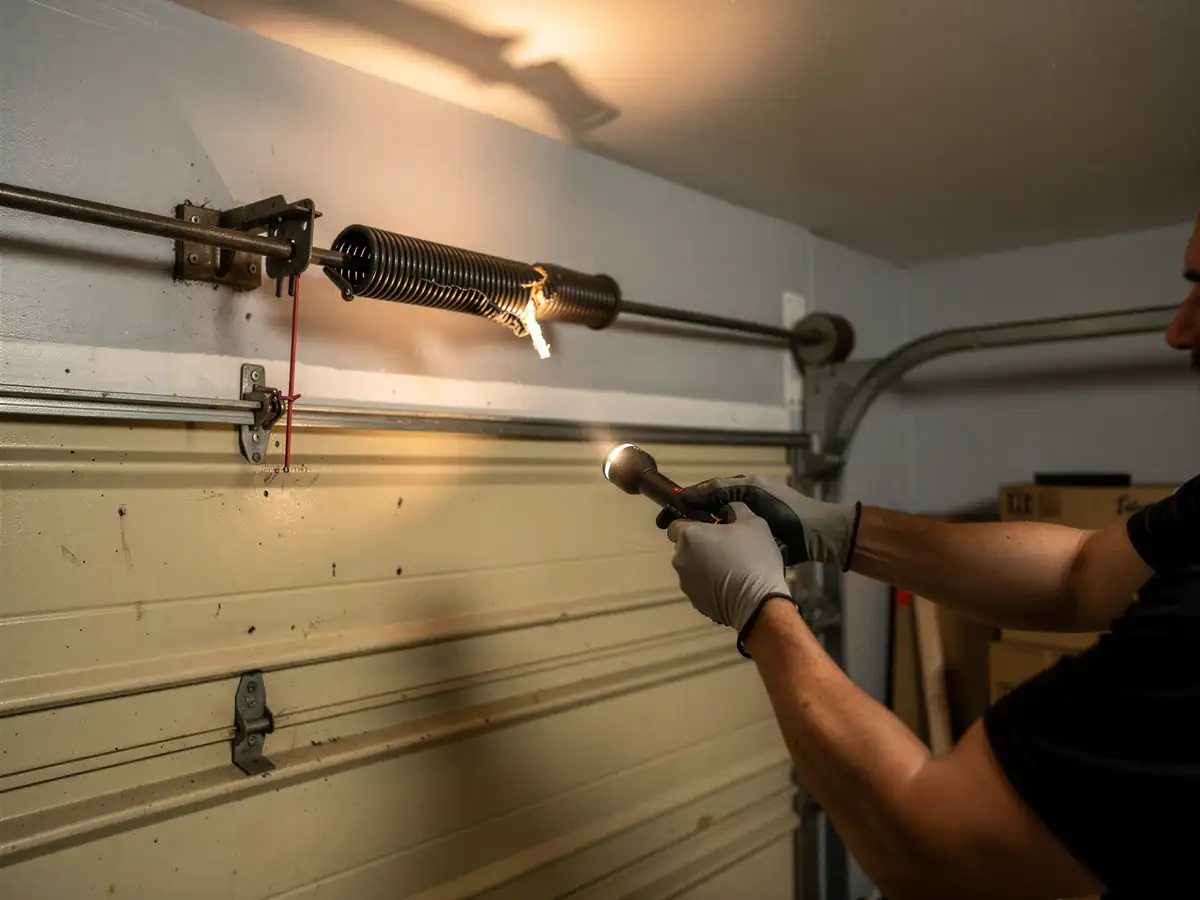
You've probably noticed it before you called anyone: the door hesitates halfway up, the opener strains and clicks instead of lifting, or a bottom panel has started to bow and crack along the seam. Sometimes it's simpler than that - the door just looks tired, the paint chalking, the weatherstrip gone brittle and peeling off the bottom edge. None of that is a one-part fix. When the track is bent, the panels are delaminating, and the springs are original to the house, patching one piece just moves the failure point to the next weakest part. Most houses in Coral Springs went up between 1968 and 2005, with a median year of 1977, so a lot of original garage doors are pushing fifty years old. At that age the steel skins have usually outlived their coating, the rollers are worn oval instead of round, and the opener - if it's even the first one - is a single-horsepower chain unit never rated for a door this heavy. Repair calls on doors like this often turn into installation quotes on the spot, because there's nothing left worth saving.
How to Book
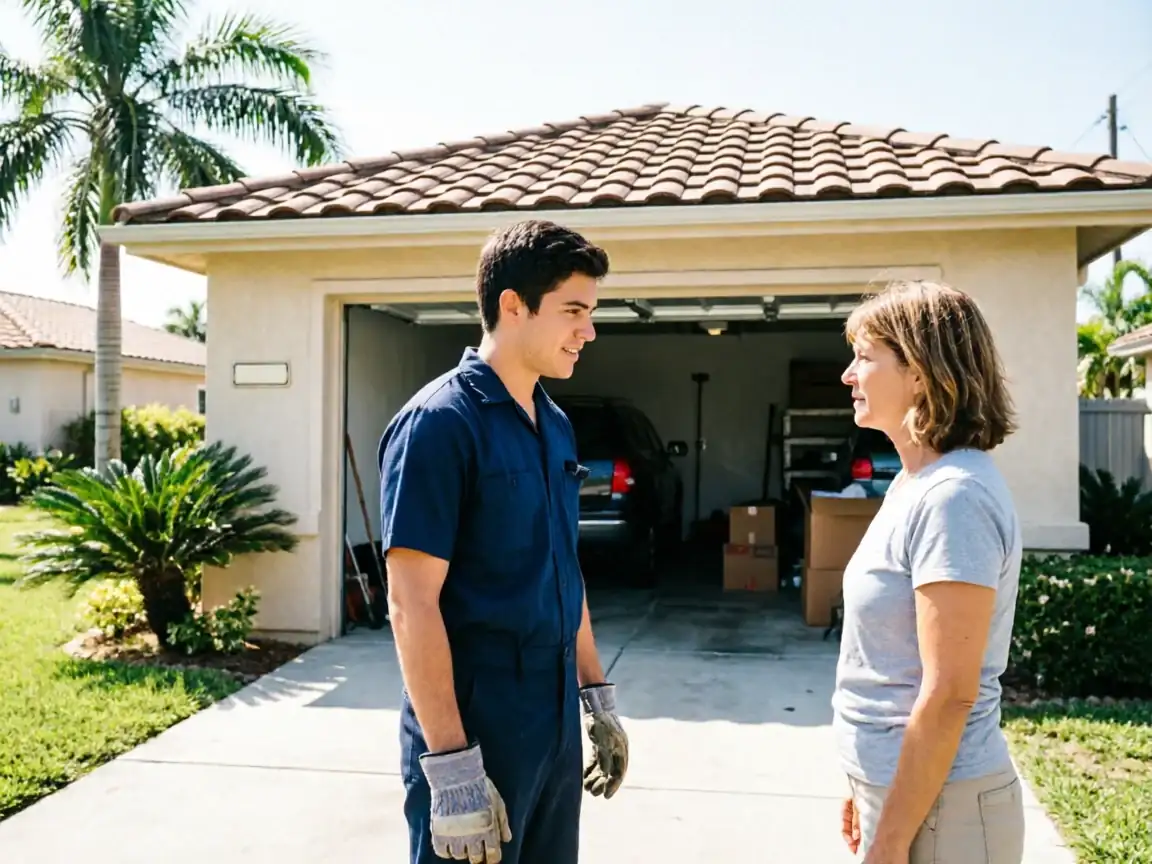
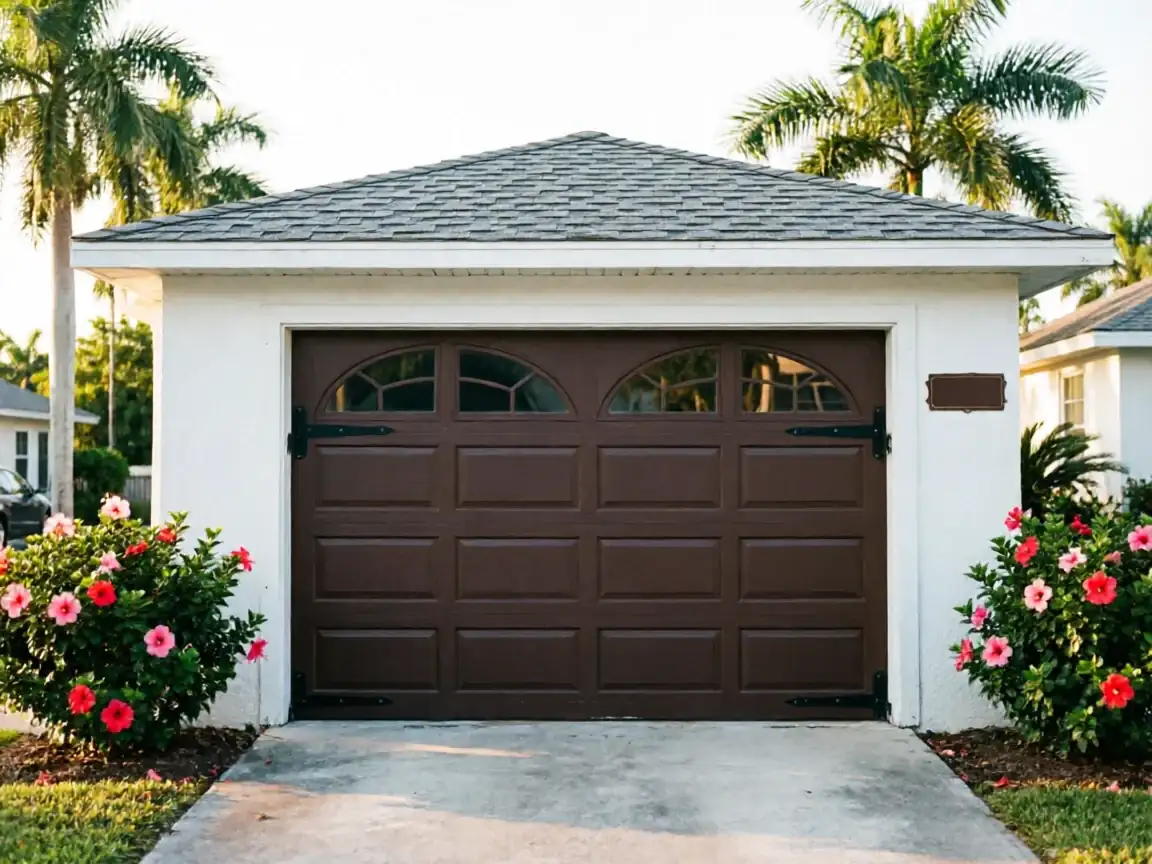
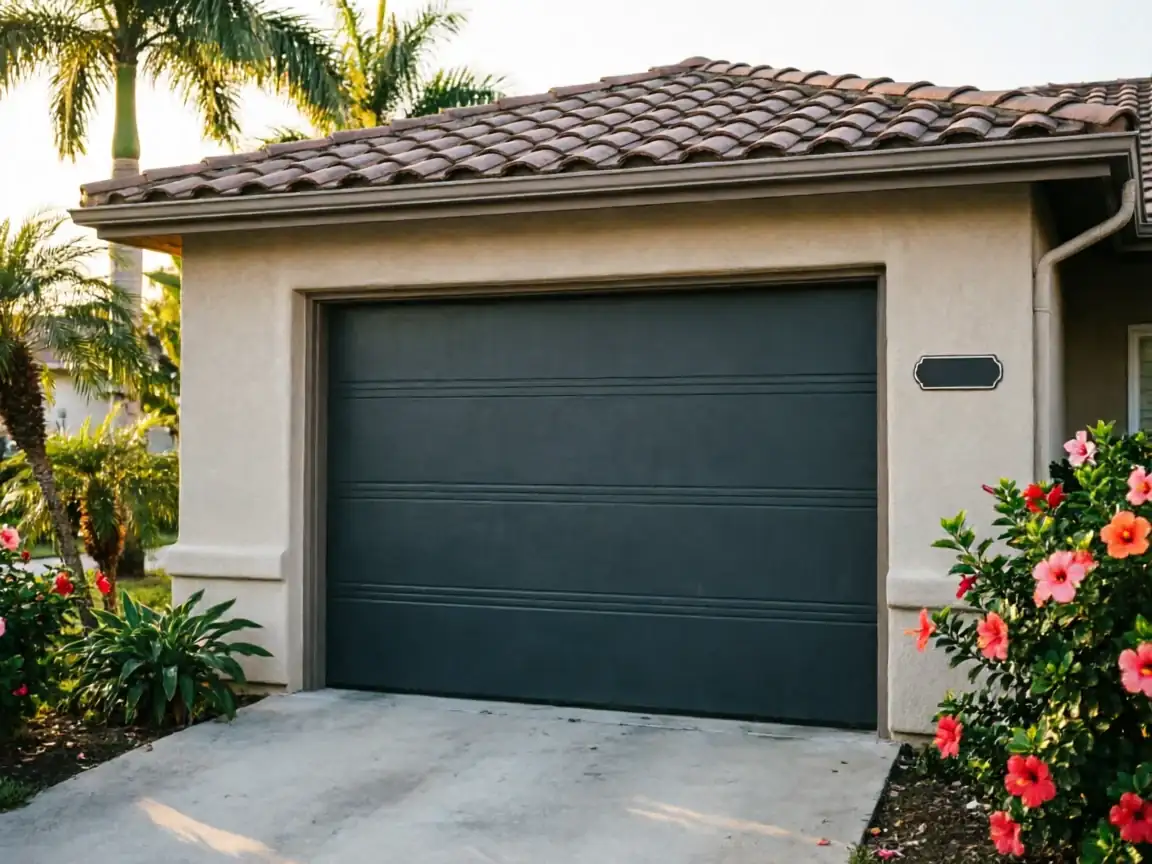
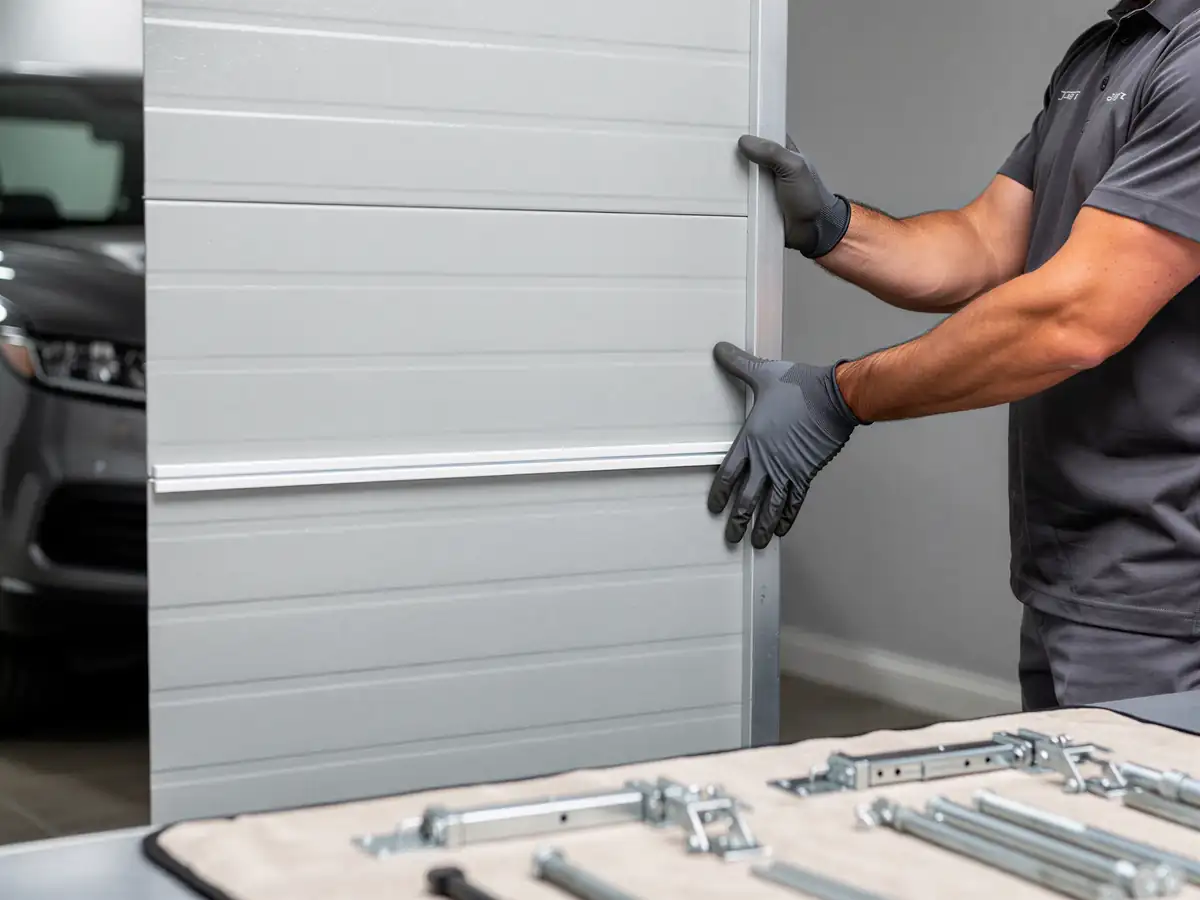
Start on our home page and tell us what the door is doing - won't open past halfway, grinding noise, visible rust at the bottom panel, whatever you're seeing. We'll ask for the rough size (single or double bay) and whether you want insulated steel, since that changes what we bring on the truck. If your current opener is still under ten years old and in decent shape, we can often reuse it with the new door rather than replacing both, which keeps the job smaller. One limitation worth saying up front: if you want a specific panel style or color match to an existing door on a shared driveway or twin-home setup, that's a special order from the manufacturer and it adds lead time - we won't pretend we can match it same week. Everything else, standard sizes in stock colors, we can usually turn around fast. Call or use the form on the home page and we'll get a time on the calendar.
What the Fix Involves
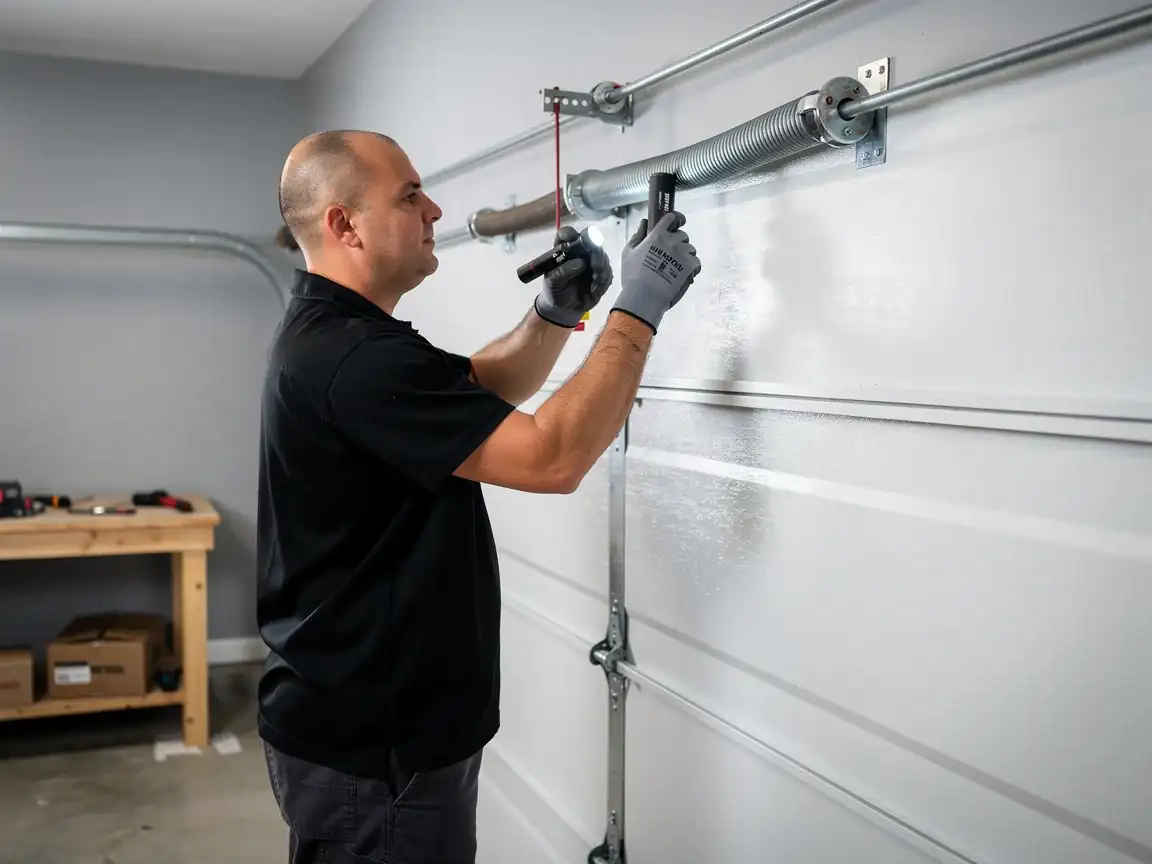
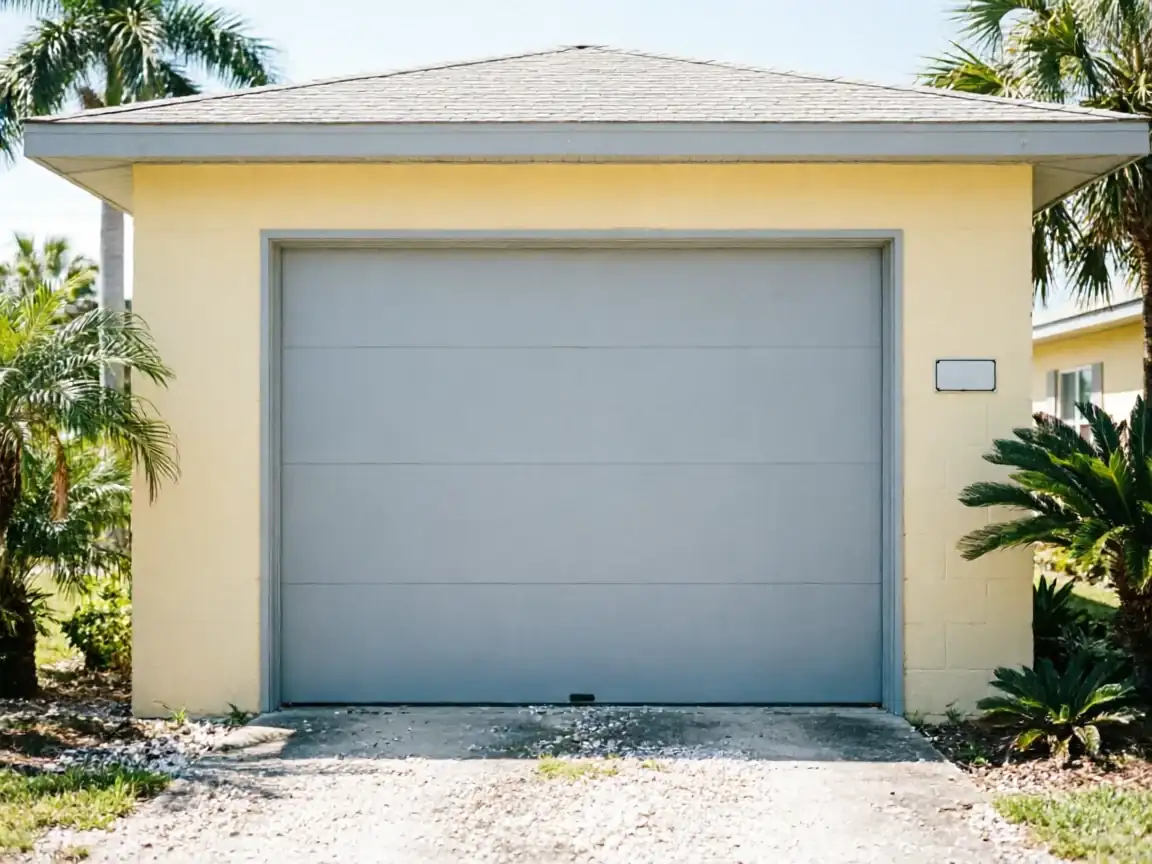
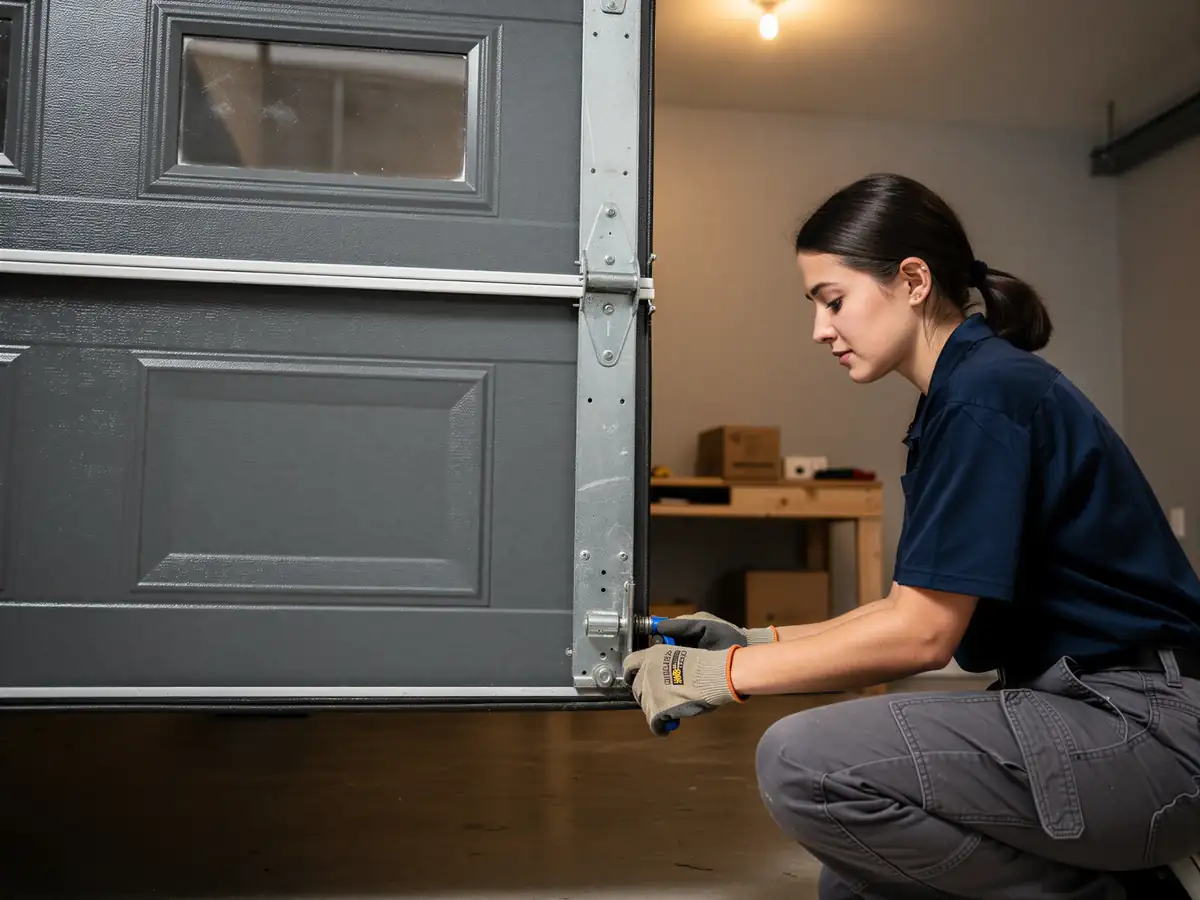
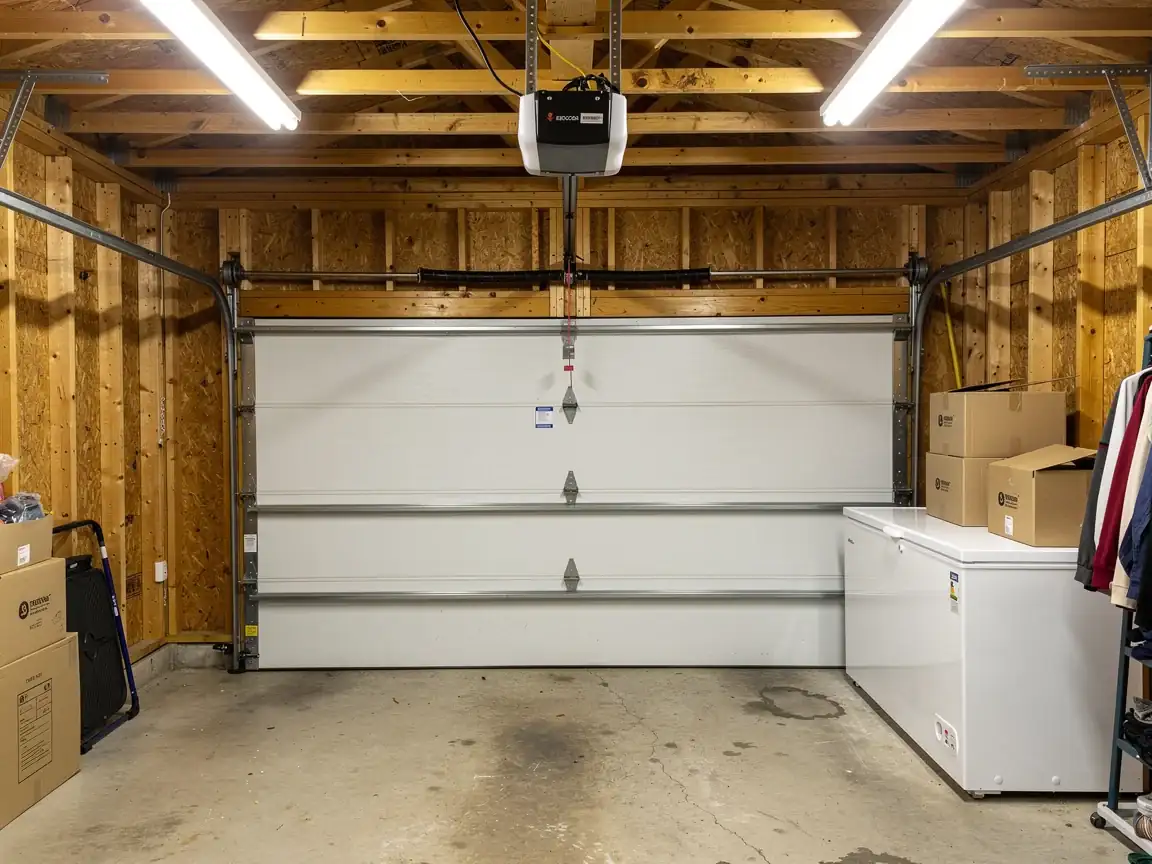
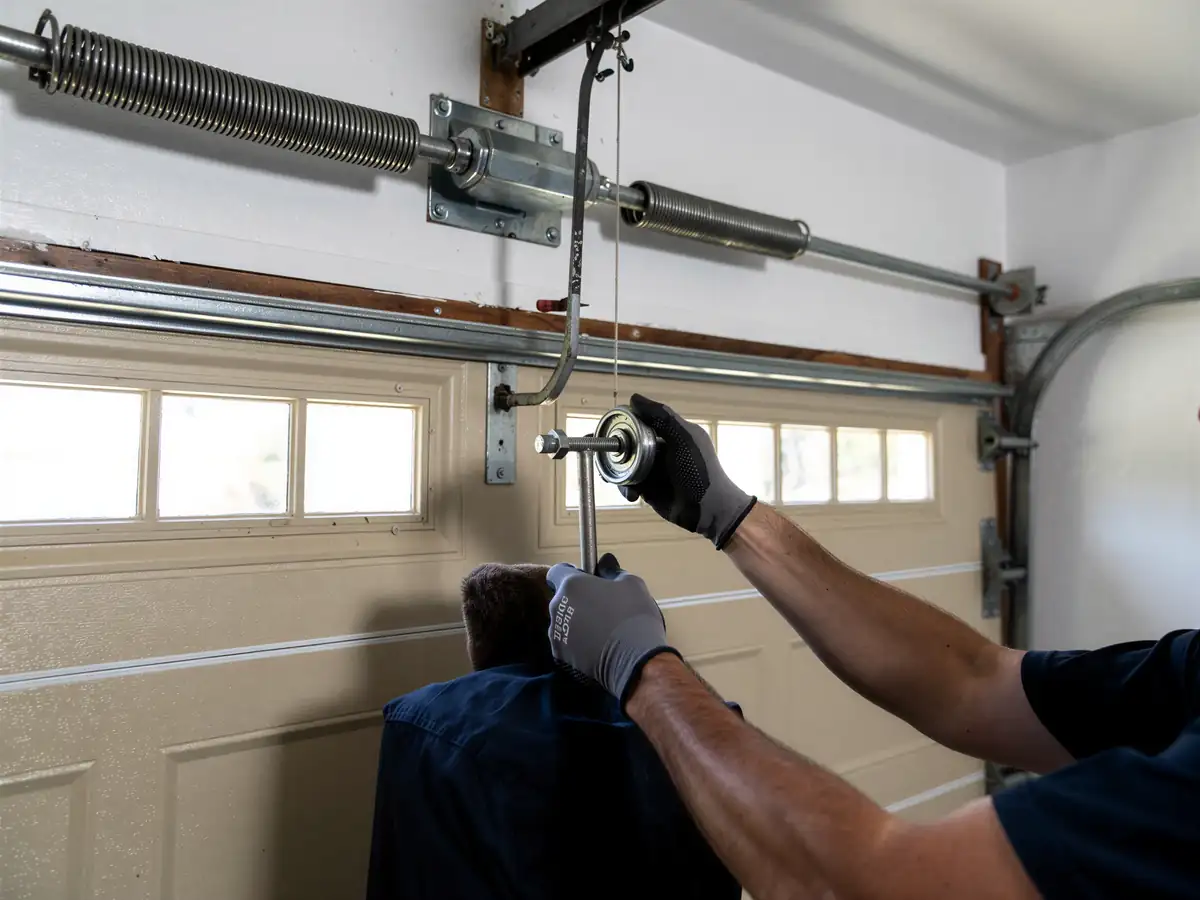
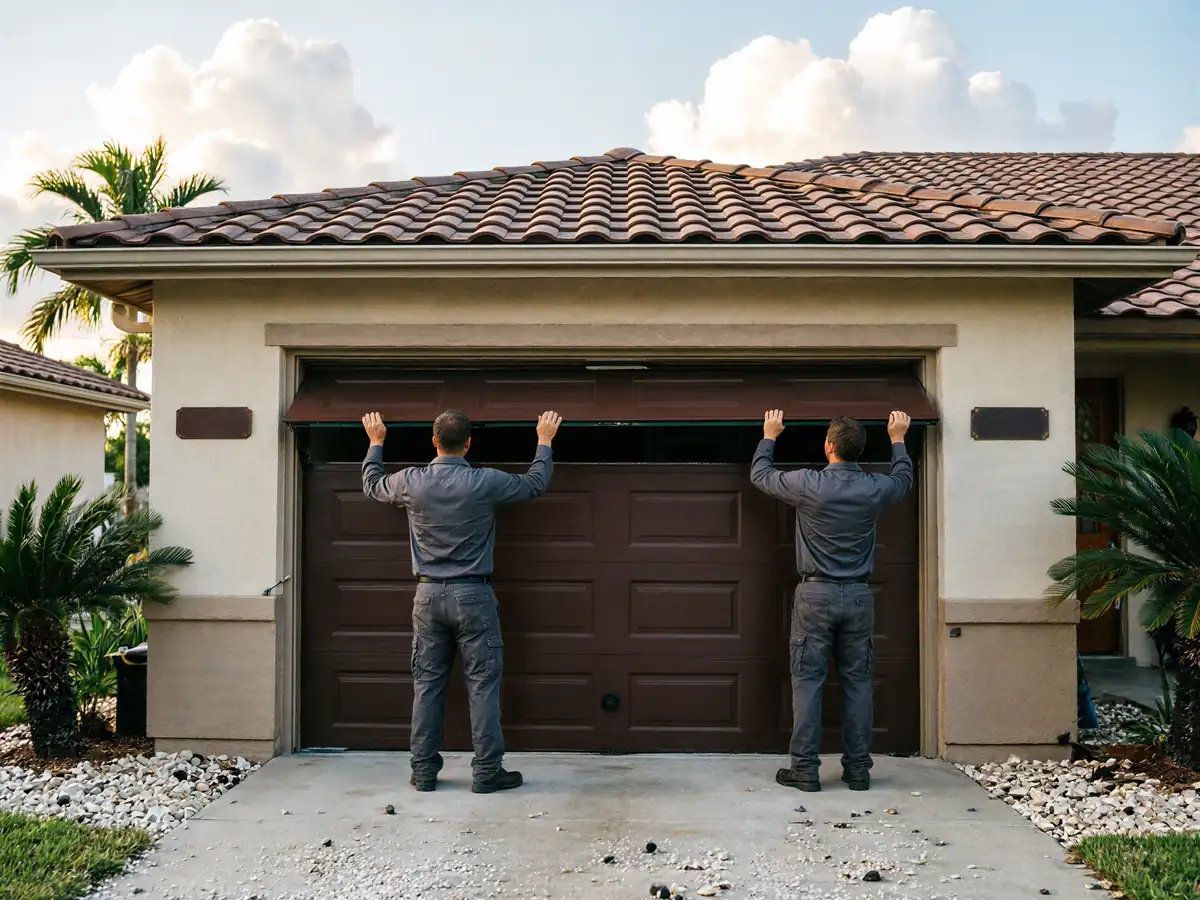
A proper installation starts with pulling the old door and track completely, not working around what's there. We check the header and jamb framing for rot or old fastener damage, since doors from the 1970s wave of construction were often hung with hardware that's since corroded loose. New track gets set plumb, new springs sized to the actual door weight rather than whatever was cheapest in 1977, and the opener - new or reused - gets travel limits and force settings reset from scratch rather than left on old numbers. With a median household income of $68,424 across the service area, most owners here land on a mid-grade insulated steel door rather than the premium wood-look lines, and that's a reasonable call for this climate - insulation helps with the garage's heat load more than it does with cold. We test the balance by hand before the opener ever gets reconnected, because a door that's out of balance will burn out a new motor just as fast as it did the old one.