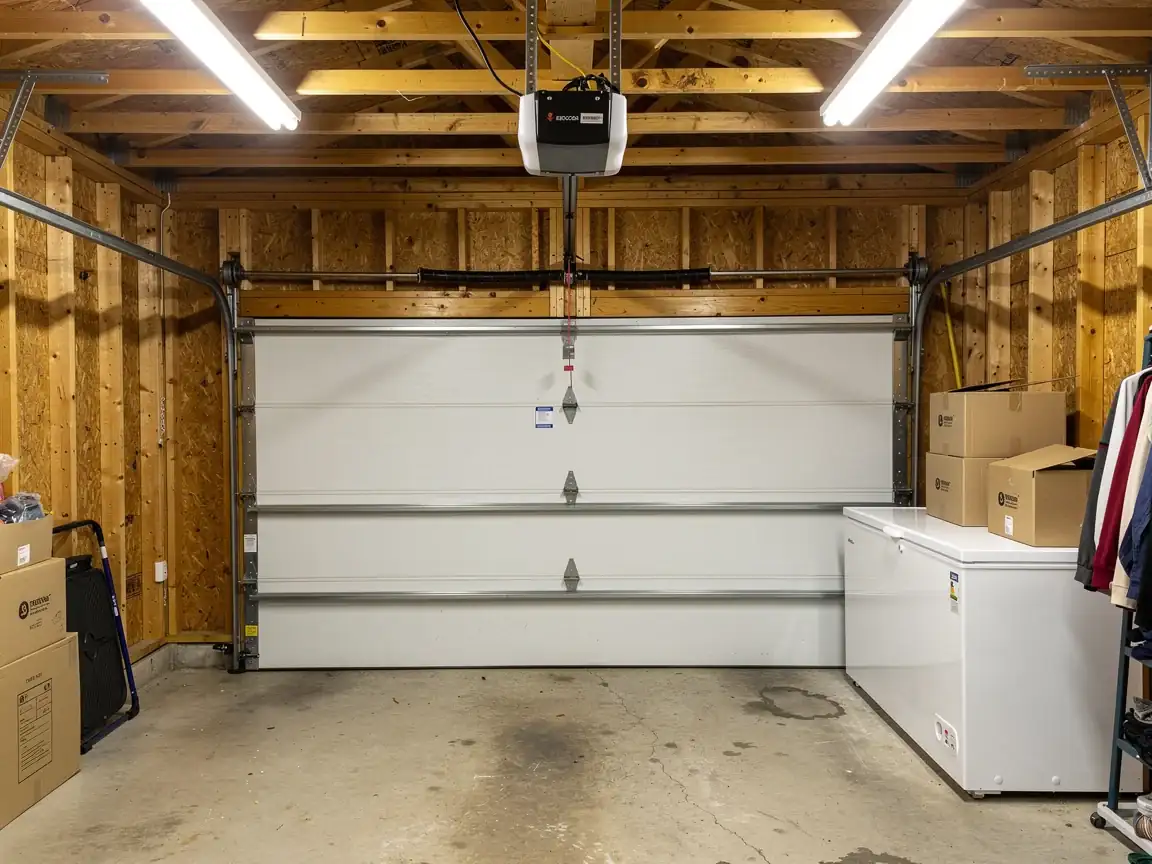
The Symptom
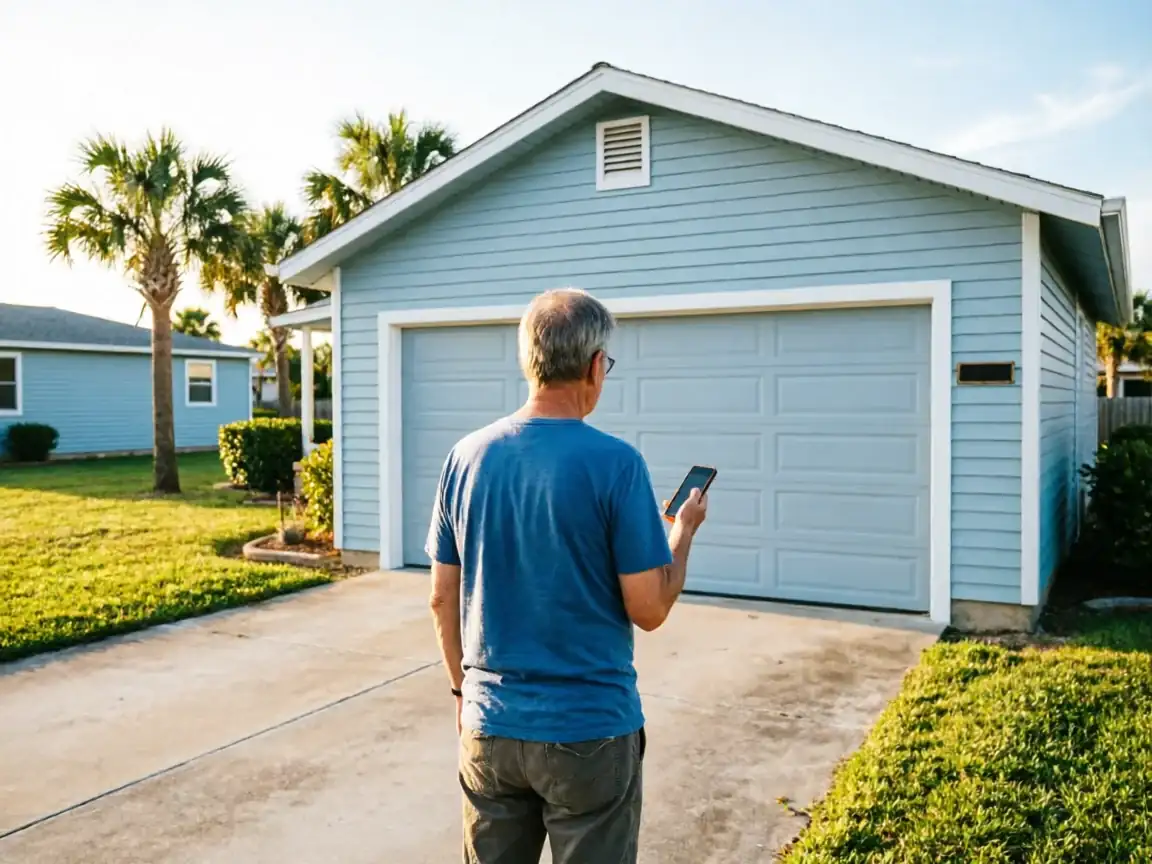
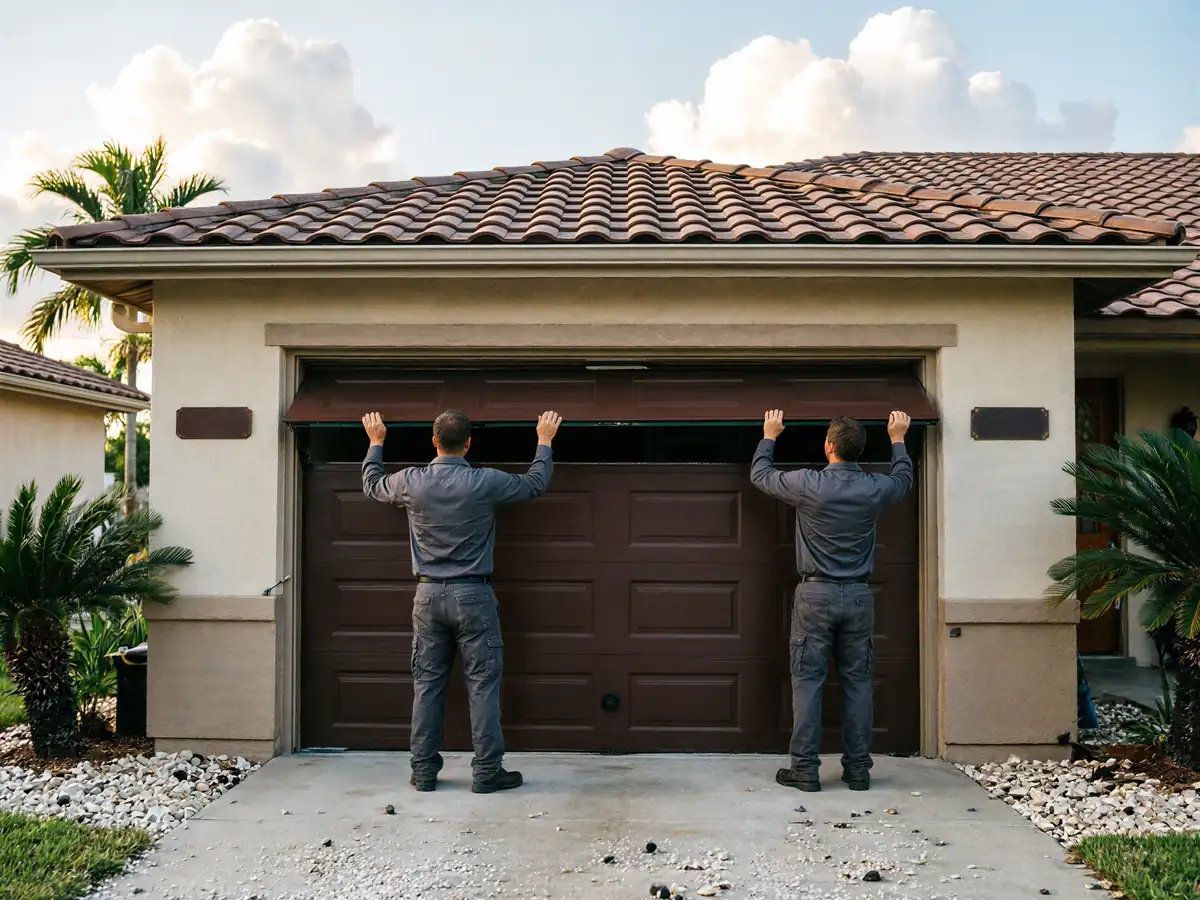
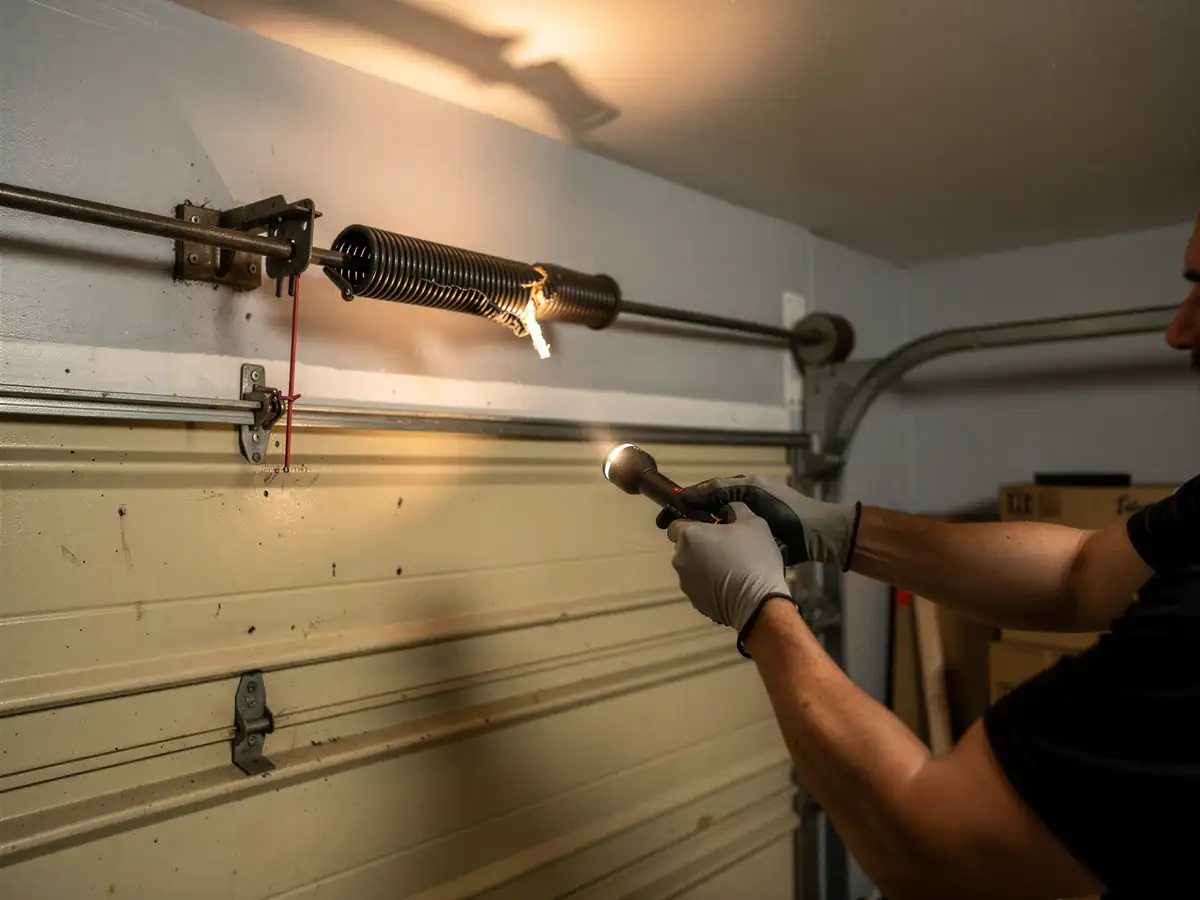
The door won't lift, or it lifts a few inches and stops. Maybe you hear a bang from the garage overnight - that's usually the spring letting go, not the opener failing. On a double door you might still get it moving by hand, but it feels like it weighs three hundred pounds, because it does, once the spring stops carrying that load.
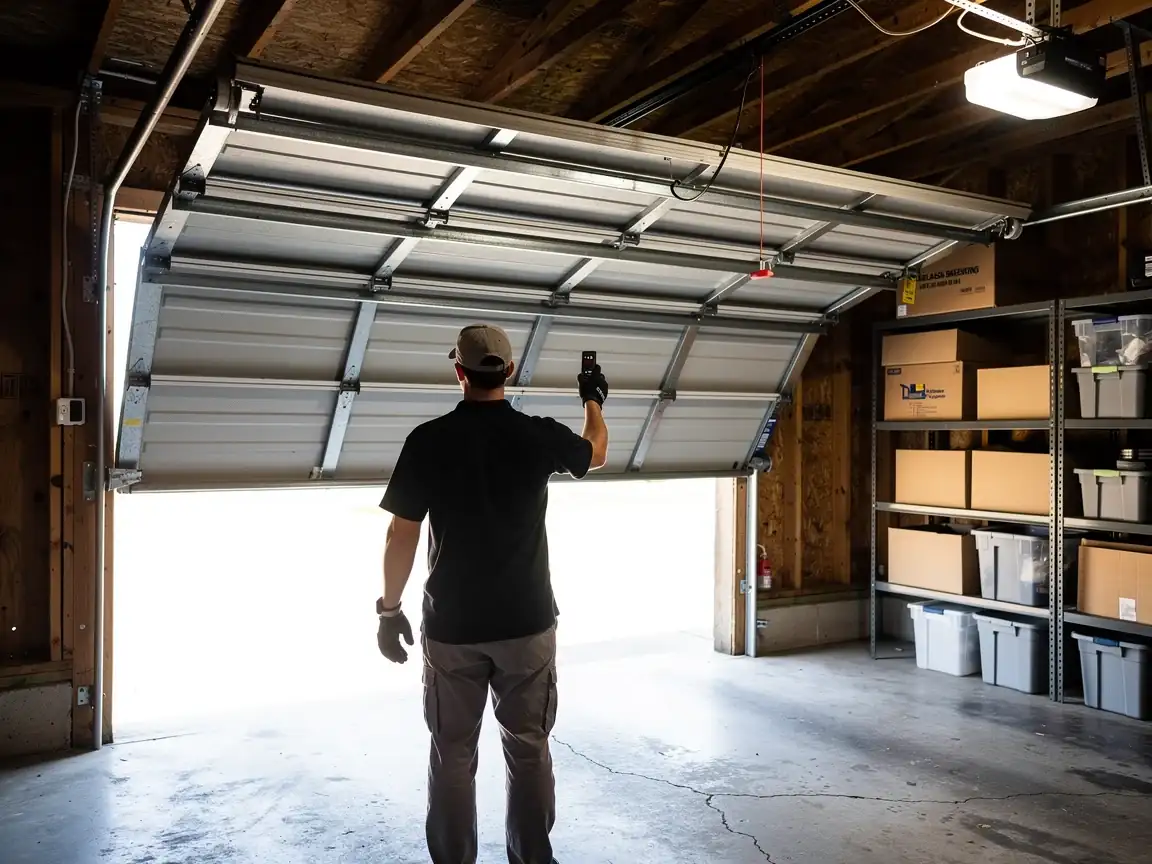
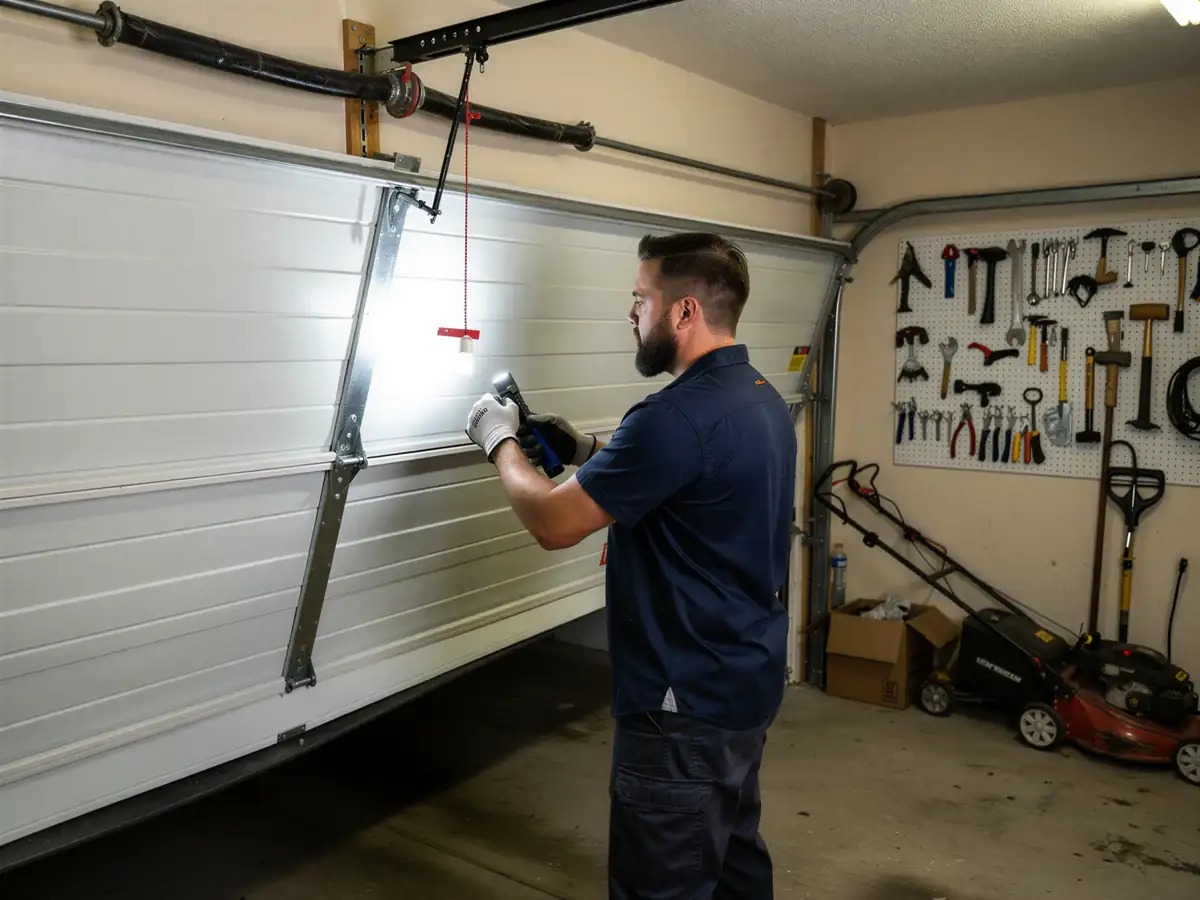
Sometimes it's not a full break. A spring that's lost tension slowly will make the opener strain, chatter, or trip its own safety reverse halfway up. Either way, this isn't a lubricate-the-track problem. Torsion springs are wound under real force, and when one fails the door comes down fast and unevenly, which is also why we don't want homeowners pulling the panel off the track to "see what's wrong" - that's how hands and fingers get hurt.
If your opener motor runs but the door doesn't move, or runs loud and labors, that's the same symptom with the spring not fully snapped yet.
How to Book
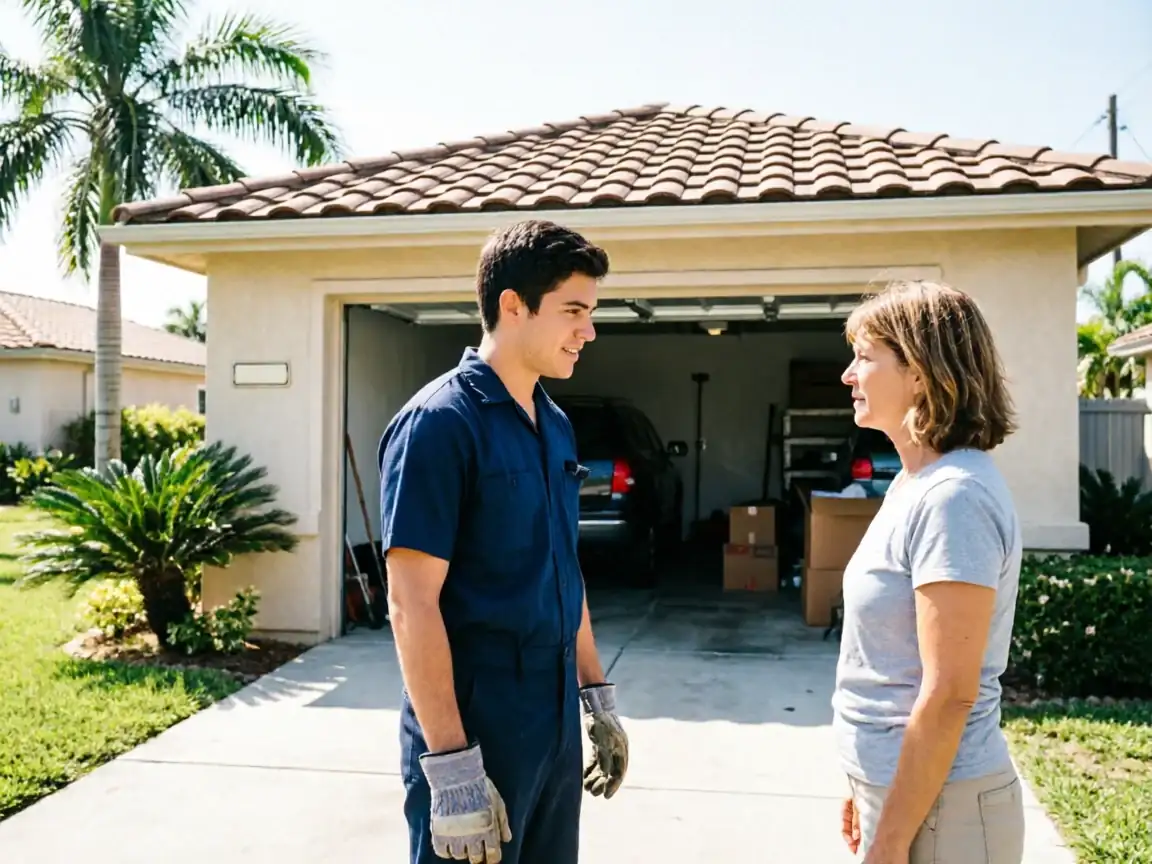
Call or use the contact link on our site and tell us whether the door is stuck shut, stuck partway, or just straining. That alone tells us whether to bring a standard torsion spring set or extension springs, and whether we're also checking cables and drums while we're there, since a spring failure often stresses those at the same time.
We schedule by what the door is doing, not just by date - a fully shut door that's blocking a car gets priority over one that's merely noisy. Have your garage door's rough age and whether it's a single wide door or two single doors handy; it changes the parts we load before we leave the shop.
Why This Fails Locally
Most garage doors in this part of Coral Springs were installed when the house was built
And F1/F2 put that somewhere between 1968 and 2005, with the bulk of the stock dating to the 1960s and '70s construction common across the roughly seventeen named neighborhoods in this service area. A torsion spring has a working life measured in cycles, not years, but homes built in that window are now old enough that original or first-replacement springs are reaching or past the end of that life at the same time, which is why we see clusters of failures by block rather than one-off breaks.
The mild temperate climate here doesn't put the same thermal stress on spring steel that freeze-thaw regions do
So corrosion and fatigue from humidity and heat cycling matter more than cracking from cold. Springs here tend to weaken and lose tension gradually, sagging the door's balance before they finally give out, rather than snapping without warning the way they sometimes do up north. That's actually useful: a door that's started to feel heavy is telling you something before it fails completely, and catching it then is a smaller job than catching it after.
What the Fix Involves
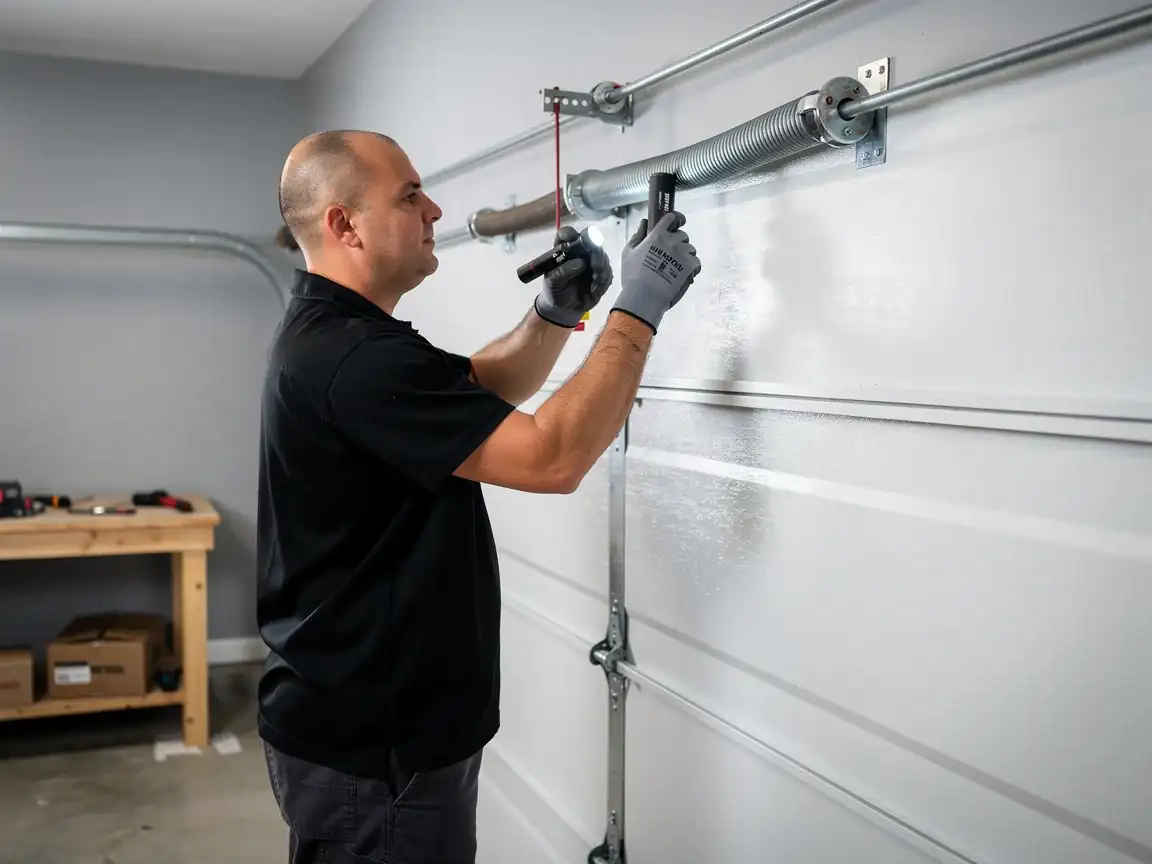
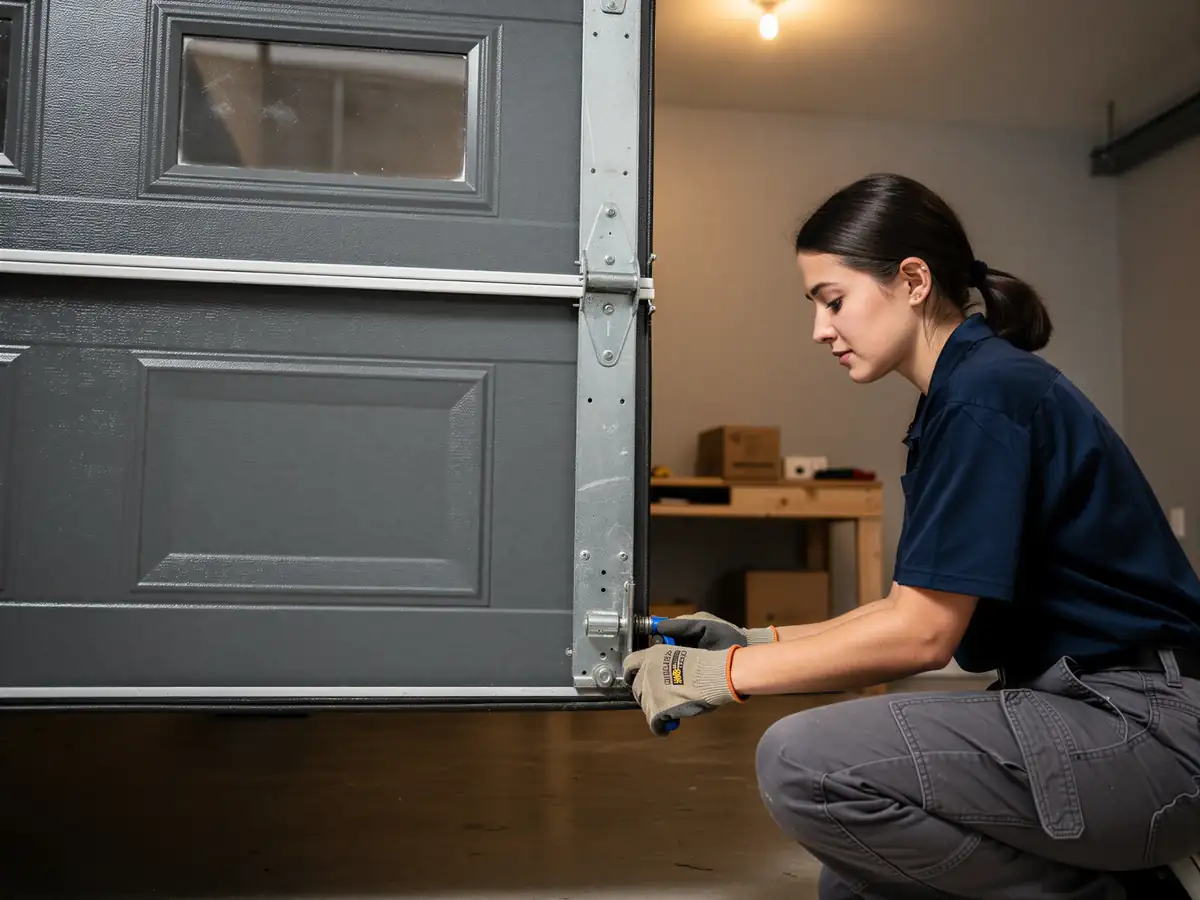
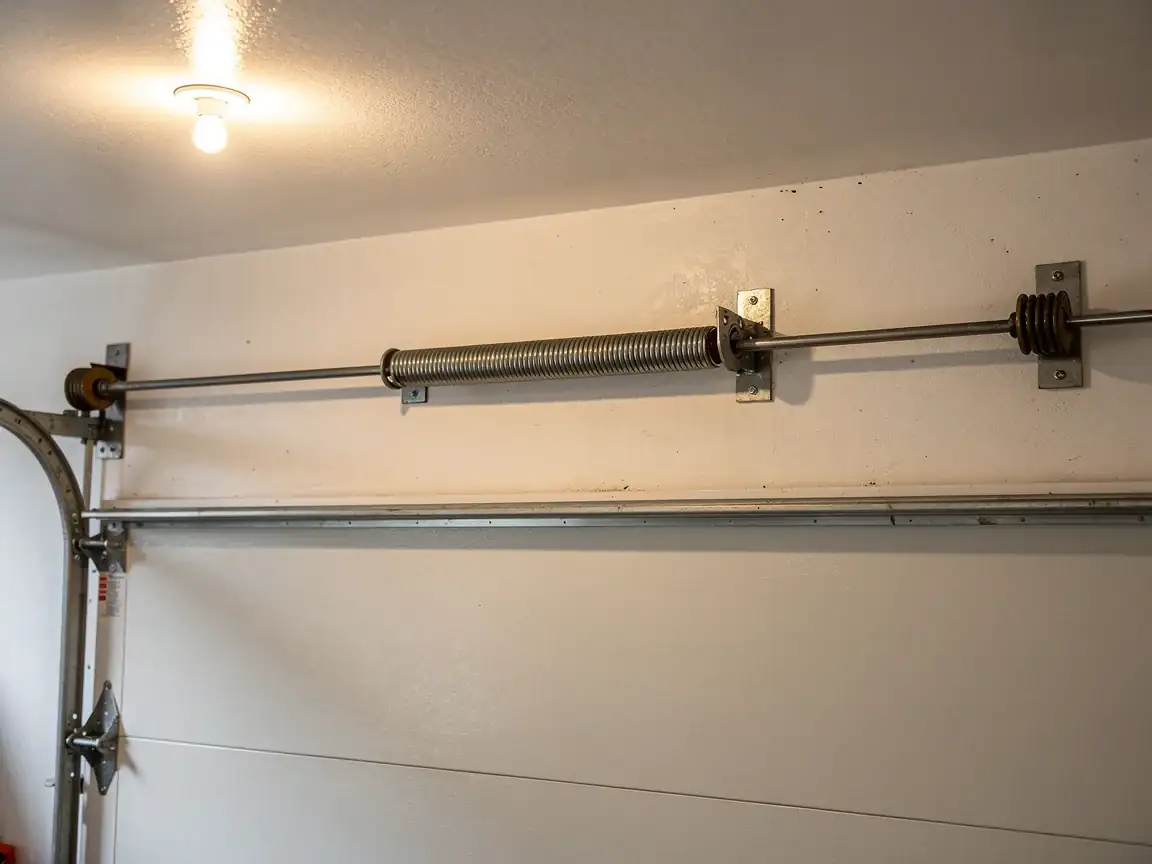
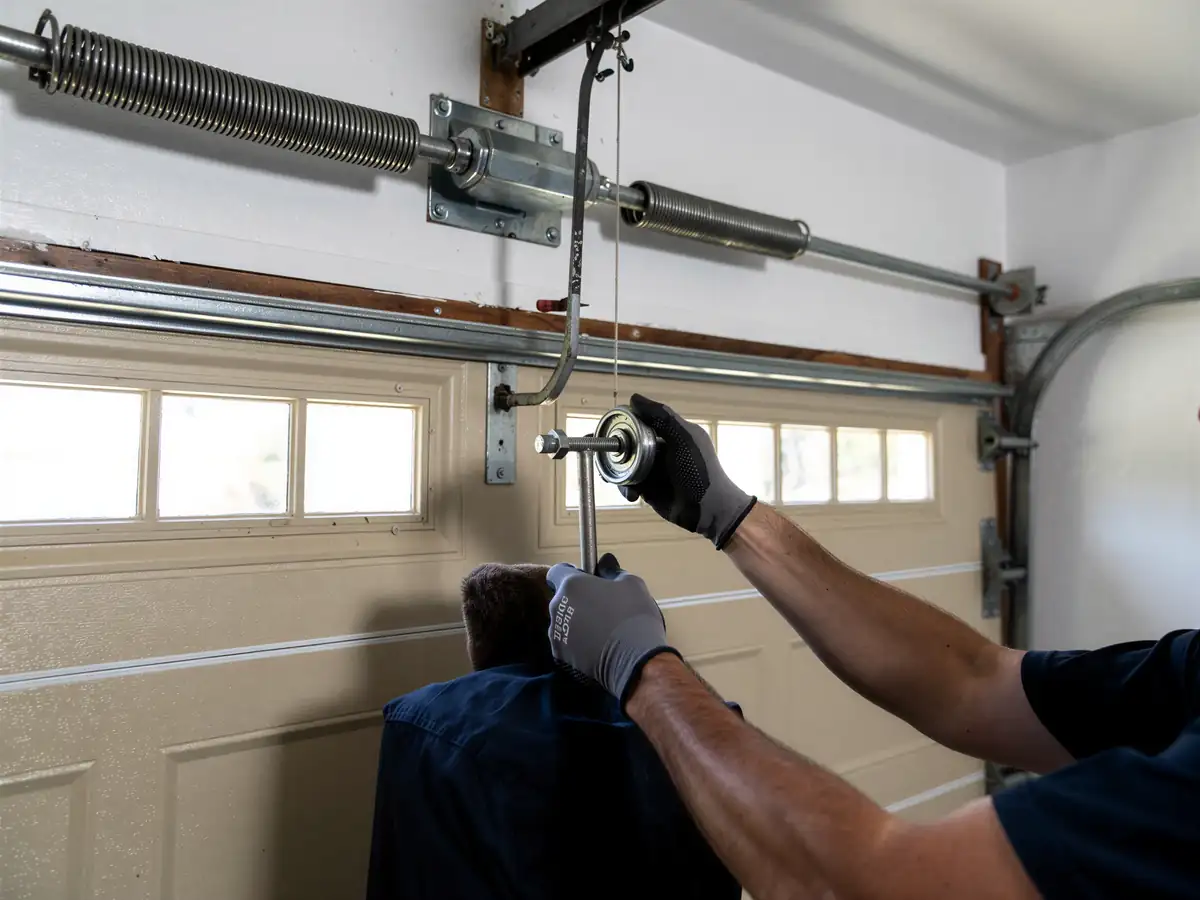
We unload tension from the old spring with a winding bar - never by cutting it loose, which is how people lose fingers - then pull the broken or worn spring off the shaft. We check the cables, drums, and center bearing at the same time, because a spring that's been failing slowly often takes a cable partway with it, and replacing one without checking the other means a second call.
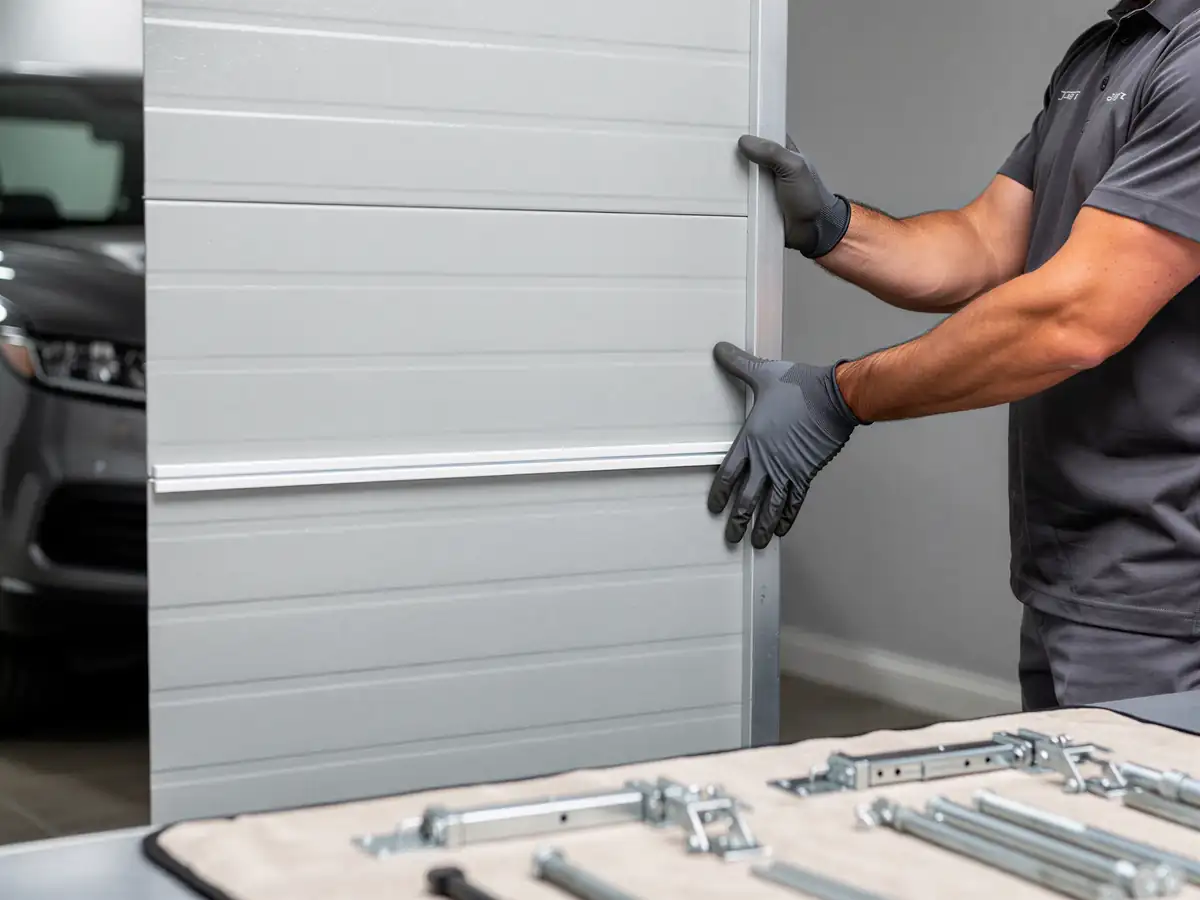
New springs get wound to match your door's actual weight, not a generic size, then we cycle the door by hand and by opener to confirm it holds position at any height before we call it done. One honest limit: if the door is also warped, the track is bent, or the opener's gears are stripped from fighting a bad spring for months, spring replacement alone won't fix it, and we'll say so rather than charge you for a repair that won't hold. Sometimes the right fix is a new opener or section, not a third trip back for the same door.