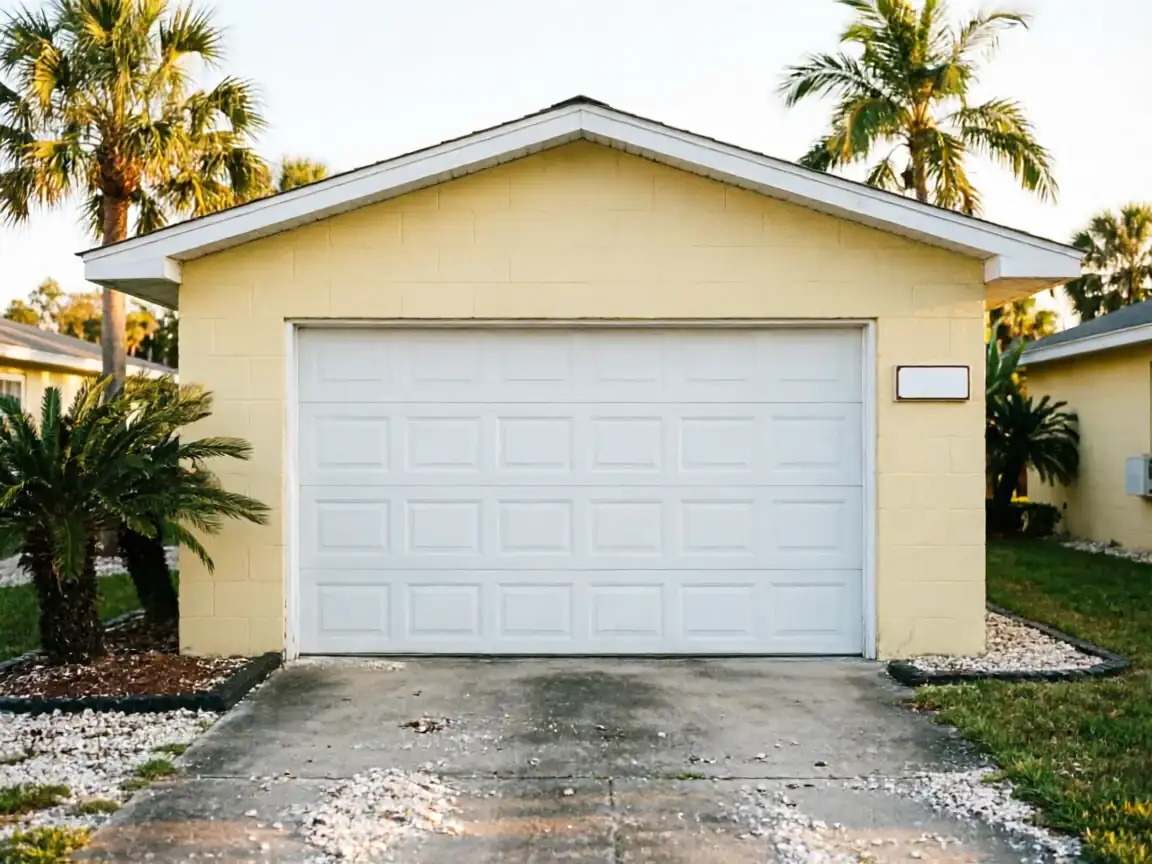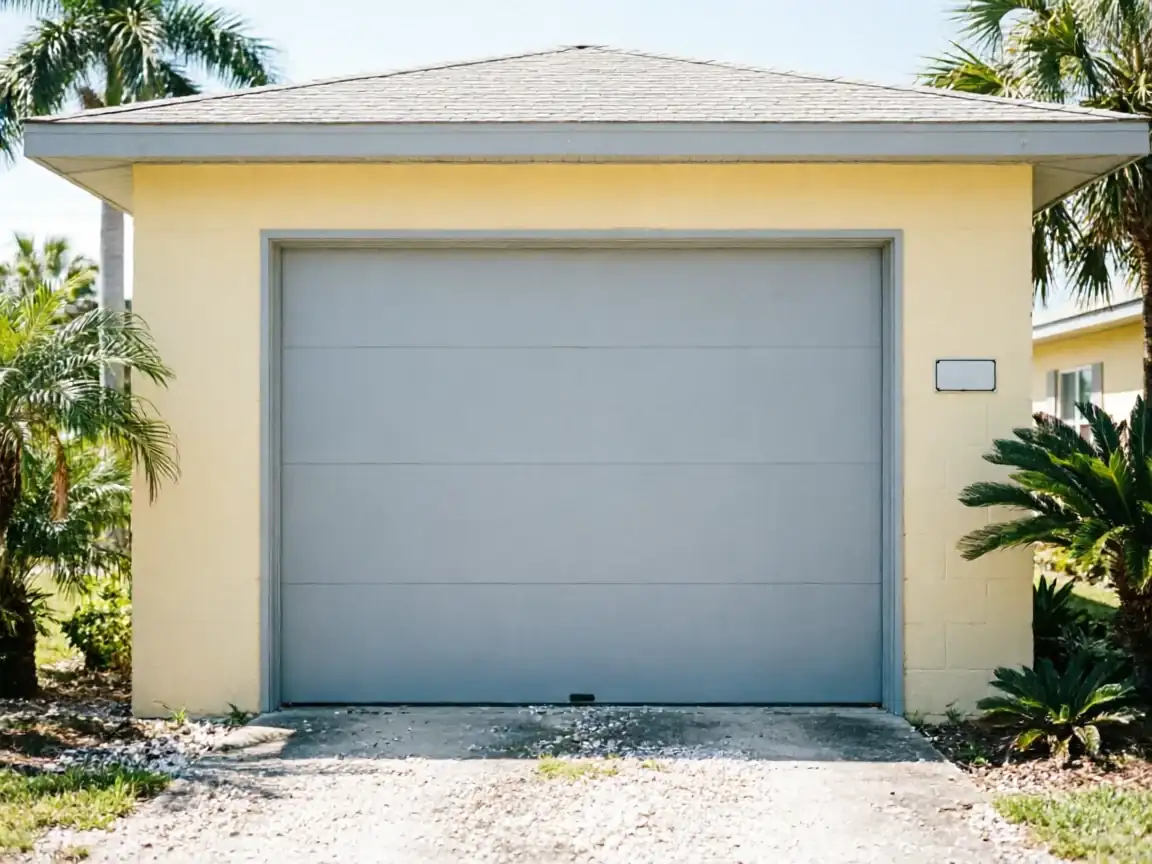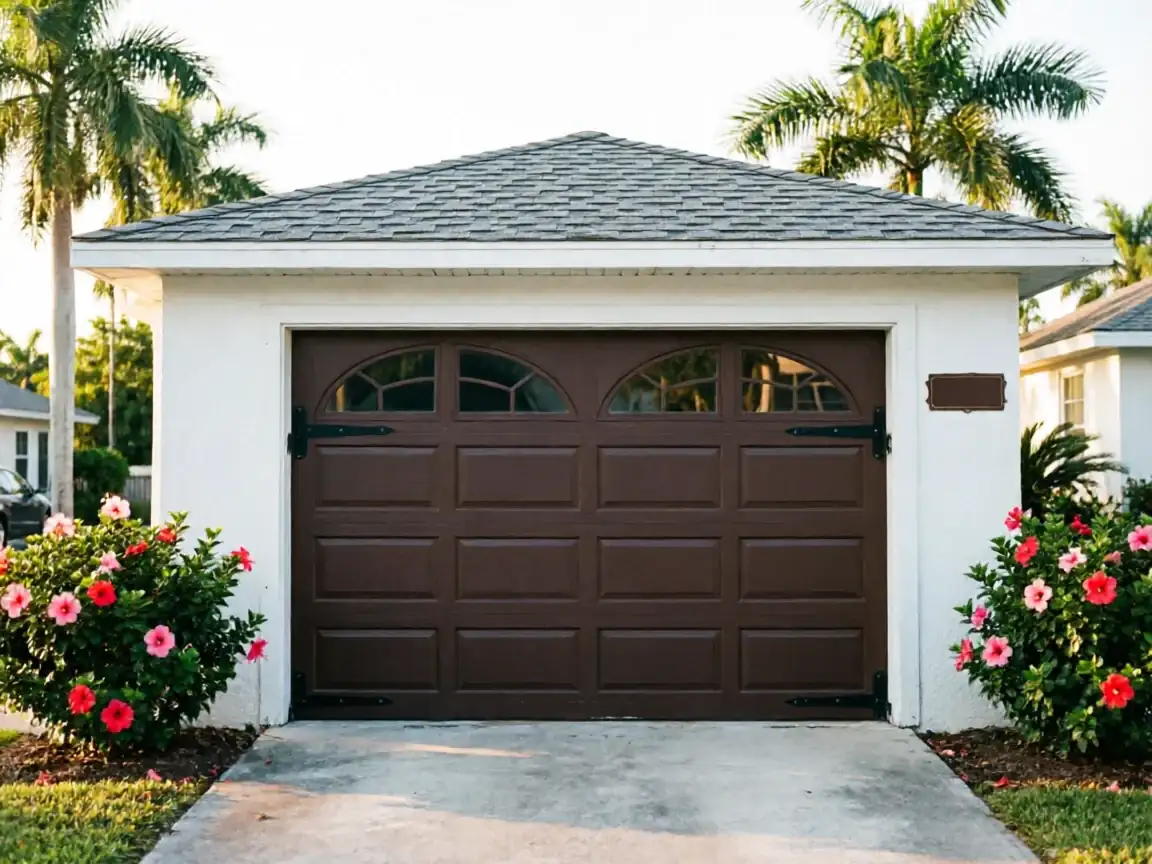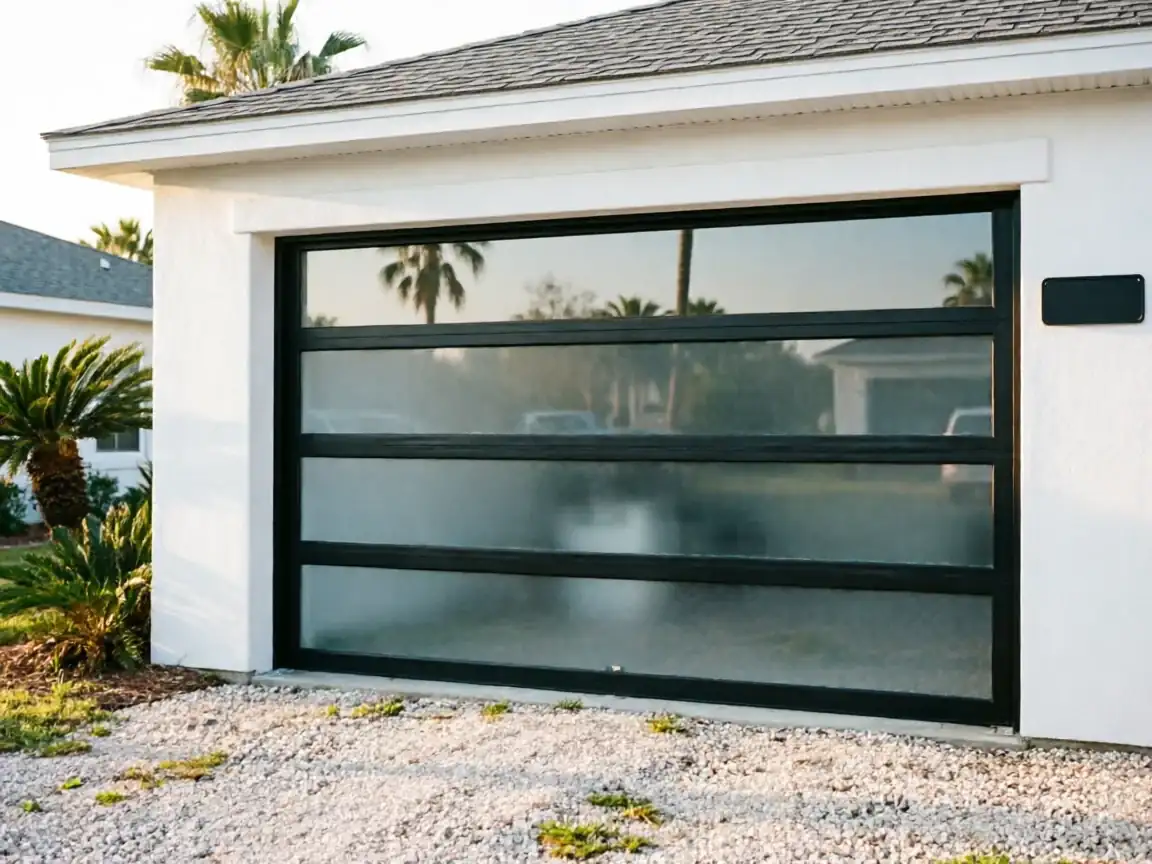
The Symptom
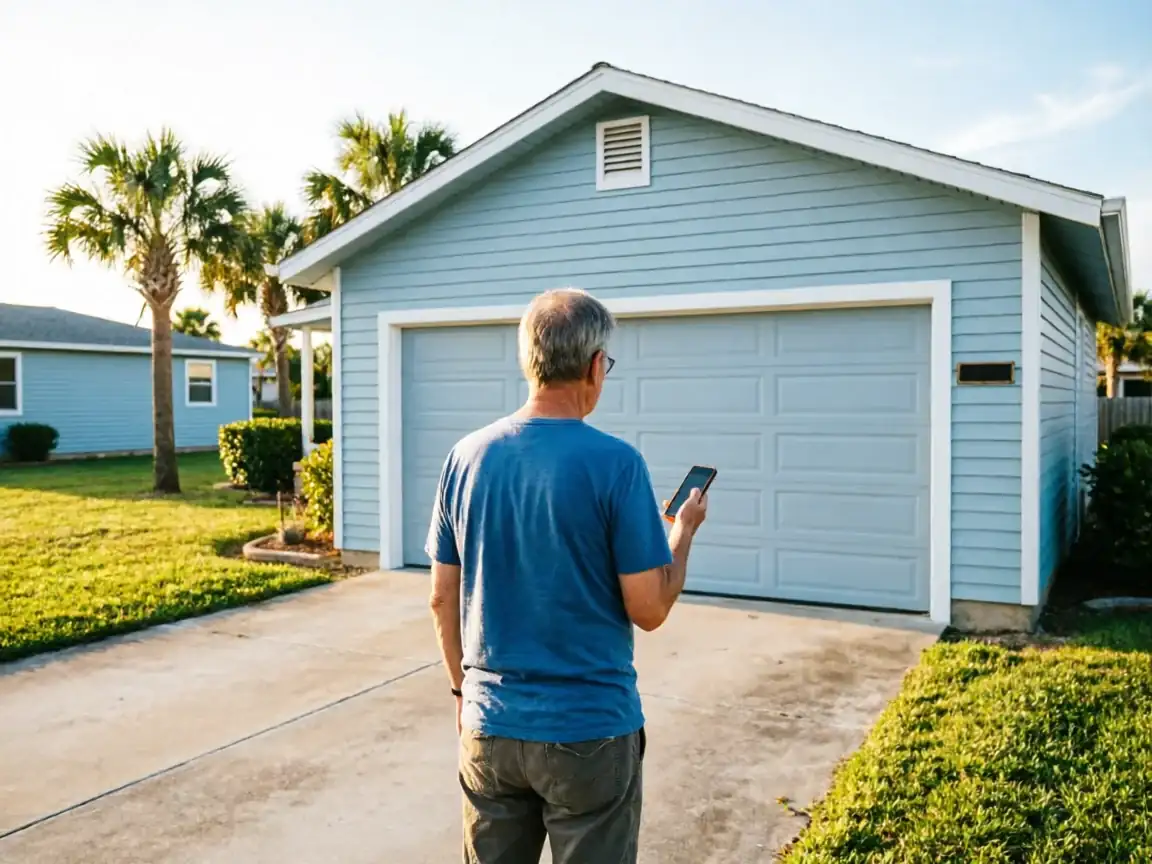
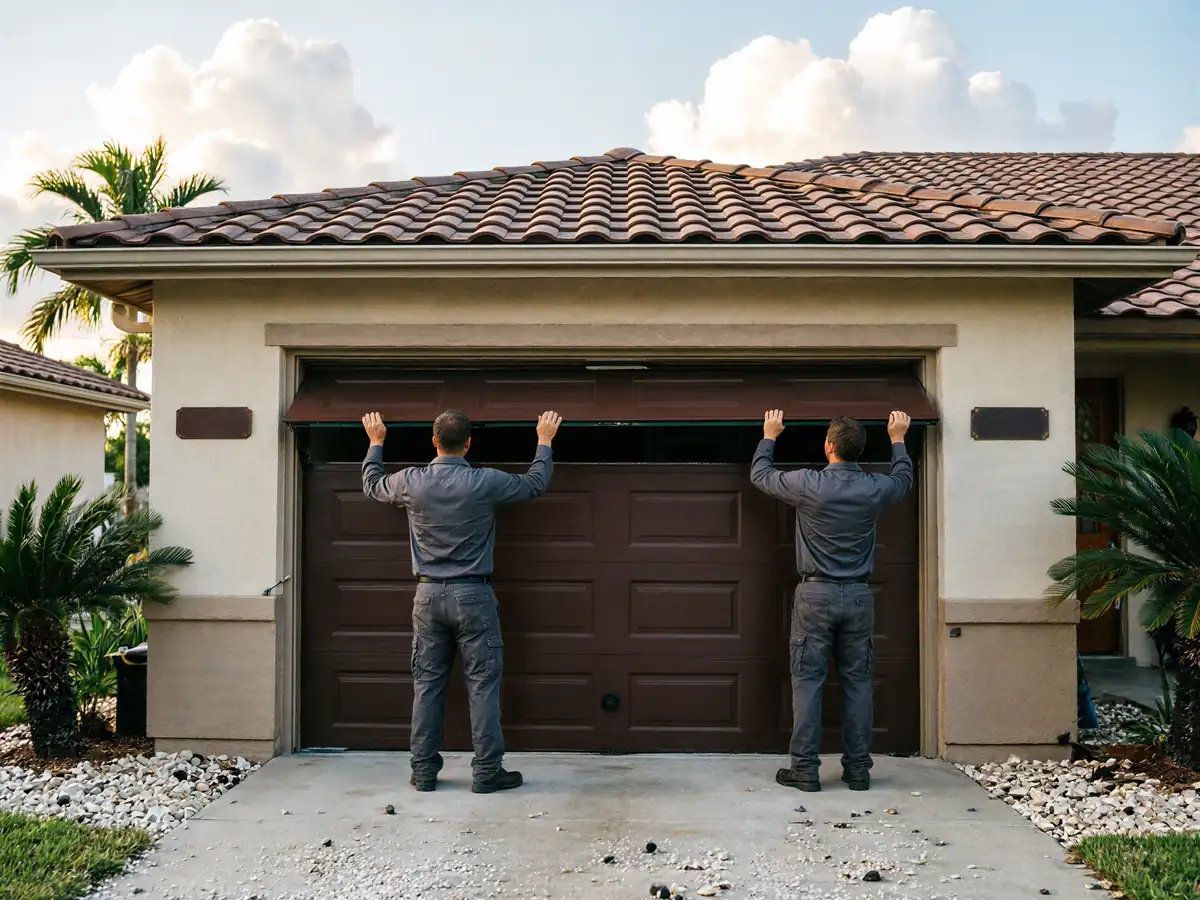
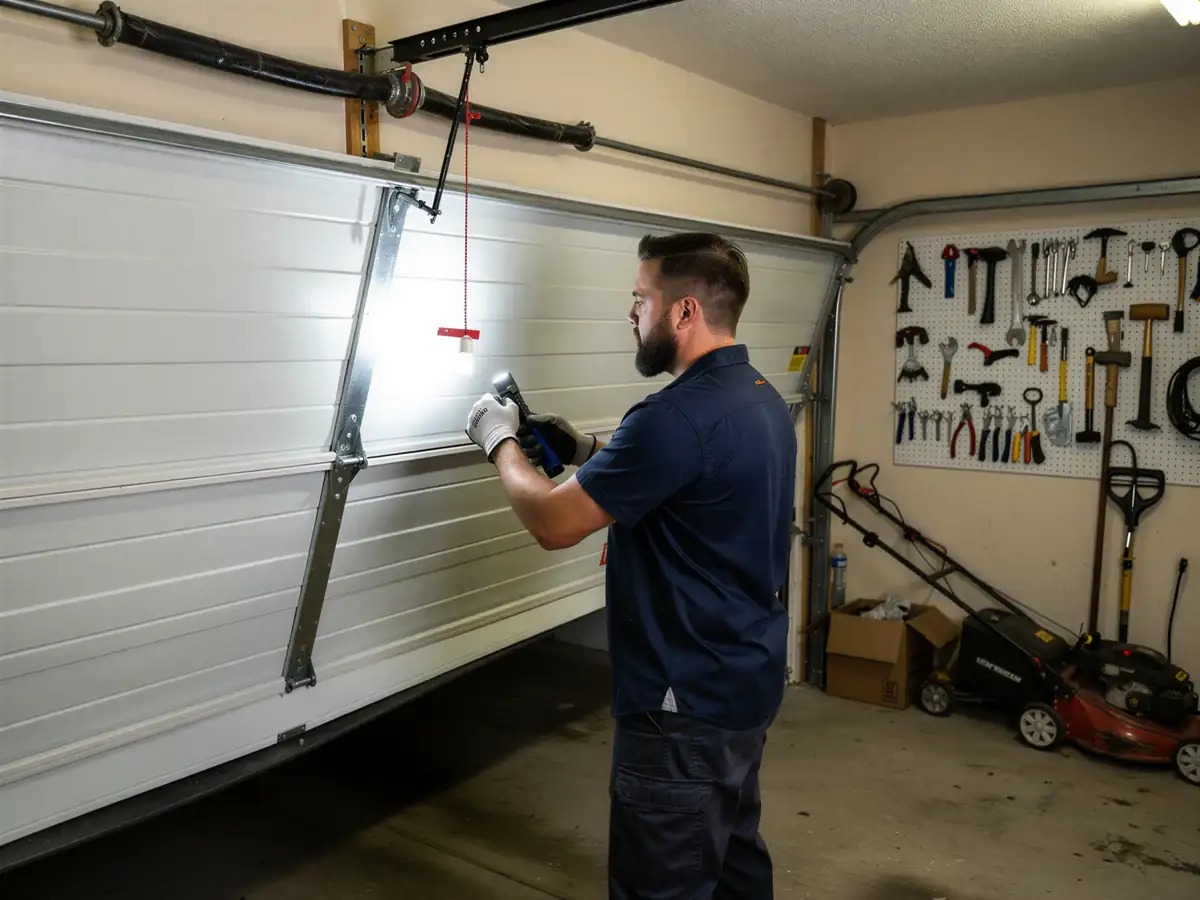
A single panel takes the hit - a backed-up car, a basketball, a storm-blown branch - and now the door doesn't sit flush. You see a dent that catches light wrong, a crack running along a seam, or a bottom panel that's gone soft and bows inward when the door closes. Sometimes it's not an impact at all: the panel has just started to delaminate or warp, and the door binds in the track or won't seal at the bottom anymore.
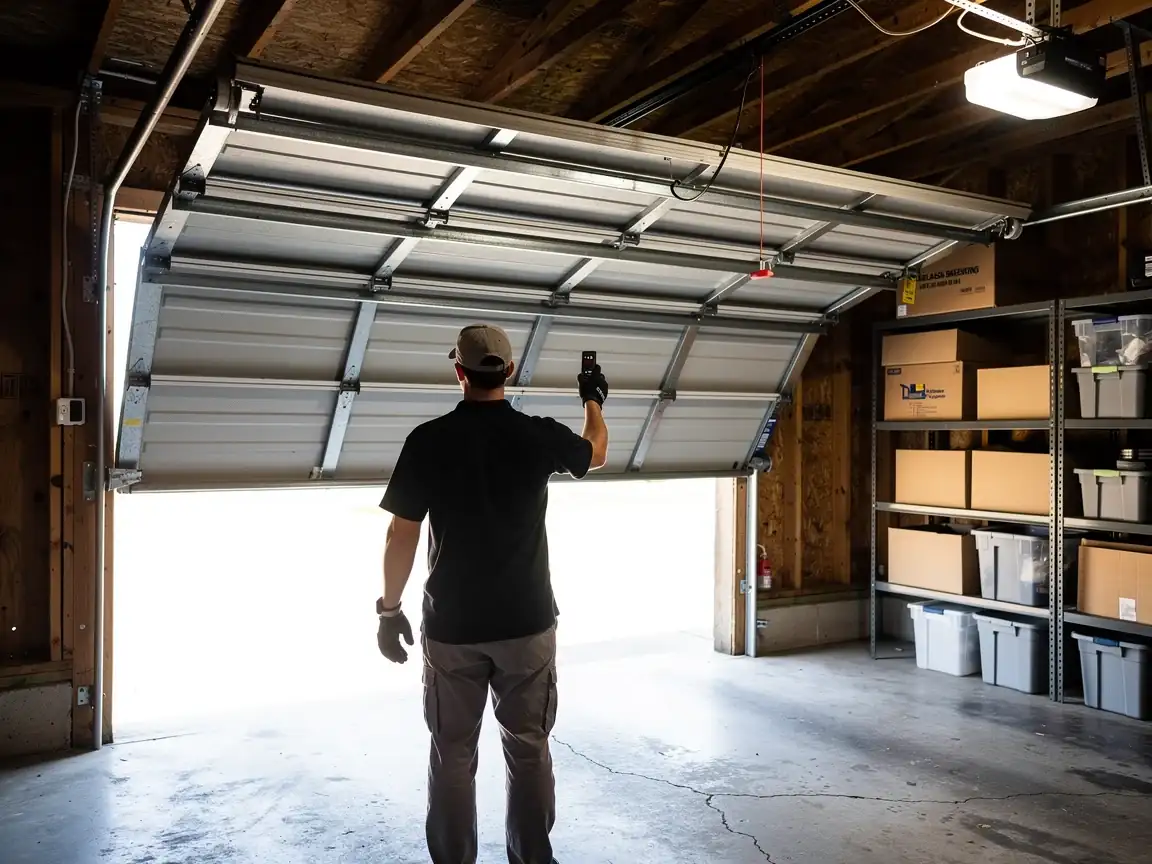
A damaged panel isn't only cosmetic. Once a section is bent, the door is out of its original plane, which puts uneven load on the rollers and hinges next to it. Left alone, one bad panel tends to drag a second one down with it inside a year or two. If the opener is still forcing the door through a cycle on a bent track, you'll hear it before you see it - a grind or a hesitation partway through the travel.
Not every ding needs a replacement. Shallow surface dents on steel panels sometimes pop back close enough that nobody but you will notice. We'll tell you when that's the case instead of selling a panel you don't need.
How to Book
Reach us through the contact page and describe what you're seeing - which panel, top or bottom, any binding or noise when the door moves. A photo helps more than a long description; panel construction varies enough across the service area that we'd rather see it than guess.
We'll ask for the door's approximate age and, if you have it, a brand or model sticker on the inside of the frame. That sticker is the fastest way to confirm whether a matching panel exists or whether we're looking at a full door replacement instead.
We don't carry every panel style on the truck for a same-visit swap - sourcing a match sometimes means a short order lead time, and we'll tell you that up front rather than after the fact. Start at /.
Why This Fails Locally
Housing across our service area was mostly built between 1968 and 2005
With the median landing around 1977, and the bulk of the stock - spread across the 17 communities we cover - dates to that 1960s-70s wave of construction. Doors from that era were built with thinner-gauge steel panels or fiberglass inserts set in aluminum frames, neither of which holds up the way a modern insulated steel panel does. Fiberglass in particular goes brittle with age and cracks along the rib lines instead of flexing.
- 17 communities
Coral Springs sits in a mild temperate band
So we don't see the freeze-thaw cracking that wrecks panels further north. What we see instead is UV breakdown - sun-bleached, chalky fiberglass that's lost its flex - and humidity swelling wood-look composite panels until the seams separate. A panel that looks fine in January can be visibly warped by August.
With 65,707 owner-occupied houses across the service area built mostly before current panel sizing became standardized
Finding an exact replacement section is often the real work of the job, more than the swap itself.
- 65,707 owner-occupied
What the Fix Involves
We start by matching the panel: manufacturer, model, panel height, and color, pulled from the door's data sticker when there is one. If the door is from the 1970s-90s wave common across this area, that model may be discontinued, and we'll look at whether a close match is close enough or whether it's time to talk about replacing the whole door.
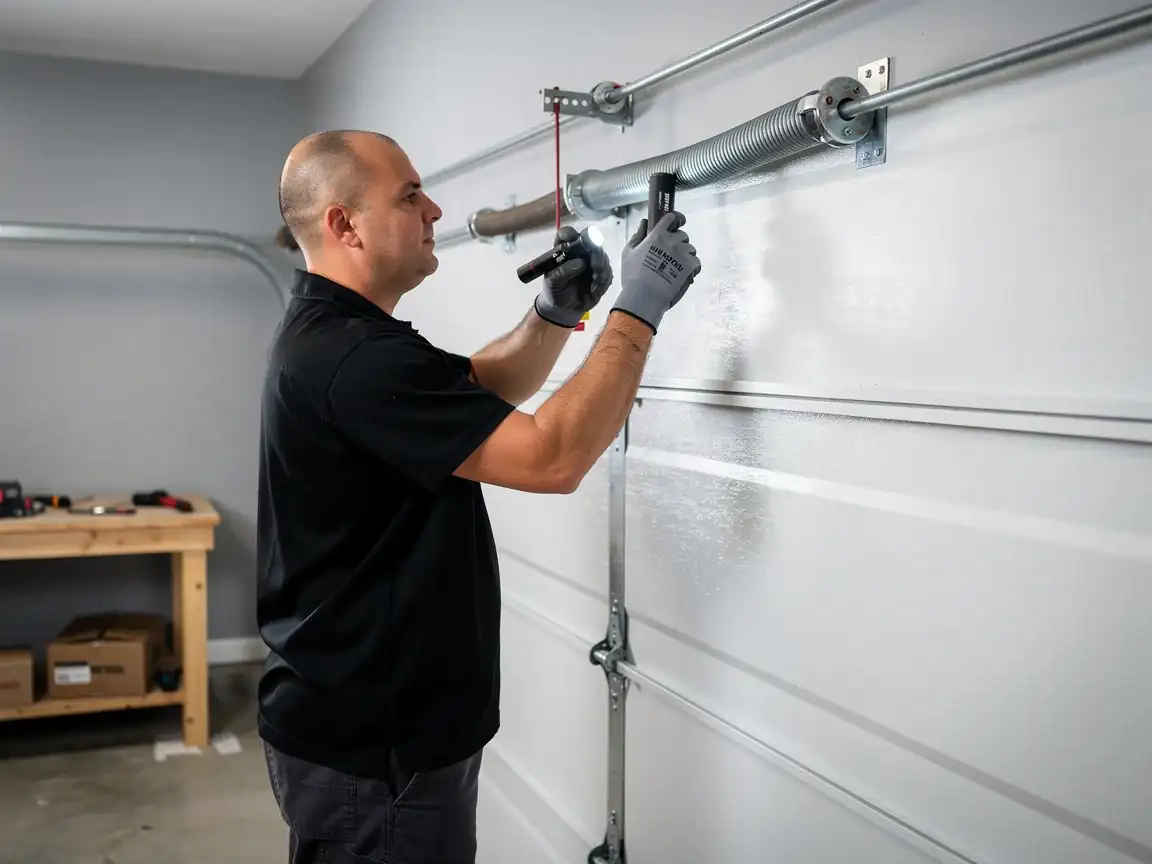
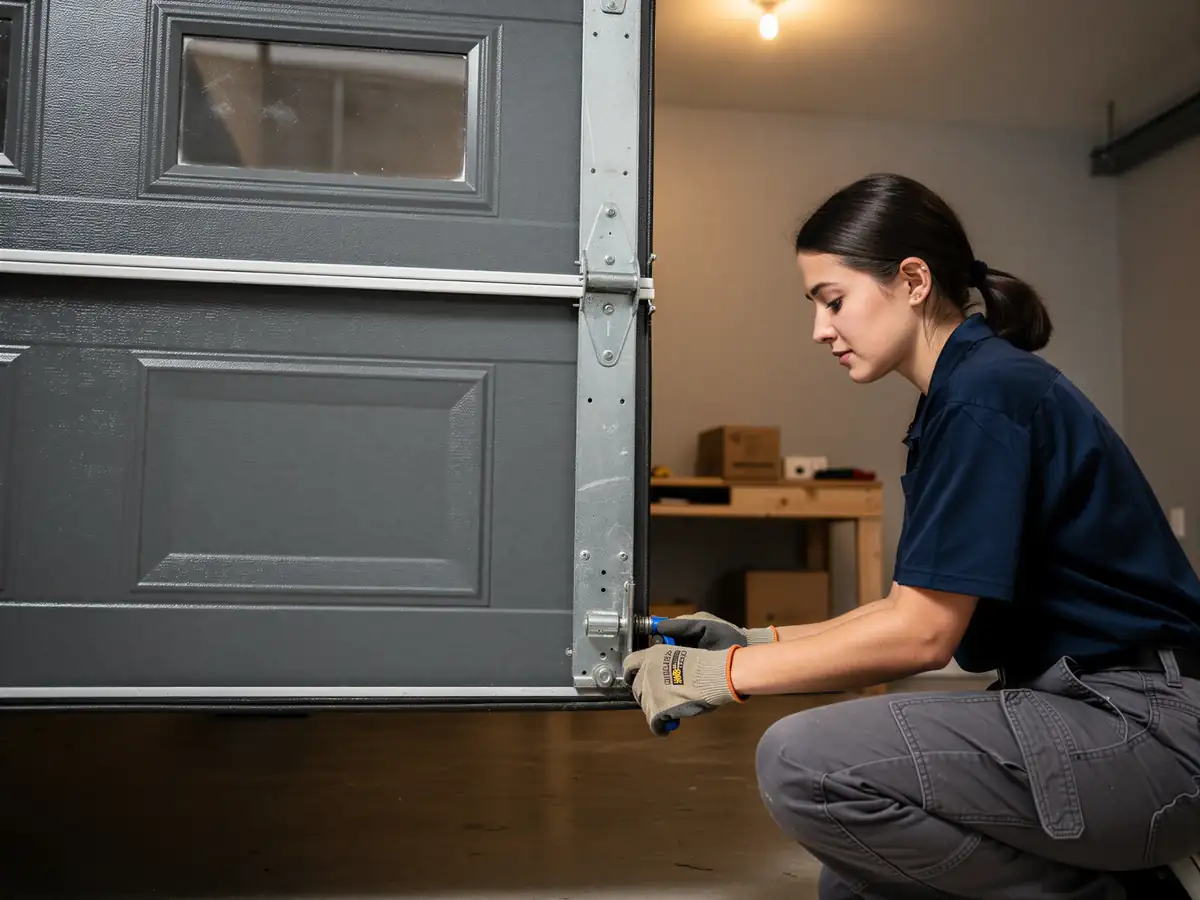
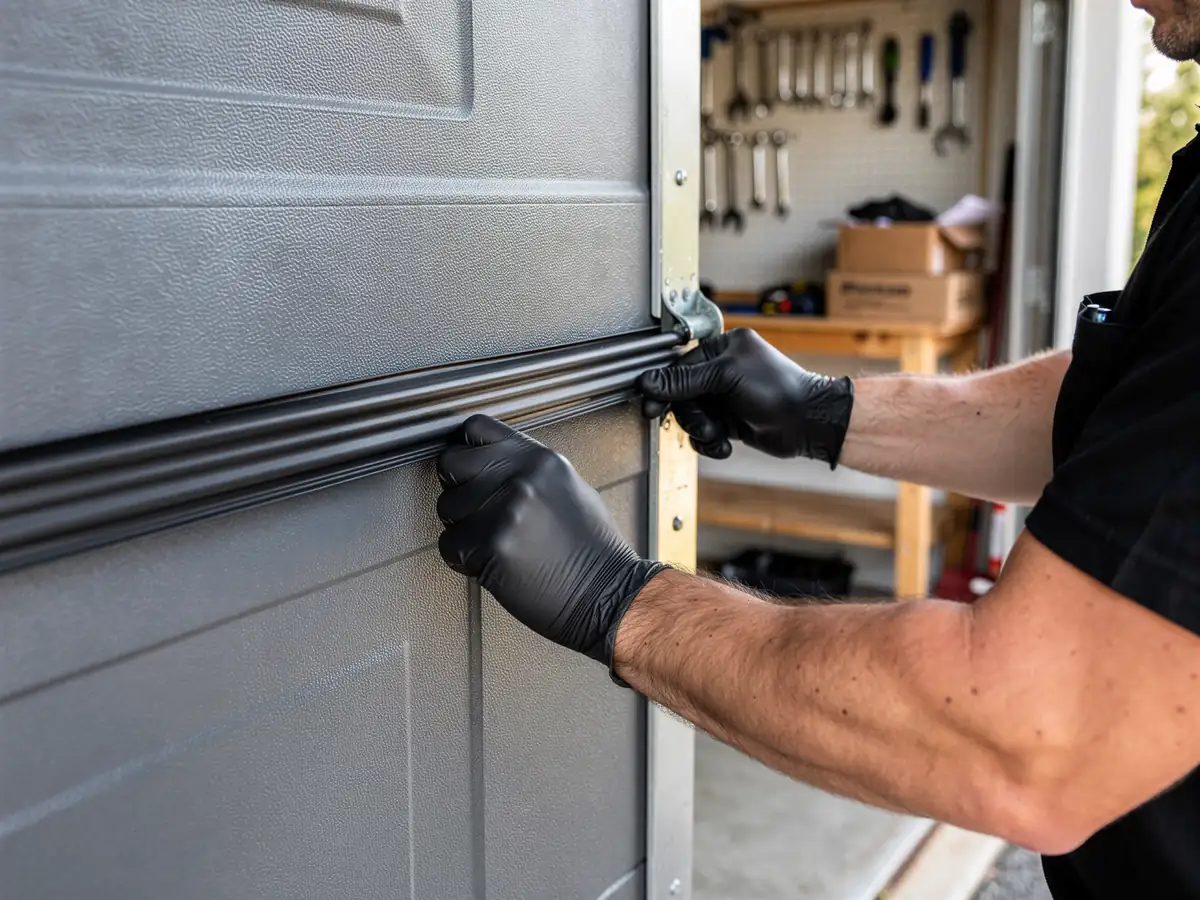
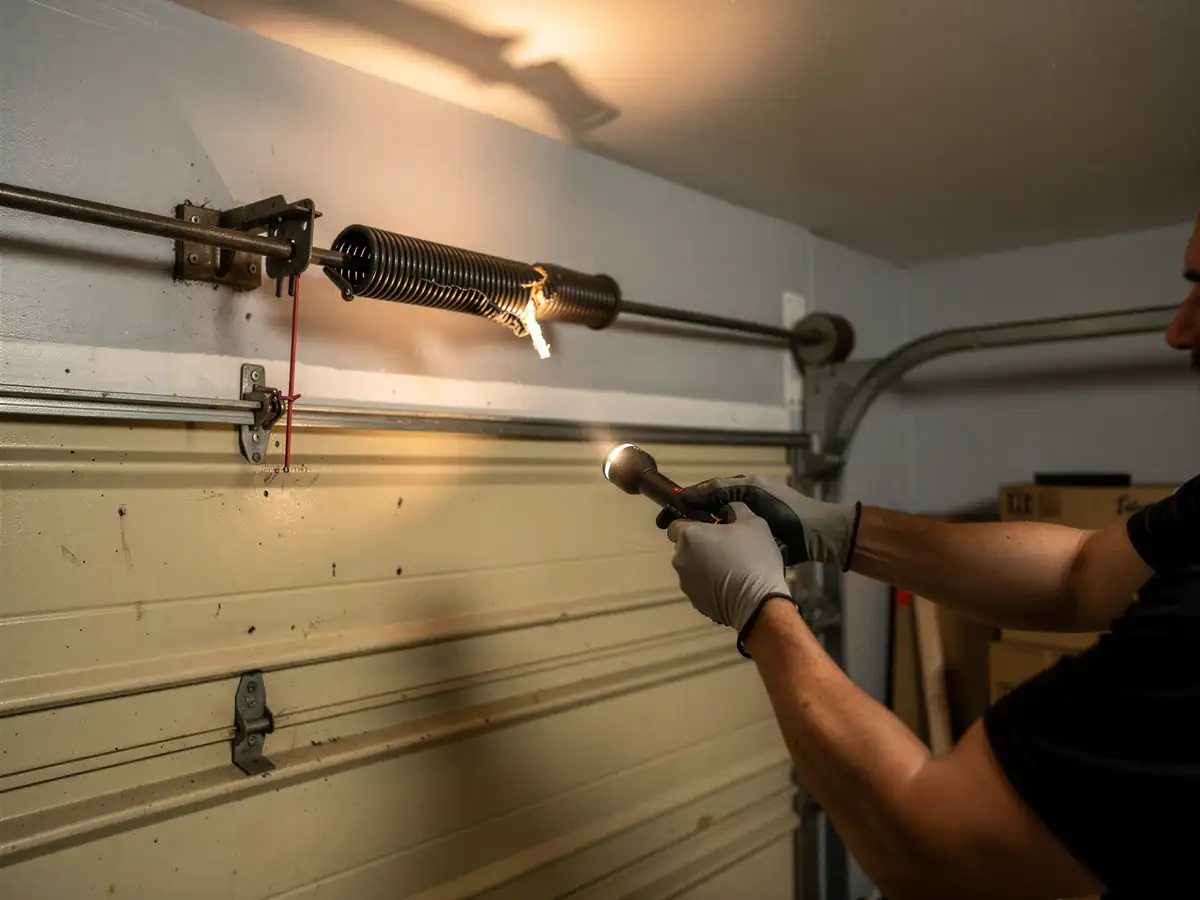
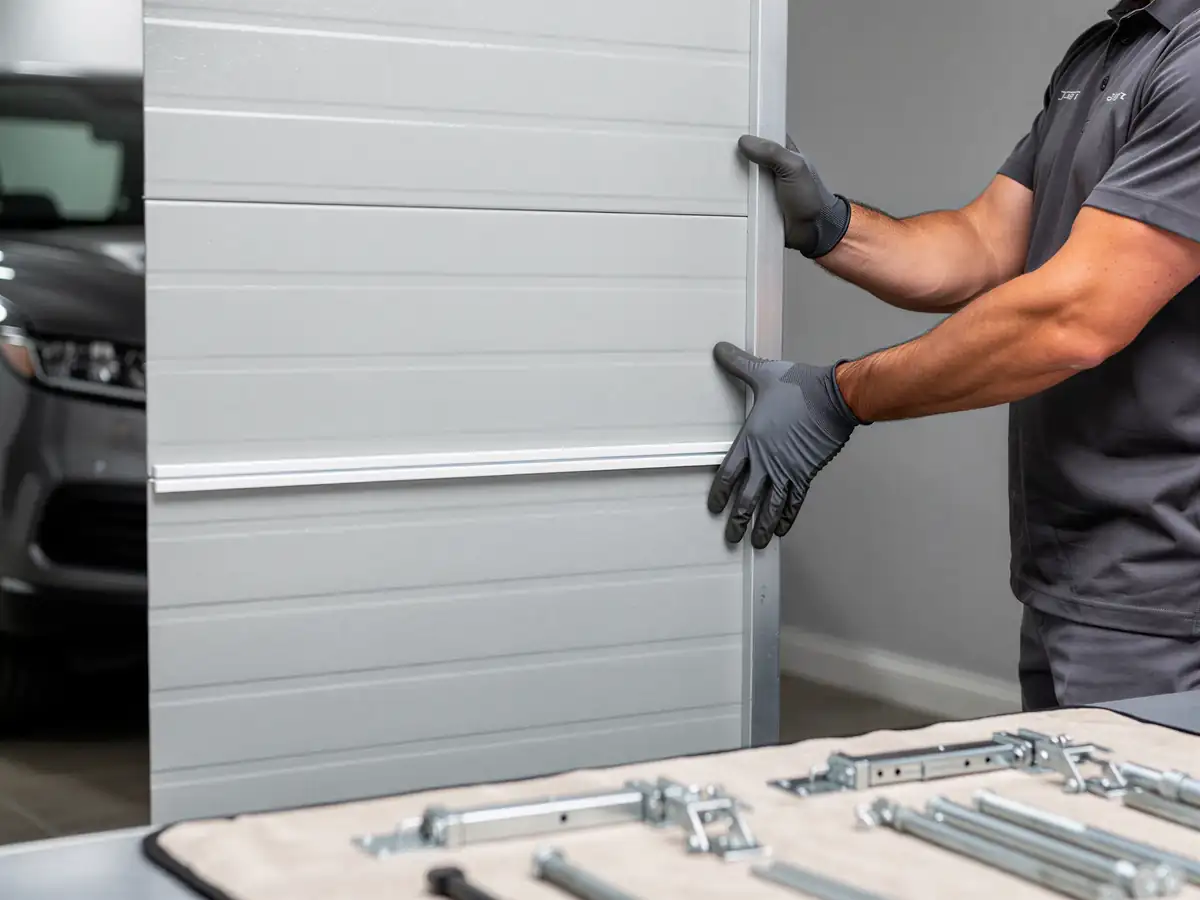
For doors still in production, the swap itself is a few hours - pull the hardware off the damaged section, unbolt it from the panels above and below, fit the new one, and reset the hinges and rollers so the door travels true. We check the track and springs at the same time, since a bent panel often means the door's been running out of alignment for a while.
Honest limitation: we won't push a panel match on a door old enough that parts are scarce and pricing starts creeping toward a full replacement anyway. At that point, with median household income in our area around $68,424, most owners are better served putting the money into a new door than chasing parts for one that's near the end of its run.