This Area's Housing
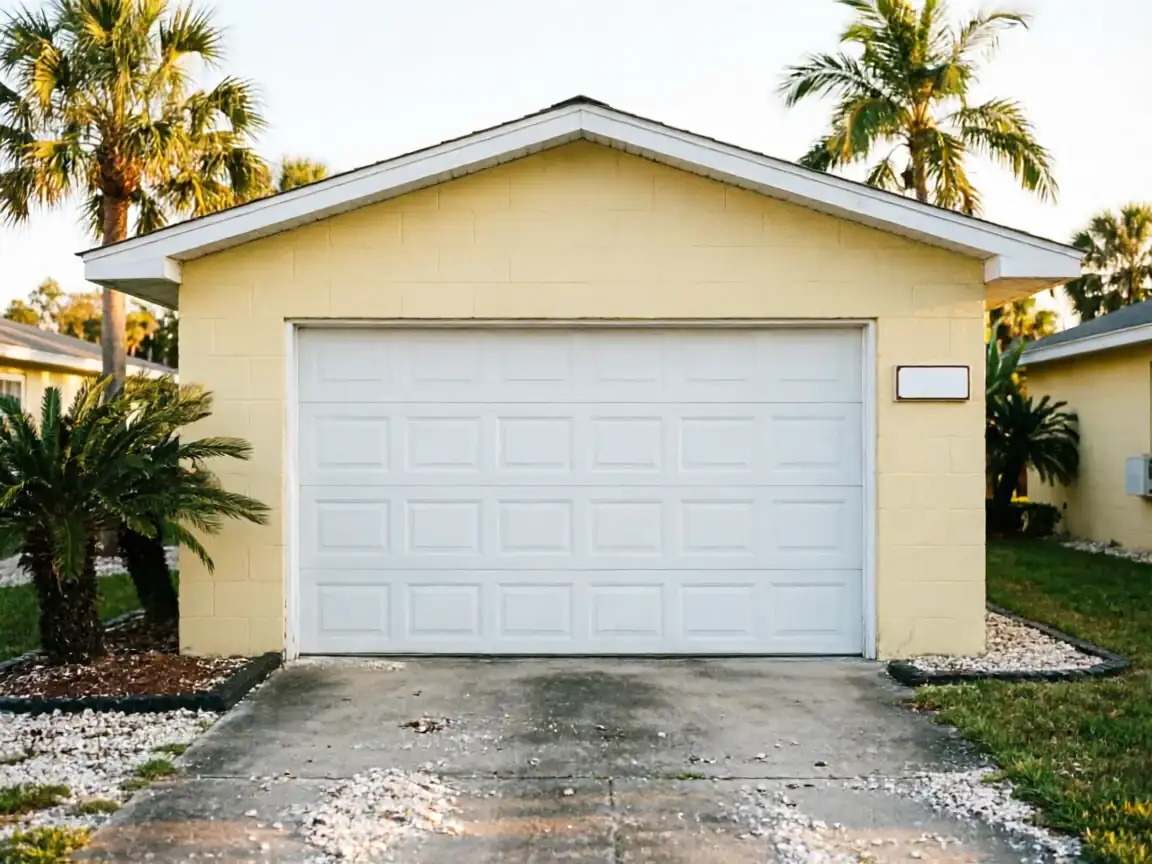
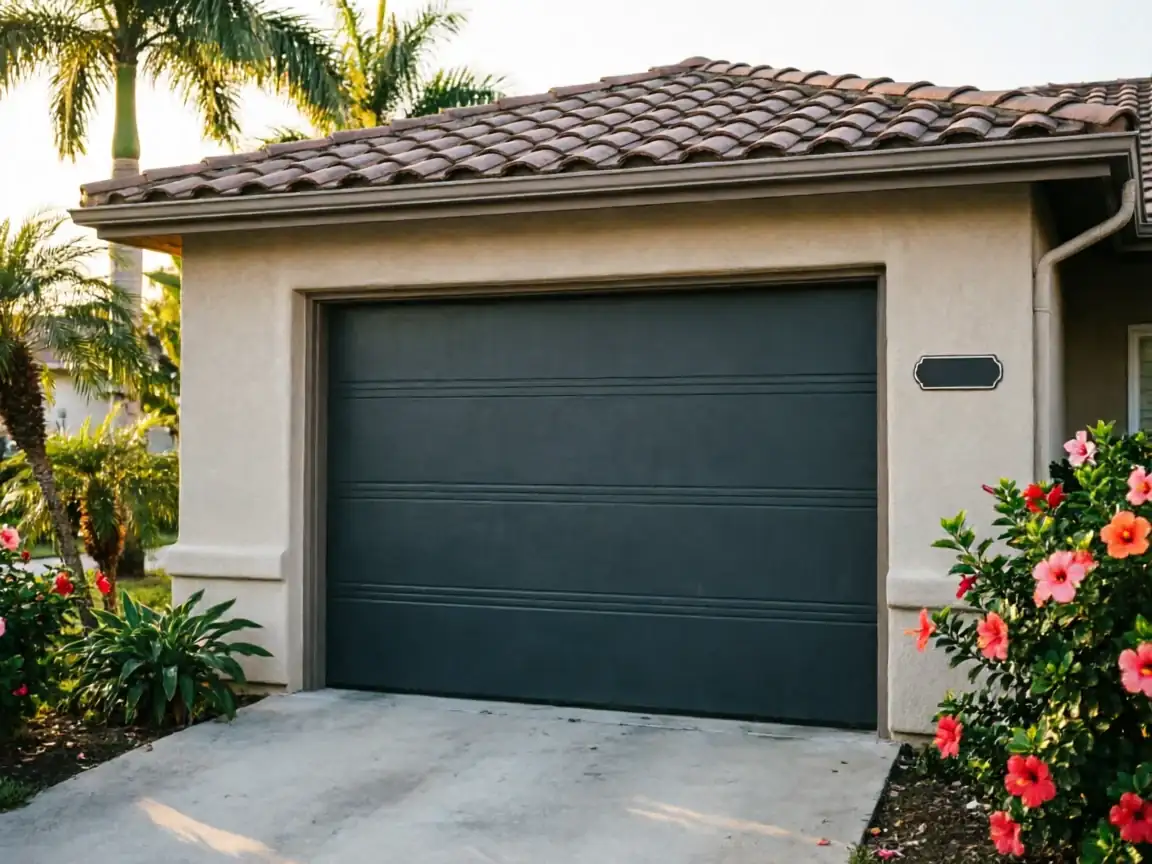
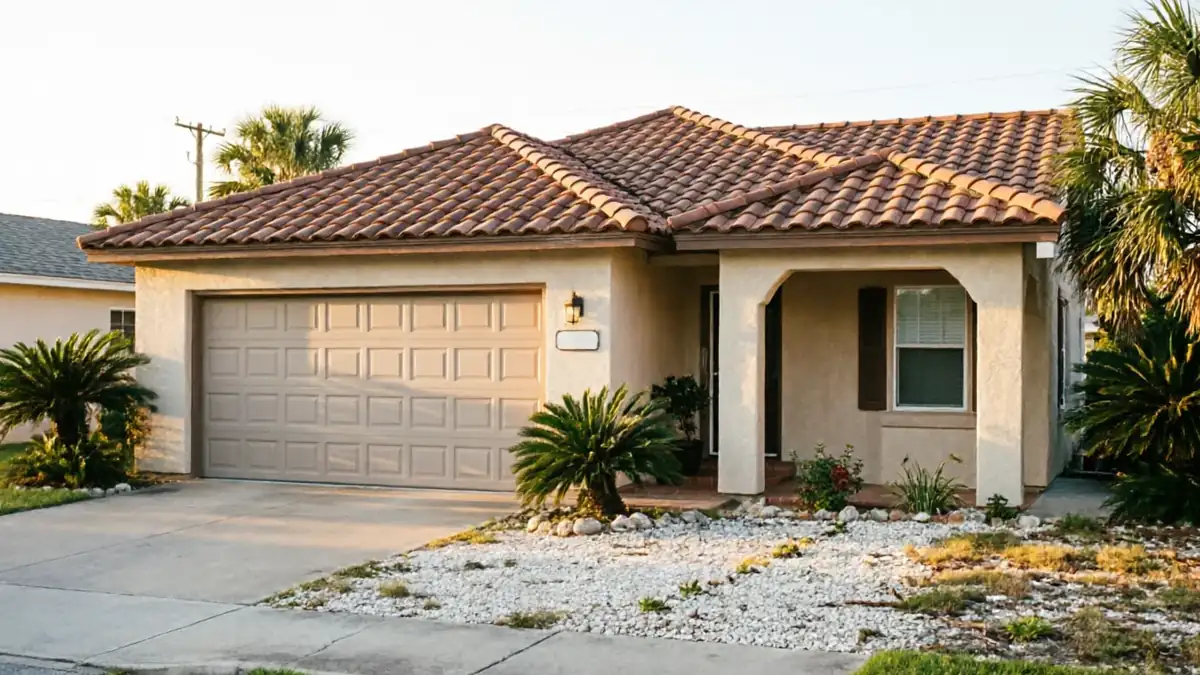
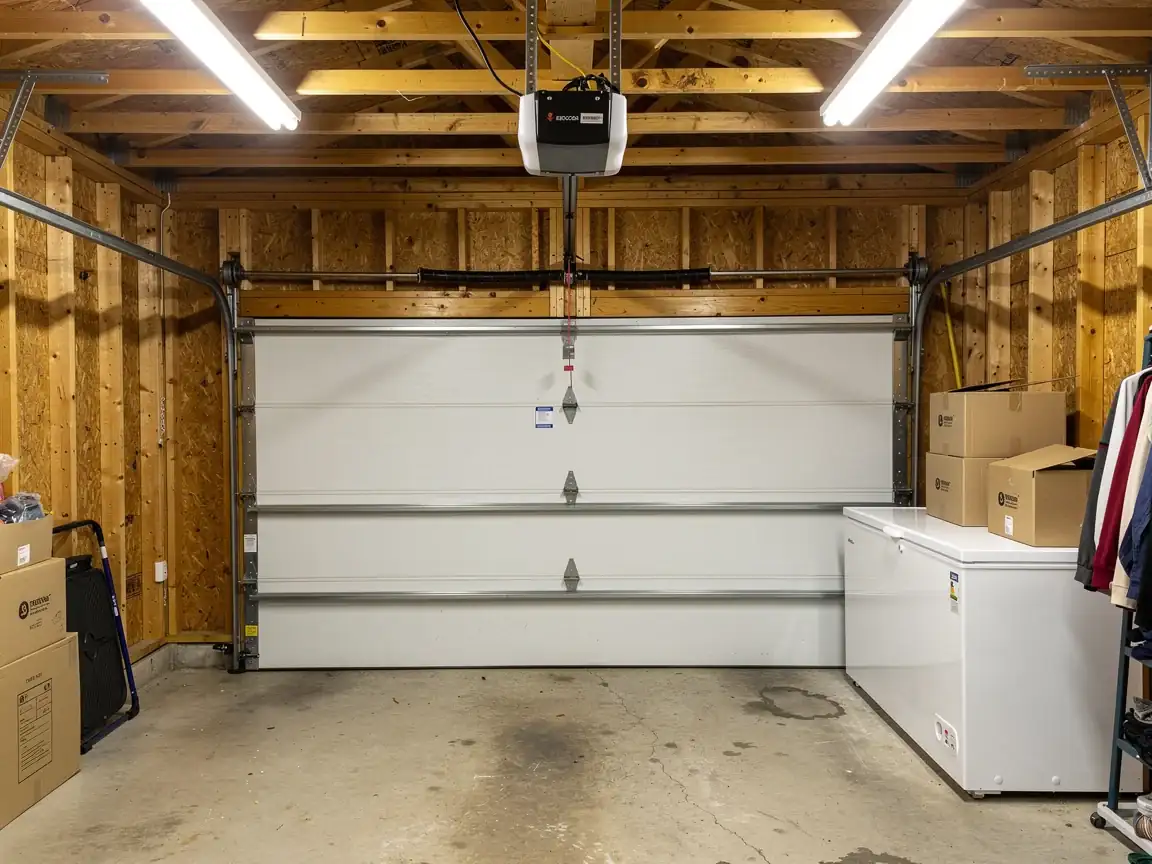
Deerfield Beach's housing stock centers on 1977, right in line with the broader 1968-2005 build window across the service area. That means a lot of garages here still have the hardware that came standard in the mid-to-late 1970s: steel sectional doors on torsion springs sized for lighter panel weights, and openers that have usually been swapped out once or twice already by the time we get the call. With 36,138 households in Deerfield Beach, that 1977 build year isn't a quirk of one street - it's the baseline for the area, which is why the failures we see tend to repeat across different blocks rather than cluster around one subdivision. Median household income here runs $56,976, and we keep that in mind when we lay out repair-versus-replace options, especially on doors where the track or frame has aged out faster than the spring. We're not guessing at what's behind the wall when we show up - the age of the house tells us most of what we need to know before we open the panel.
The Usual Work Here
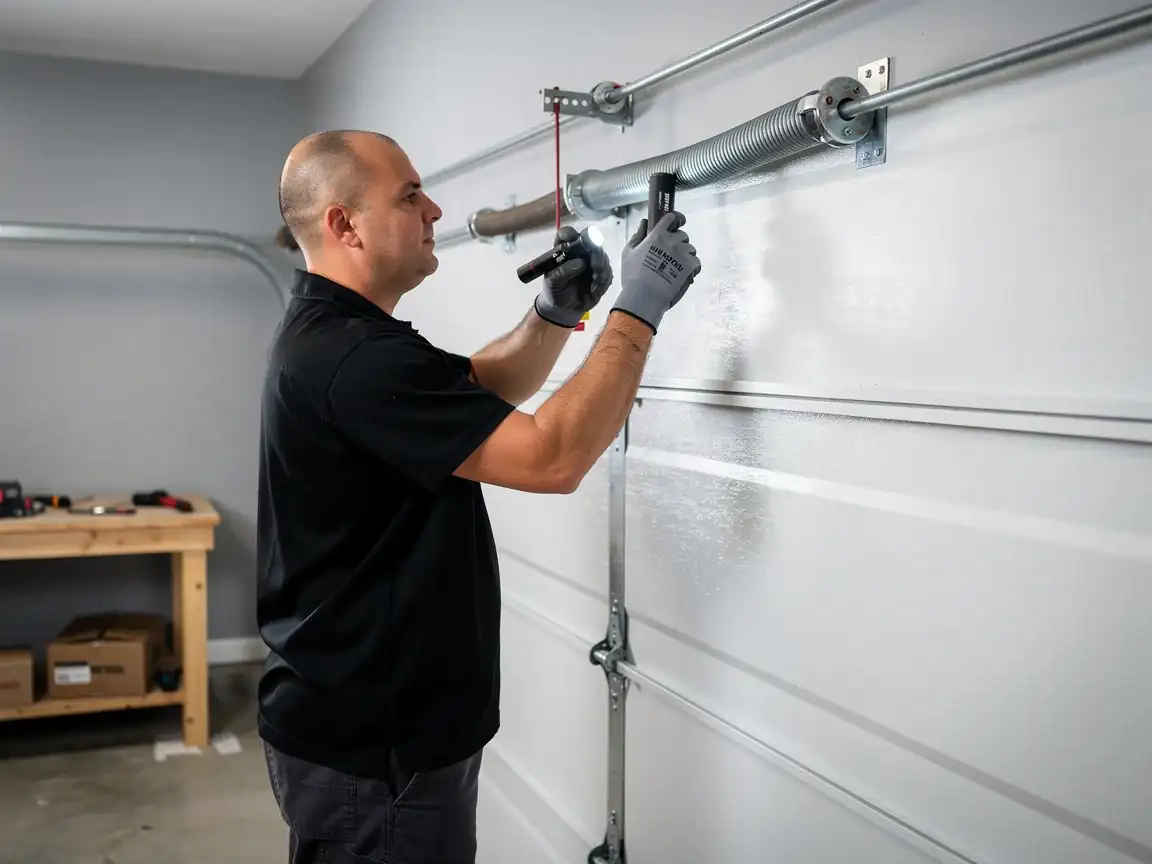
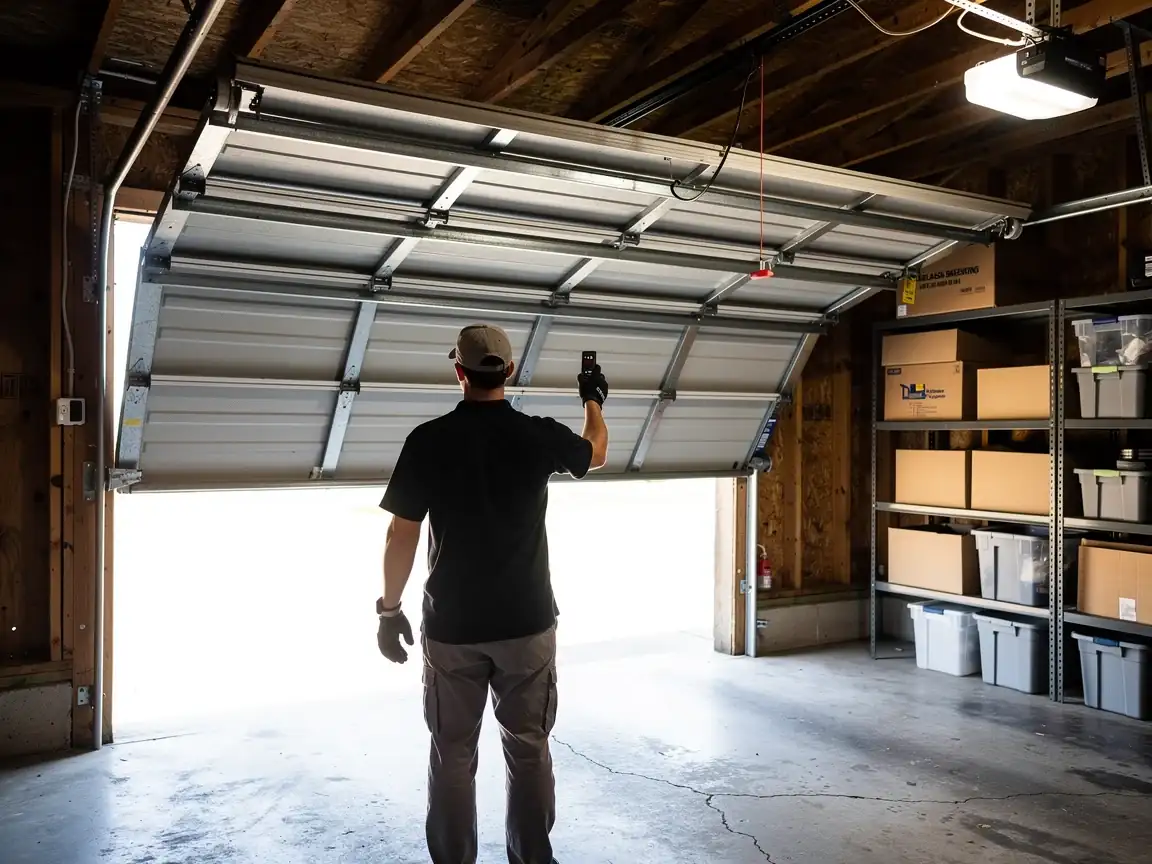
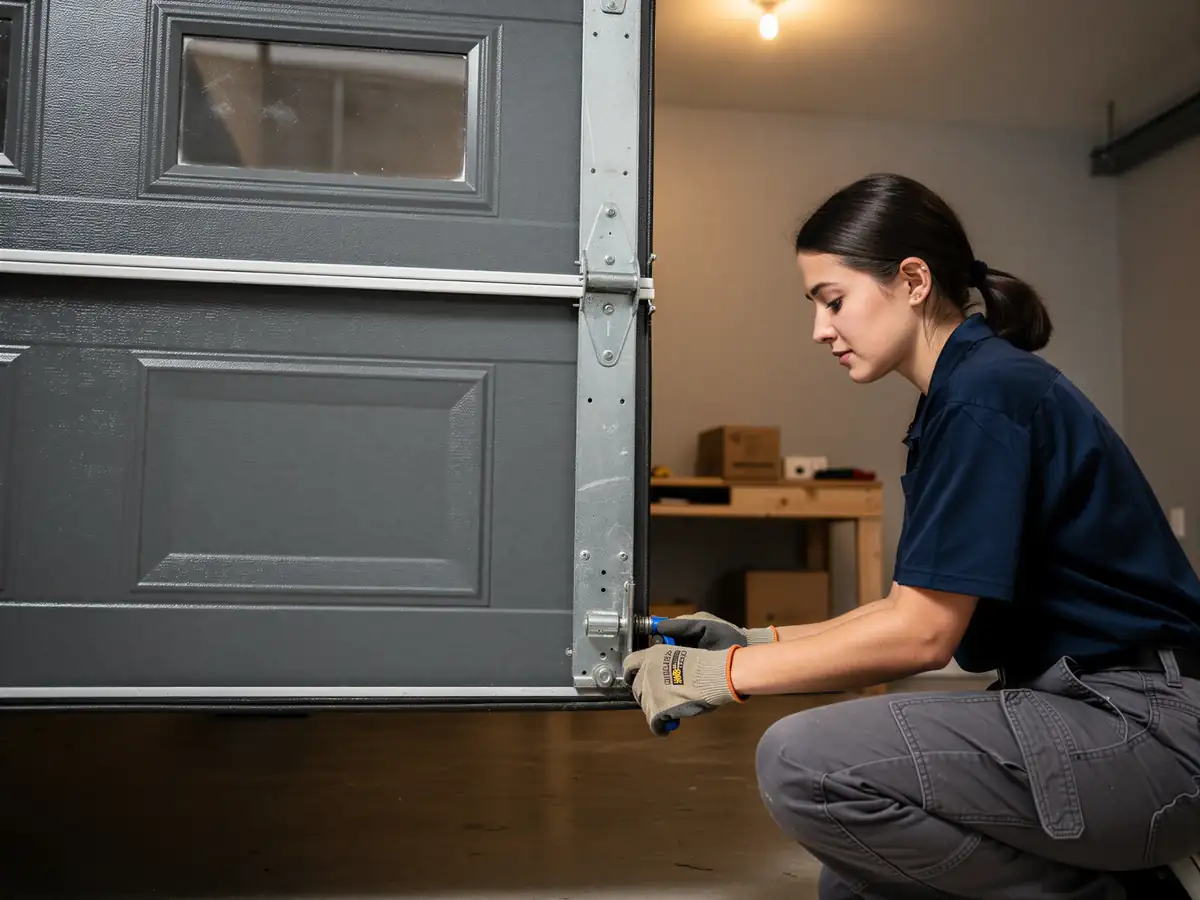
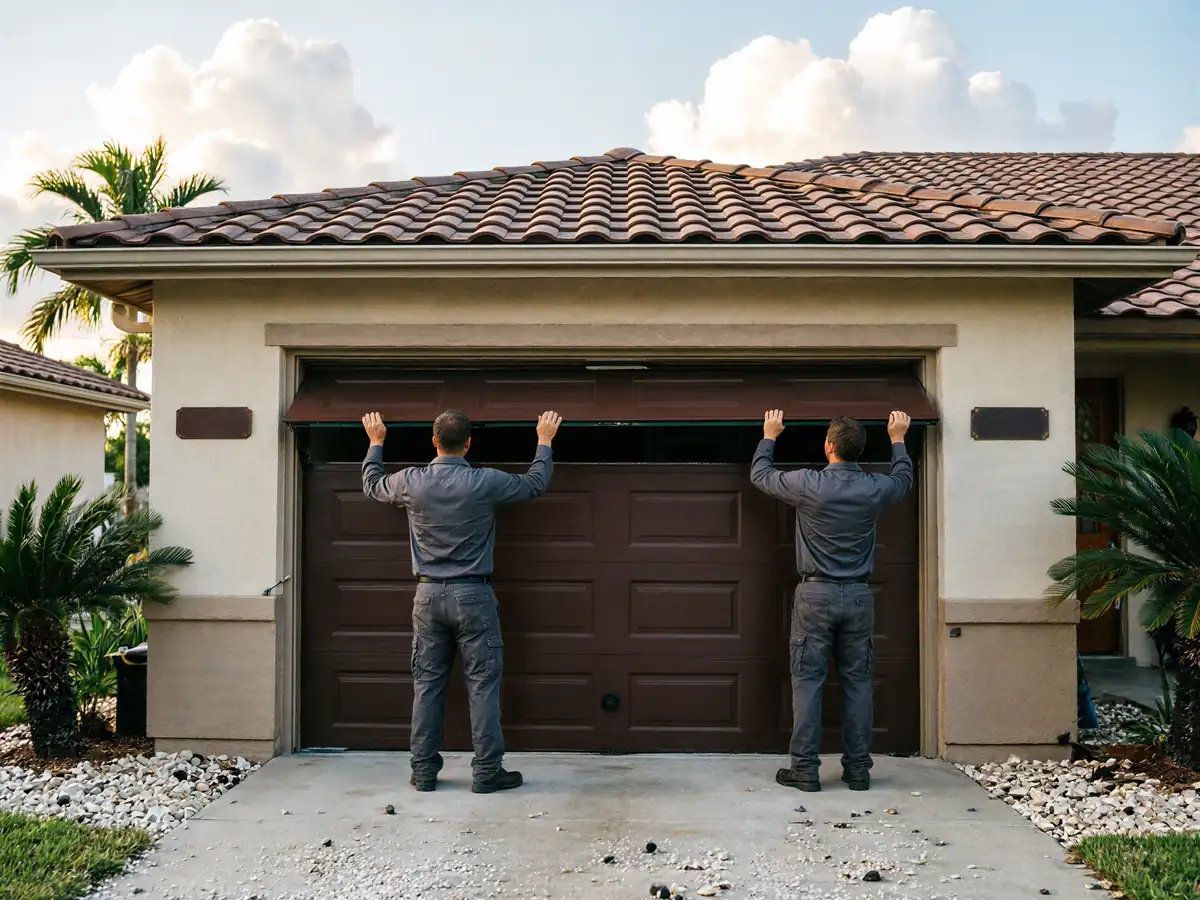
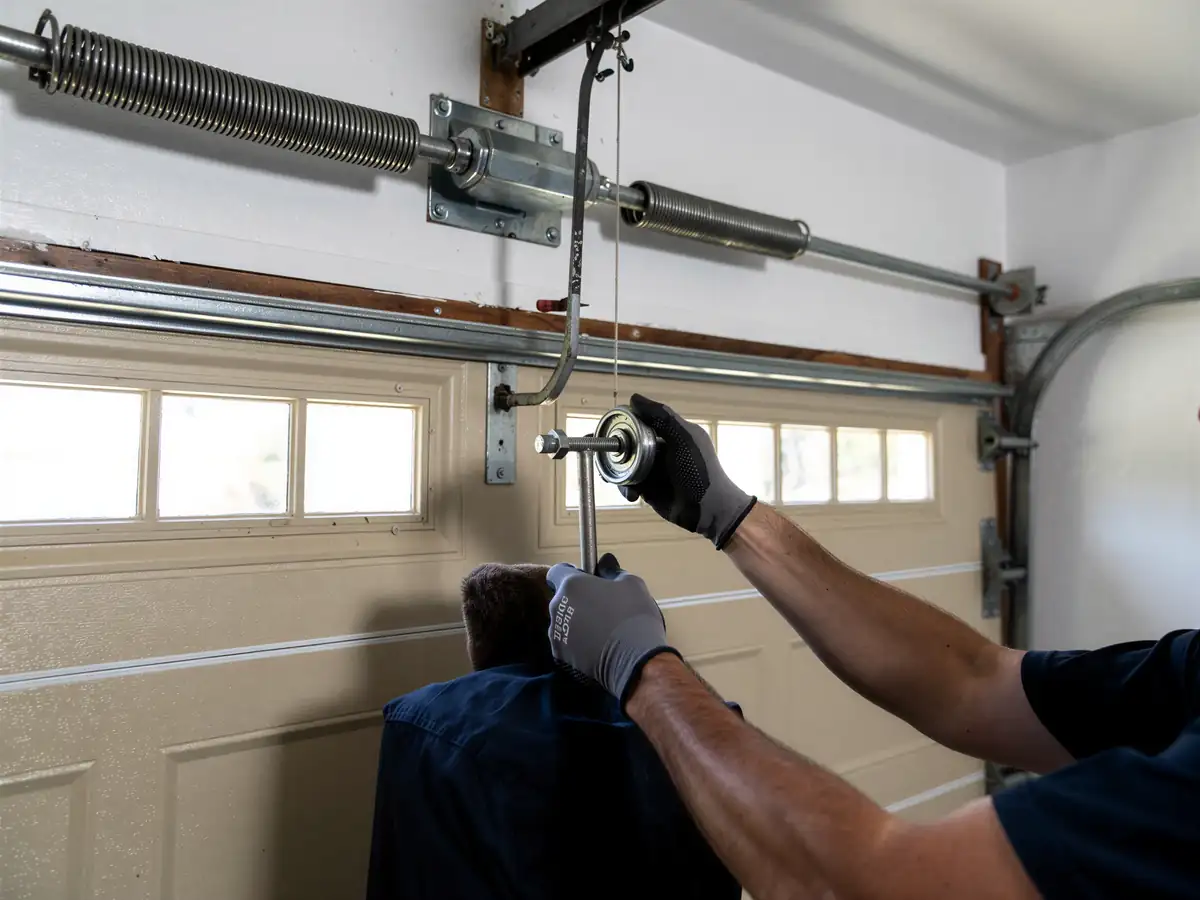
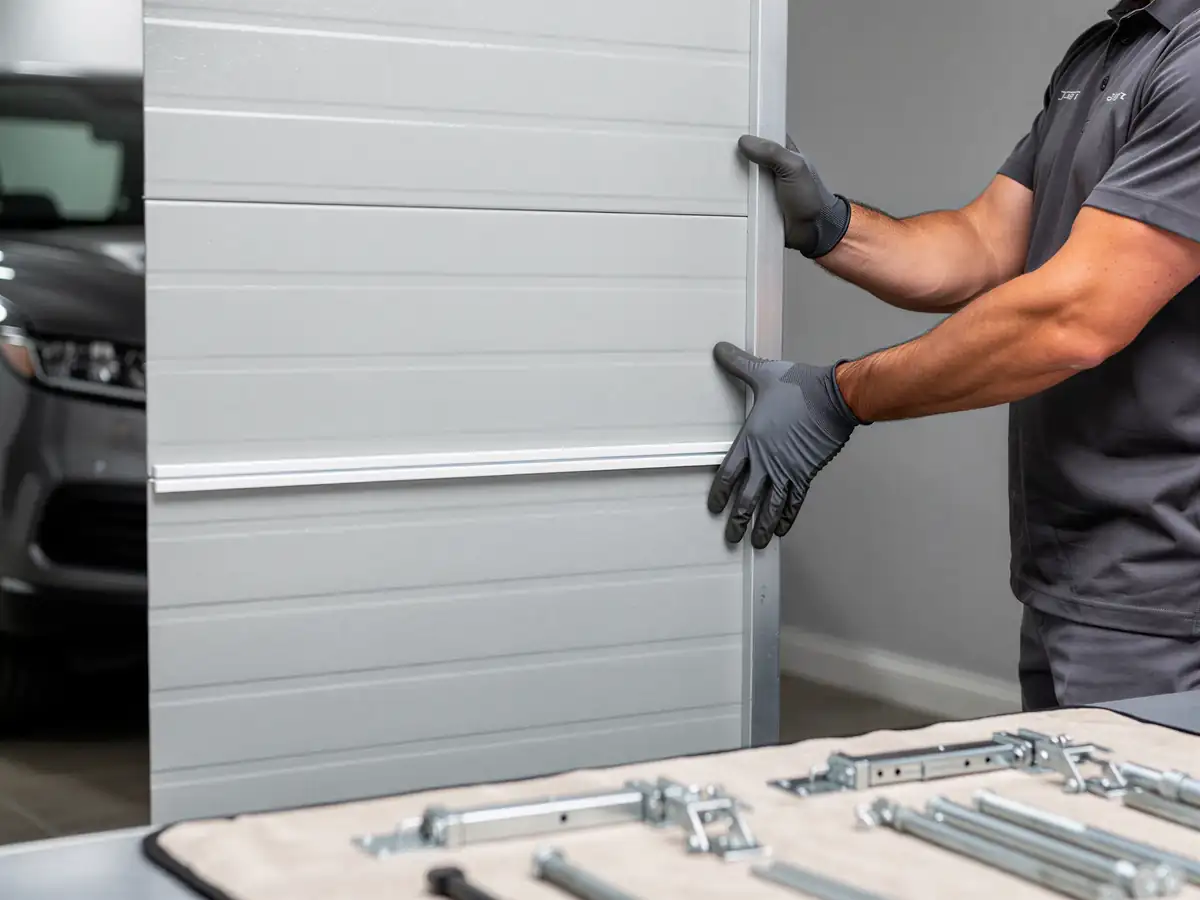
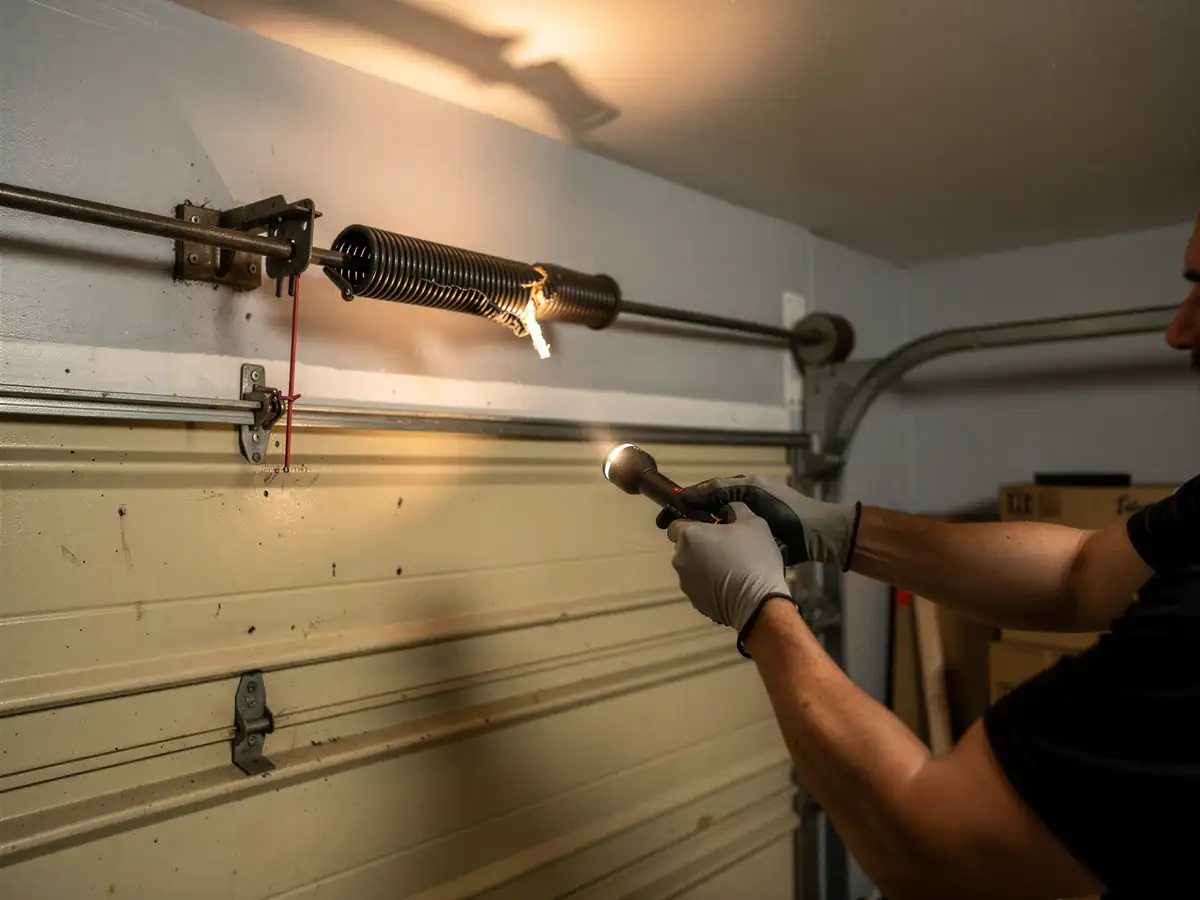
On a 1977-era door, the torsion spring is almost always the first thing to go, and on these older setups it's often a single spring carrying a double-car door that was never upsized when heavier insulated panels got swapped in later. We also see a fair amount of roller and hinge wear on steel doors that have been repainted a few times but never had the rollers replaced - nylon rollers from that era weren't built for South Florida's humidity, and the bearings seize before the panel itself shows any real damage. Cable fraying at the bottom bracket shows up often too, usually paired with a drum that's slightly out of alignment from years of minor adjustments. We don't replace a whole door just because the spring broke - most of these jobs are a spring and a roller set, not a full tear-out. Where we do recommend replacement is when the track has rusted through at the mounting brackets, which on this age of house is a structural call, not a cosmetic one.
How That Shows Up in the Door
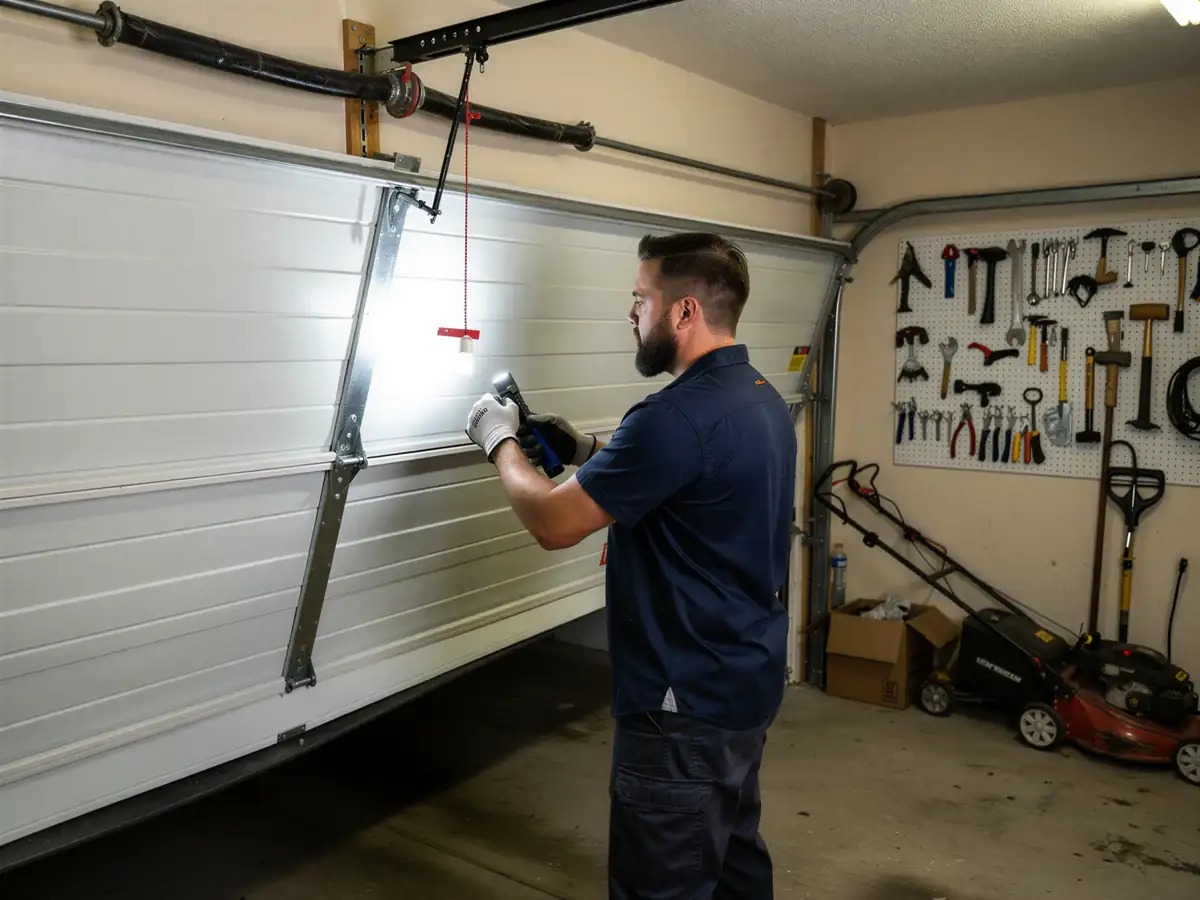
Put the housing age and the mild climate together and you get a specific failure pattern: metal fatigue and lubrication breakdown take doors out here long before rust or freeze damage would. Springs here fail from cycle count and heat exposure, not from ice buildup, so the fix is almost always about matching the right spring weight to the actual door rather than defrosting a stuck track. One honest limit: if the door's track brackets have pulled away from a rotted or water-damaged frame, that's carpentry work before it's garage door work, and we'll tell you that rather than bolt new hardware to a bad frame. For a house built around 1977, that's not a rare call - framing issues show up often enough in this age bracket that we check for it before quoting any track replacement.