How to Book
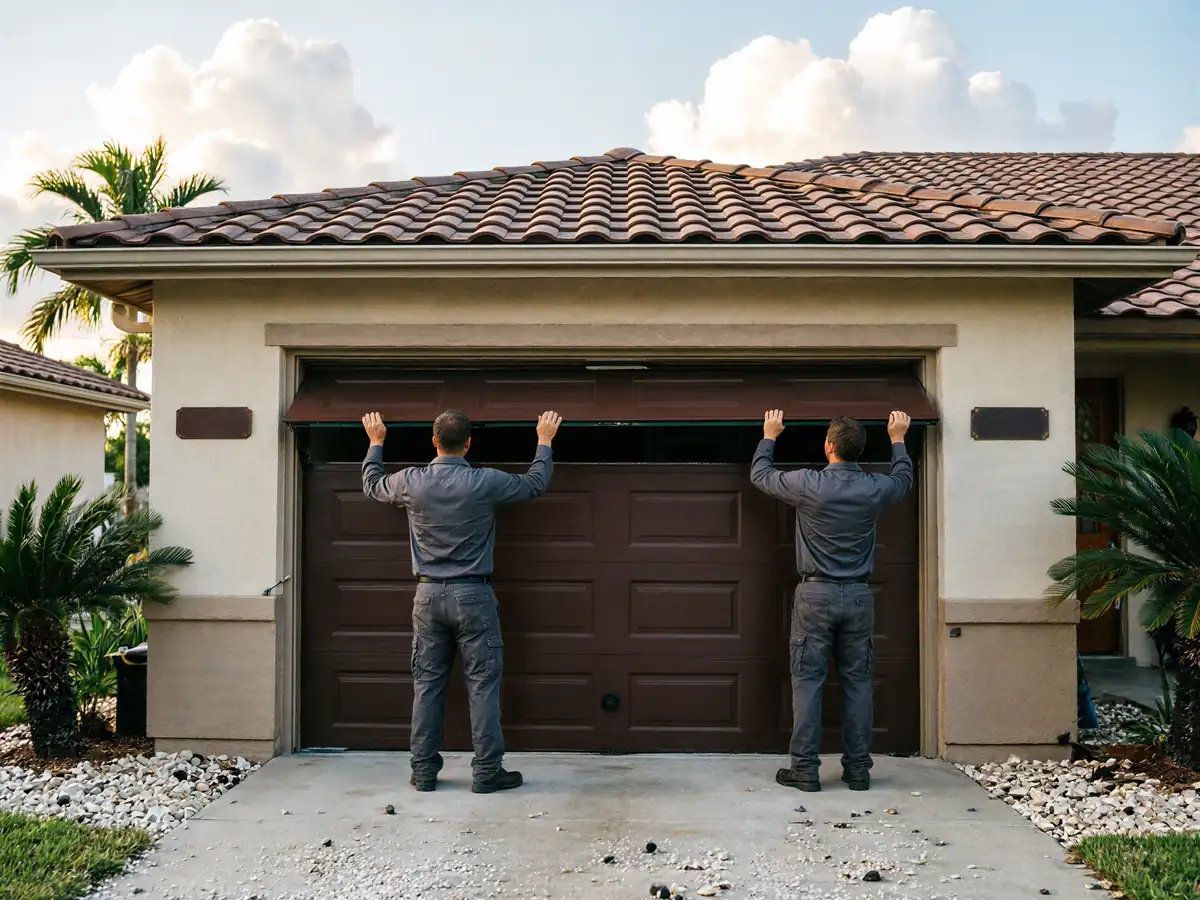
You call or book online and we send a truck out of Coral Springs, nine miles from Deerfield Beach. That's close enough to be a regular run for us, not a special trip, and it means the tech on your driveway has likely already worked on a door from the same building period this morning or the day before. We don't run a branch office in Deerfield Beach itself, so we won't pretend to a local depot - the job comes from Coral Springs every time, and we tell you that up front rather than dress it up. Give us the symptom (door won't open, spring snapped, opener grinding, door off track) and we'll tell you roughly what parts to expect us to bring based on what's common for houses built around here. If you know the rough age of your door or opener, that detail speeds up the visit more than almost anything else you can tell us.
What the Fix Involves
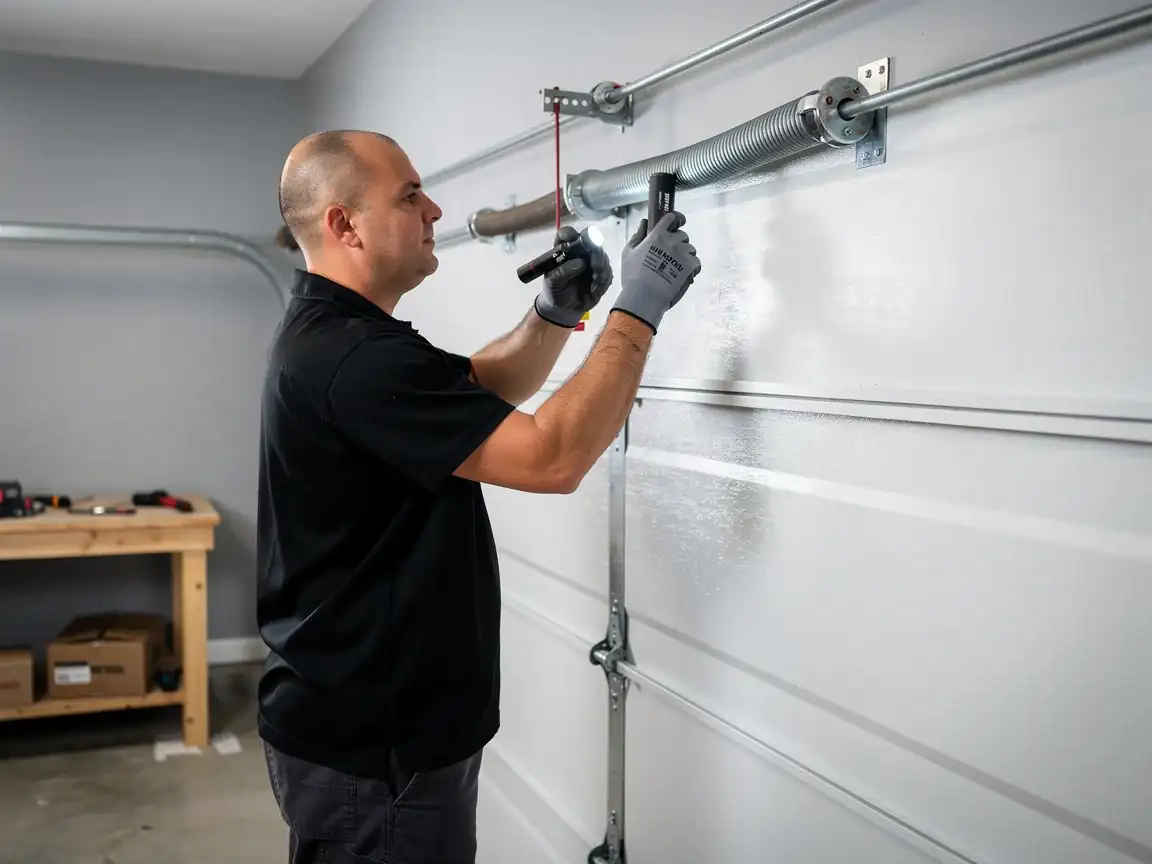
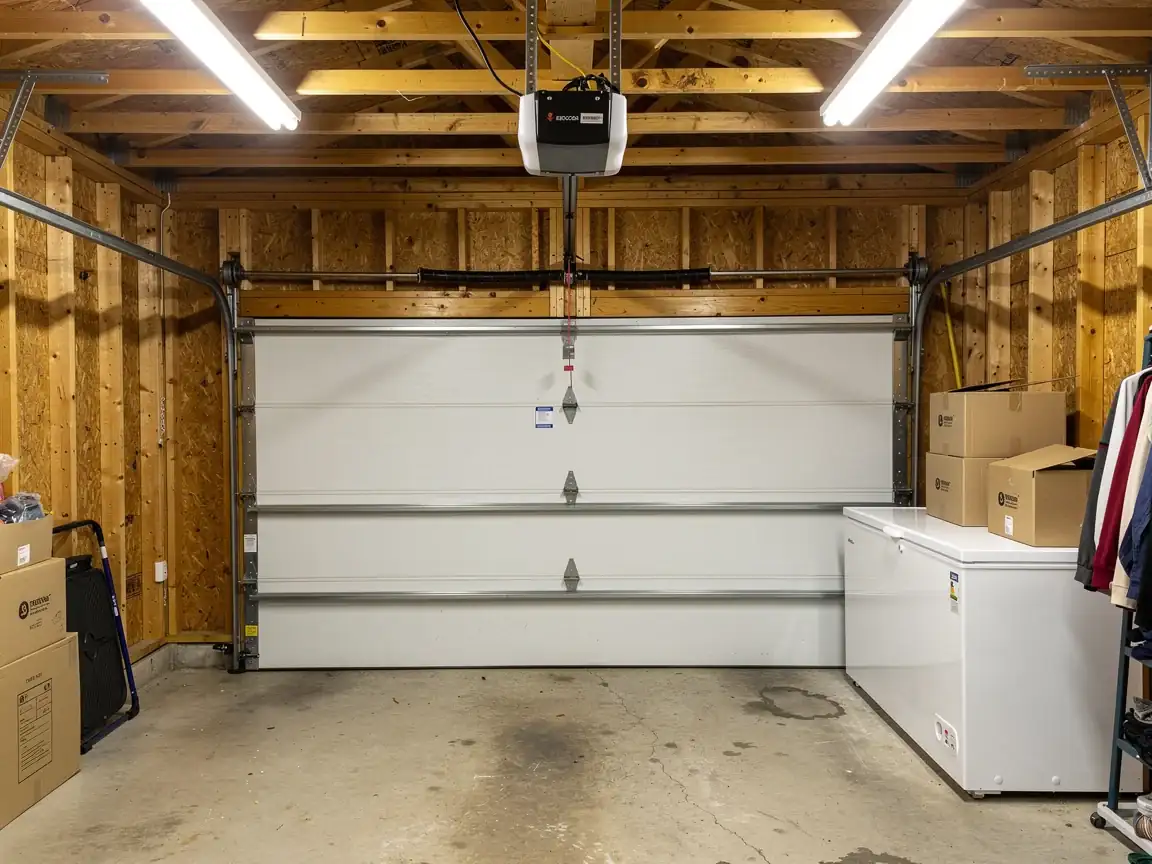
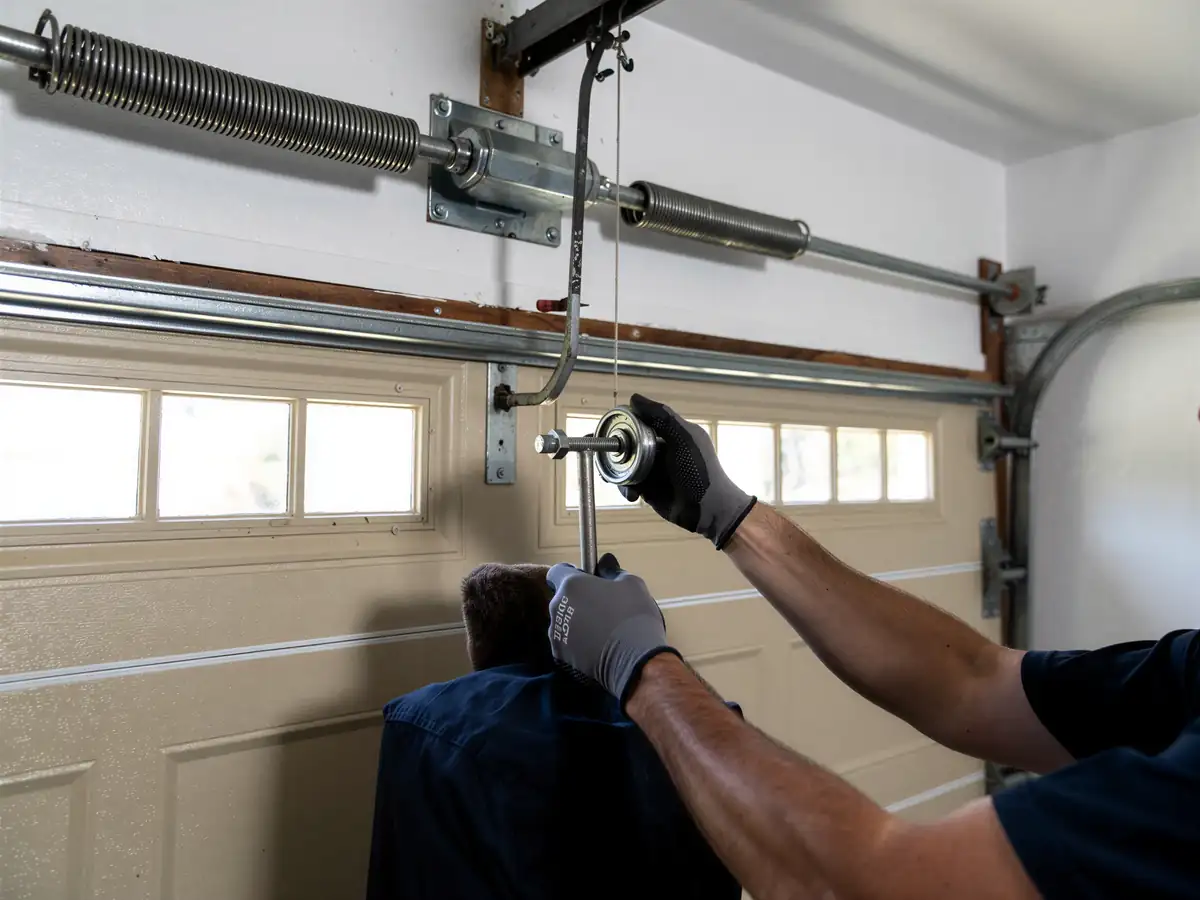
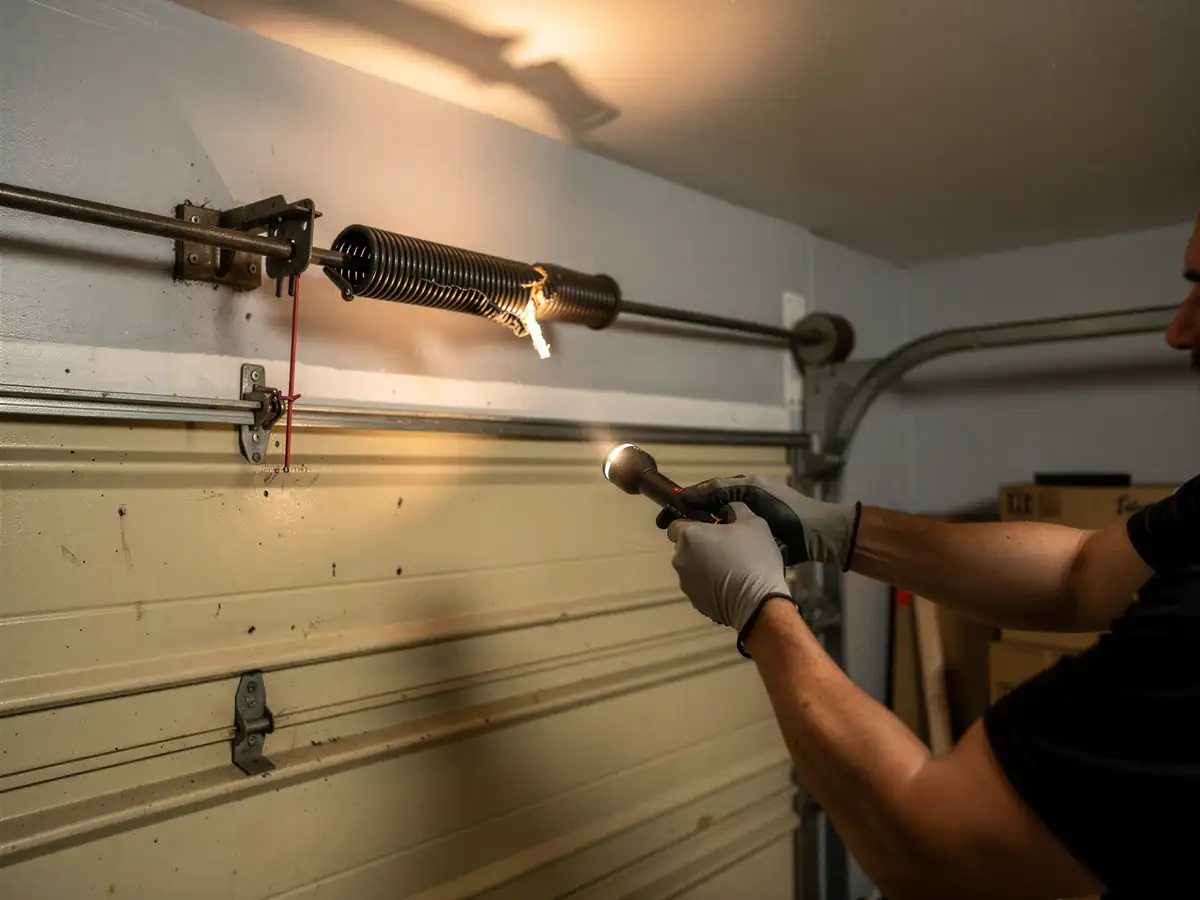
Deerfield Beach's housing stock runs older than a lot of the newer construction closer to our shop - the median year built here lands around 1977, which puts most garage doors and openers either original or on their second or third replacement cycle. A door from that era was almost always a single steel panel on a side-mounted torsion spring, sized for a lighter door than the insulated, double-layer panels sold today. The fix, nine times out of ten, isn't just swapping a part - it's confirming the spring size and drum still match whatever's hanging on the track, because a mismatched replacement from a prior repair is a common find on a house this age. We check the torsion bar, the end bearing plates, and the track plumb before we touch the spring itself, since worn mounting hardware on a 1970s-era frame can make a brand-new spring fail again inside a year if we skip that step.
What Can Go Wrong
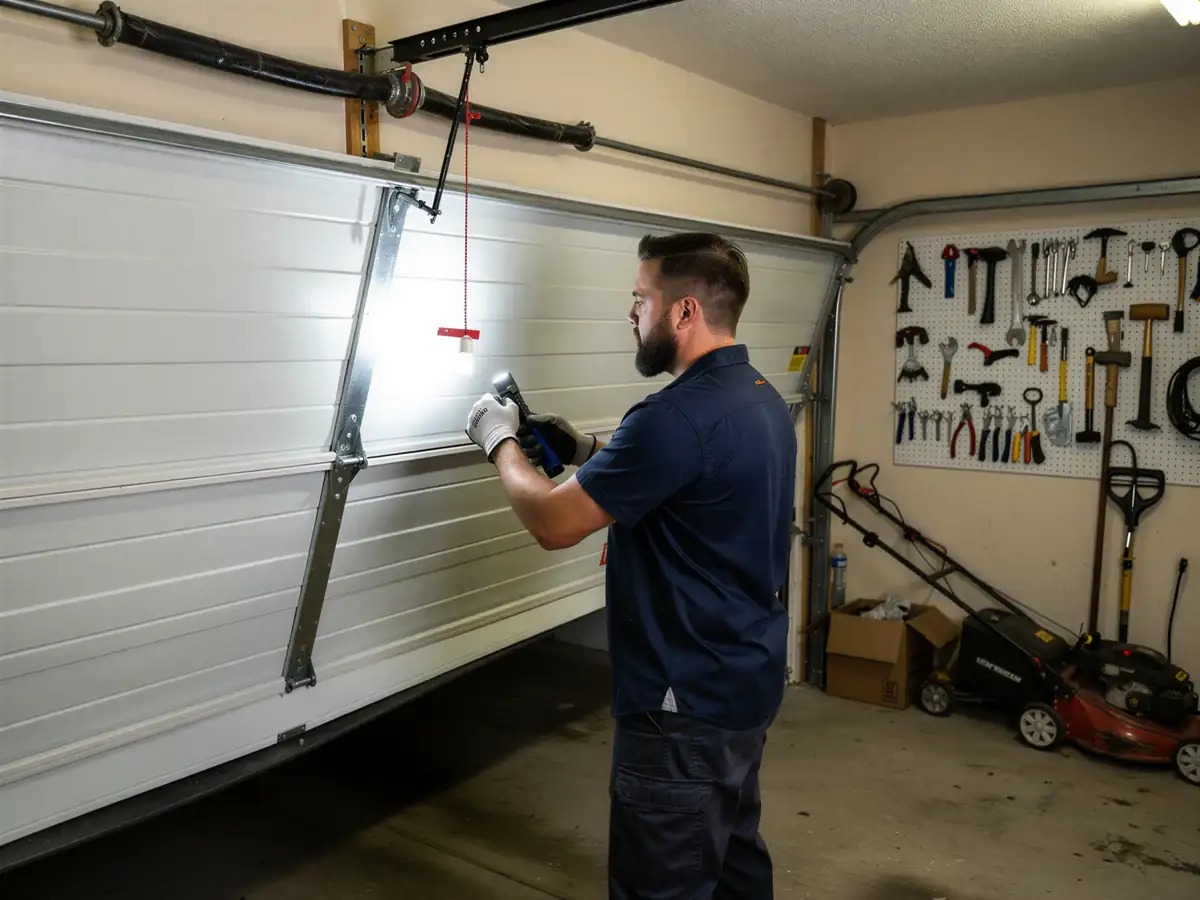
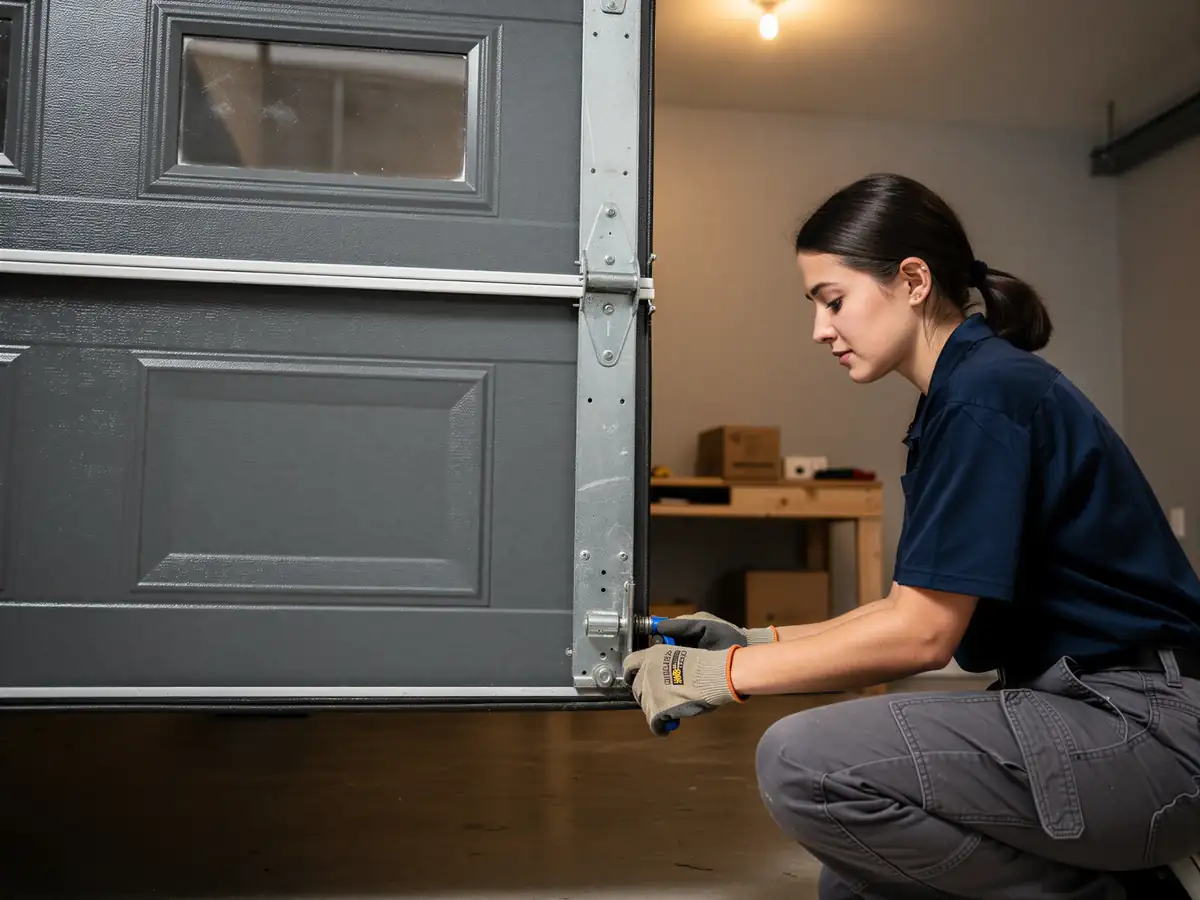
The most common call from this stretch of houses is a torsion spring that's simply worn out from age rather than from one dramatic failure - metal fatigue on a spring that's been cycling since the 1970s or 80s. Close behind that: rollers and hinges that have corroded enough to bind the door on the track, often made worse because the original track was sized for a lighter door than whatever's currently hanging on it after a past replacement. We also see brackets and center supports that have loosened over decades of use, which shows up as a door that shudders or drops unevenly rather than one that won't move at all. The one thing that isn't worth fixing: if the door itself is rusted through or the panels are separating at the seams, patching the opener or spring doesn't solve the underlying problem, and we'll say so rather than charge you for a repair that won't hold.
Why This Fails Locally
Deerfield Beach has 36,138 households and a median income of $56,976, lower than some of the areas sitting closer to our Coral Springs shop. That combination shows up in the calls we get: more owners asking us to repair the spring or the opener logic board rather than replace the whole door, and more doors that have had one part swapped at a time over the years instead of a full unit replaced at once. That's not a criticism - it's a reasonable way to spread out cost on a house built decades ago - but it does mean more mismatched hardware to sort through on arrival. A door that's been patched piece by piece since the late 1970s often has a spring from one decade, a drum from another, and an opener bolted on sometime after that, and the fix starts with figuring out which parts actually belong together before we replace anything.