How to Book
We run this job out of Coral Springs, about nine miles from Deerfield Beach, so there's no local branch to call - you book with us directly and we drive the truck out. That distance doesn't change the work once we're on site, but it does mean we schedule the visit rather than drop in same-hour. Tell us the door's age if you know it, how many panels are dented or cracked, and whether the door still opens and closes on track. Most houses in this part of the county went up around the median year of 1977, and that single detail changes what we bring on the truck more than almost anything else you could tell us. If the door still has its builder-grade panel profile from that era, we'll need to know before we leave the shop, not after we've shown up with the wrong stock. A phone call with that information saves a second trip. See our Deerfield Beach service area page for what else we cover out here, or the main panel replacement page for the full rundown of the service itself.
What the Fix Involves
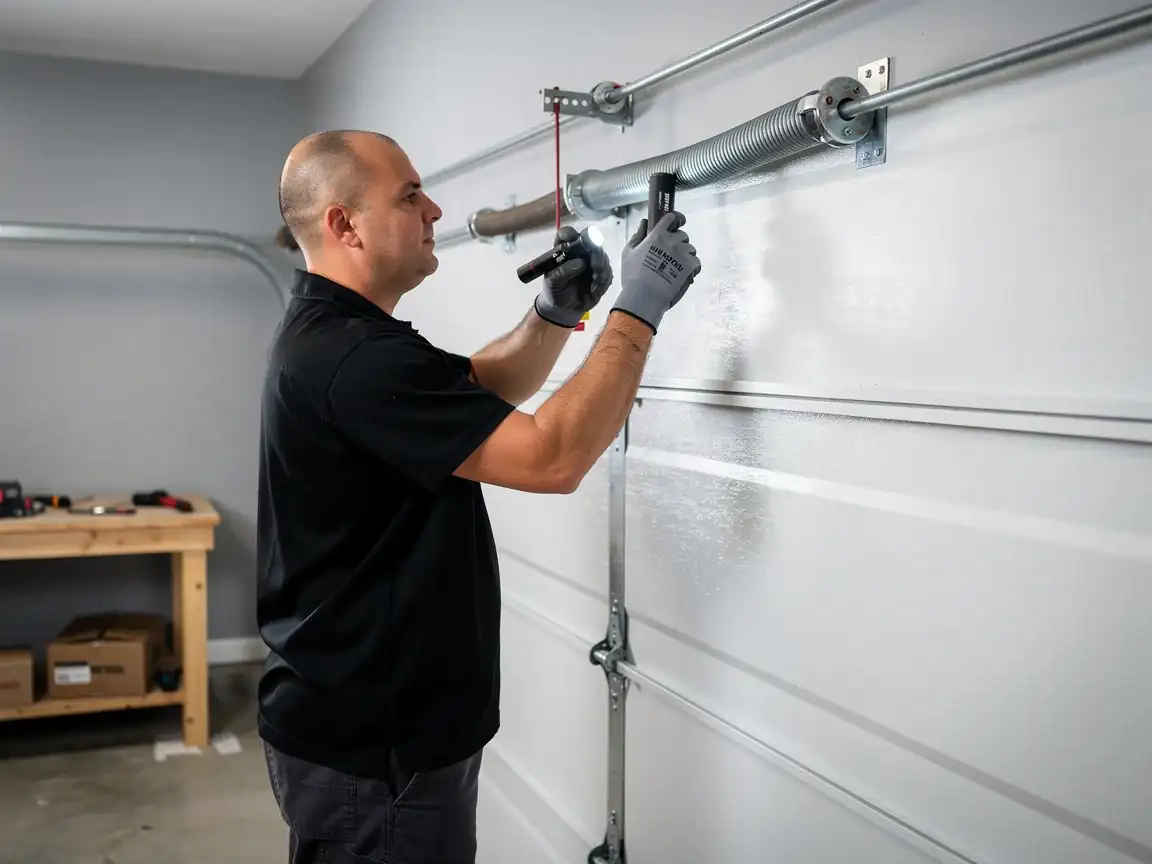
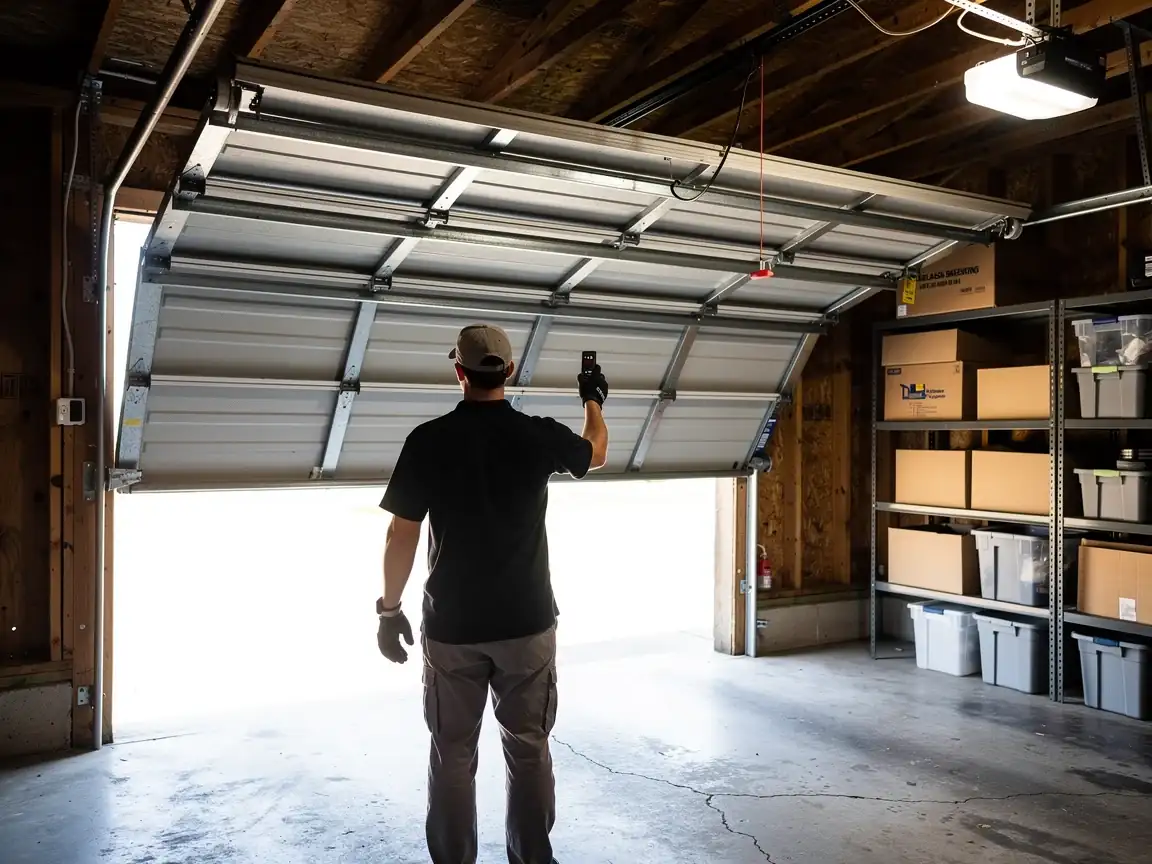
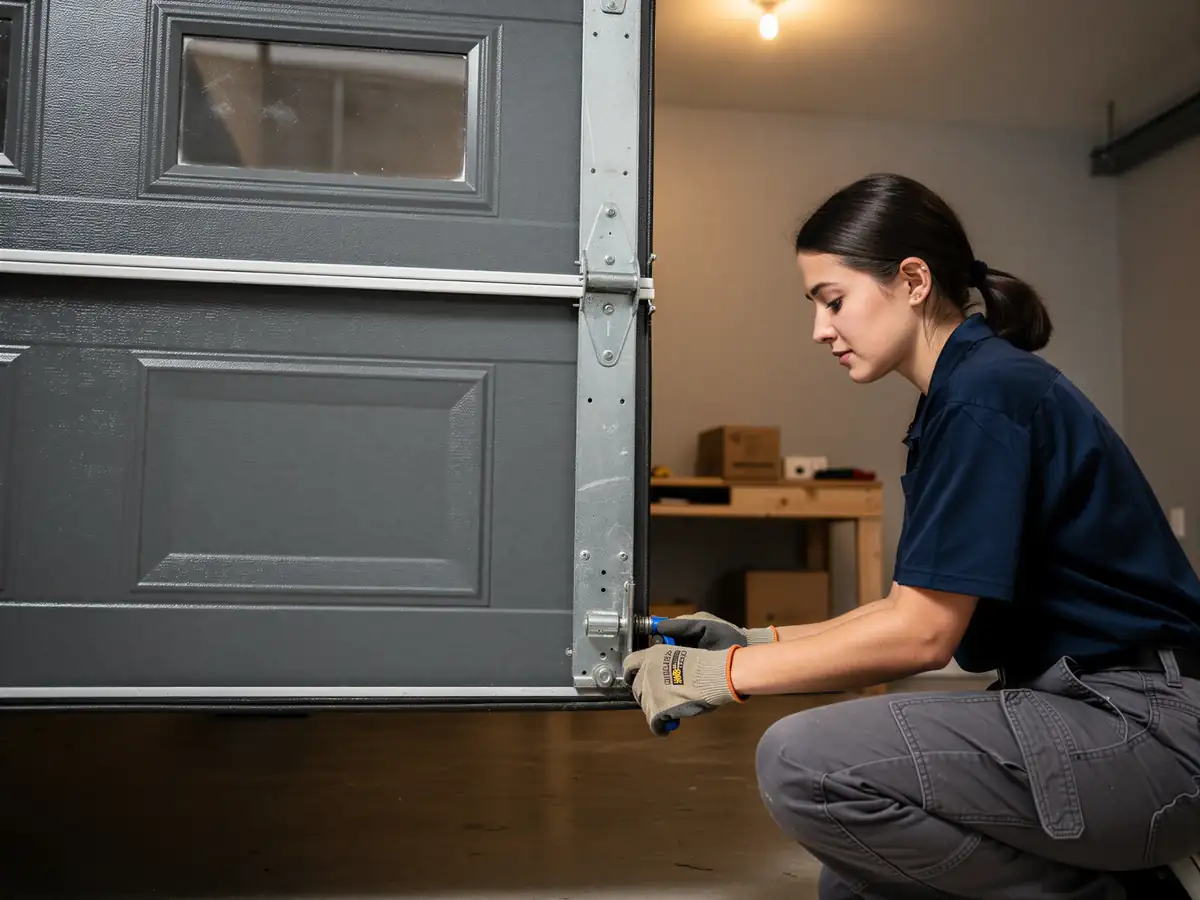
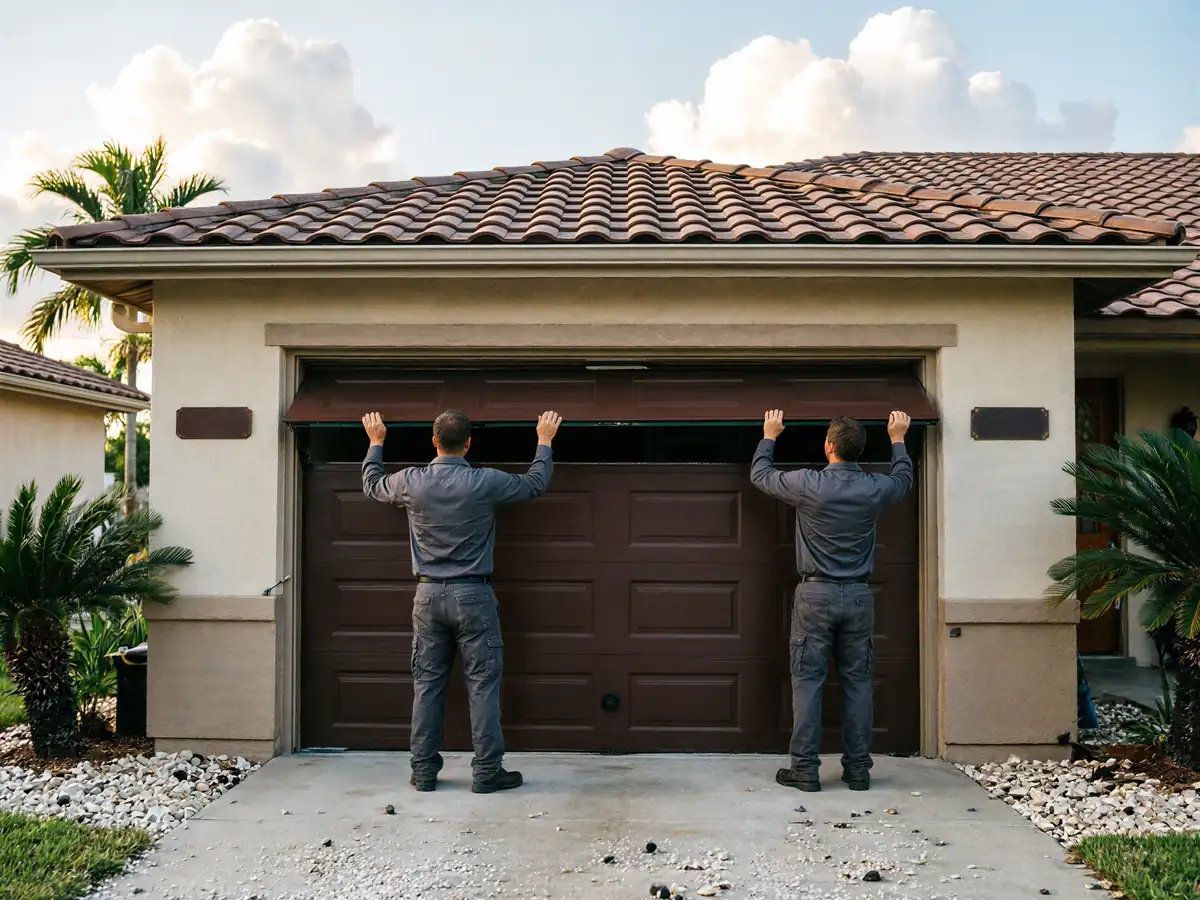
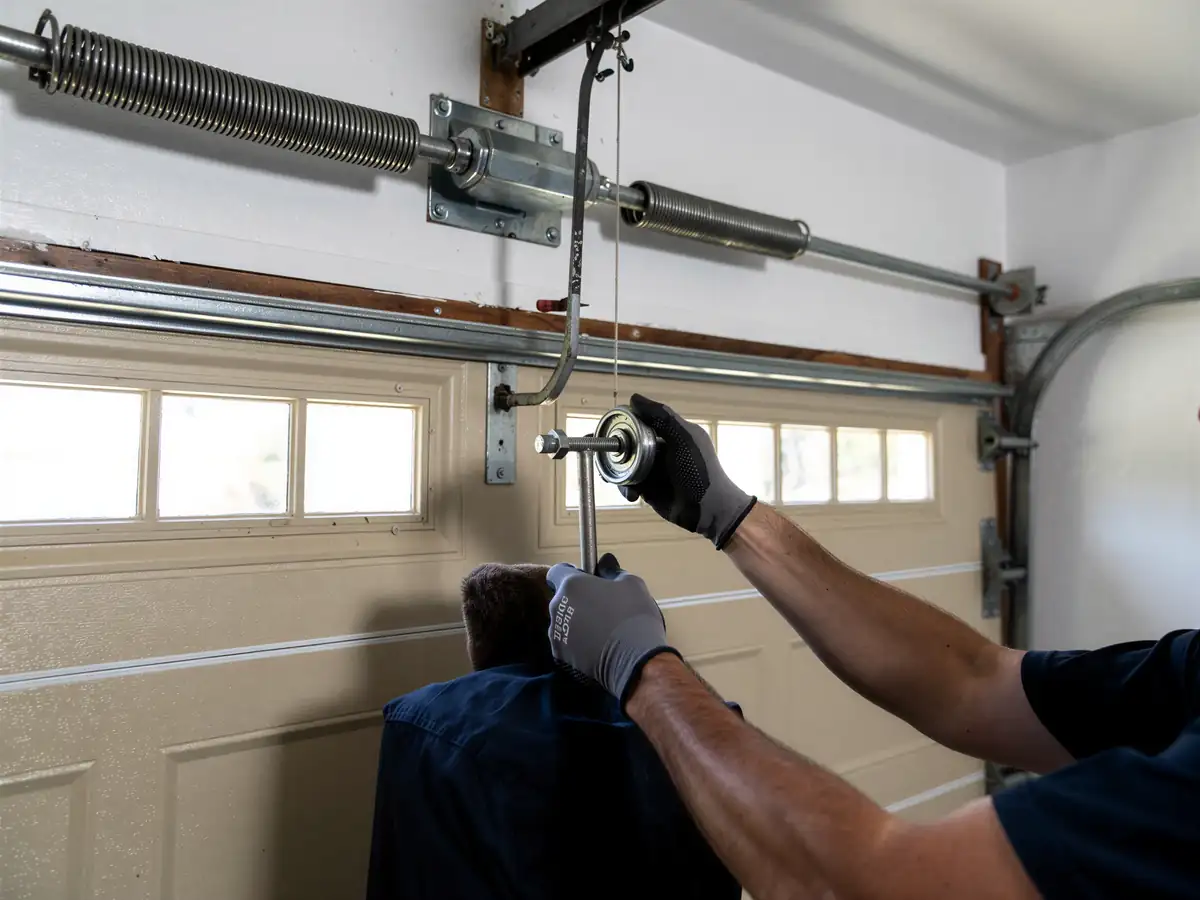
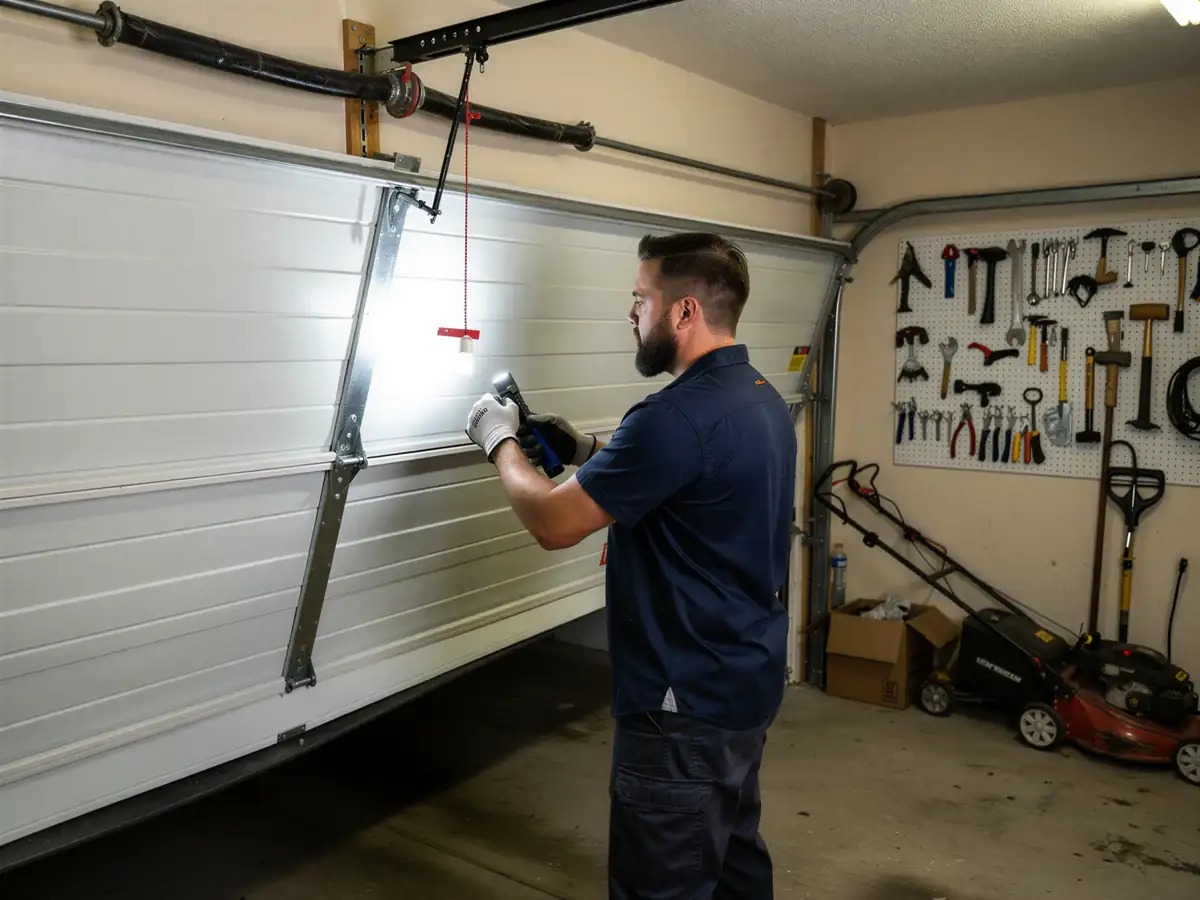
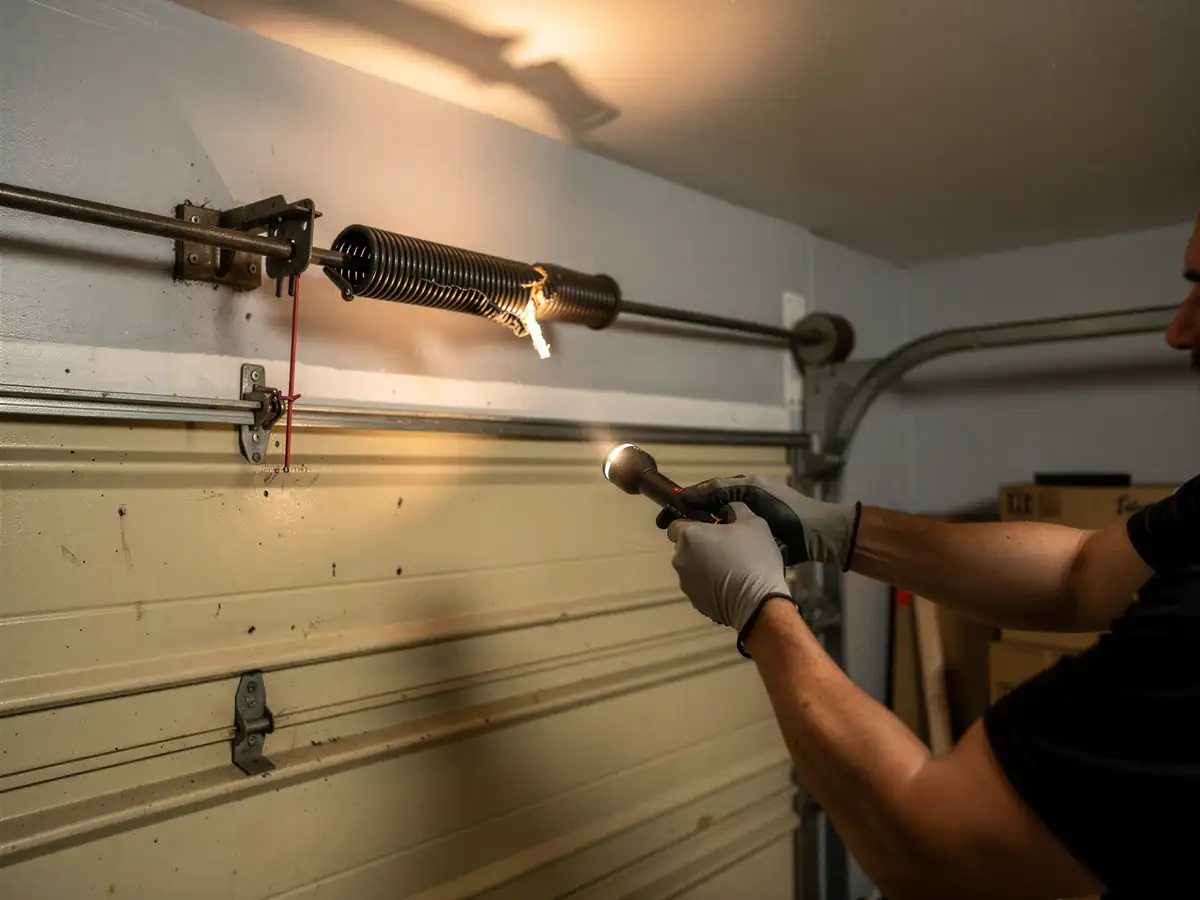
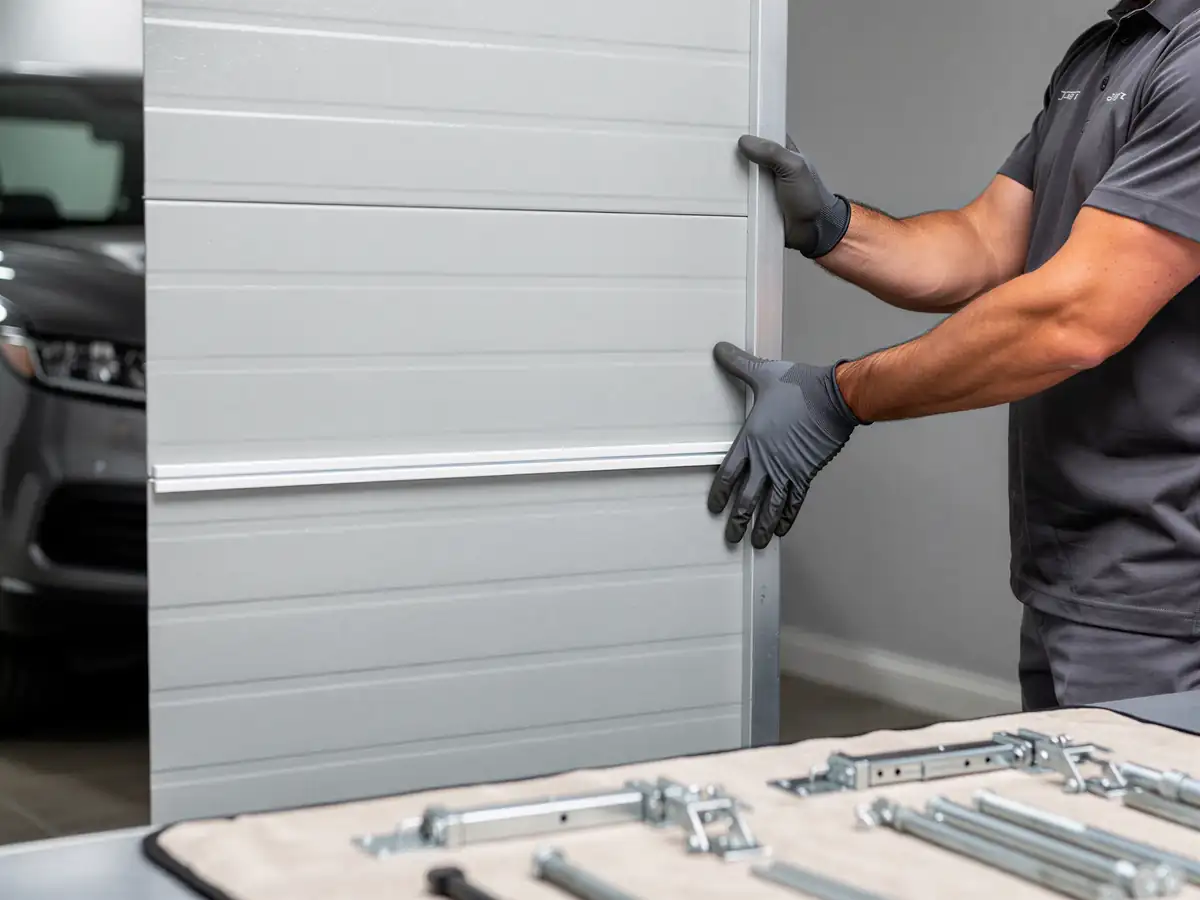
Panel replacement is not a full door swap - we pull the damaged section, or sections, off the hinges and set in a matching piece, then check the new panel's weight and balance against the spring setup already on the door. On a door from the 1977 build era, that spring was sized for the original panel material, which is usually a heavier gauge steel than what gets installed today. Swap in a lighter modern panel without checking the balance and the door will slam down fast on the next close. So the real work isn't the panel itself, it's matching it to hardware that's been doing the same job, unchanged, for decades. We test the track alignment on both sides, because a bowed or dented panel often means the rollers have been running crooked for a while before anyone noticed. If the roller channel shows wear from that, we'll flag it rather than just bolt in a new panel and leave the underlying problem in place. That's the difference between a repair that holds and one that comes back in a year.
What Can Go Wrong
The most common failure on an older panel job is color and texture mismatch - a 1977-era door that's faded under sun for decades next to a panel straight off the production line looks like two different doors, even when the profile matches perfectly. Second most common: the stiles and brackets on an original door were built to dimensions that drifted slightly over the decades as manufacturers changed their lines, so a panel that should bolt straight on needs field trimming or a bracket swap to actually sit flush. Third, and this one costs real money if missed: replacing a damaged panel on a door whose spring was never resized changes the balance enough that the opener starts straining on every cycle, which burns out the opener motor faster than the panel work was ever meant to cause. We check for all three before we call the job finished, but a homeowner working from a photo and a guess won't catch any of them until the door's already hanging wrong.
Why This Fails Locally
The climate here sits in the mild temperate band, which sounds like it should be easy on a garage door, and mostly it is - no freeze-thaw cycle cracking panels from the inside the way it does further north. What it does instead is bake steel and fiberglass panels under steady sun and humidity year-round, which fades paint unevenly panel by panel depending on which side of the door gets more light, and that's exactly what makes a single-panel repair visually obvious here in a way it wouldn't be in a climate with more weather variation to even things out. Deerfield Beach's household income runs below the wider service area's median of $68,424, and that number matters for one practical reason: it's often the deciding factor in whether a homeowner chooses a $56,976-household-income-bracket repair - a matched panel swap - over a full door replacement when both are technically on the table. We lay out both costs on the call so that decision is yours, made with real numbers, not ours.