How to Book
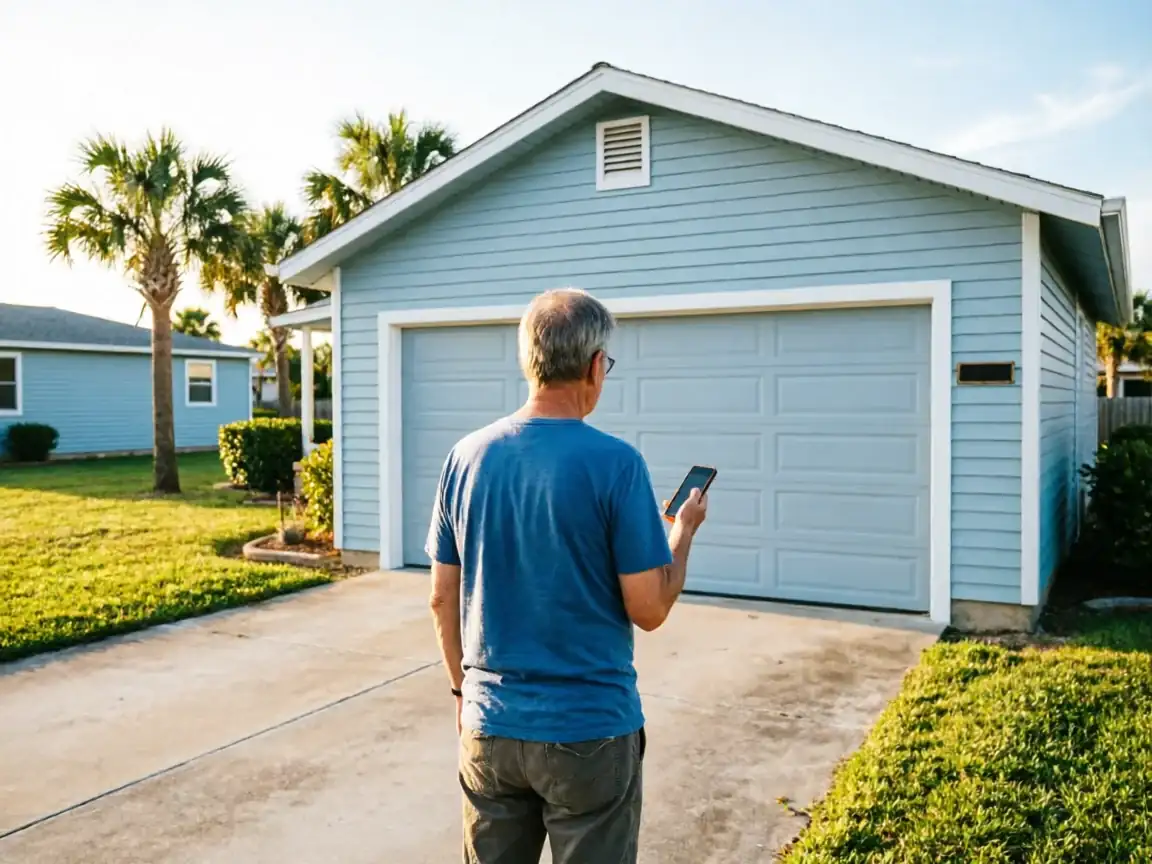
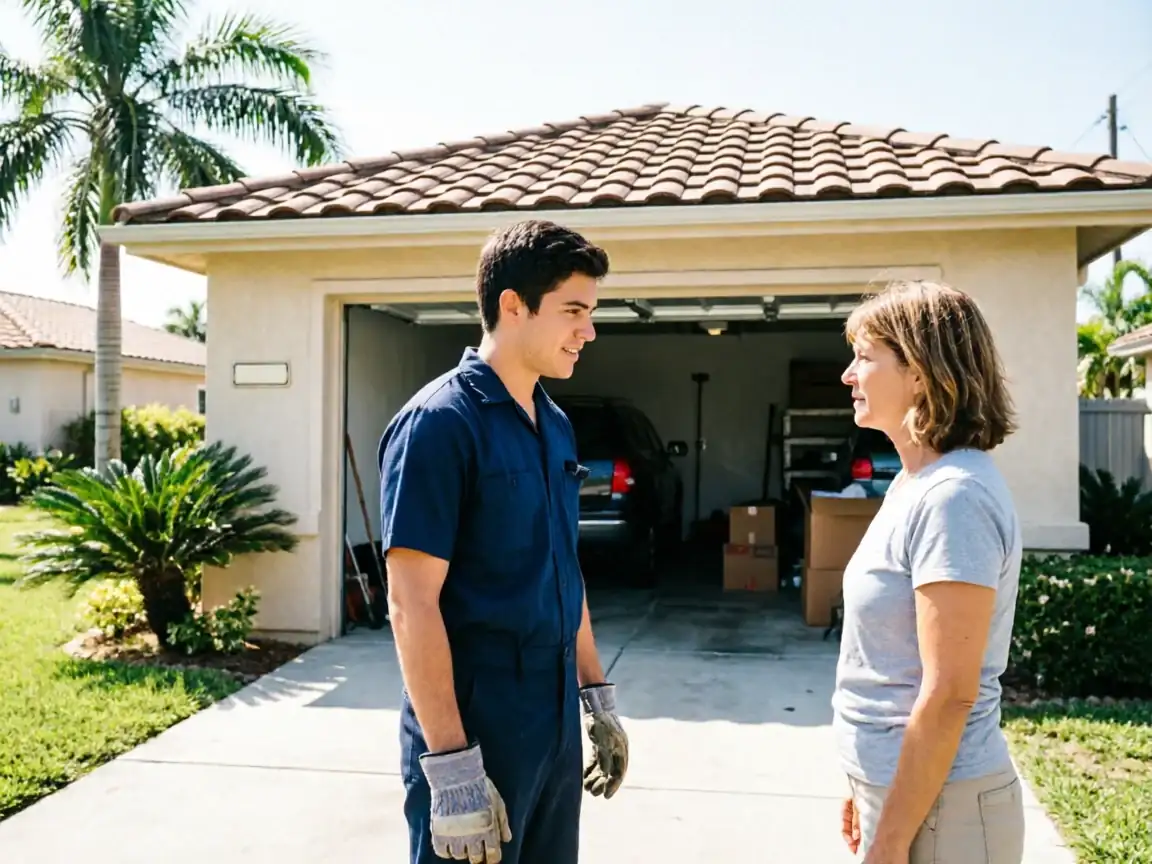
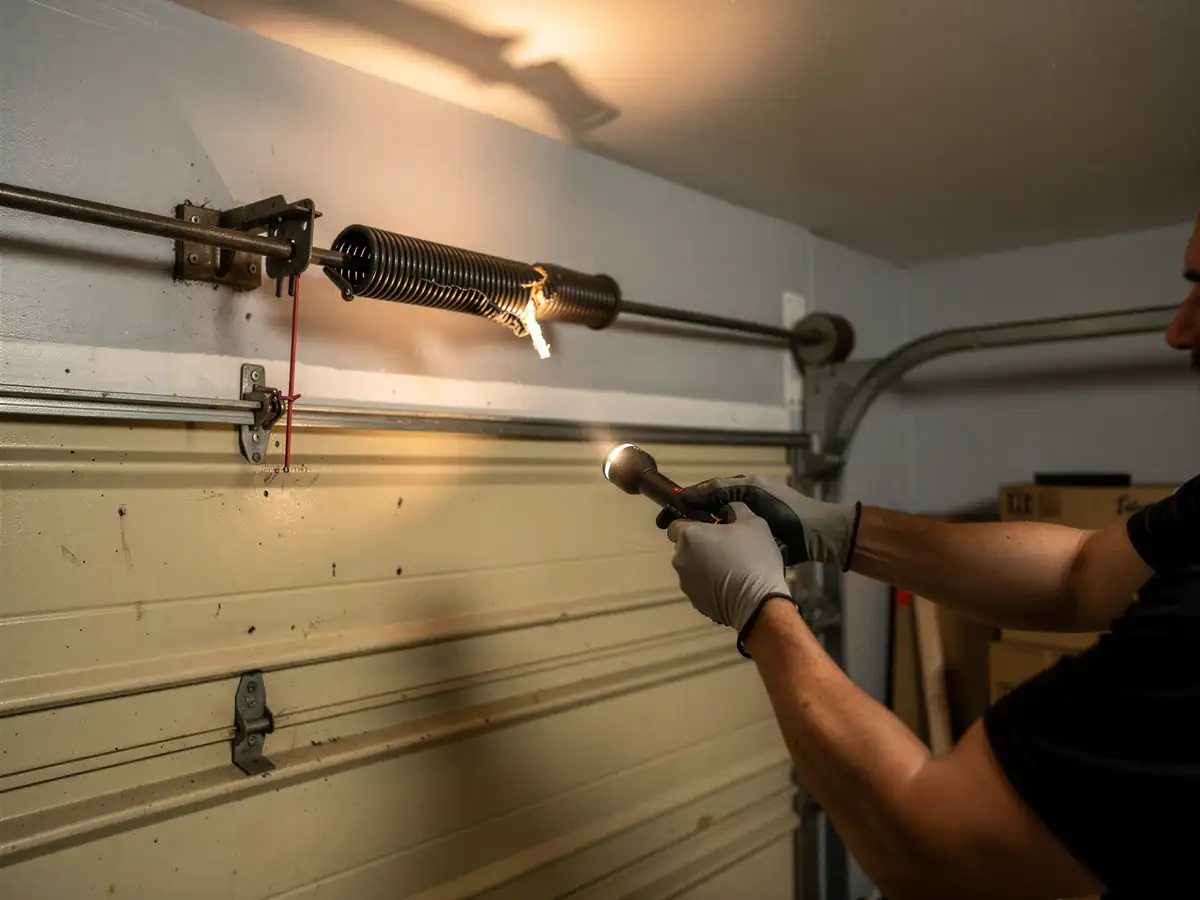
Deerfield Beach sits about nine miles from our Coral Springs shop, so a call here isn't a five-minute hop - it's a trip we build into the day's route the same as any other stop on that stretch of the service area. That means we ask more up front: what the door is doing, whether it's stuck open or shut, whether anyone's trapped a car inside. The more you tell us on the phone, the less we spend diagnosing once the truck is parked in your driveway. We don't carry a branch or a stocked warehouse in Deerfield Beach itself - everything on the truck came from Coral Springs that morning, which is why we'd rather load the right spring and the right hinge kit before we leave than guess twice. If you can send a photo of the broken part or the busted spring coil, do it. It saves the trip from turning into two trips.
What the Fix Involves
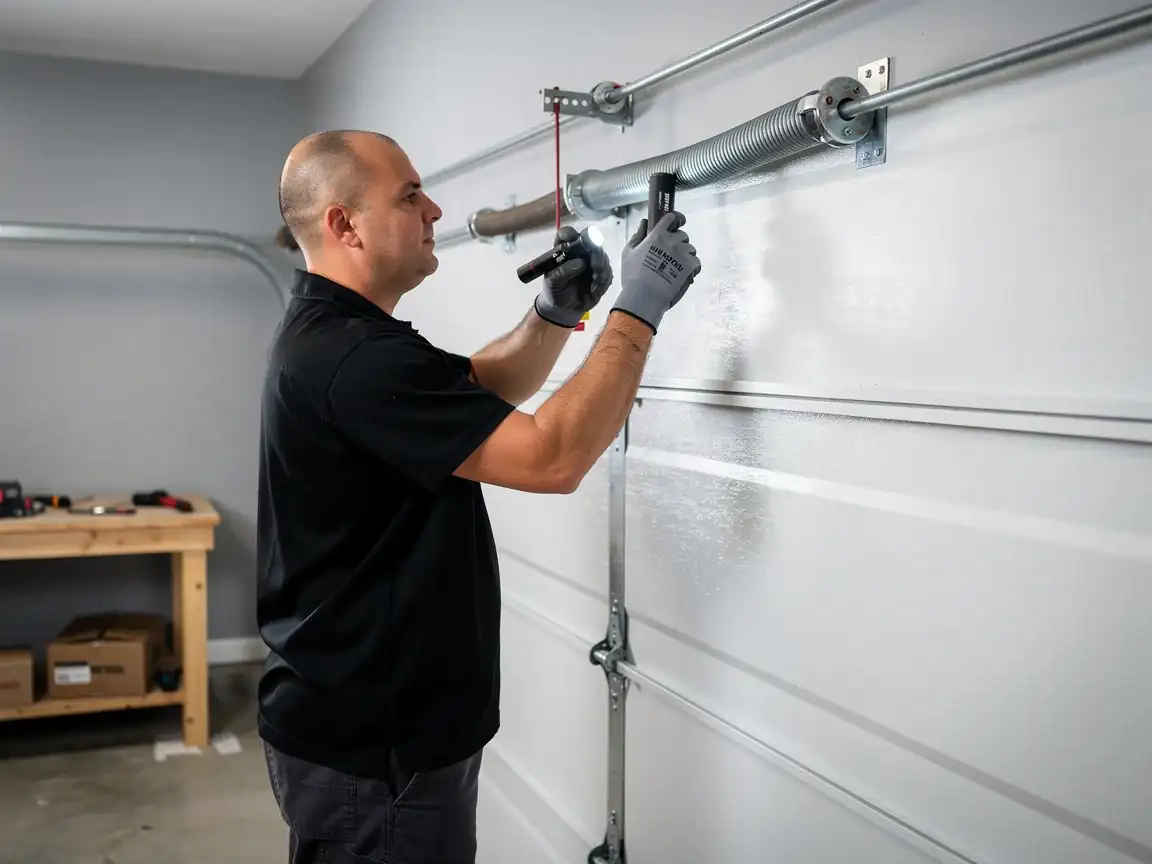
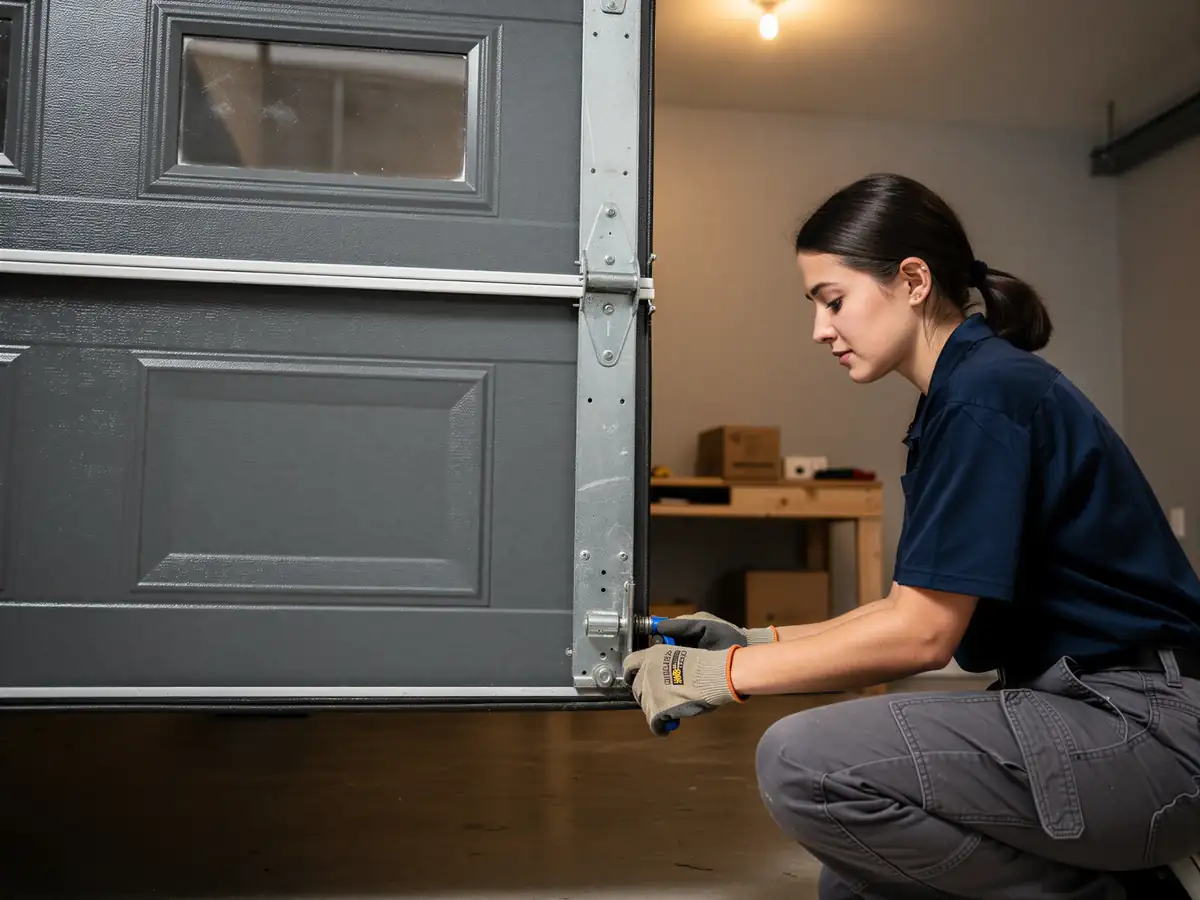
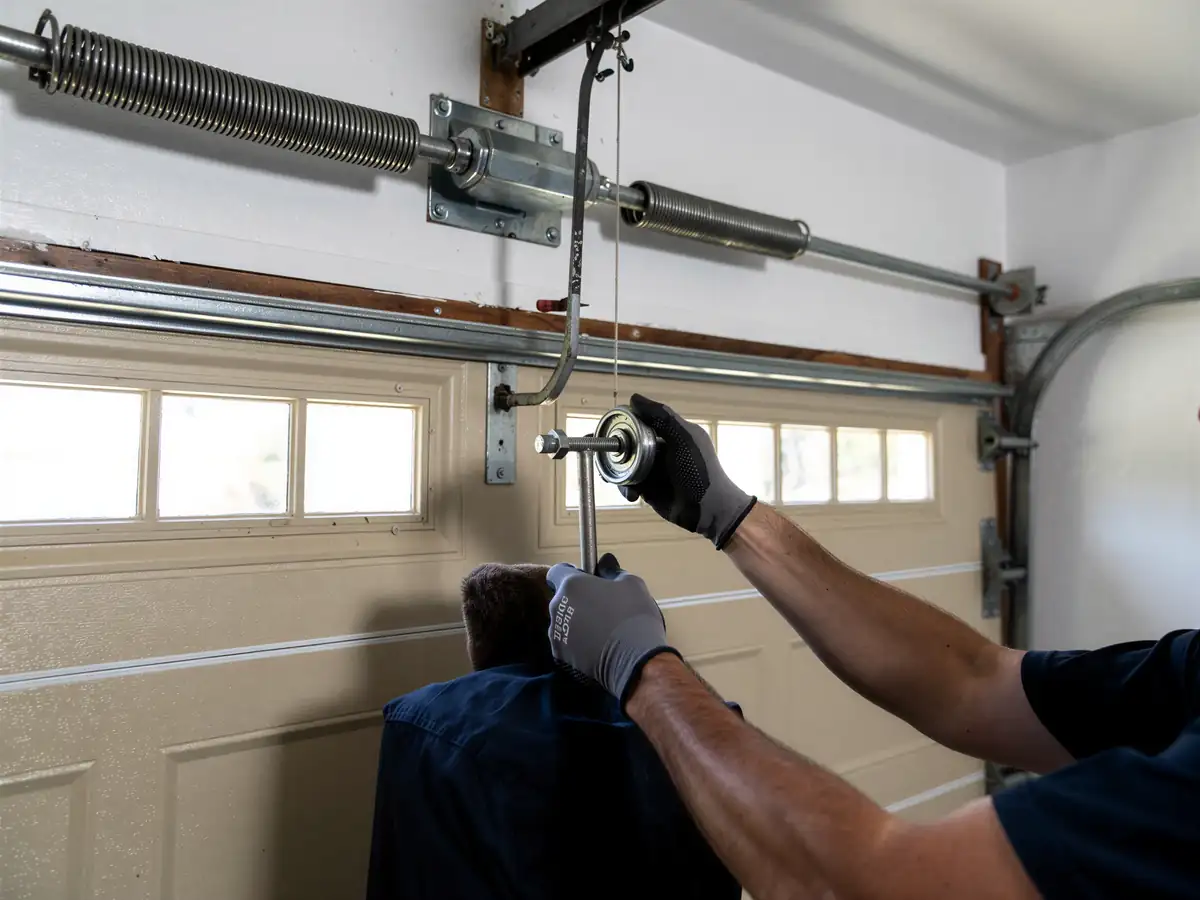
Most of the housing we see on calls through this part of the service area went up in the late 1970s, and Deerfield Beach runs on that same clock - doors and openers from a build era centered on 1977. That means steel sectional doors on galvanized torsion springs that have had close to fifty years of cycles, openers that have likely been swapped once already by a previous owner, and track hardware sized to specs nobody bothers stocking fresh anymore. The fix usually starts with pulling the spring data off the old coil (if it's still legible) rather than assuming a size, because a torsion spring from a 1970s build does not match what a big-box store sells today. We check the bottom brackets and the rollers before we touch anything electrical, since on a door this age the rollers are usually the real reason the opener strains. We don't push full replacement unless the track or the panel is actually bent - a working door from 1977 can still run another decade on new springs and rollers.
What Can Go Wrong
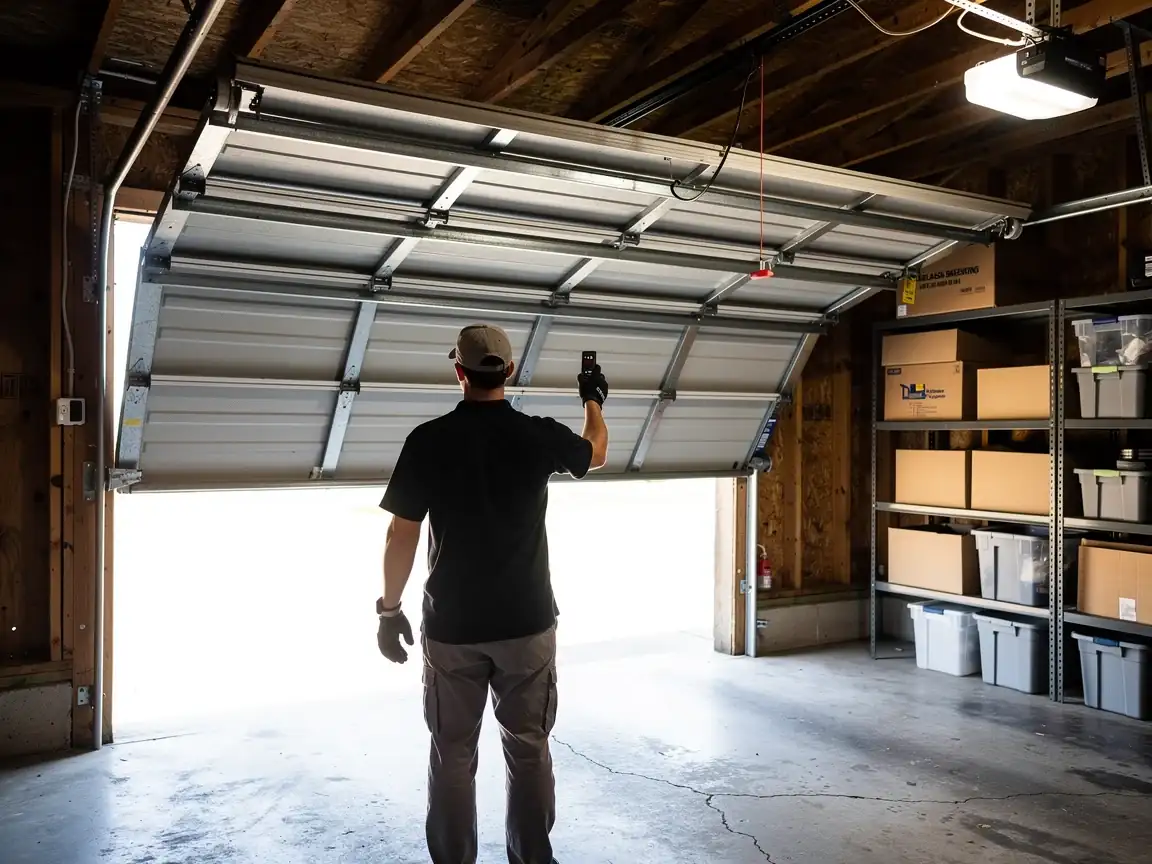
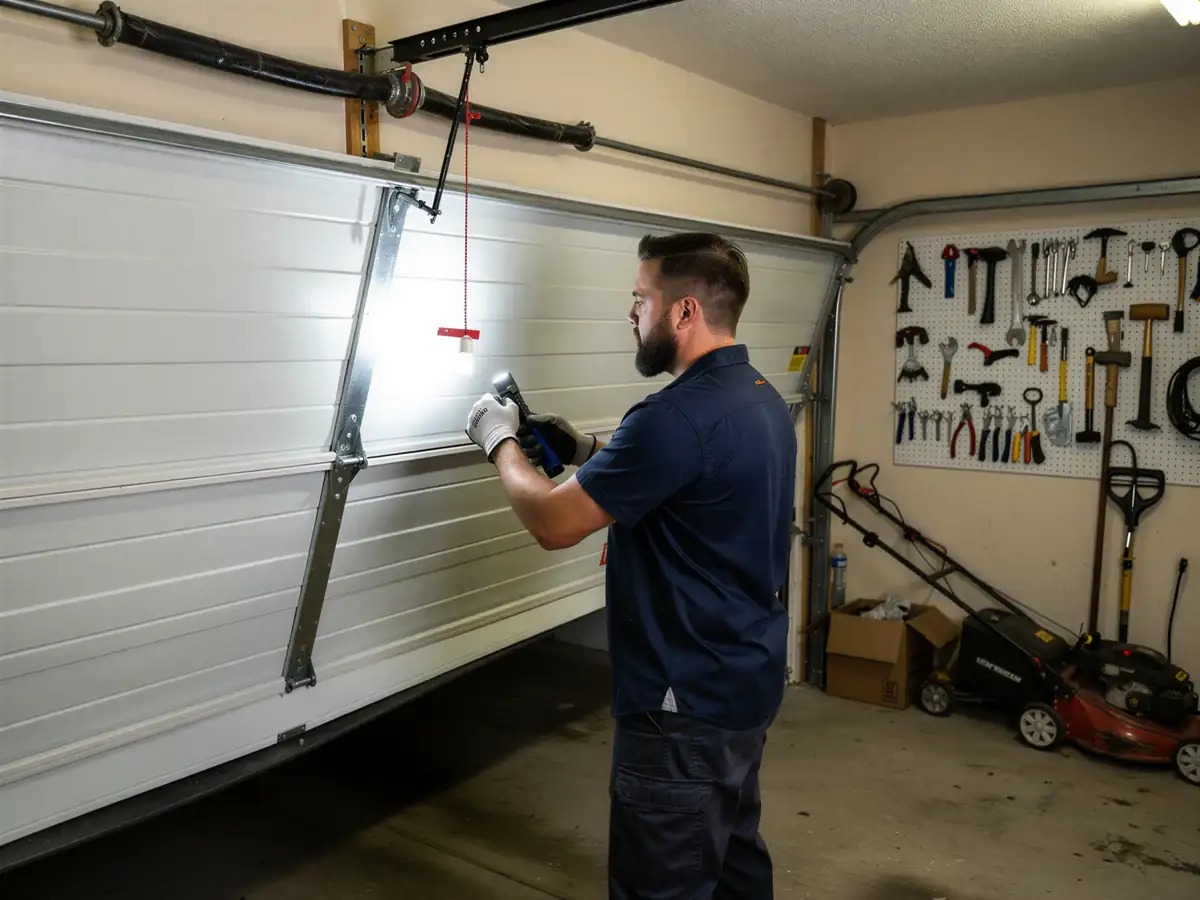
The age of the housing stock is the whole story here. A torsion spring on a door built around 1977 has usually never been replaced, which means when it finally lets go, it tends to take a cable or a bottom bracket with it rather than failing clean. We also see openers that have been replaced once but mounted on the original 1970s track - a mismatch that throws the travel limits off and makes the door reverse or stutter for no obvious reason until you look at where the opener bracket actually sits. On a household budget, with median income here running under $57,000, we understand why people put off a spring replacement until it snaps instead of catching it worn. That's a real trade-off, not a judgment - a worn spring that's caught early is a controlled repair; a spring that breaks on its own can bend the track or drop the door on whatever's underneath it.
Why This Fails Locally
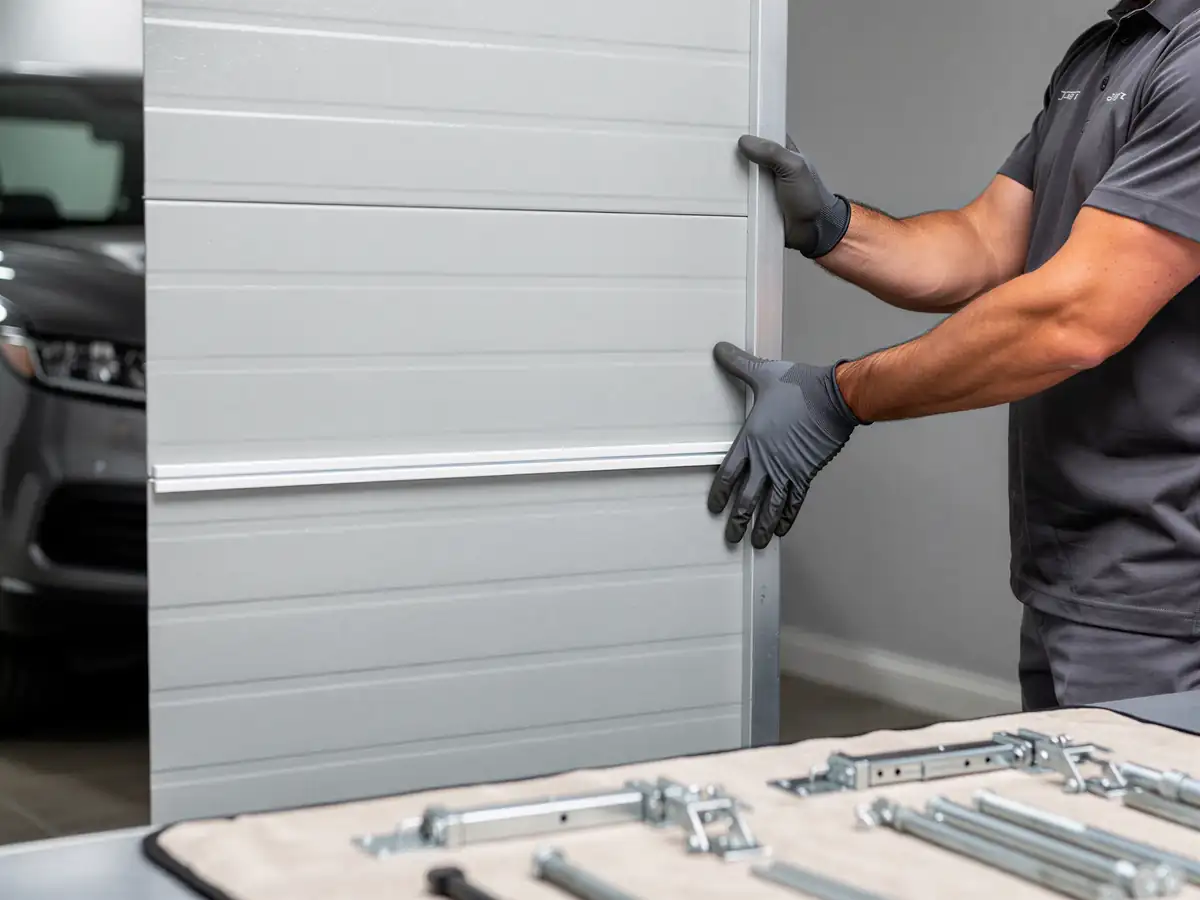
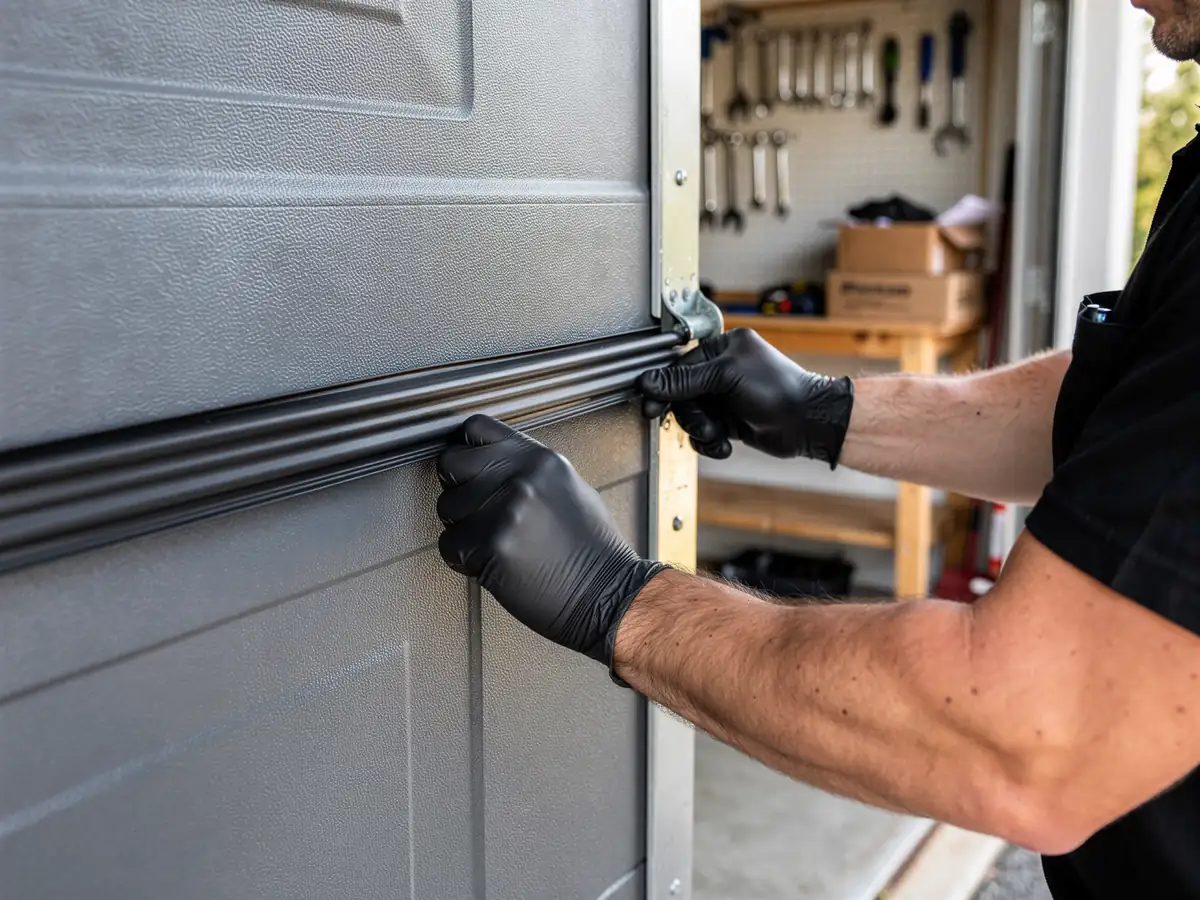
With around 36,000 households in Deerfield Beach, a meaningful share of them are sitting on doors and openers original or close to original to a home built near 1977, and that's the detail that decides how the call goes, not the city limits sign. A door that age fails differently than one installed in the last ten years: the failure points are mechanical wear on parts nobody machines to that exact spec anymore, not a bad circuit board or a sensor knocked out of alignment. We won't pretend every repair here is simple - if the track is bent from a car backing into it, or the panel's rusted through at the bottom, replacement beats patching it, and we'll say so instead of billing for a repair that won't hold. Knowing the housing is Deerfield Beach's own, not a generic stand-in for the rest of the area, is what keeps us from quoting the wrong spring or the wrong bracket before the truck even leaves Coral Springs.