This Area's Housing
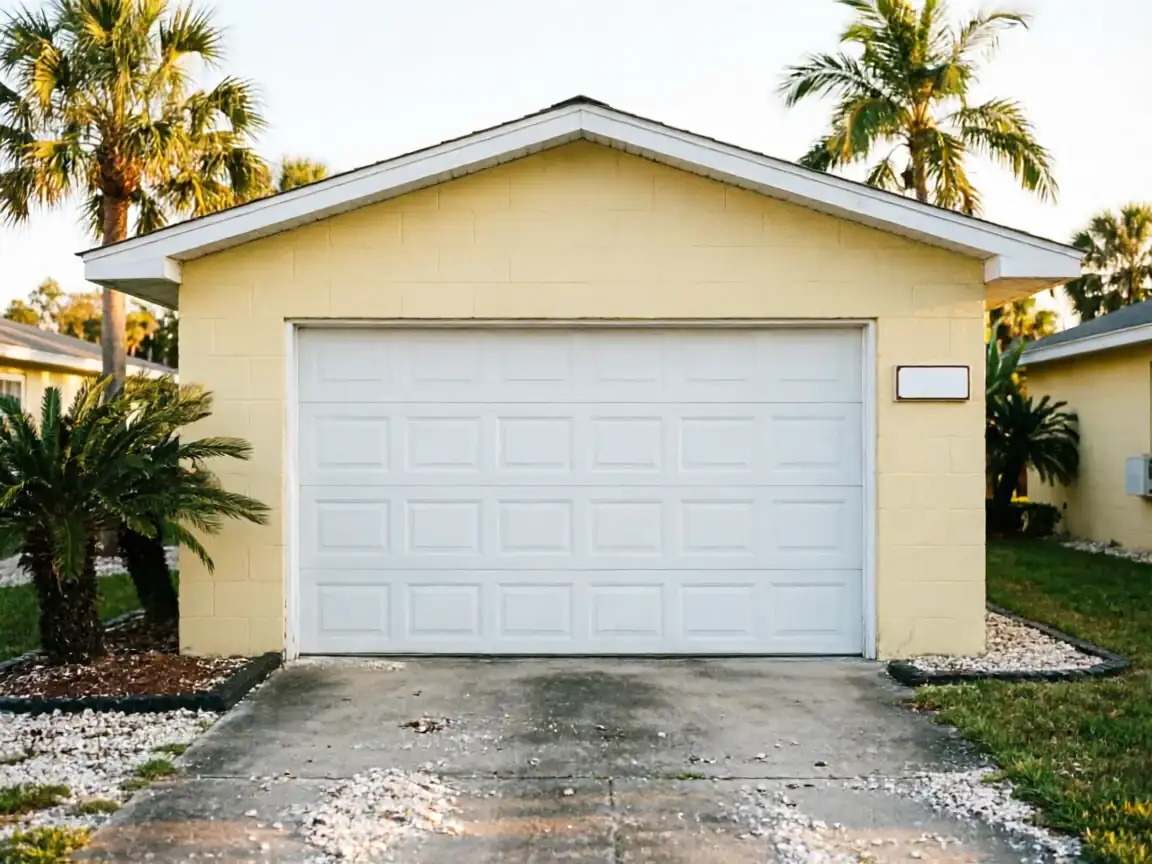
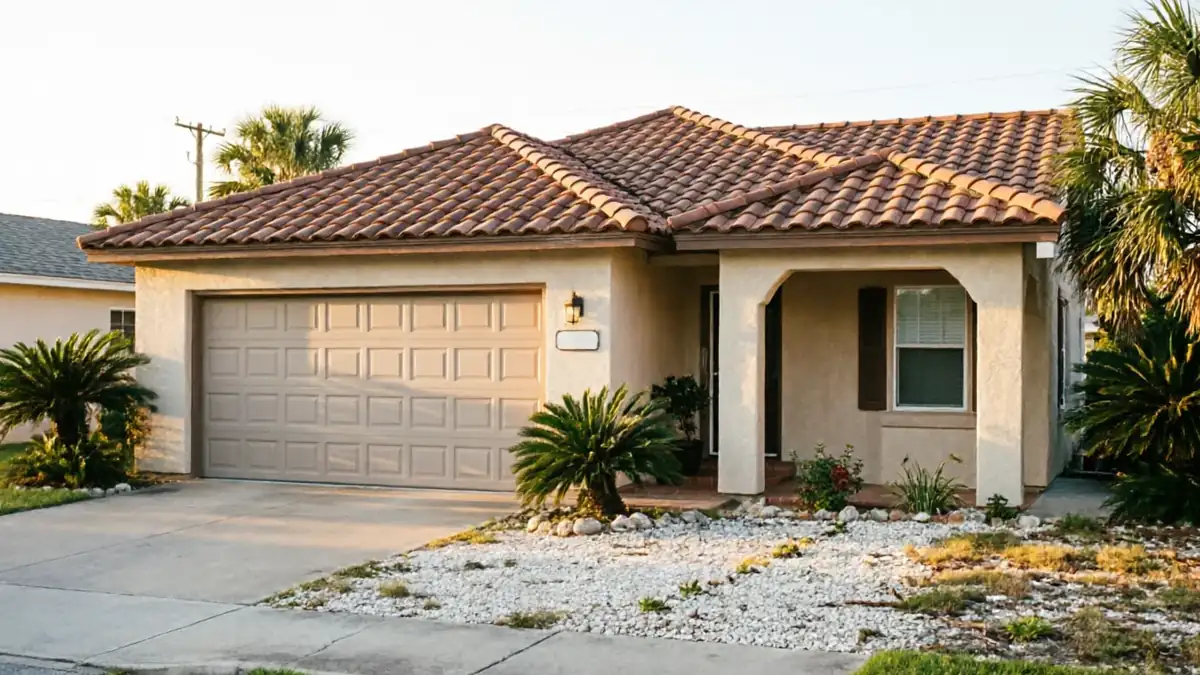
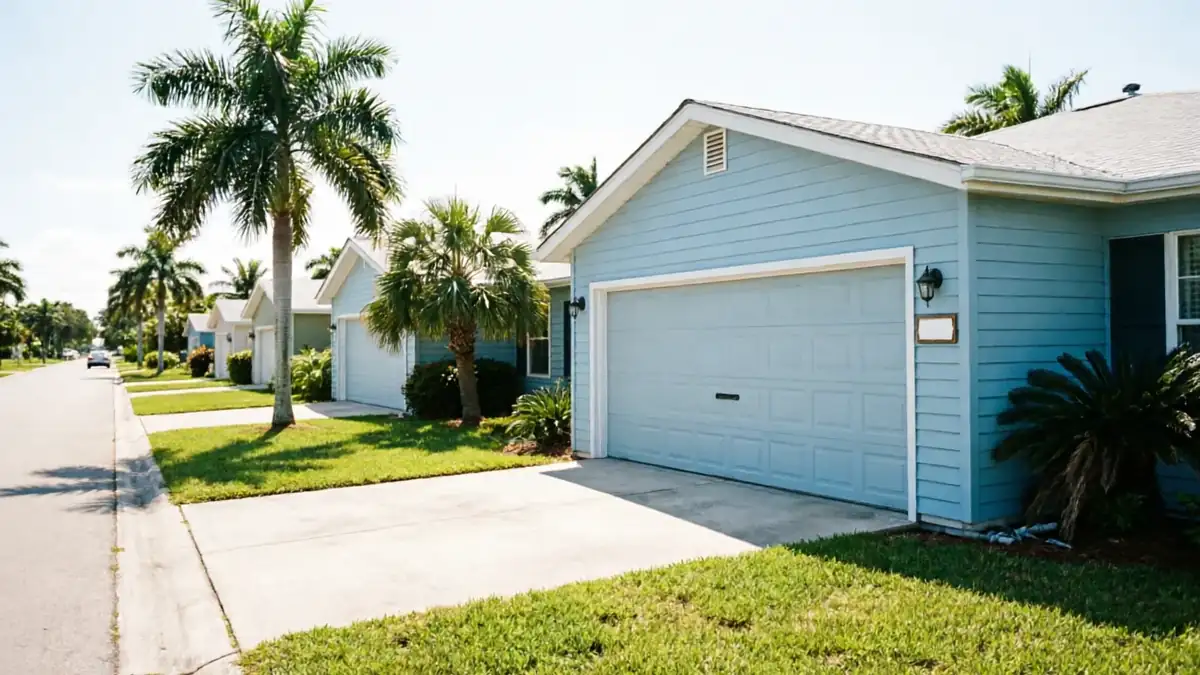
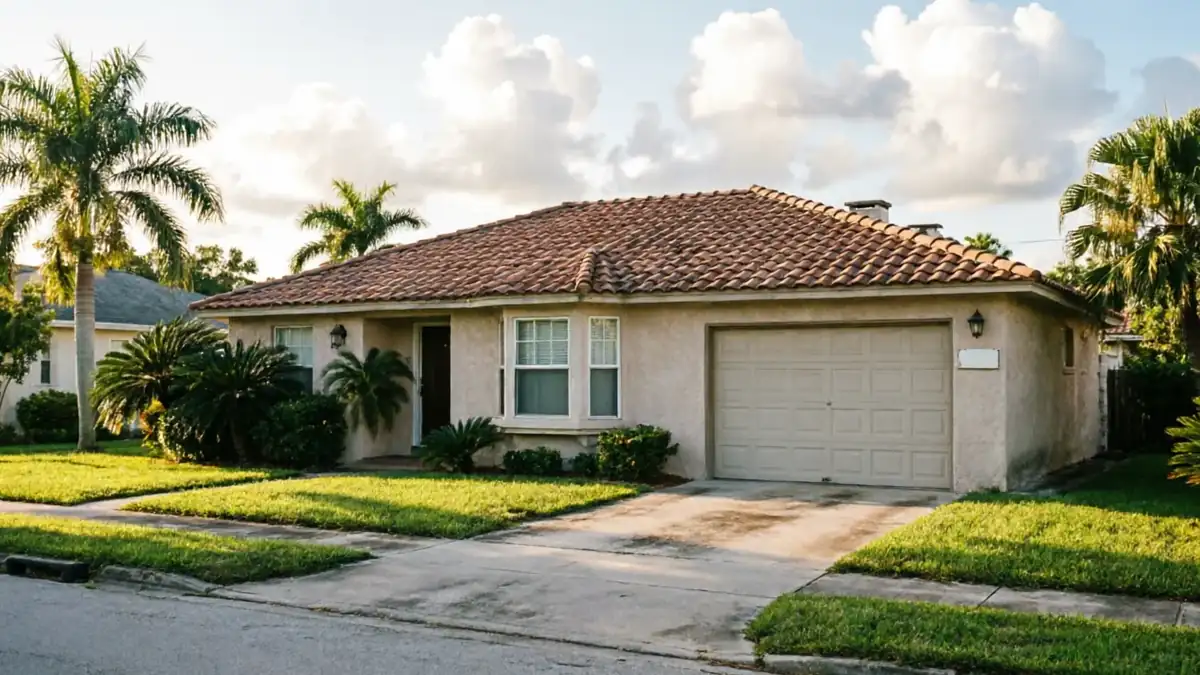
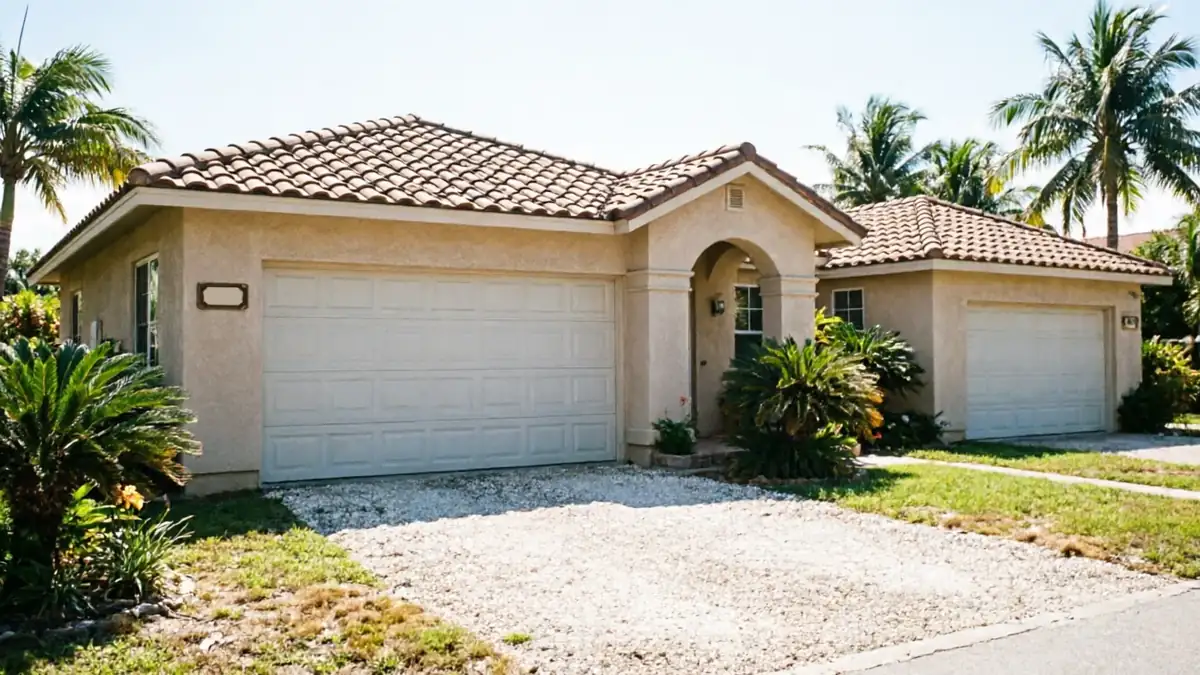
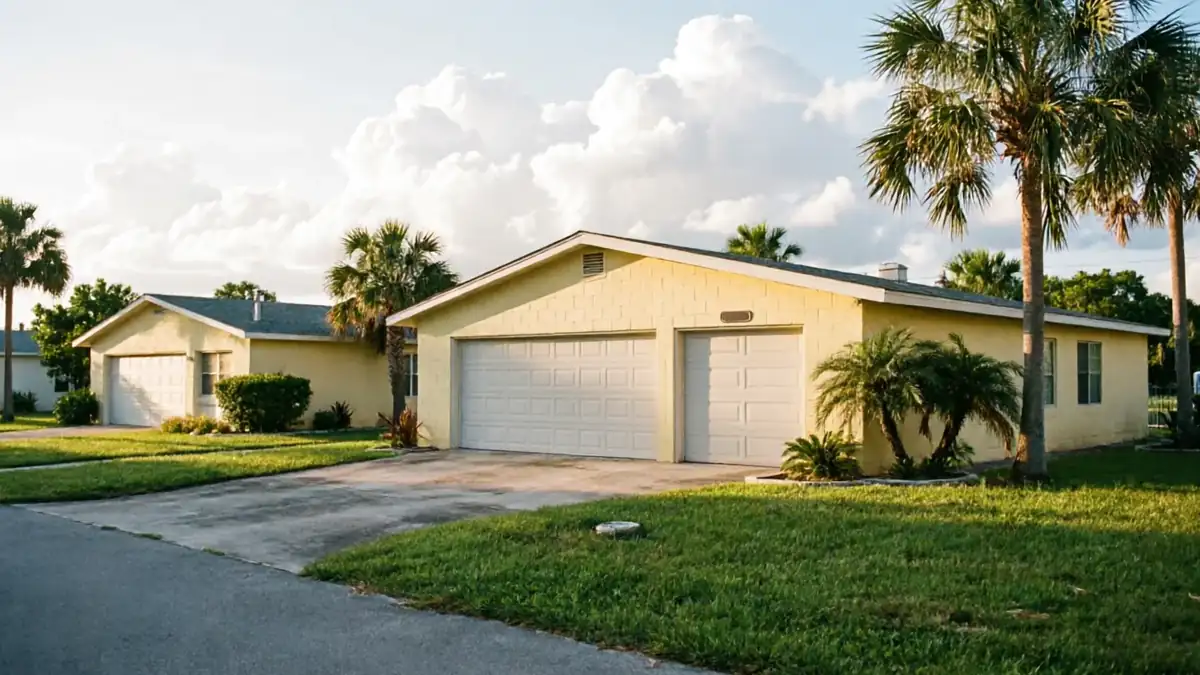
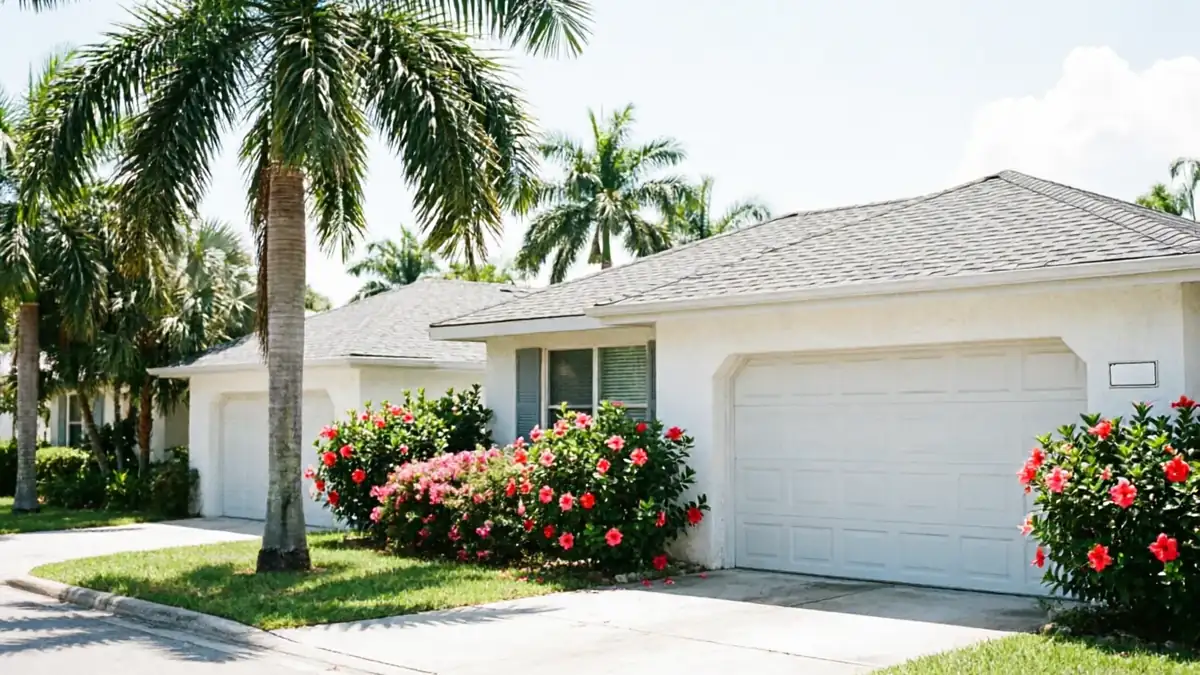
Most houses in Margate went up around 1978, a few years into the wider build boom that shaped this part of Broward County between 1968 and 2005, with a service-area median year of 1977. That one-year difference doesn't sound like much, but it puts Margate solidly in the second wave of construction here - past the earliest 1960s subdivisions, but still ahead of the heavier, newer stock that showed up closer to the 1990s and 2000s. Across the 17 named areas we cover from Coral Springs, most of the housing dates to the 1960s and 70s, and Margate sits right in the thick of that range rather than at either edge of it.
24,634 households call Margate home, with a median income of $60,852 - lower than the wider service area's $68,424. That gap shows up in the kind of calls we get: more owners here keep an original door running as long as it'll run, because a full replacement isn't the automatic answer when a repair will hold. The climate band for this part of the state is mild temperate, which is kinder to steel panels and hardware than a harsher freeze-thaw region would be, but it doesn't stop springs and bearings from simply aging out after four and a half decades.
The Usual Work Here
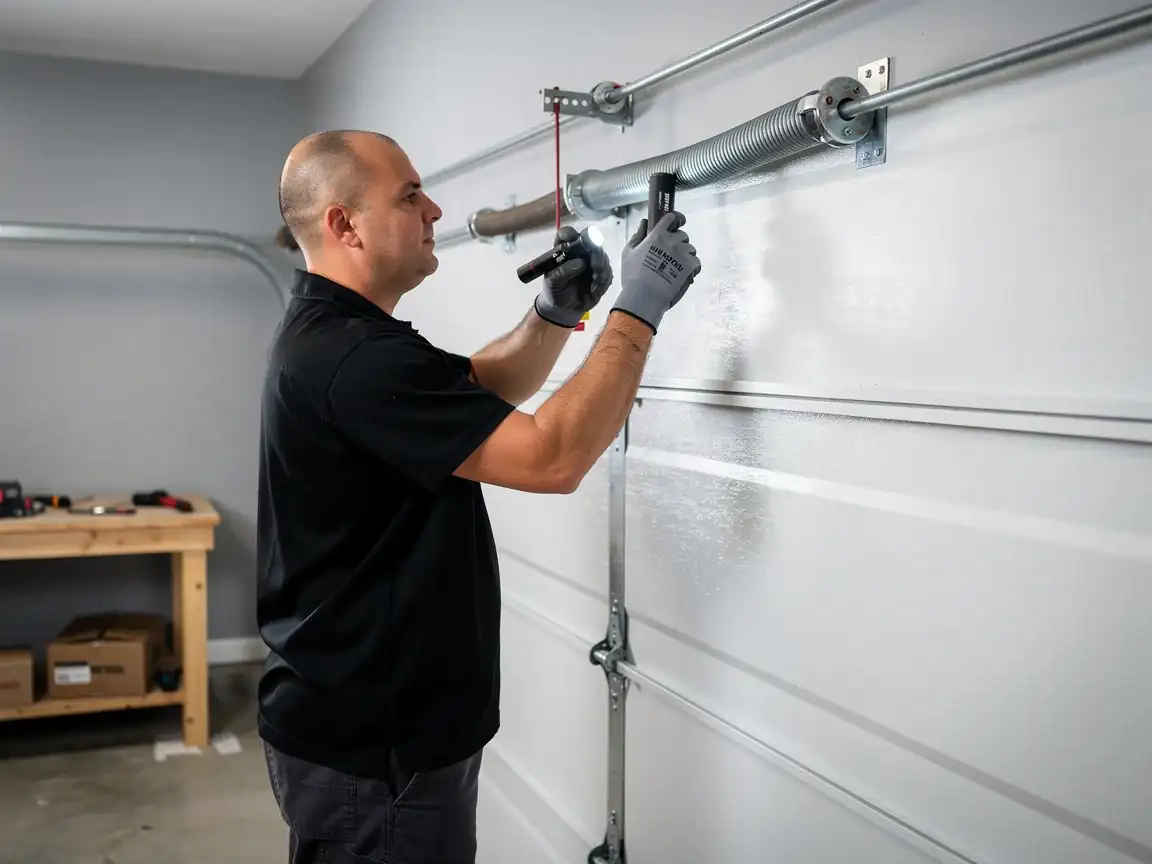
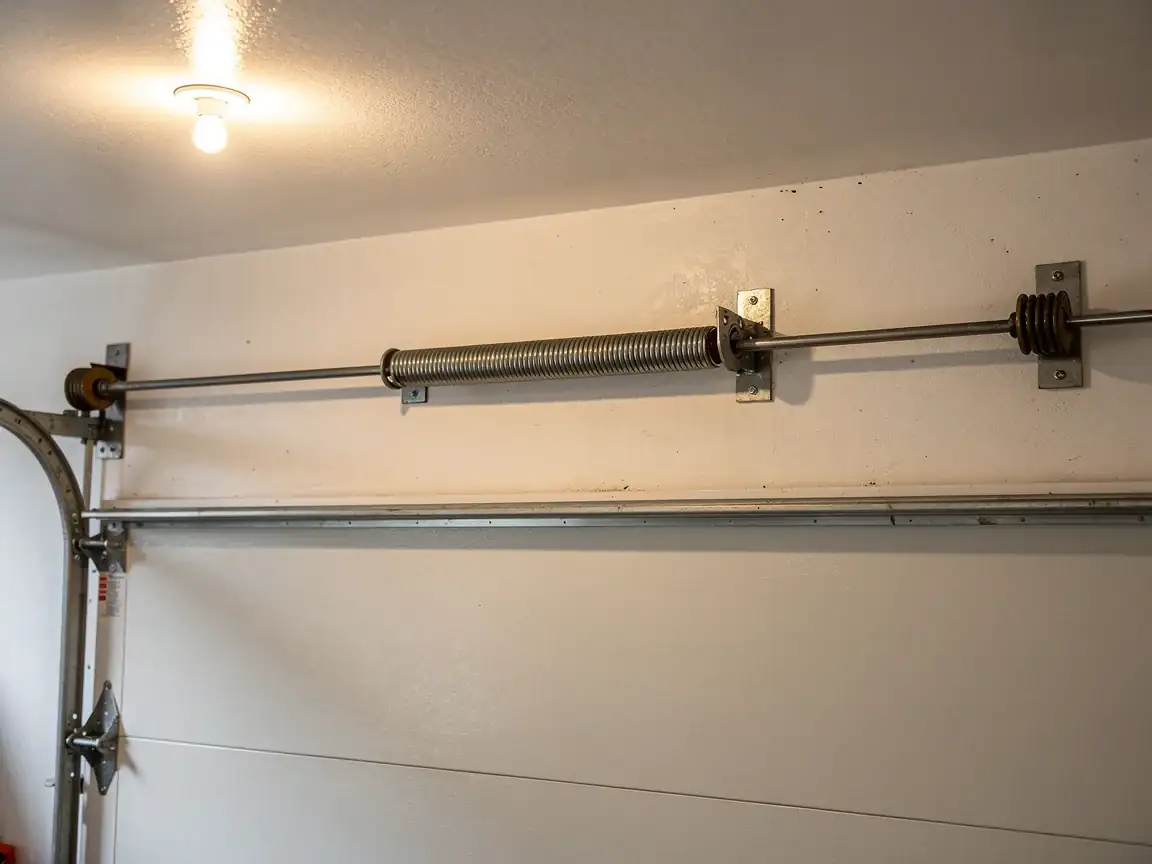
A door built around 1978 almost never came with torsion hardware as standard - extension springs mounted along the horizontal tracks were still the common setup in that period, and a lot of Margate garages still have them, sometimes the original pair. The failure pattern is predictable: one spring stretches and loses tension years before the other gives out completely, so the door starts hanging crooked before it quits.
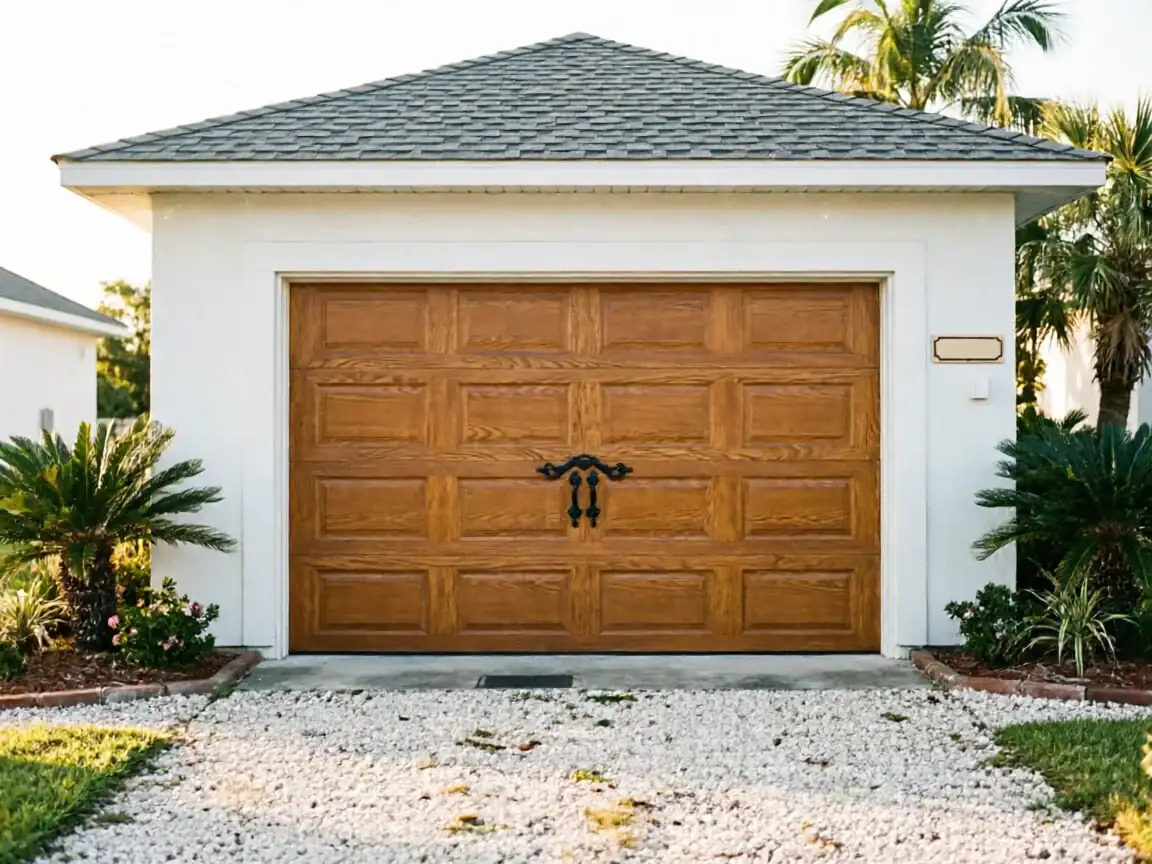
The steel panels from that era are lighter gauge than what gets installed today, which means dents and rust-through show up sooner at the bottom panel, where splash and ground moisture do the most damage over 40-plus years. Rollers on original hardware are usually steel, not nylon, so the grinding noise owners describe on the phone is often just old roller wheels that were never swapped out.
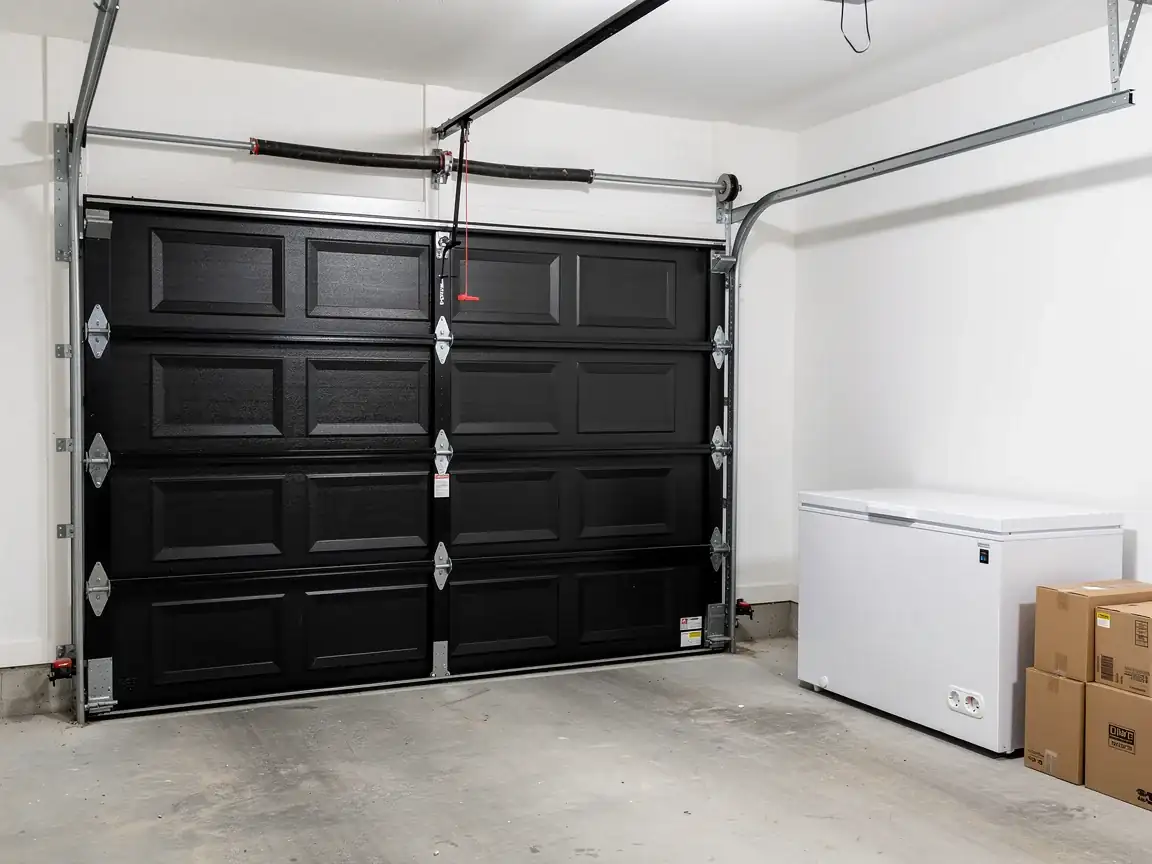
Here's the honest limit: matching extension springs to an exact original wind and wire gauge from 1978 isn't always possible - some of those parts aren't manufactured anymore. In those cases converting to a torsion system is usually faster and more reliable than hunting down a discontinued spring, and we'll say so rather than pretend otherwise.
How We Get to You
Margate sits about 3 miles from our shop in Coral Springs, one of the closer runs on our route
We don't keep a second location in Margate - every truck comes from Coral Springs - but it's a short enough distance that it doesn't change how a job gets scheduled compared to calls from right around the shop.
- 3 miles
Margate is also close to several other areas we work in regularly
Parkland sits about 4 miles out, Tamarac and North Lauderdale about 5, and Coconut Creek about 5 as well. That cluster means a tech working a Margate call in the morning is often already in the neighborhood for an afternoon job a few miles over, which keeps the route efficient without us claiming to be based anywhere but Coral Springs.
- 4 miles
How That Shows Up in the Door
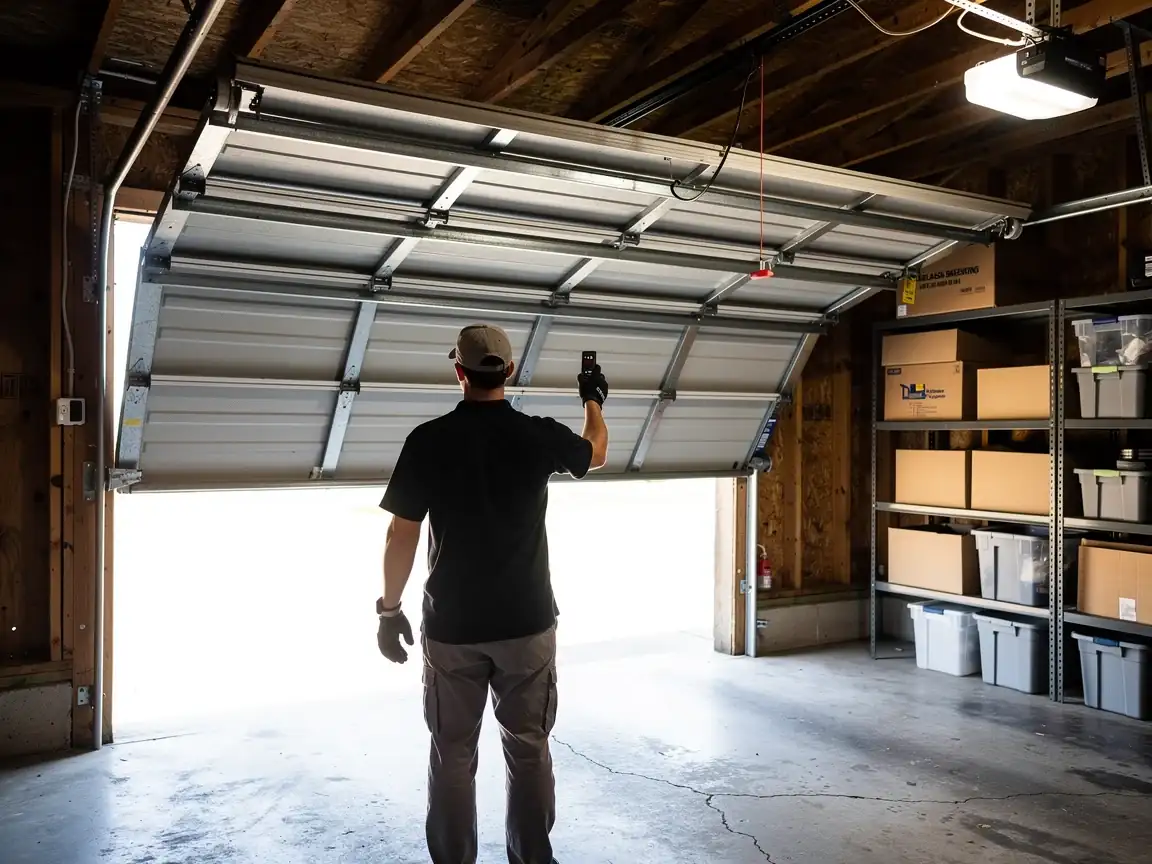
Put the housing age and the hardware era together and you get a fairly specific set of symptoms on a Margate call. A door that's suddenly heavy to lift by hand, with one side sagging lower than the other, is almost always one extension spring gone slack while its pair still holds - not a full snap, just a slow give that homeowners notice as the door getting harder to open over a few weeks.
A grinding or scraping sound on the way up usually traces back to original steel rollers that have worn their bearings out after decades of use; nylon replacements run quieter and don't need the same lubrication schedule. And on panels near the bottom of the door, surface rust starting at seams or hinge points is common on steel doors from this build era, even with a climate as mild as this one - the metal is just old enough that it's begun to go.
None of this means every 1978-era door in Margate needs replacing. Plenty of them are fixable with a spring conversion, new rollers, and a track adjustment. The call is whether the door itself - the steel, the panel seams - still has enough life left to be worth putting new hardware on, and that's a judgment we make at the door, not over the phone.