Why This Fails Locally
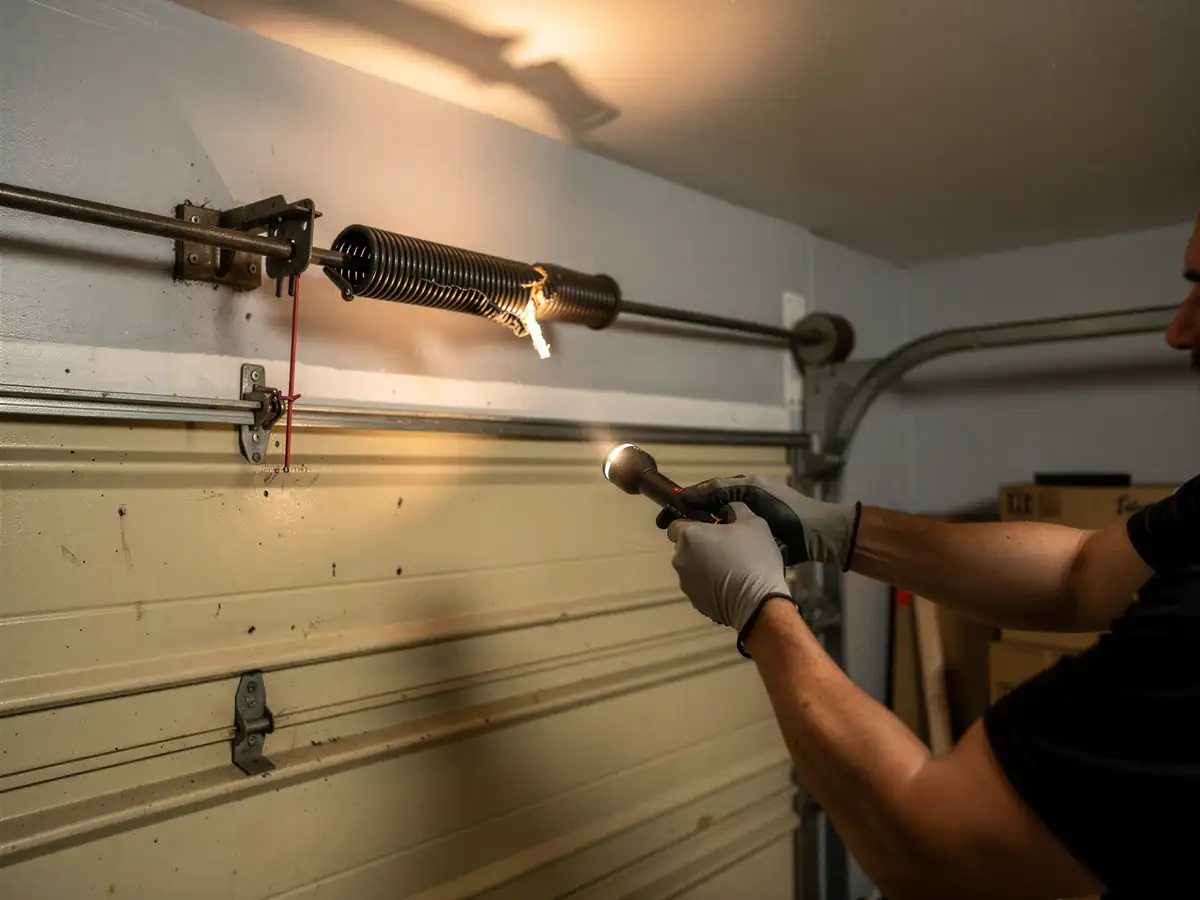
Across the whole area we cover out of Coral Springs, houses went up anywhere from 1968 to 2005, with a median around 1977. Margate's own stock sits tighter than that spread - most of it clustered around 1978, right in the middle of the same building boom that filled in this corner of Broward County in the mid-to-late 1970s. That one-year difference from the area median sounds trivial, but it means Margate doesn't have much of the older 1968-72 wave of doors that shows up elsewhere in the territory. What you mostly get instead is a lot of doors from the same five-year run: 16-foot steel sectional doors on torsion springs sized for that era's lighter panel weight, with openers that have usually been swapped out once or twice already. A 1978 door is pushing into its late forties now. Springs rated for 10,000 cycles have usually been through that count twice over. The failure you see - a door that won't lift, or lifts crooked - is often just that math catching up, not a one-off accident. The climate here is mild temperate, so we're not dealing with frost-cracked seals or ice-locked tracks like colder regions; what wears these doors out is cycle count and age, plain and simple.
What Is on the Truck
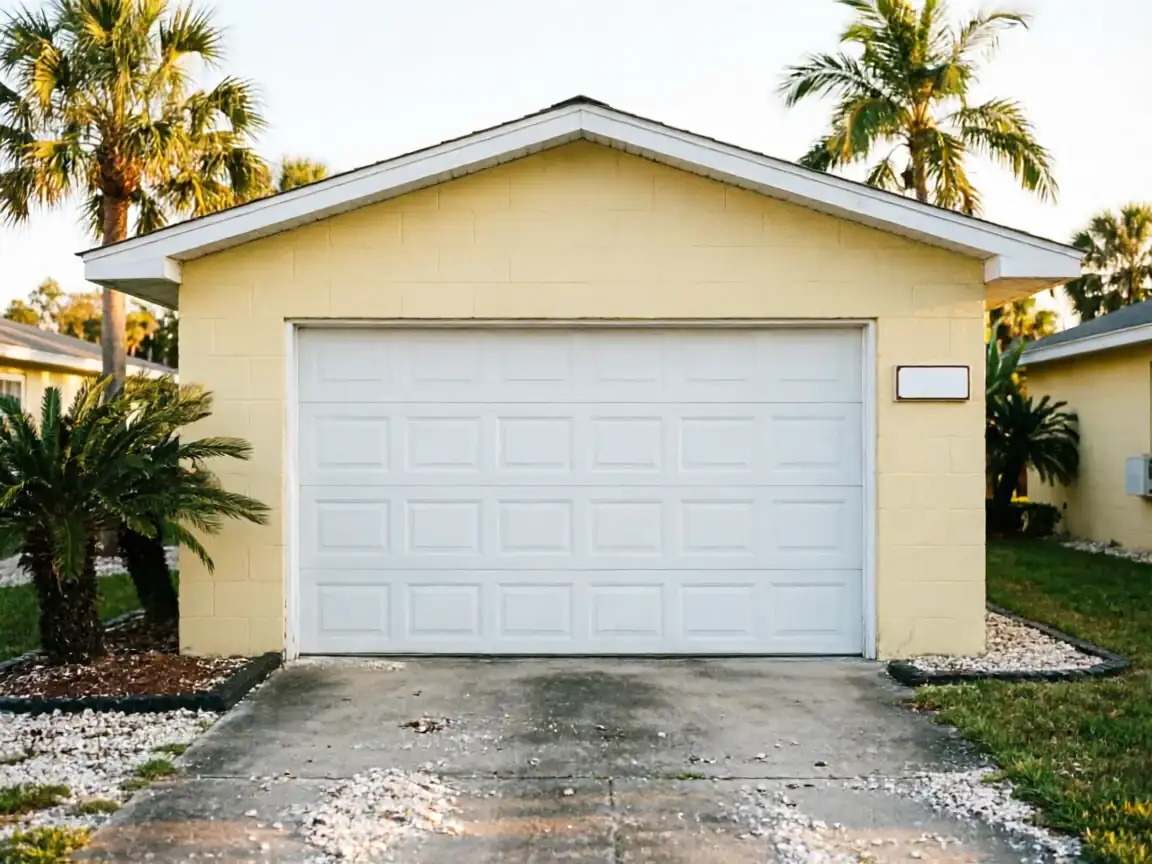
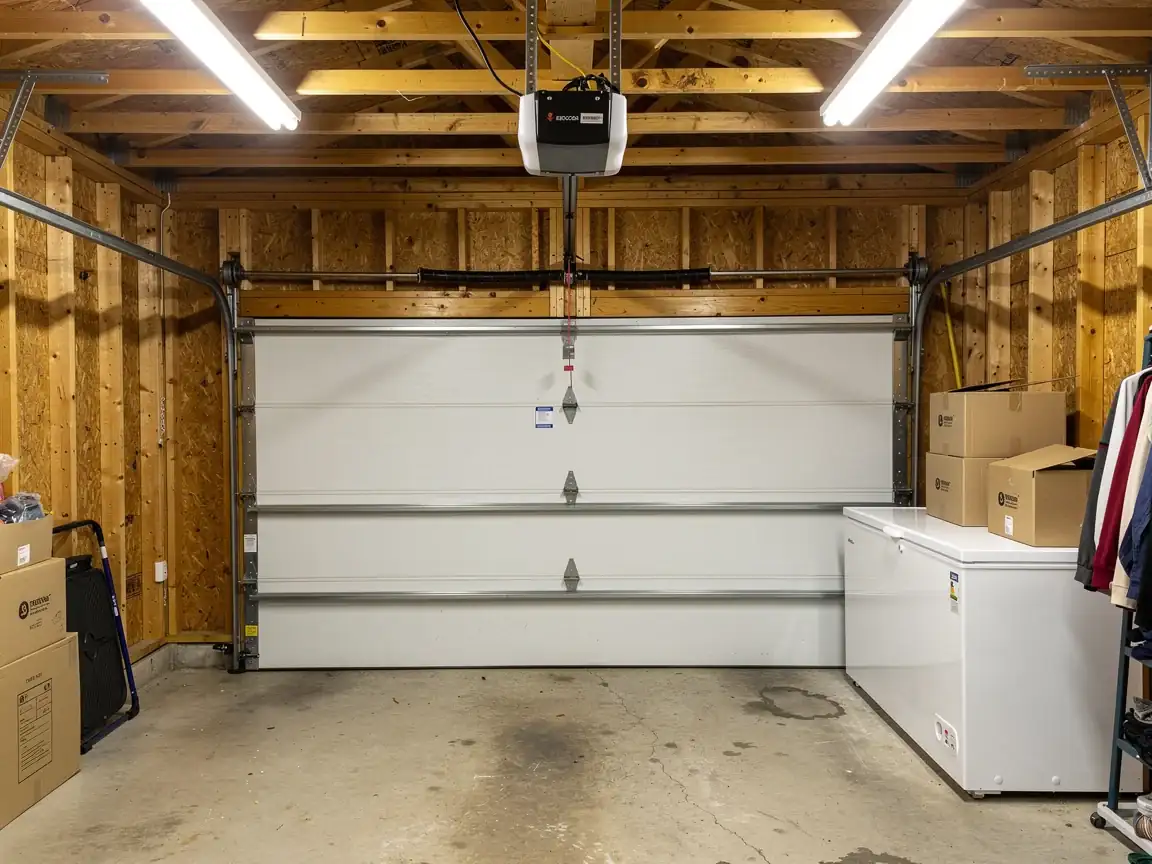
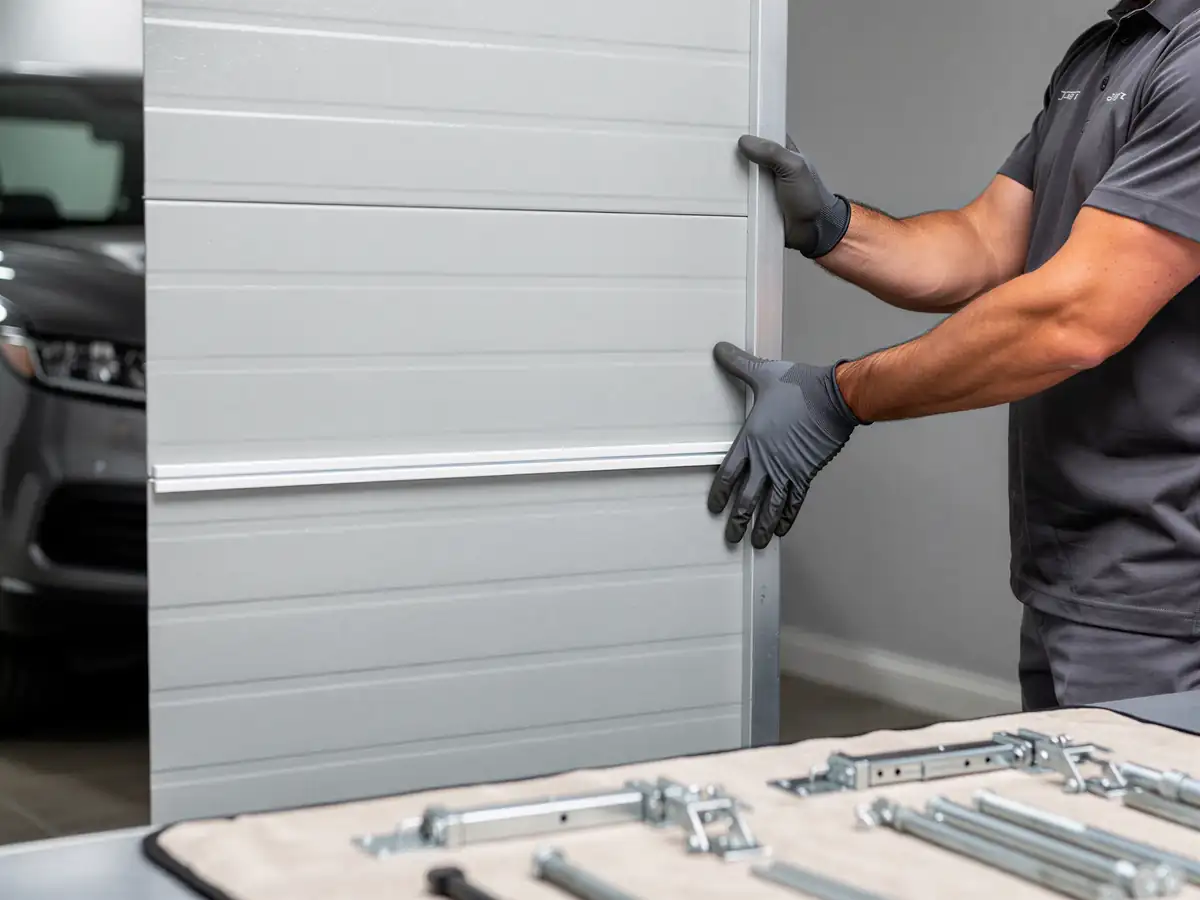
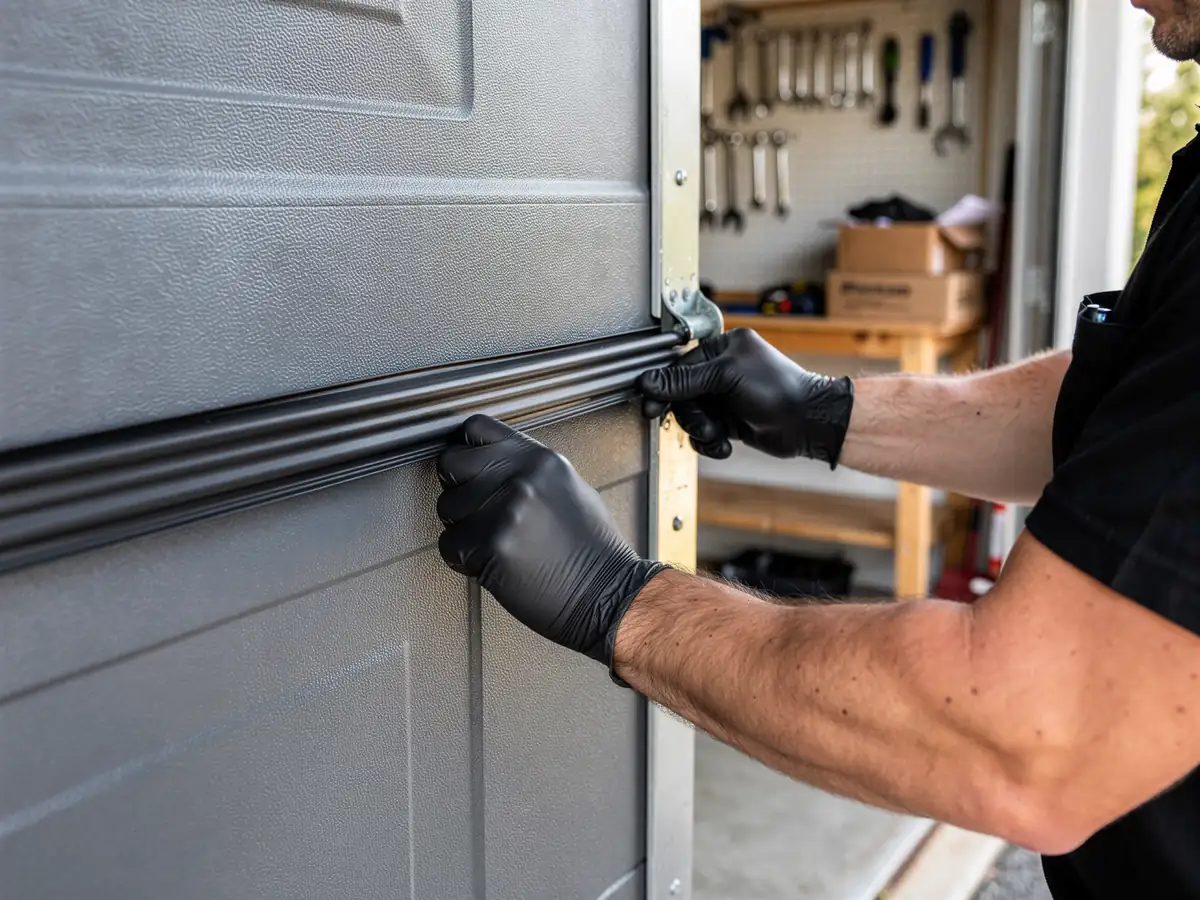
For a Margate call we load for that 1970s-era door first: torsion springs in the wind and wire sizes that era's 16-foot sectional doors actually used, standard-lift and low-headroom drums, and rollers to match steel track from the same period. Openers get swapped more often than the doors themselves, so we also carry common chain and belt-drive units to replace whatever's failed, rather than patch a board that's out of production. What we don't carry is every obsolete panel pattern. If a 1978-vintage door has one cracked panel and the manufacturer stopped making that profile years ago, we'll tell you straight - matching it exactly may mean a special order with a real wait, and sometimes a full door replacement makes more sense than chasing one panel. We'd rather say that upfront than have you wait on a part that isn't coming.
The Cost of This Job
We're not going to print a number here - every door is different and we don't want to quote a price we can't hold to sight unseen. What we can tell you is how the decision usually breaks down. Margate's median household income runs $60,852, below the $68,424 median across the wider service area, and with 24,634 households in town, a repair that keeps a 1978-era door running another decade is usually the right call over a full replacement, as long as the frame and track are still square. Where it tips the other way is when the opener, springs, and panels are all failing around the same time - at that point you're paying for three repairs instead of one install, and the math stops favoring patching it.
The Symptom
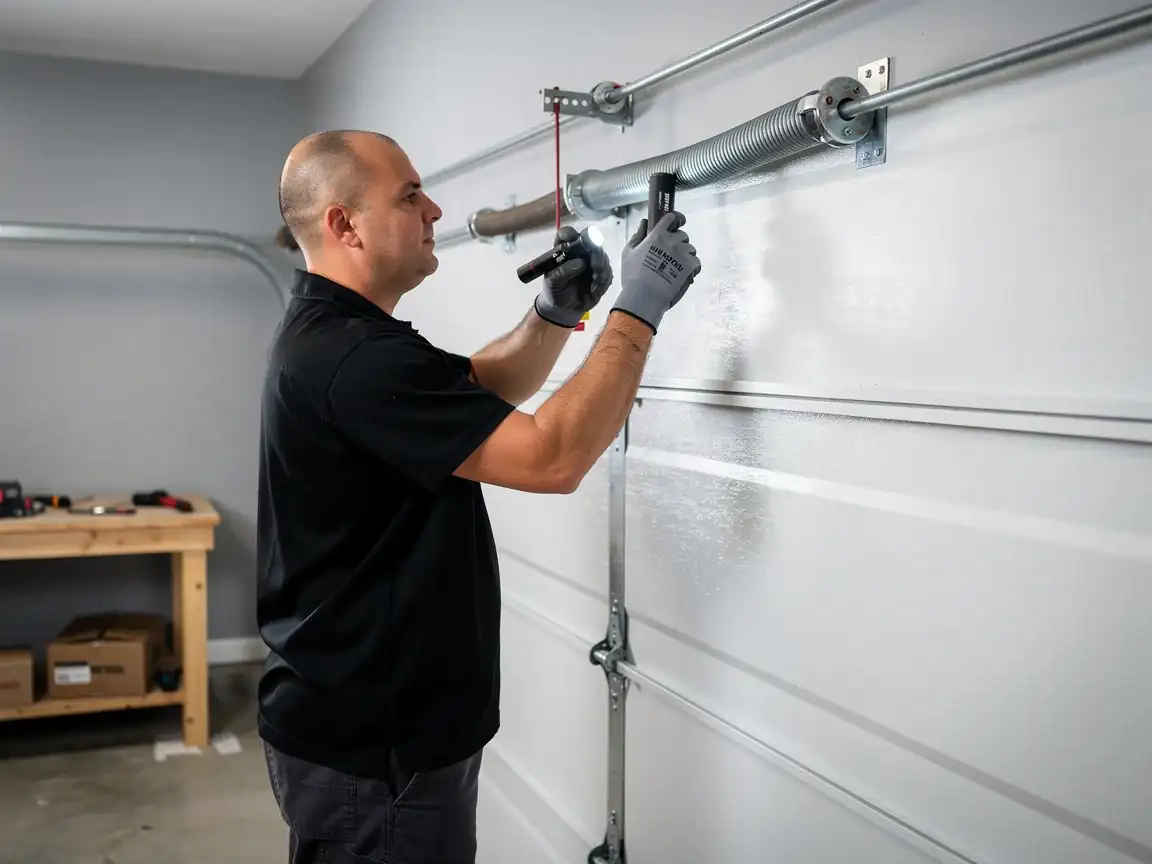
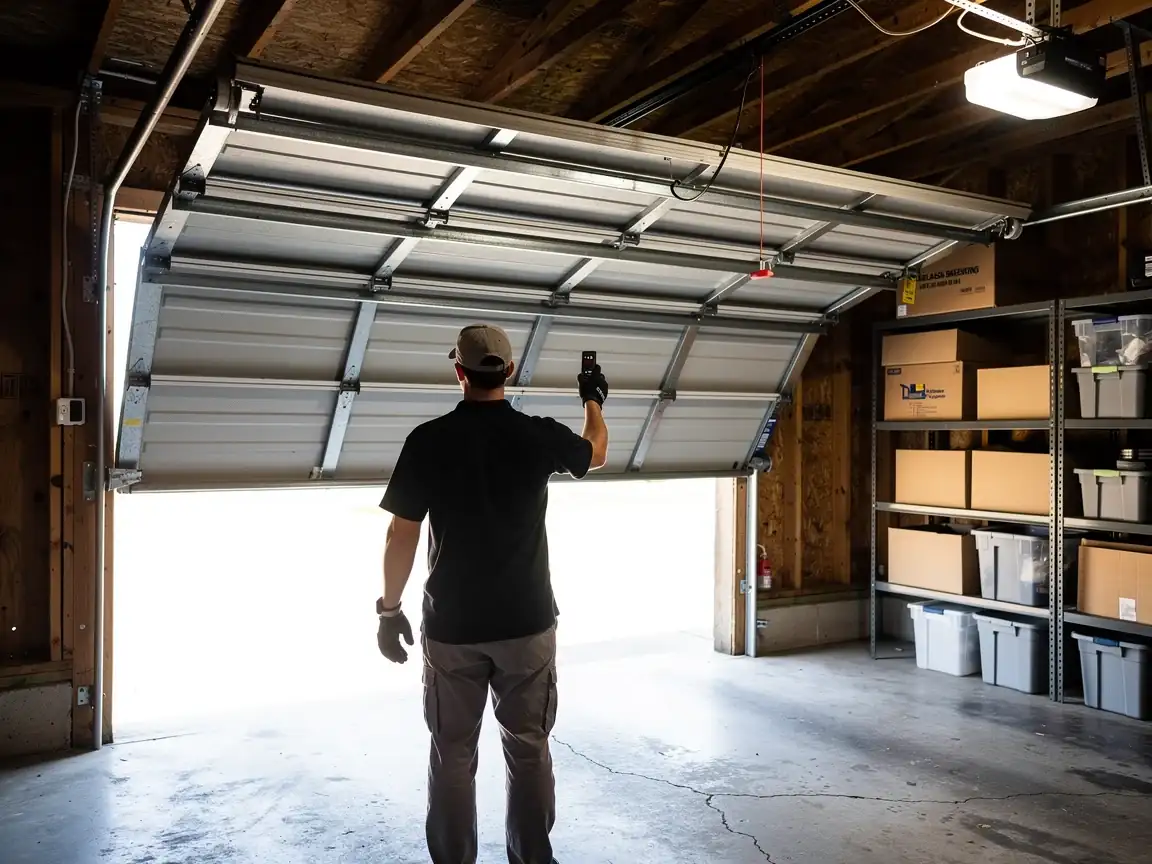
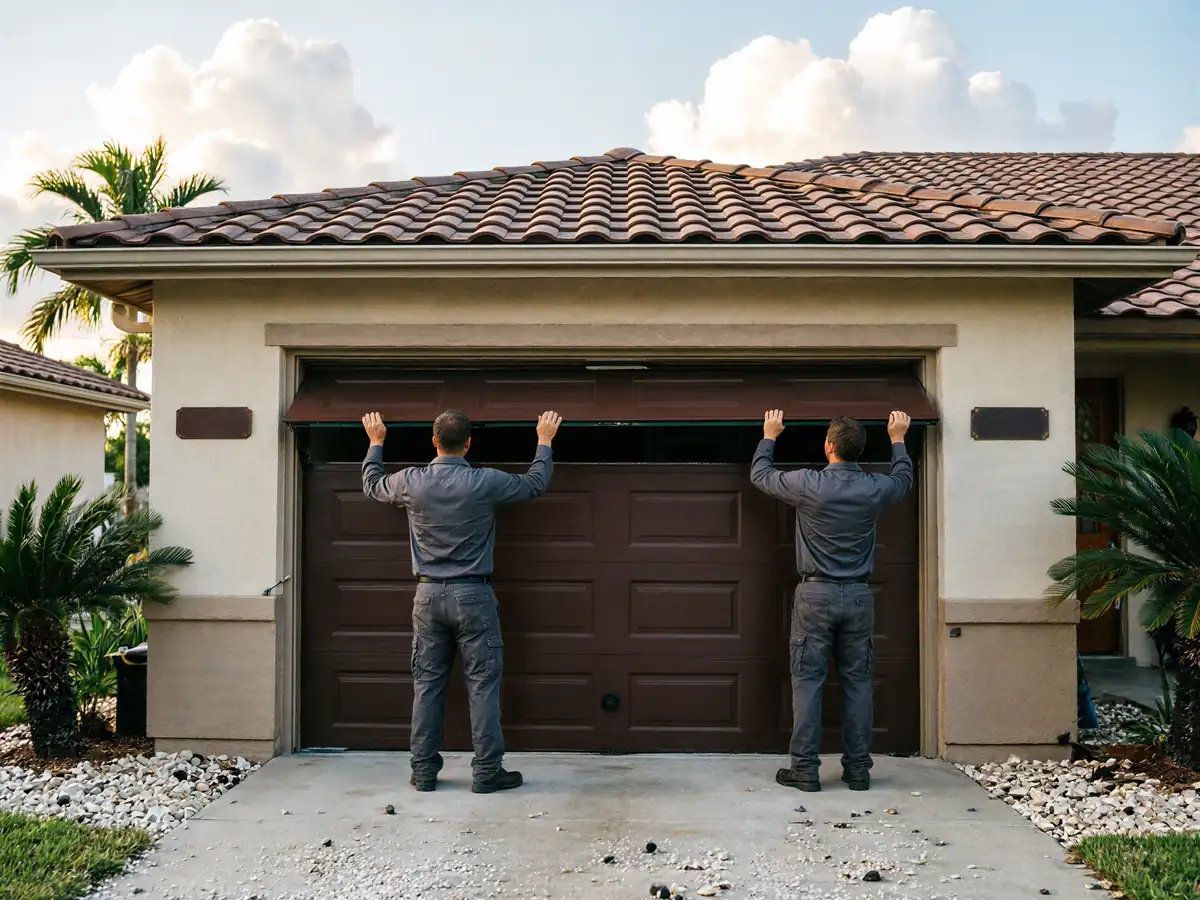
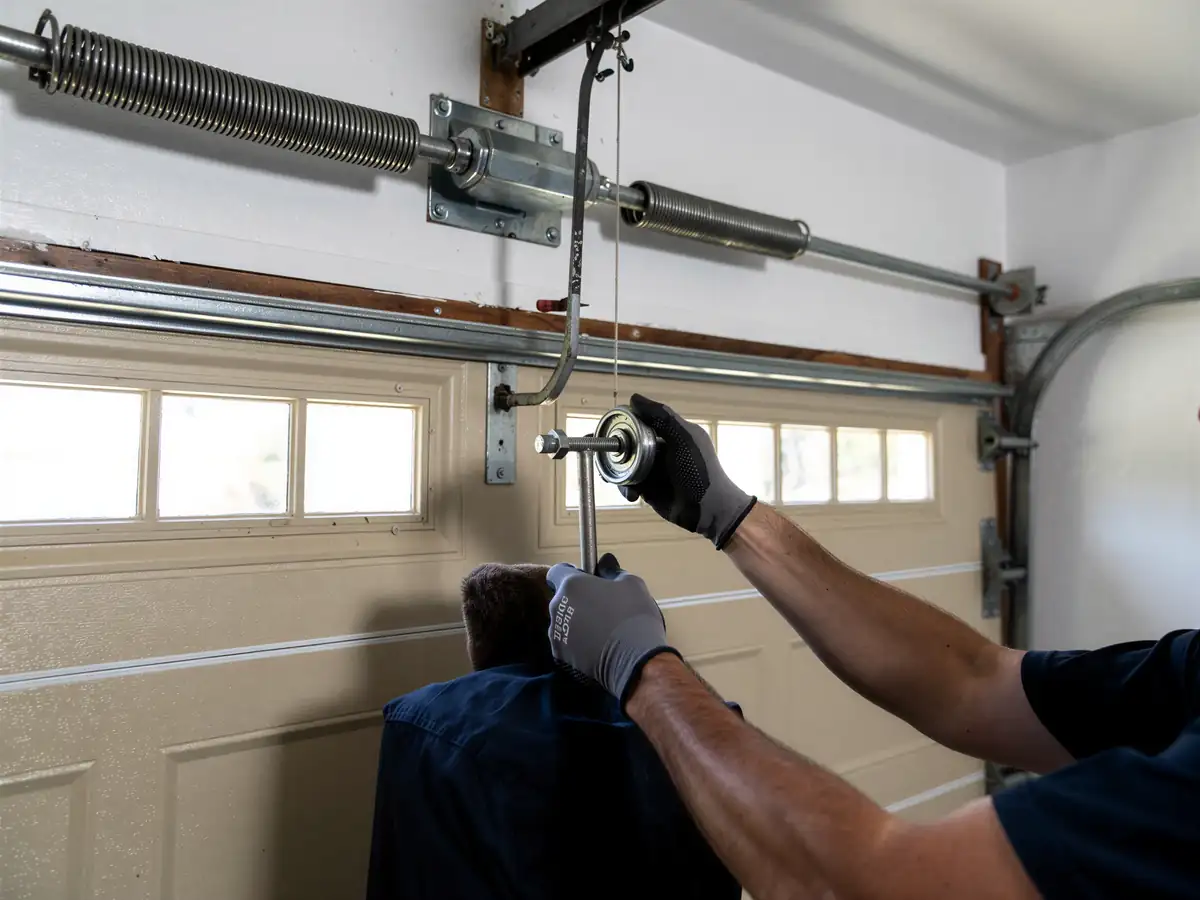
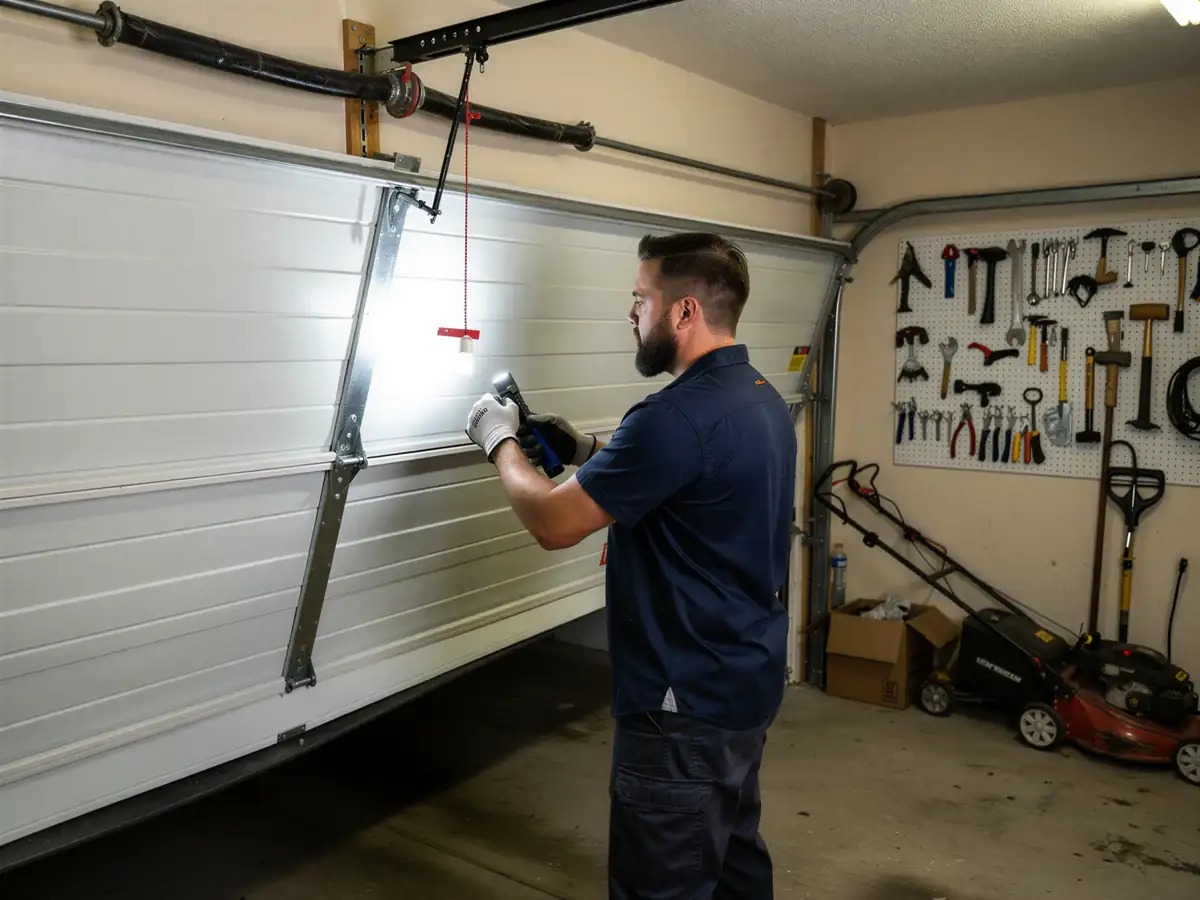
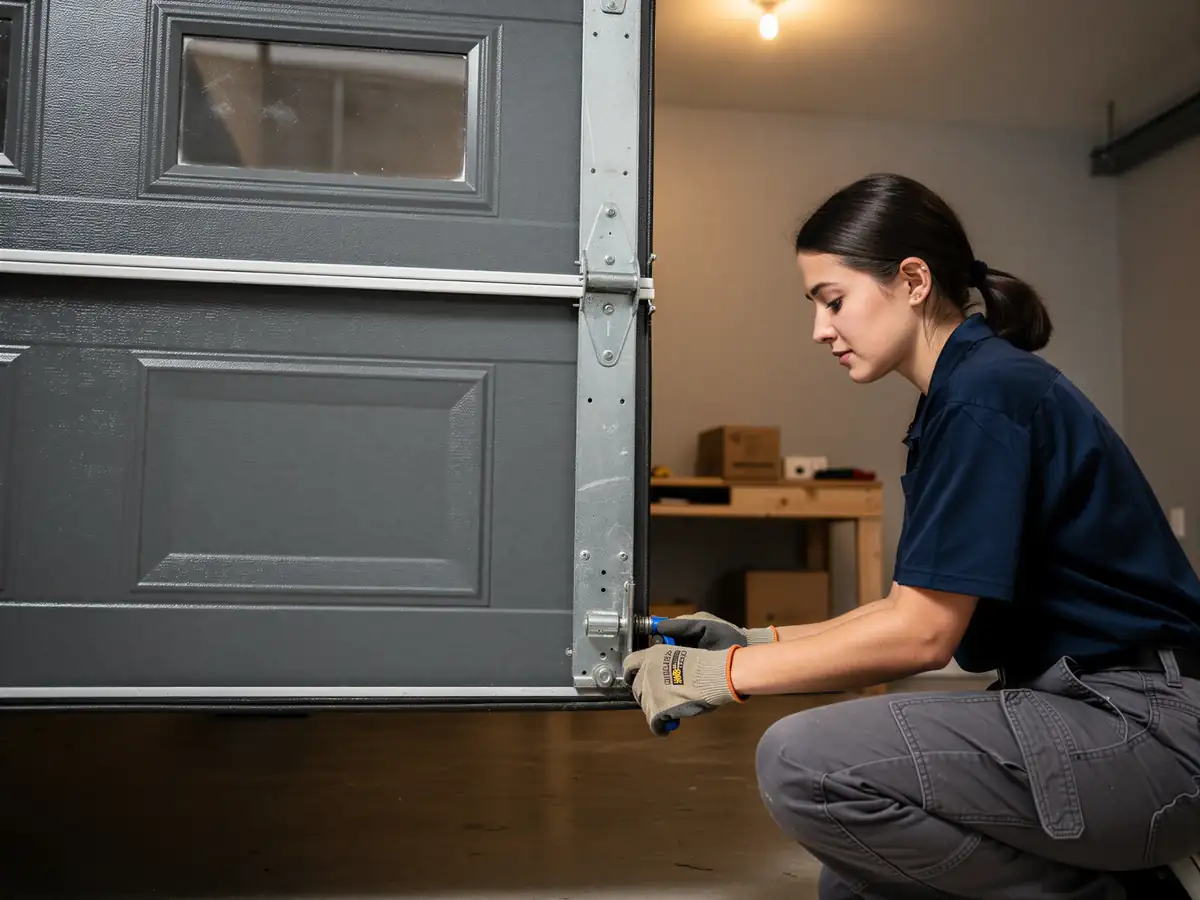
The call we get most from this stretch of houses is a door that's heavy to lift by hand, or an opener straining and reversing partway up. On a door built in the late 1970s, that's almost always a torsion spring that's lost tension - not from one dramatic snap, but from decades of cycles wearing the coil down below the force it needs to balance the door's weight. A second common one: the door shudders or bangs when it closes, which usually means rollers worn flat in tracks that have been carrying the same door since the Carter administration. Neither is an emergency fix you can skip, since a spring under the wrong tension puts stress on the opener and the track both.