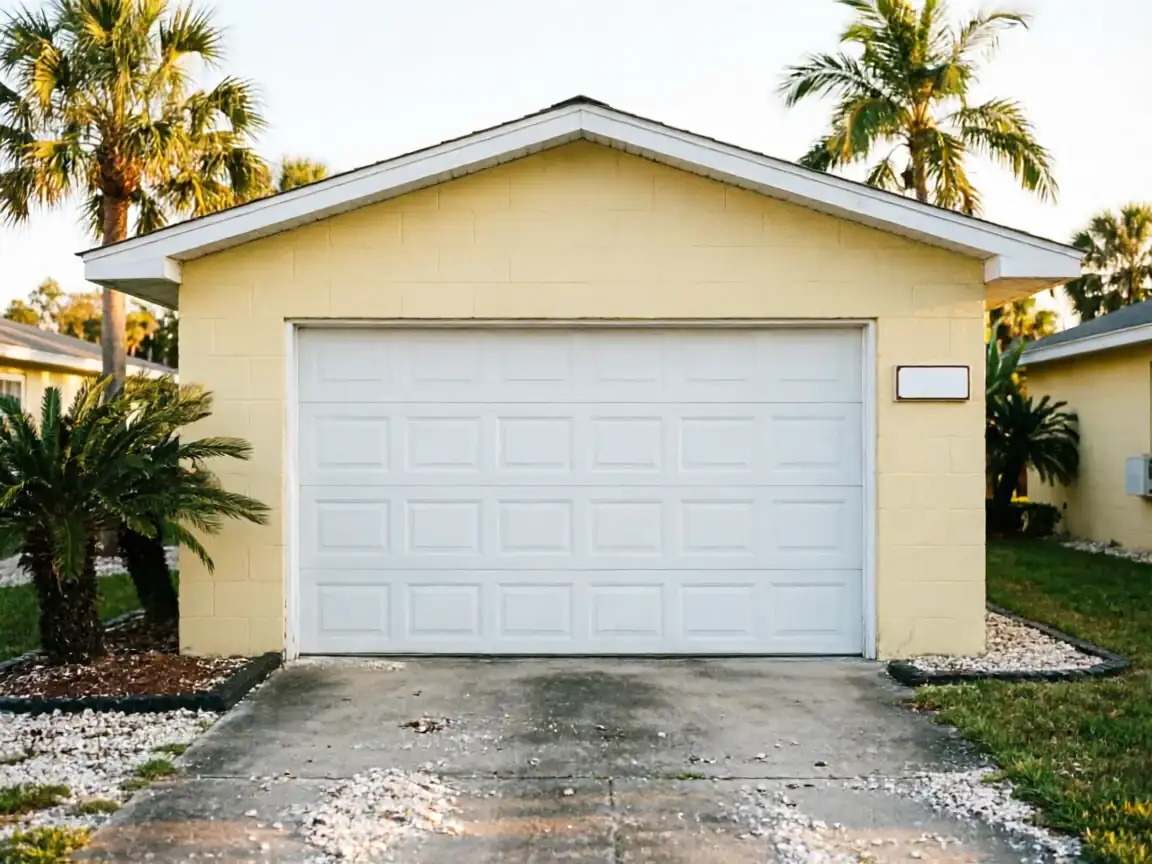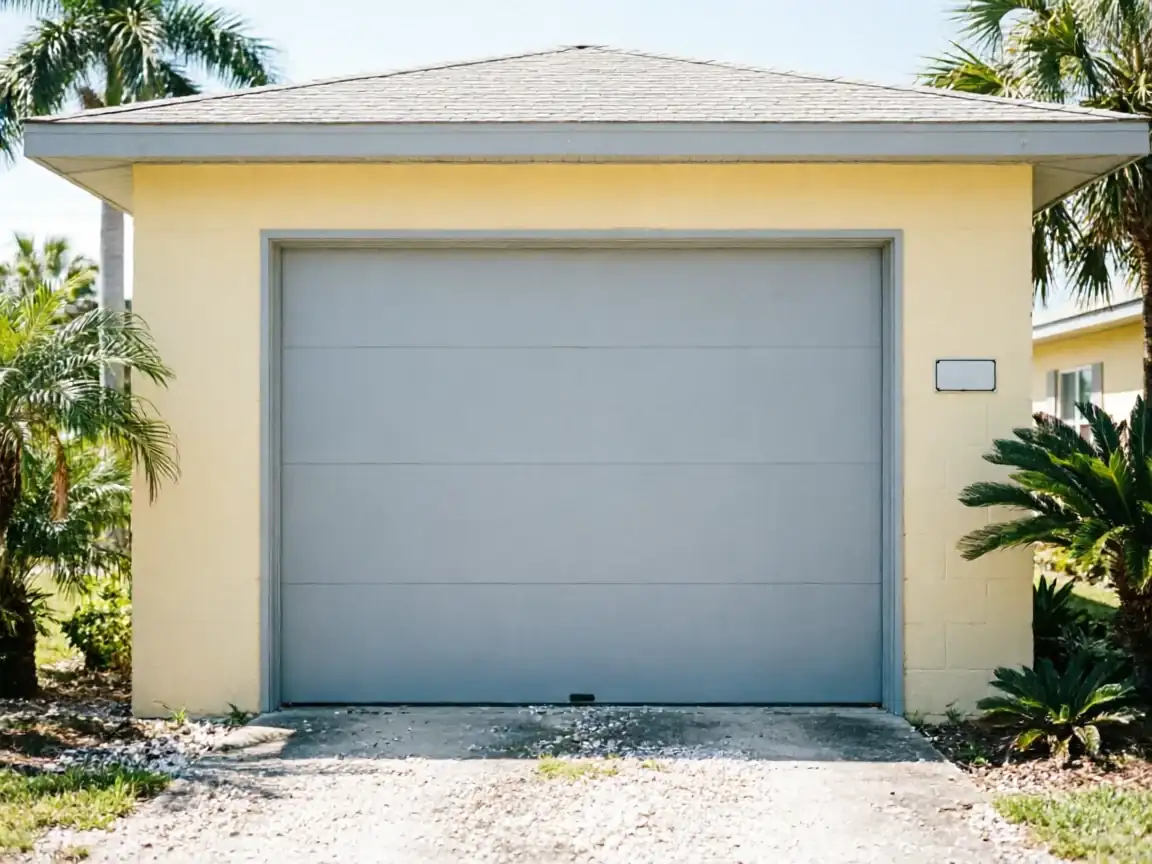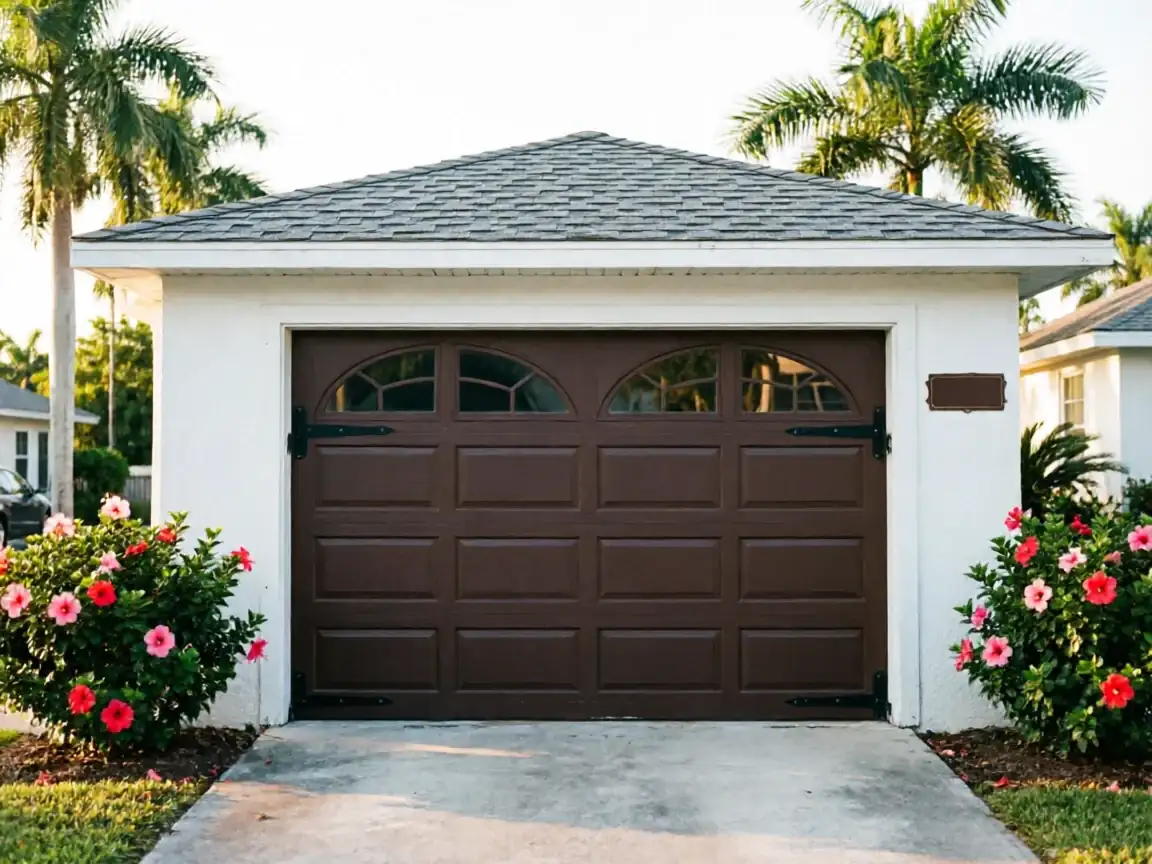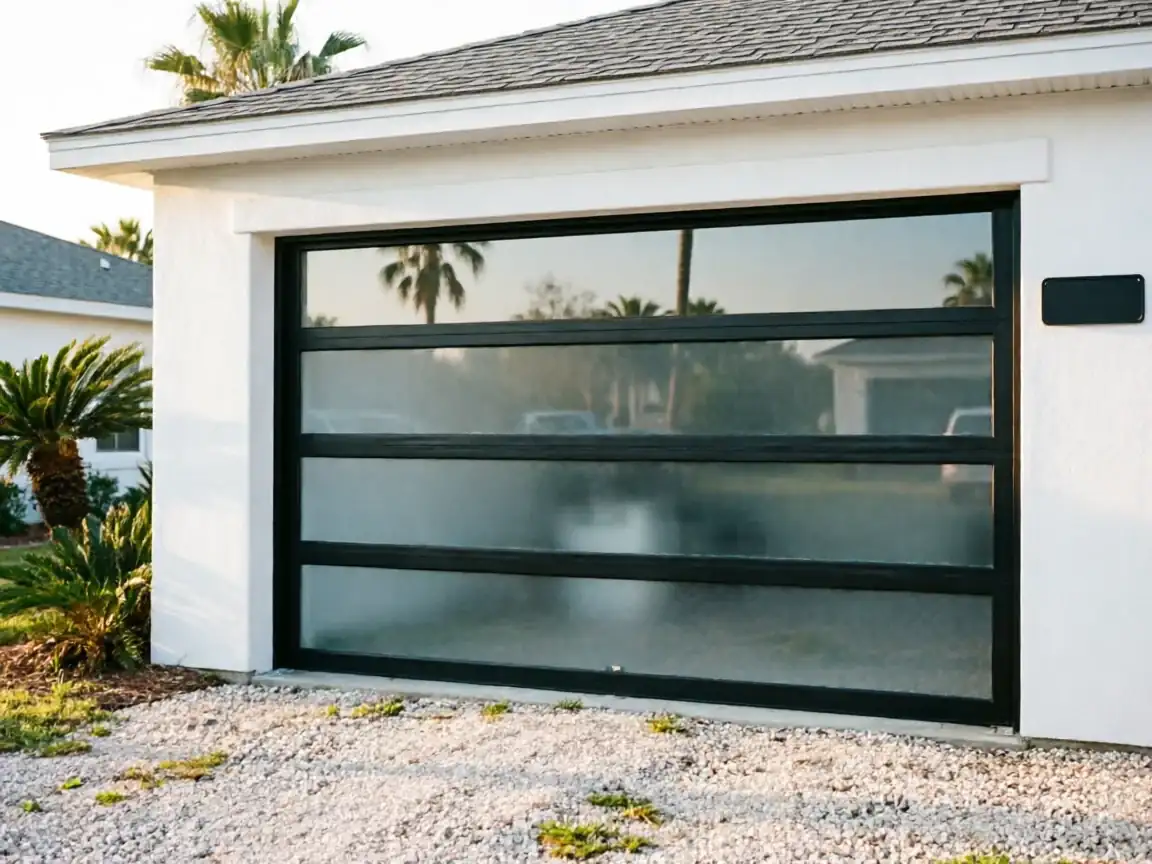
Why This Fails Locally
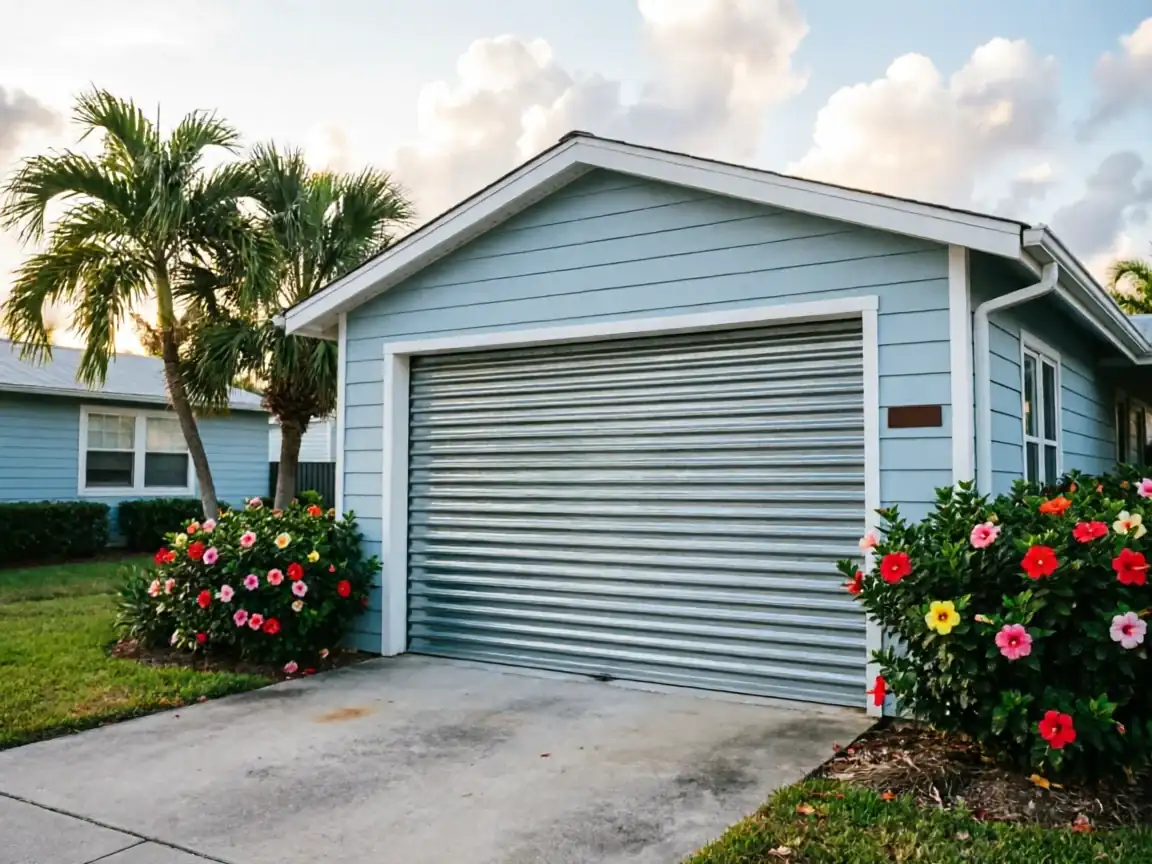
Margate is a mid-size town as far as our service area goes - about 24,634 households, a fraction of the roughly 232,020 households and 65,707 owner-occupied houses spread across the towns we cover out of Coral Springs. That size matters: it's enough volume that we see the same panel failures over and over, not a one-off oddity.
Most of those houses went up around 1978, which lines up with the broader stock across our service area - built mostly 1968 to 2005, with a median around 1977. That means steel and aluminum panel sections sized to door openings that were common in the late 1970s, often on hardware nobody has restocked in decades.
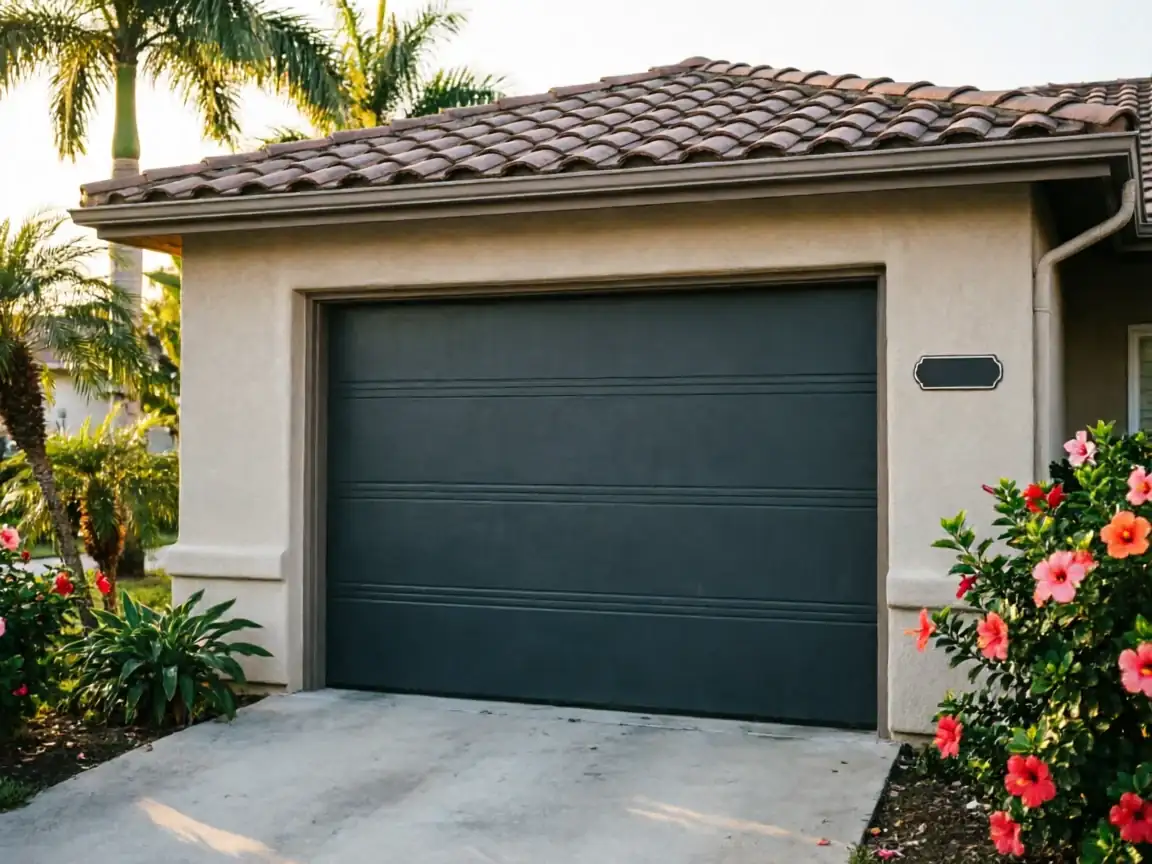
The climate here is mild temperate, so we're not chasing freeze-thaw cracking like you'd see up north. What actually kills these panels is straightforward wear: UV fade that leaves a mismatched color when you try to swap one section, dents from a bumper or a bike, and bottom panels that have soaked up enough moisture over the years to sag or delaminate at the seam. None of that is dramatic. It's just age catching up with a door that's done its job for 45-plus years.
What Is on the Truck
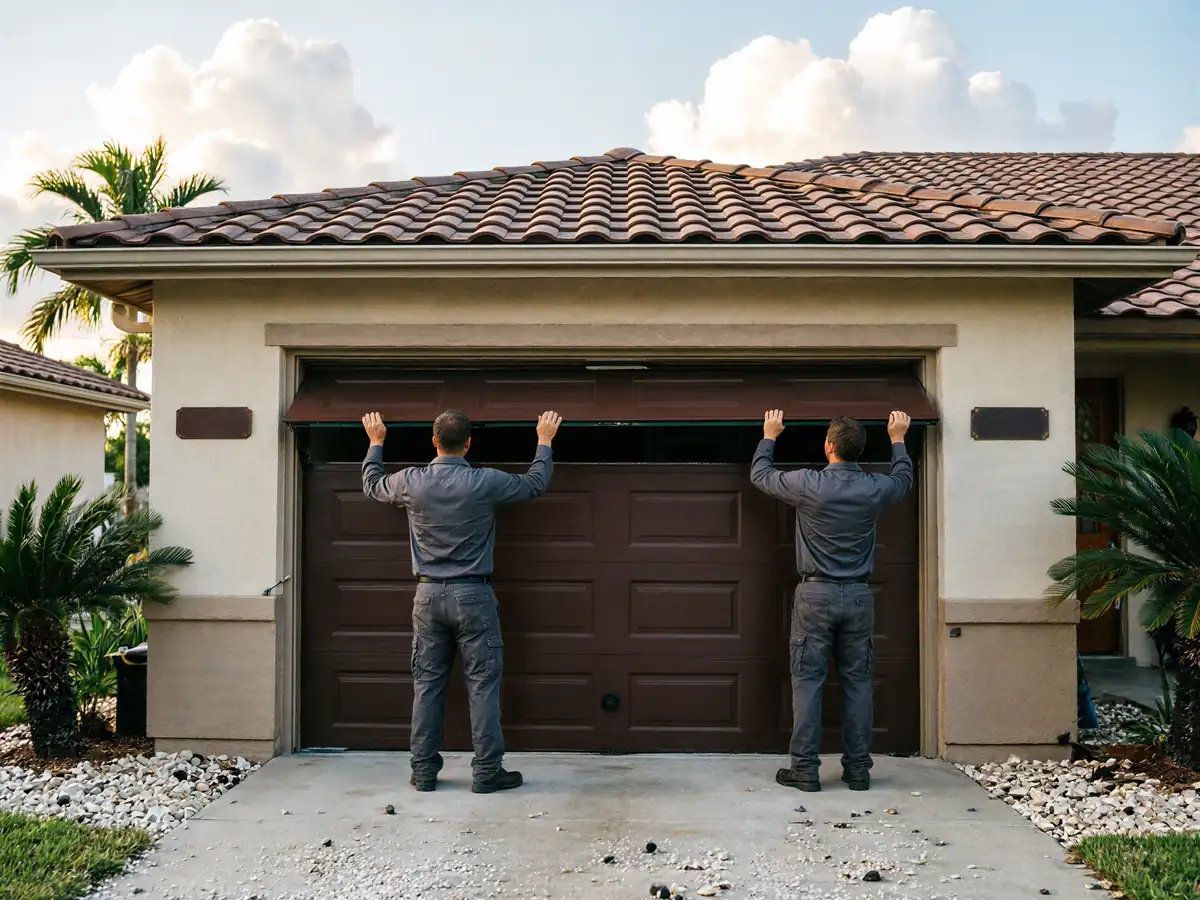
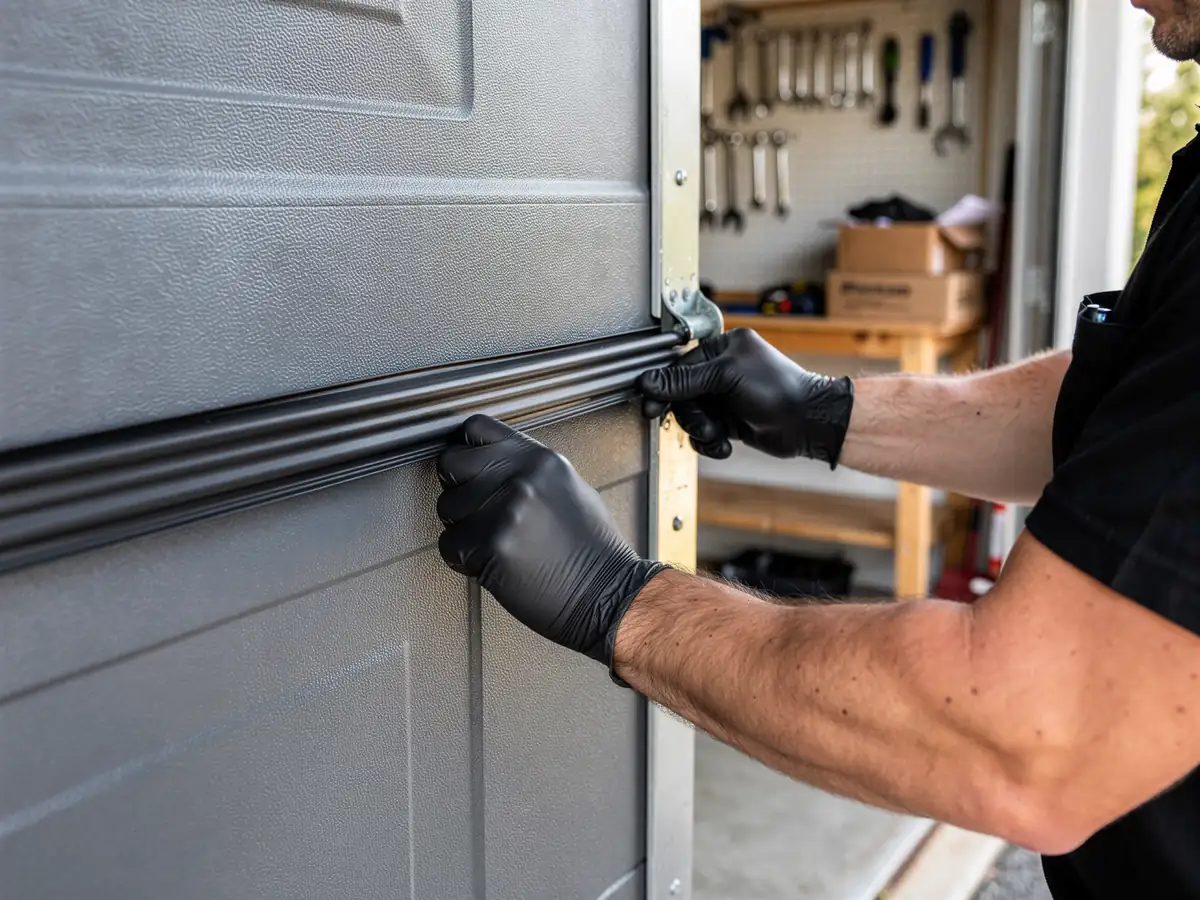
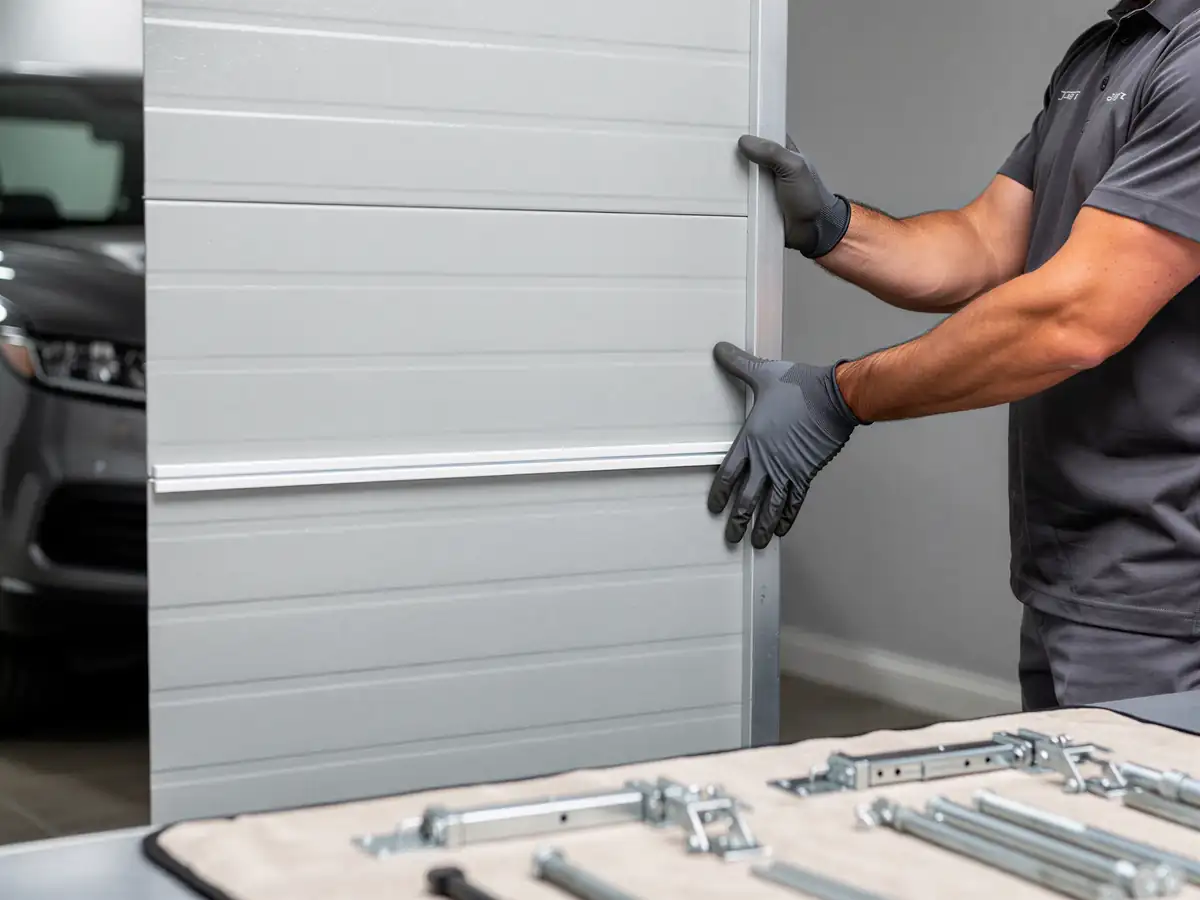
We carry panel sections sized for the common openings built across this era - the 1970s stock that makes up most of what we see in Margate and the towns around it. Standard widths and the usual hinge, roller, and strut hardware for a panel swap ride on the truck as a matter of course.
Here's the honest limit: if your door is an uncommon color, a discontinued embossed pattern, or a less common panel height from that period, we may not have an exact match in stock. Matching an old panel color or texture on a 45-year-old door sometimes means a special order, and that's a lead-time issue we can't shortcut. In that case we'll tell you straight whether a single-panel patch is worth it or whether the better call is replacing more of the door so everything matches going forward.
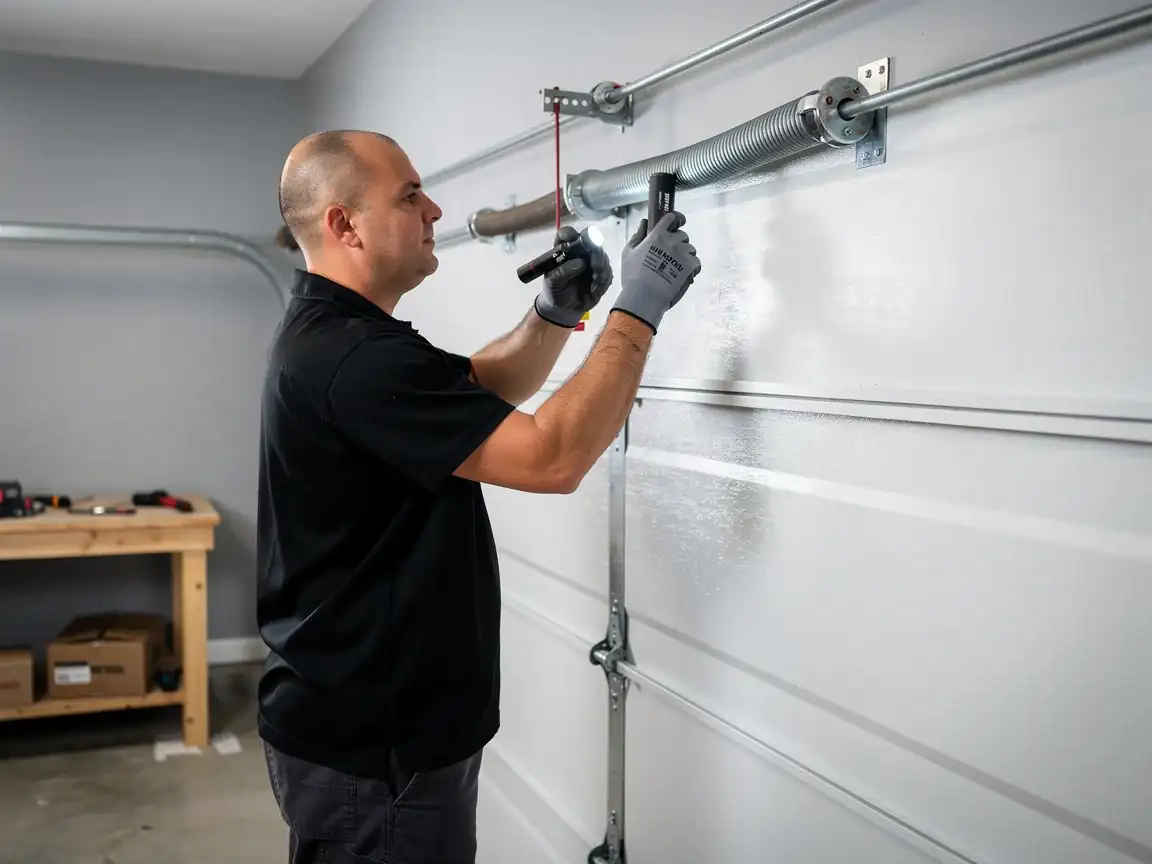
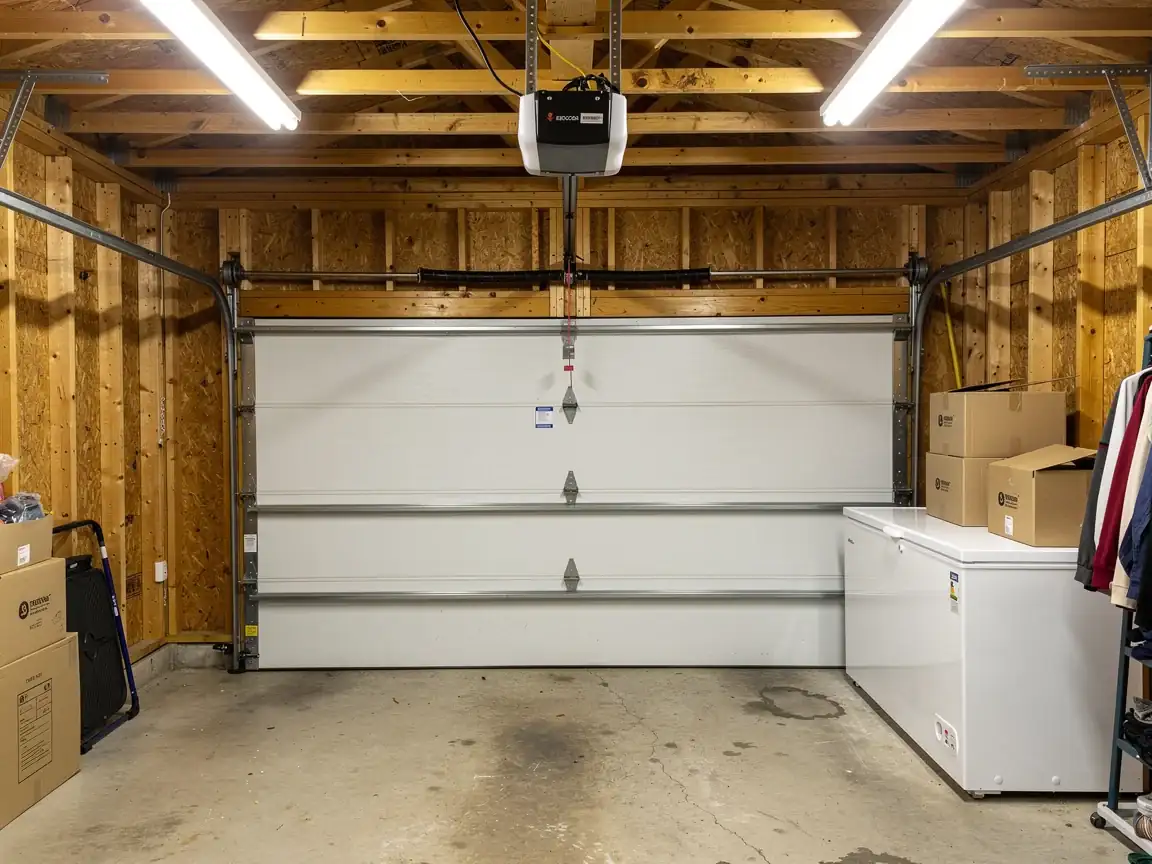
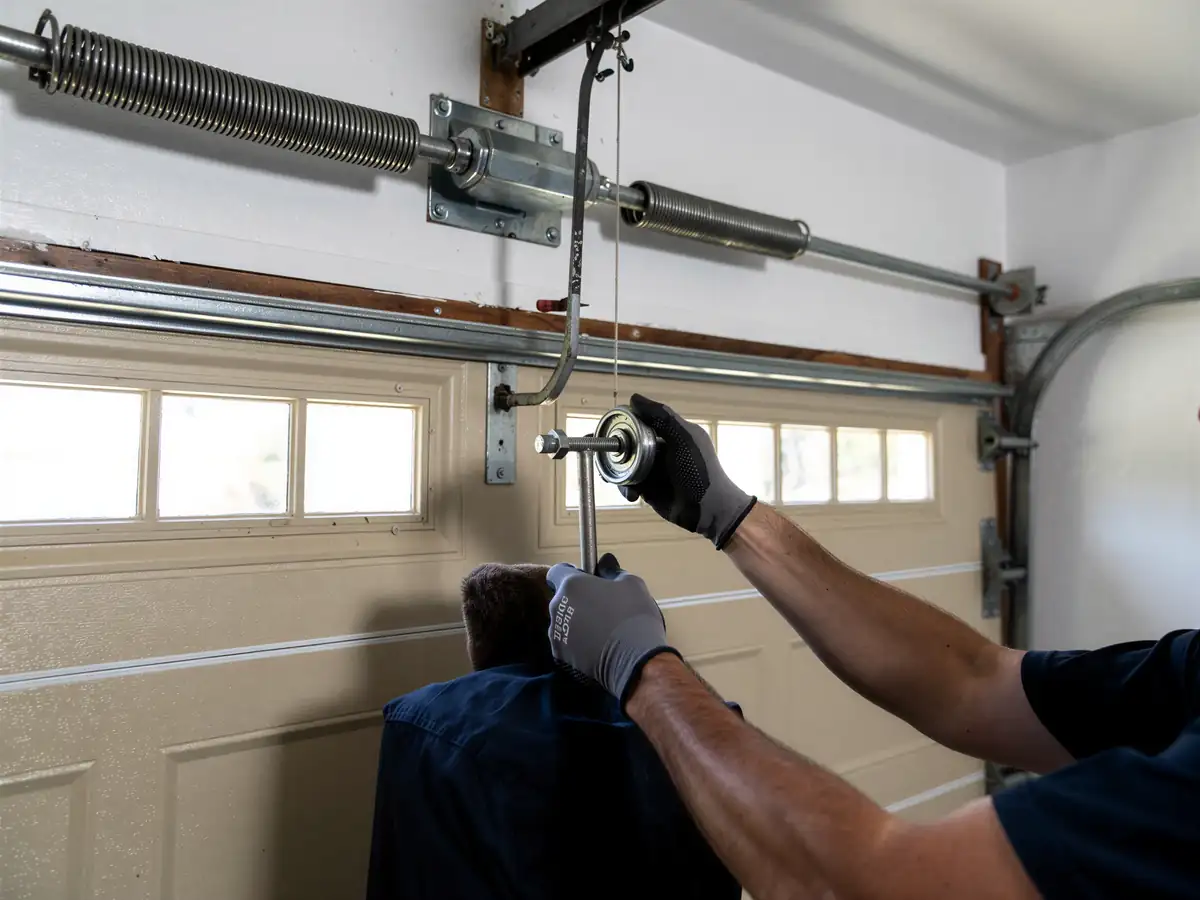
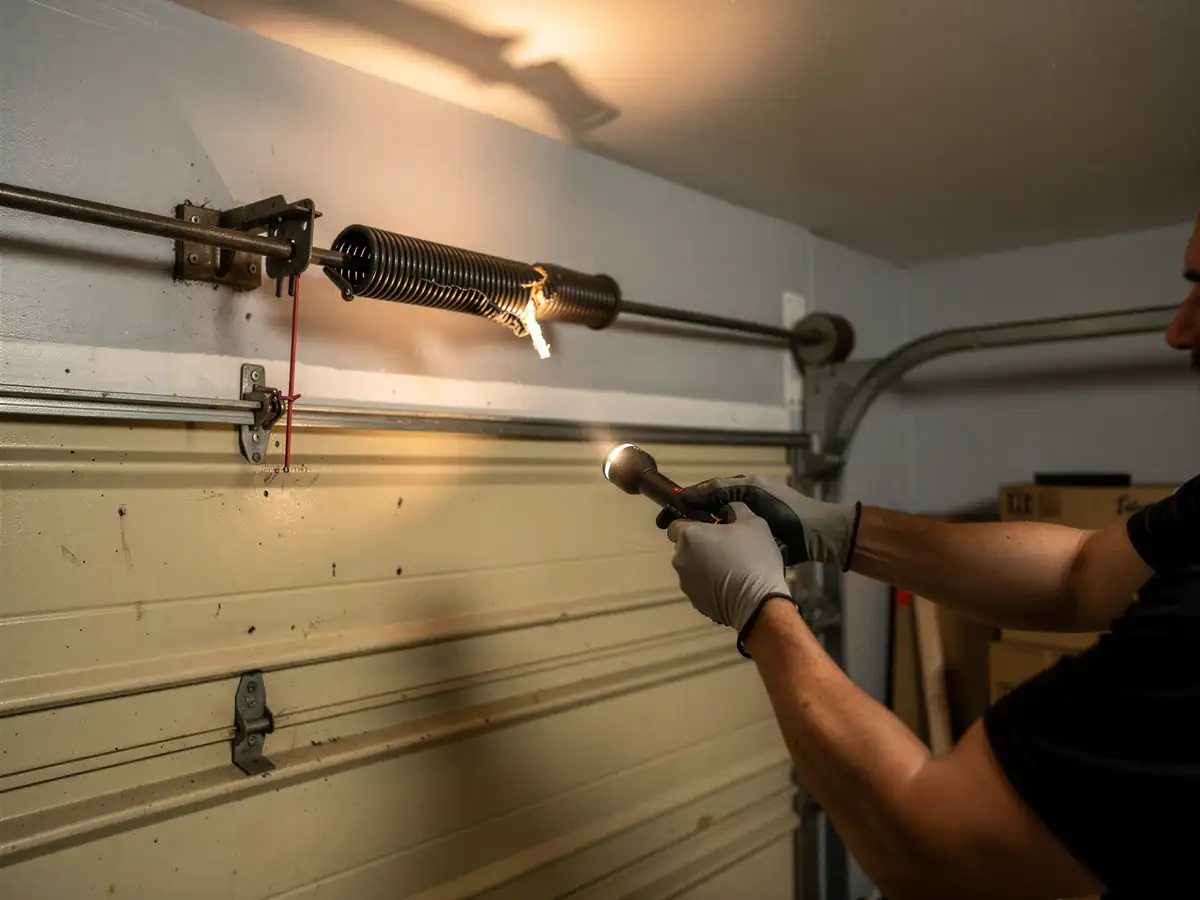
We also bring torsion spring stock and standard track hardware, since a bent or sprung panel on an older door often means the track took a hit too, and swapping the panel alone without checking the track leaves you with a door that still won't run straight.
How to Book
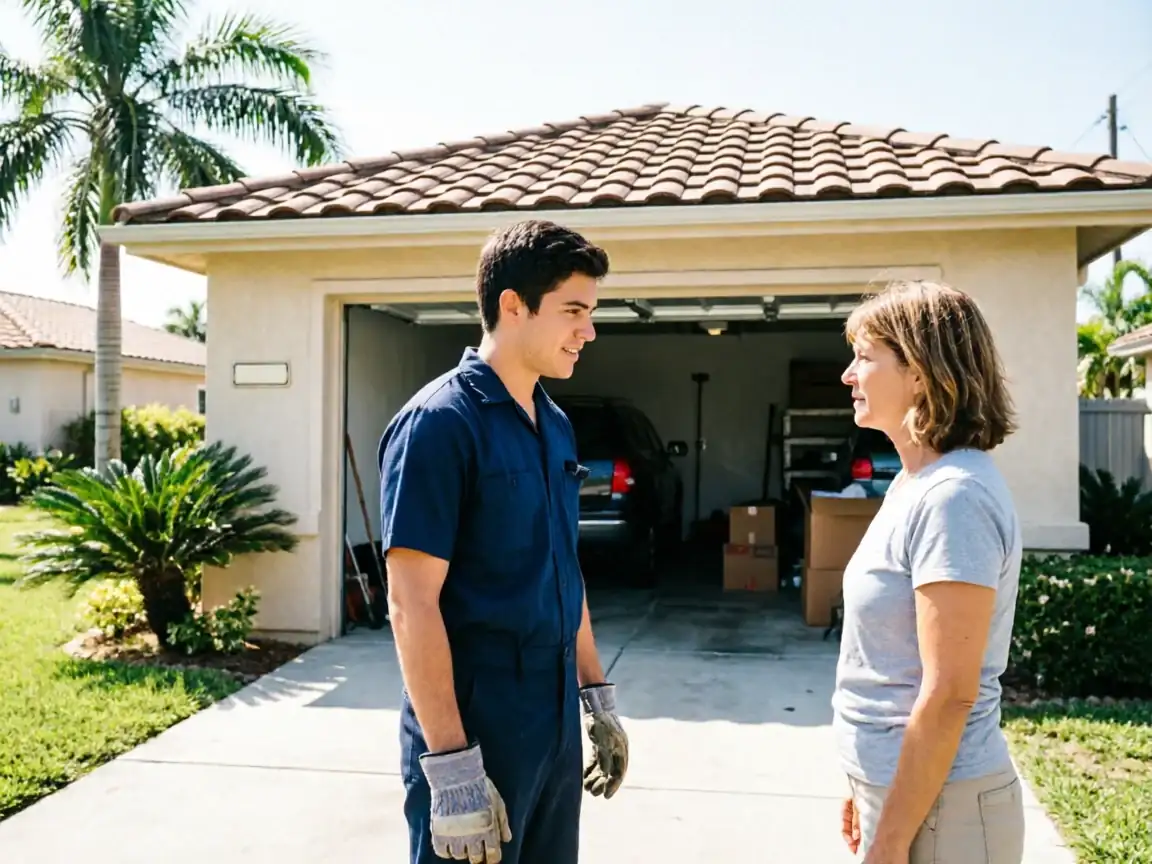
We travel the three miles from our Coral Springs base to Margate for this kind of job
No local branch, just a truck that comes out to you. You can see what we cover across the area on our areas page, and if this ends up being a full-door job rather than a panel swap, our panel replacement page for Coral Springs covers the broader service.
Booking is simple: tell us the door's approximate age, how many panels are affected, and whether it's cracked, dented, or just discolored next to the rest of the door
That's enough for us to bring the right stock the first time instead of making a second trip for a part we should have brought. If you can send a photo ahead of the visit, it helps us judge color match before we're standing in your driveway.
The Cost of This Job
Margate's median household income runs around $60,852, lower than the roughly $68,424 median across the wider service area we cover from Coral Springs. That gap shows up in how people decide between a single-panel patch and a full door swap - a lot of homeowners here want the cheaper fix if the door still runs true, and that's a reasonable call on a 45-year-old door with otherwise sound hardware.
We don't have a flat rate we can quote here, since the real cost swings on how many panels are hit, whether the color matches without a special order, and whether the track or spring took damage along with the panel. What we can say is that a single clean panel swap on a door that's otherwise sound is a smaller job than people expect, and a door with three or four damaged sections, bad hardware, and a color mismatch starts tipping toward full replacement being the better value rather than patchwork that still looks patched.
The Symptom
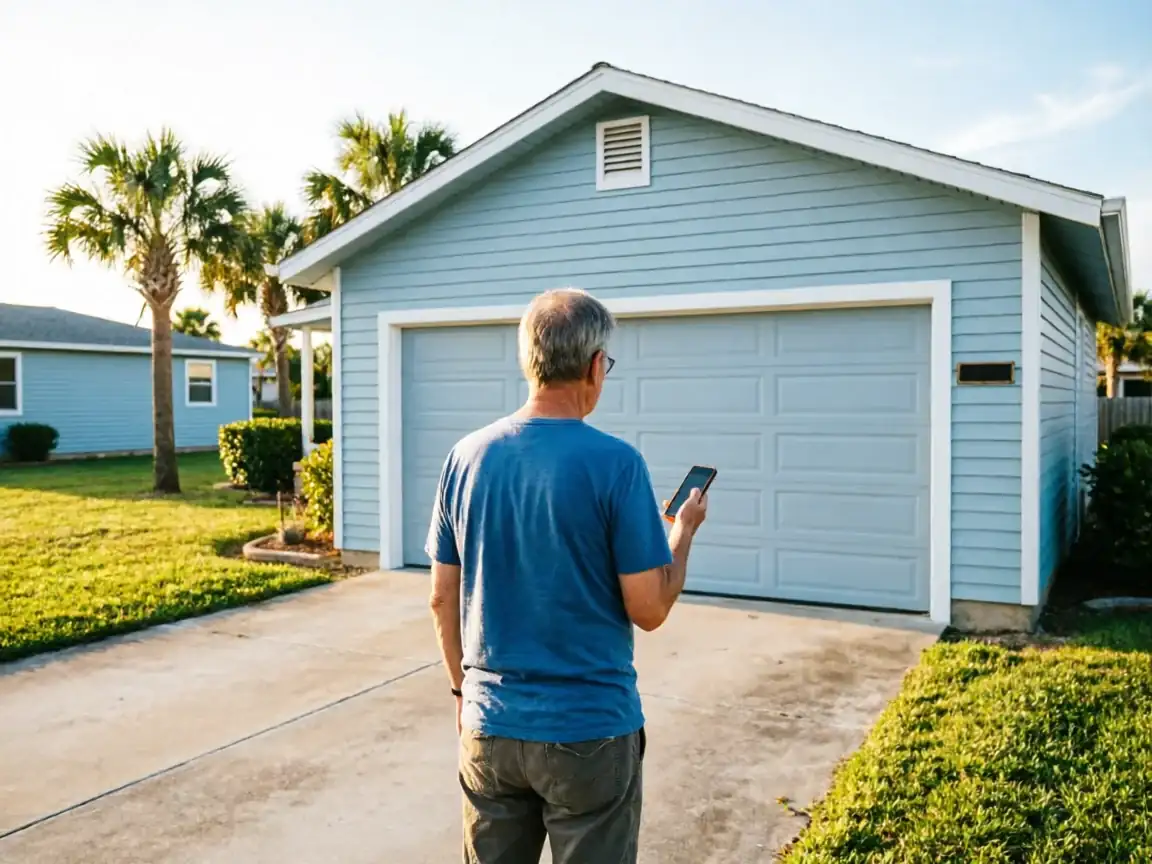
The most common call we get on these late-1970s Margate doors isn't a door that won't open - it's a door that runs rough on one side, or a bottom panel that's visibly bowed outward near the center. That bow is usually water that's worked into the panel seam over the years, and once a steel or aluminum panel from that era starts to sag, it doesn't flex back.
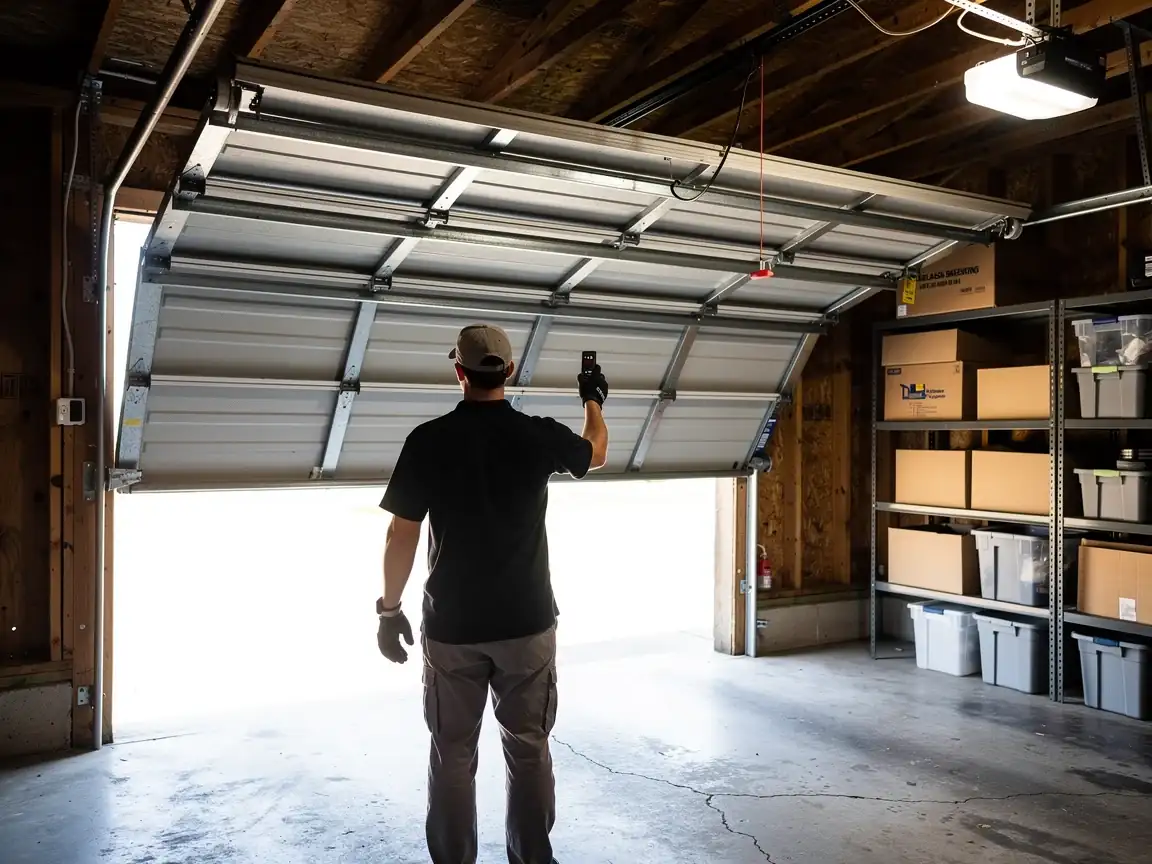
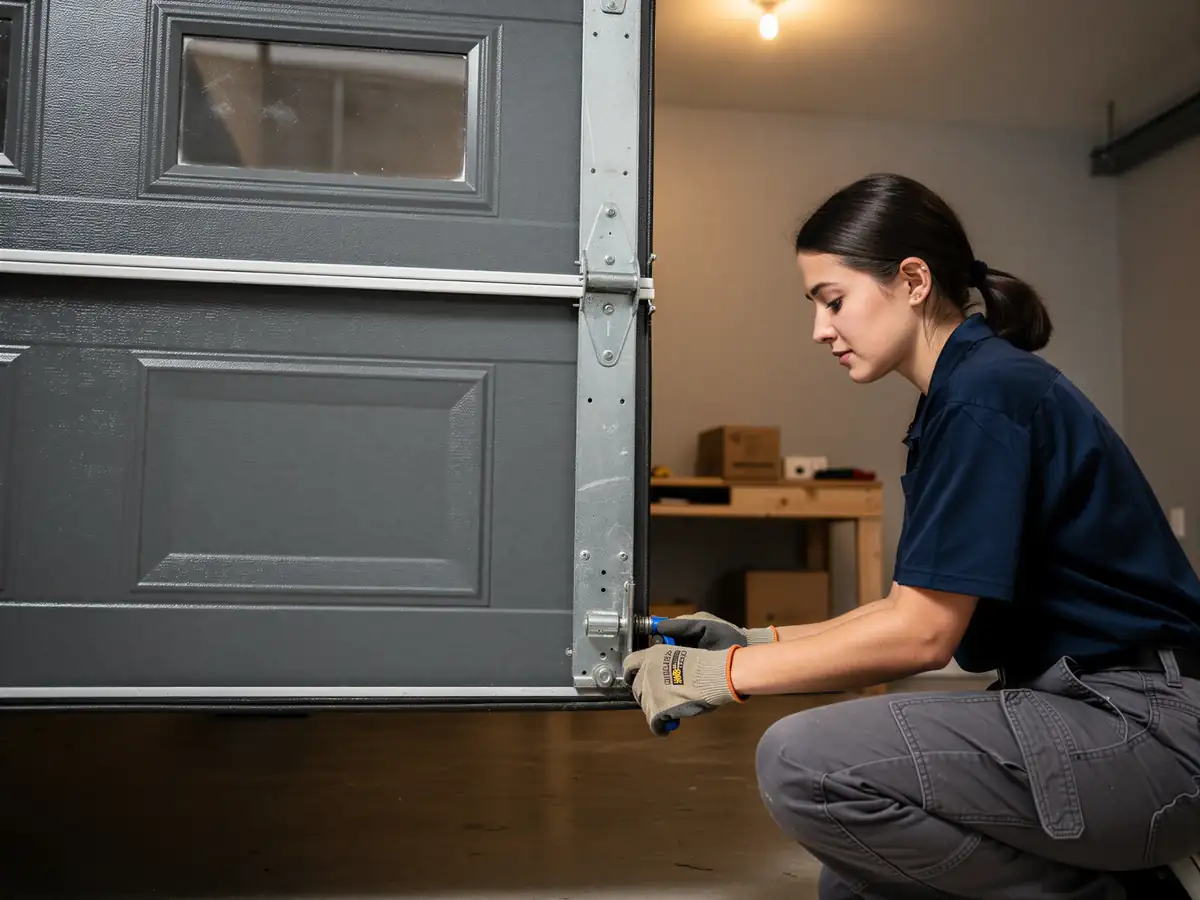
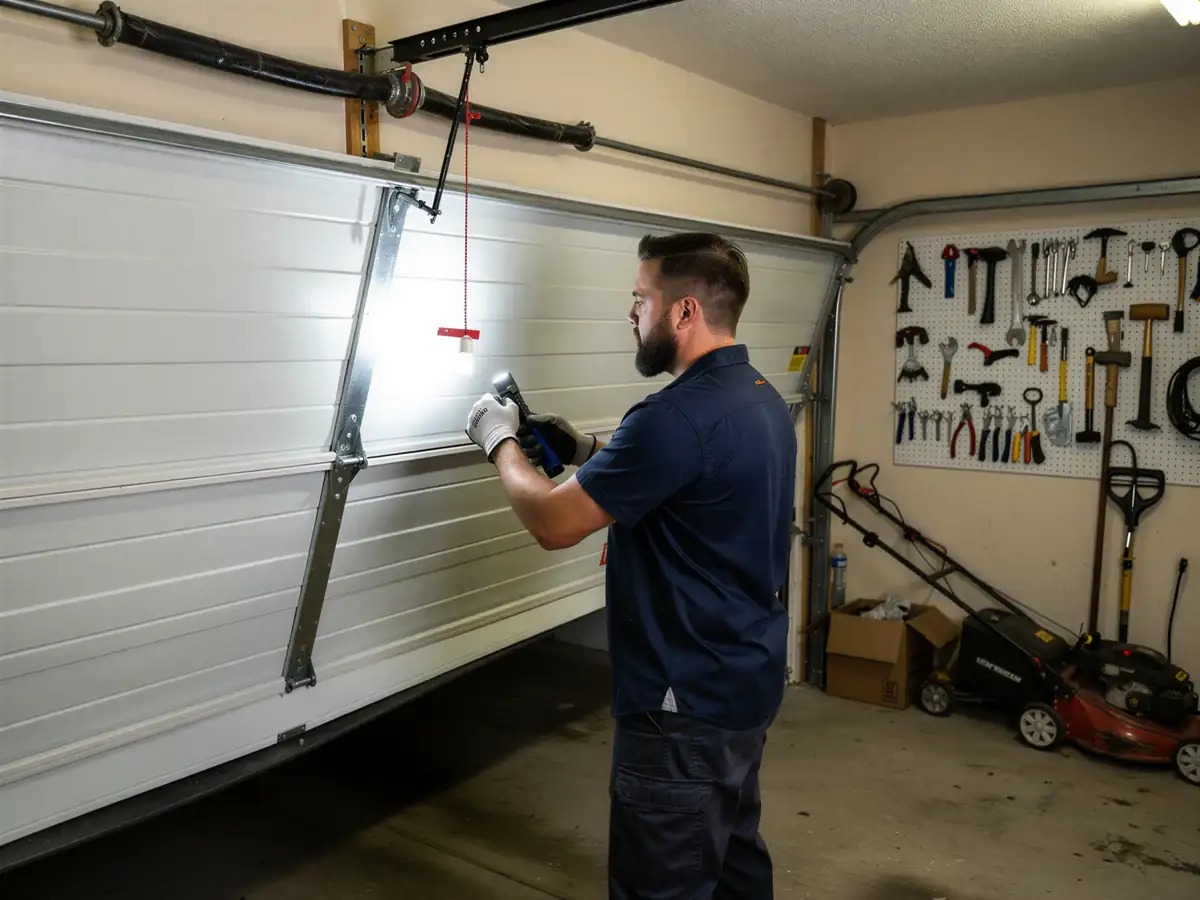
The second common symptom is a panel that's dented hard enough to bind against the track, so the door grinds or stutters partway through its cycle instead of closing clean. On an older door, that dent is often paired with a stretched hinge or a roller that's worn oval instead of round, which is why we check the whole run of hardware on that panel, not just the panel itself.
One limitation worth saying plainly: if the dent or bow has pulled the track out of alignment, a panel swap alone won't fix the symptom. We'll flag that before we start, not after you've paid for a panel that still won't run straight.