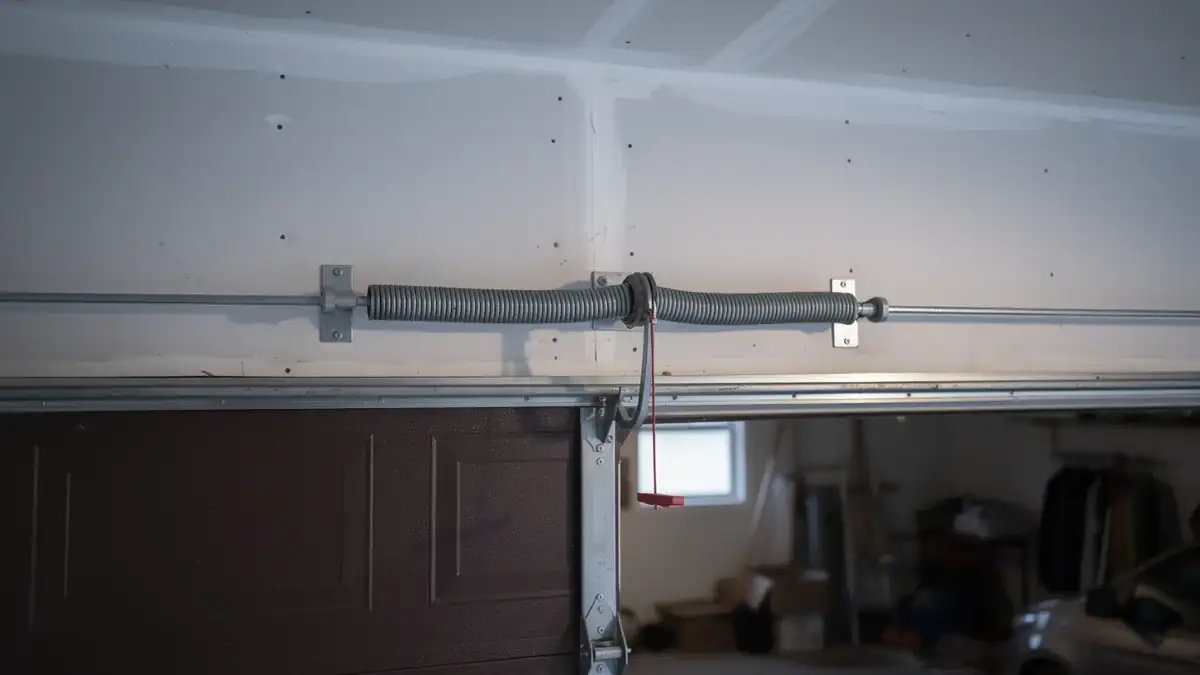
What Local Conditions Do
Coral Springs sits in a mild temperate climate band. There's no hard freeze here, no stretch of nights cold enough to make steel contract and snap the way it does up north. So when a torsion spring lets go on a Tuesday afternoon in July, cold weather isn't the reason - and it usually isn't the reason in January either.
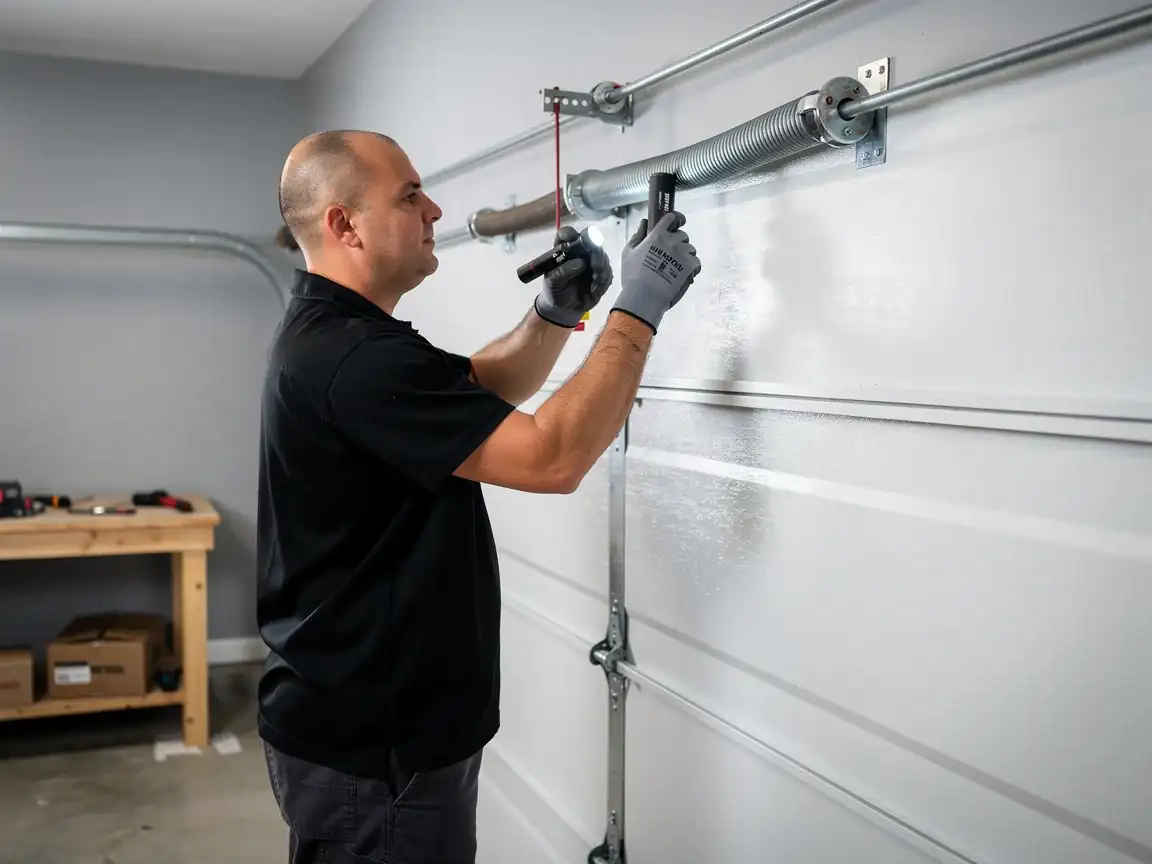
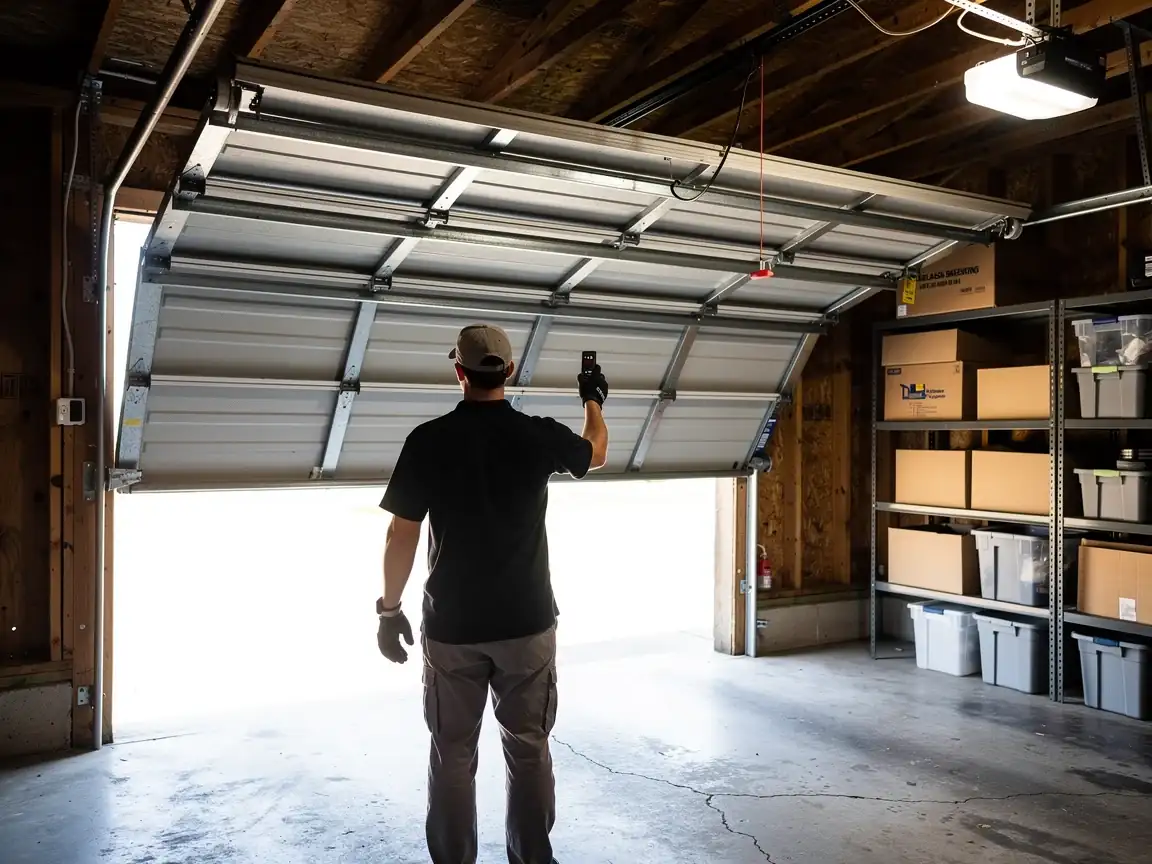
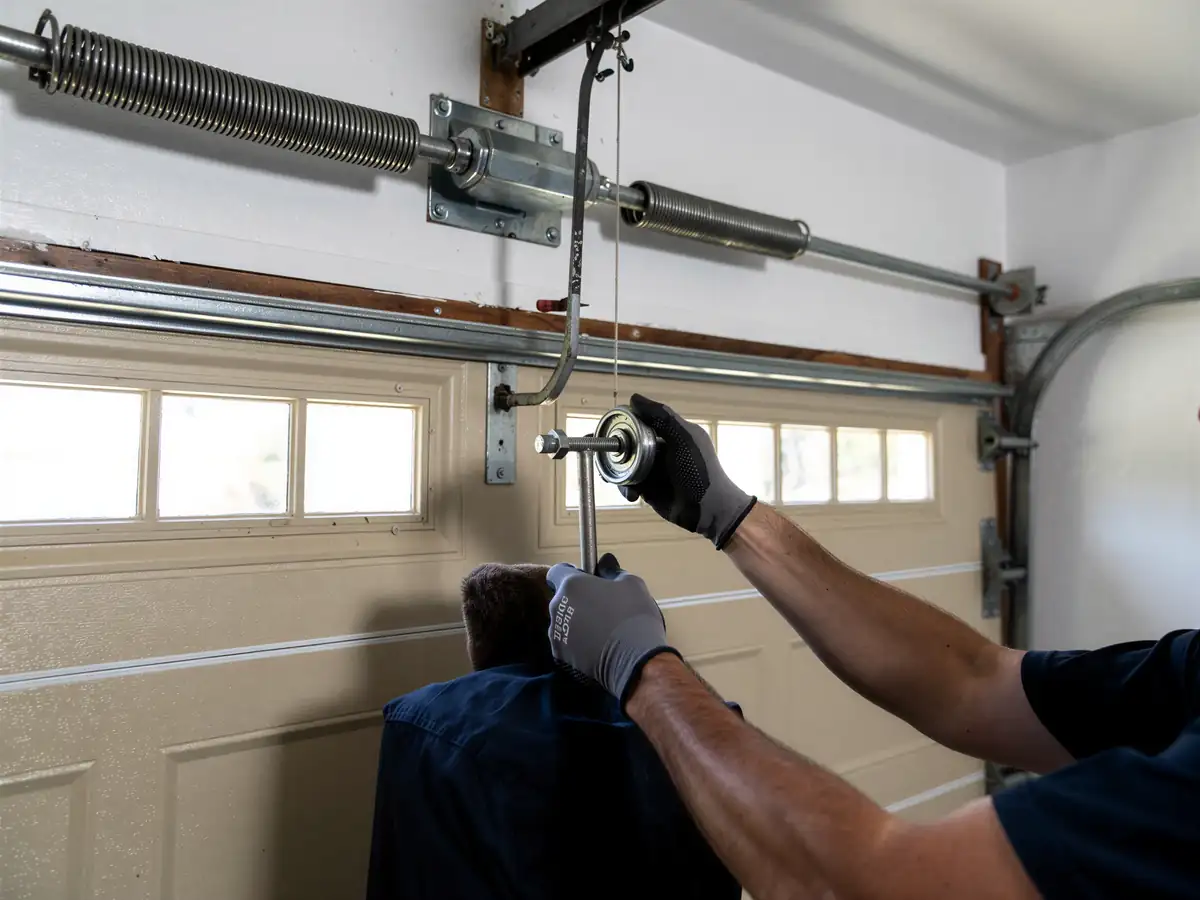
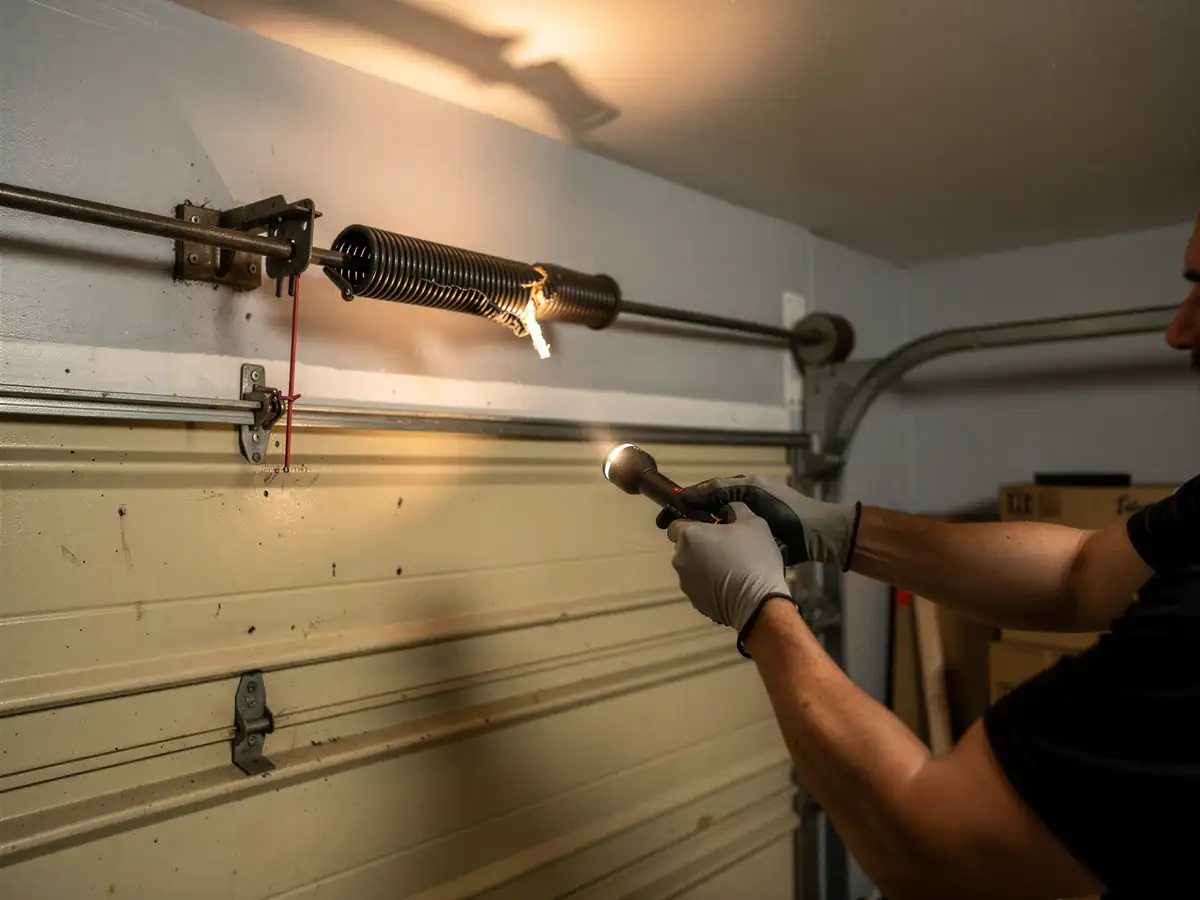
What actually drives failure here is cycle count. Every time the door goes up and down, the spring winds and unwinds a little closer to the end of its rated life. Houses across this service area were mostly built between 1968 and 2005, with the median landing around 1977, which means a lot of the original or first-replacement springs have been doing that work for a long time. Age and use wear a spring down steadily, not suddenly from a weather event.
That's the honest local story: this isn't a cold-climate failure pattern, it's a cycle-fatigue one, tied to how long the hardware has been on the job. If your door is original to a house from that build window, the spring is carrying decades of openings, and that's the number that matters, not the thermometer.
What Most People Get Wrong
The most common mistake we hear is someone blaming a snapped spring on "the cold snap last week." In a climate band like this one, that explanation doesn't hold up - there isn't the kind of deep, sustained cold that stresses steel the way it does in other parts of the country. Pointing at the weather is a way of explaining a sudden-feeling failure, but the spring didn't fail suddenly. It failed on schedule.
The second mistake follows from the first: because people think the break was a one-off weather event, they replace just the broken spring and assume the job is done. On an older torsion system - and a lot of the housing stock across the area dates to the 1960s-70s era - the other spring, the cable, and the drums are usually close to the same age and the same cycle count. Replacing one half of a matched pair and leaving the other is asking for a second call within a season.
We'll tell you straight: if your hardware is original and one spring just went, it's worth asking about the other side before we close the truck door, not after it goes too.
The Cost of This Job
We're not going to put a number here that isn't backed by something real
And pricing depends on door size, spring type, and whether one side or both need replacing - none of which we can guess from a town name. What we can tell you is what drives the cost up or down on a typical job in this area.
Across the service area, the median household income is $68,424 across 232,020 households
With 65,707 of those owner-occupied houses. That's the backdrop most jobs here get priced against - homeowners who want the repair done right the first time, not the cheapest patch that calls us back in six months. On a house from the 1968-2005 build range, that often means replacing both springs as a matched set rather than just the one that broke, since the surviving spring is usually close behind it in cycle life.
- $68,424 median household income
- 232,020 households
- 65,707 owner-occupied
The honest limitation
We can't quote a job over the phone with any accuracy before we've seen the door, the spring size, and the drums. A ballpark from a stranger on the internet is worse than no number at all.
The Situation
This service area covers Coral Springs and the surrounding cities - Margate three miles out, Parkland at four, Tamarac and North Lauderdale at five, Coconut Creek also at five, with Lauderhill, Lauderdale Lakes, Deerfield Beach, Oakland Park, Lighthouse Point, Washington Park, Wilton Manors, Hillsboro Beach, Lauderdale-by-the-Sea, Dania Beach, Southwest Ranches, and Golf further out. Across these 17 named areas, the housing stock clusters in the same general window - mostly 1960s-70s construction - so the spring-and-hardware story we're describing isn't unique to one street, it's a pattern across the whole area.
That consistency matters for how we plan a route and stock a truck. A torsion spring job on a house from that era looks a lot like the next one three miles over, which means we're not guessing at spring size or drum type when we show up. It also means the age-and-cycle explanation for a broken spring holds across the service area, not just in one pocket of it. If your house falls outside that build range, the math changes, and that's worth mentioning on the call rather than assuming.