What Local Conditions Do
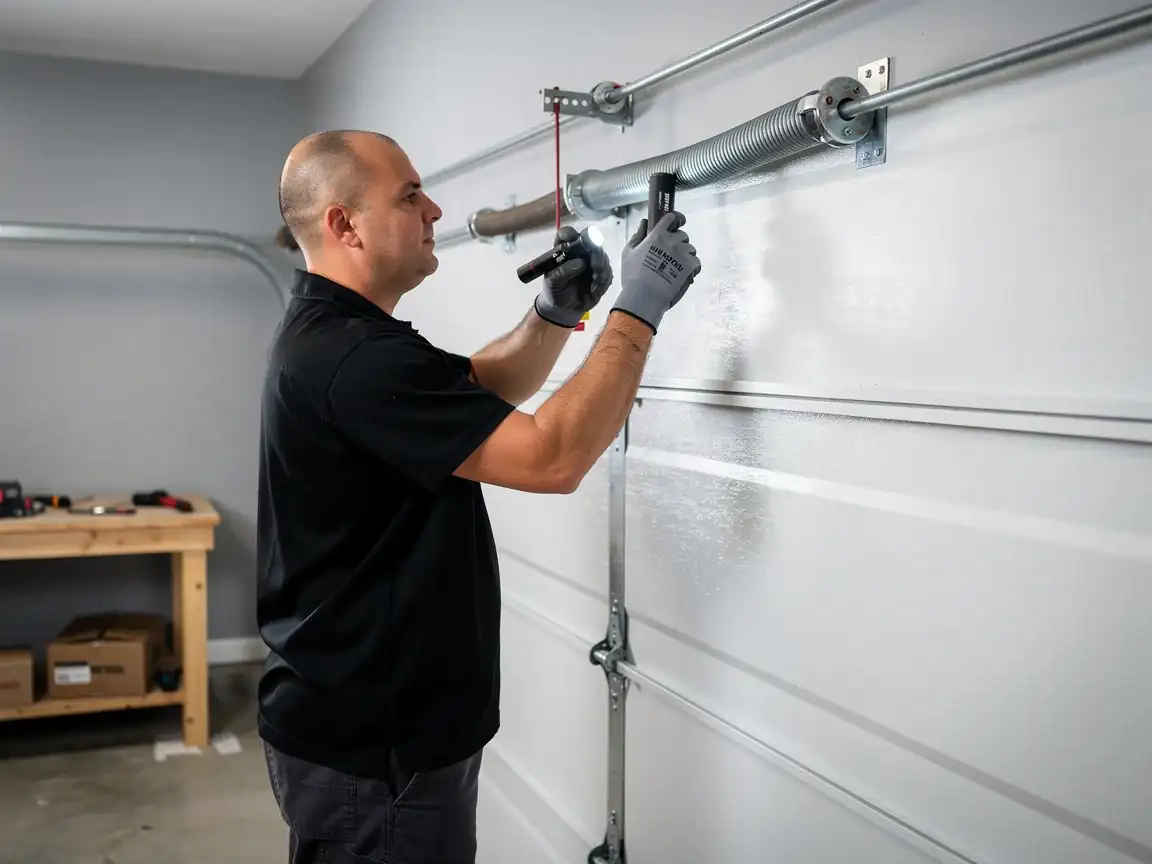
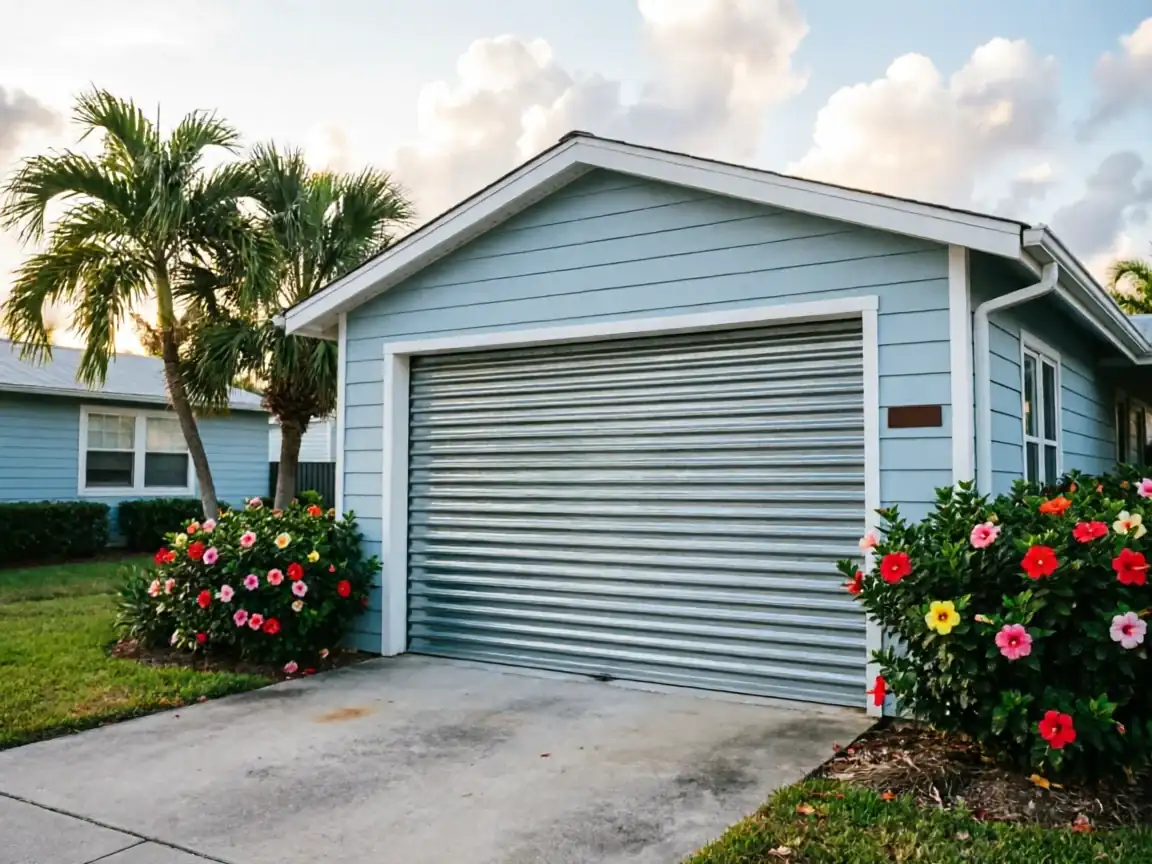
Coral Springs' housing stock runs 1968 to 2005, with the median build year landing around 1977, and most of it clusters in that 1960s-70s wave across the 17 named areas that make up this city. A door put up in that era went in before insulation requirements were part of the garage door conversation at all. Builders hung a single layer of steel or aluminum, no polystyrene or polyurethane core, no thermal break at the frame, because nobody was asking for one yet.
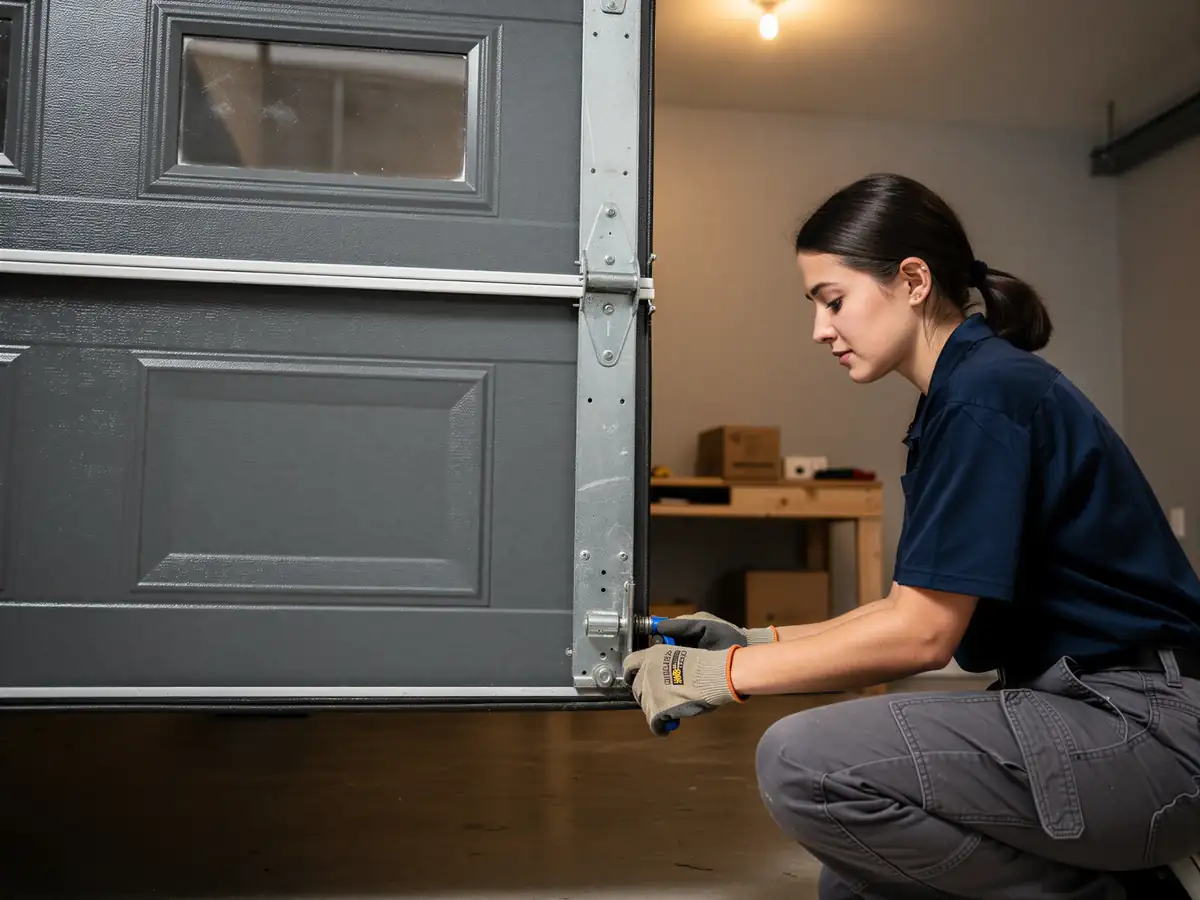
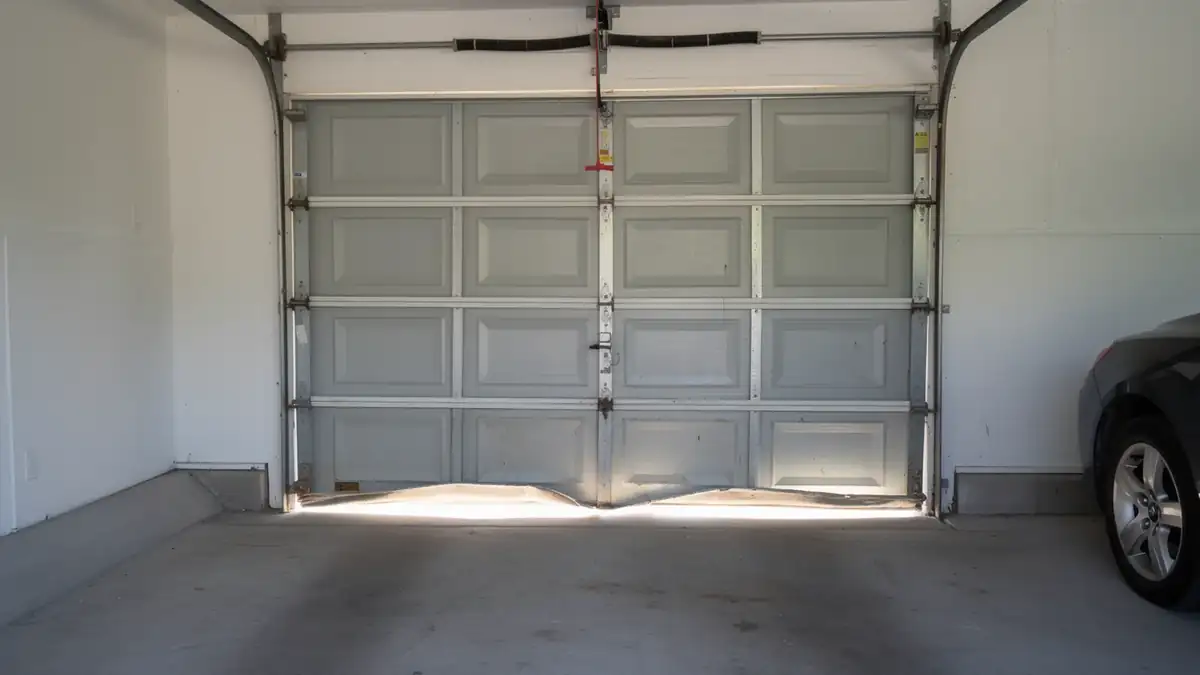
The climate here is mild temperate, so the heat load argument that drives insulation retrofits in colder or hotter regions doesn't carry the same urgency. A single-layer door in Coral Springs isn't failing you on comfort the way it might in a place with harsh winters. What it does change is noise, panel rigidity, and how the door handles daily temperature swings between a hot attached garage and the AC'd house next to it. On a 1977-era door, that's often showing up as warping at the bottom panel or a hollow rattle you didn't have ten years ago.
If your house falls in that median build window, the door you're looking at was almost certainly matched to the code of its decade, not ours.
What Most People Get Wrong
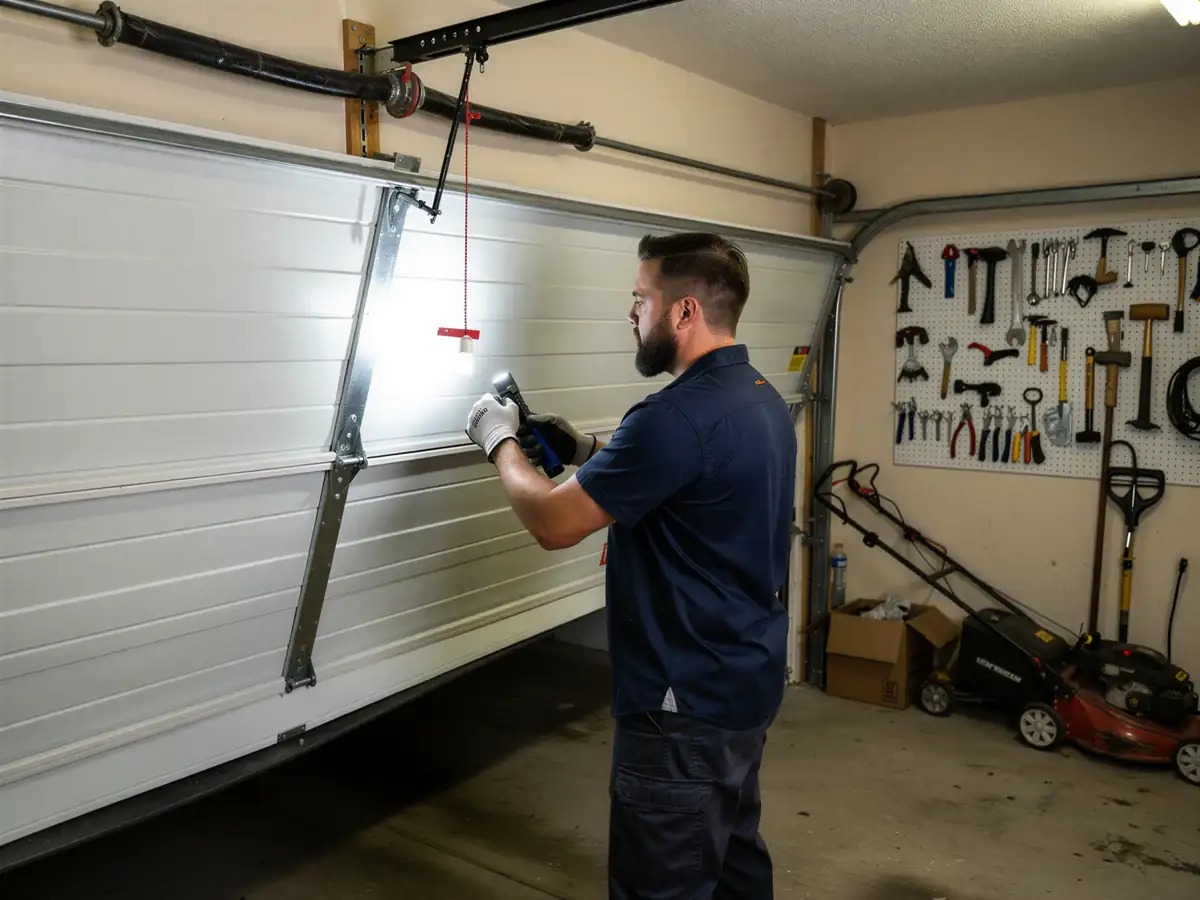
The common mistake is assuming an uninsulated door from the 1970s is broken when it's actually just original. People call asking for a repair on a door that rattles or feels light when it's doing exactly what a single-layer steel panel from that era was built to do. There's nothing to fix in the sense of restoring it to spec, because there was no insulation spec to begin with.
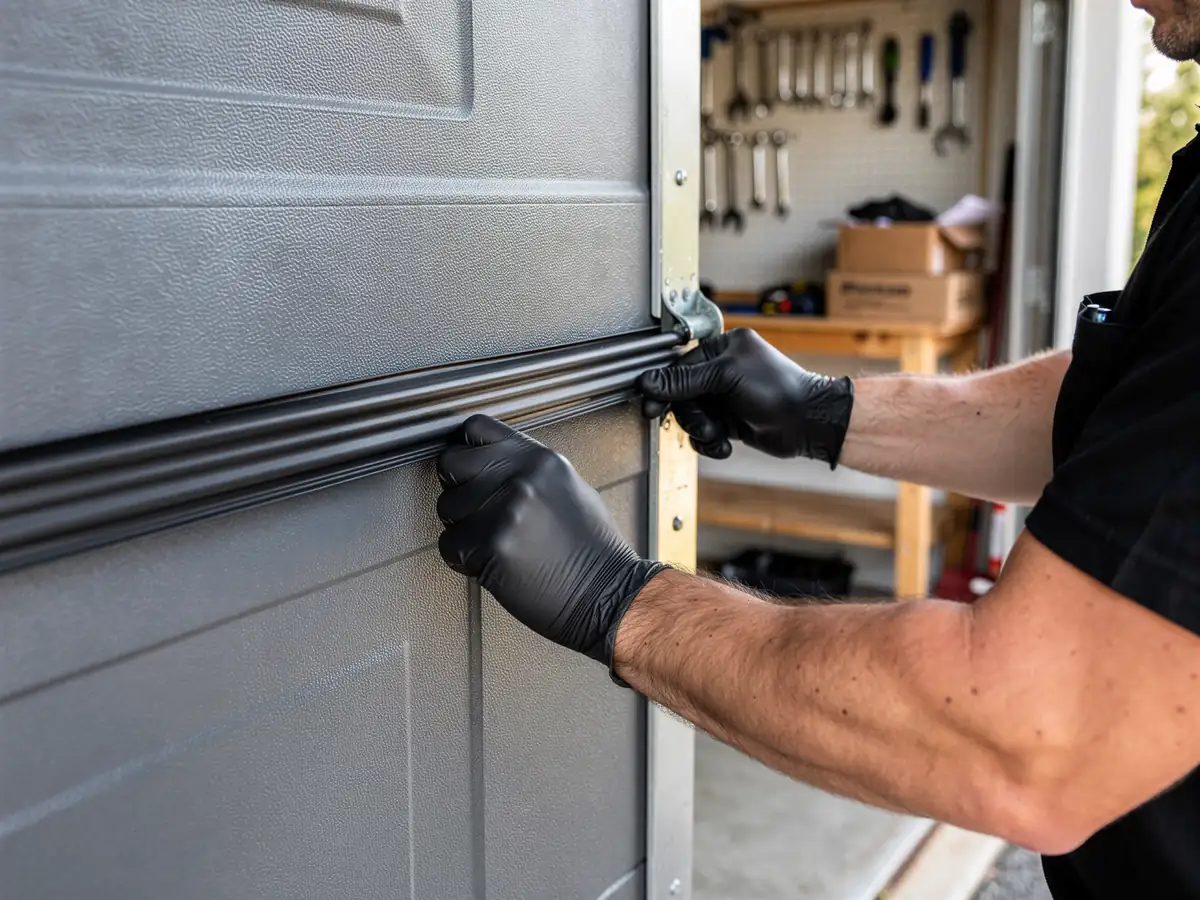
The second mistake is treating the mild climate here the same way you'd treat a retrofit decision in a place with real winters. In a mild temperate zone, insulation on an older door is mostly about noise control and panel stiffness, not heating bills. If someone's selling you a full insulated replacement as an energy-savings move for a Coral Springs garage, that's not wrong exactly, but it's not the whole story either, and the payback math looks different here than it would somewhere with four real seasons.
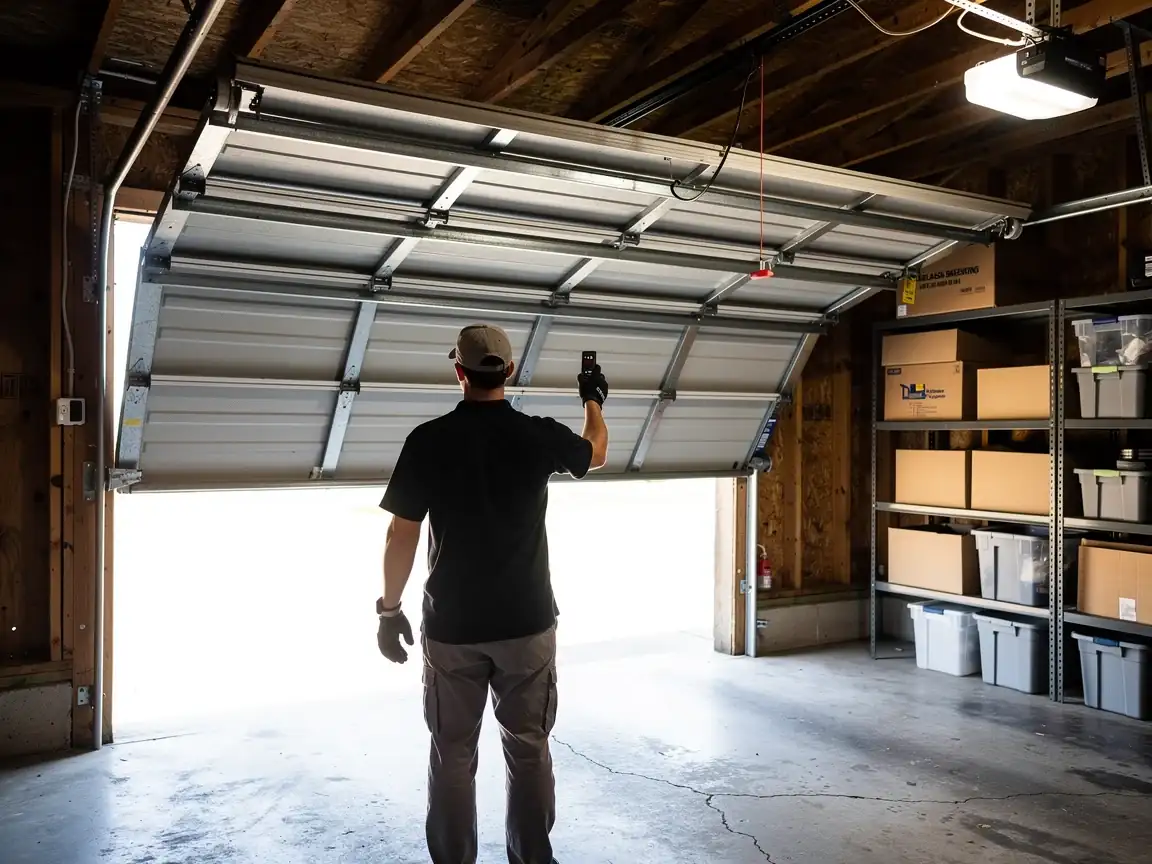
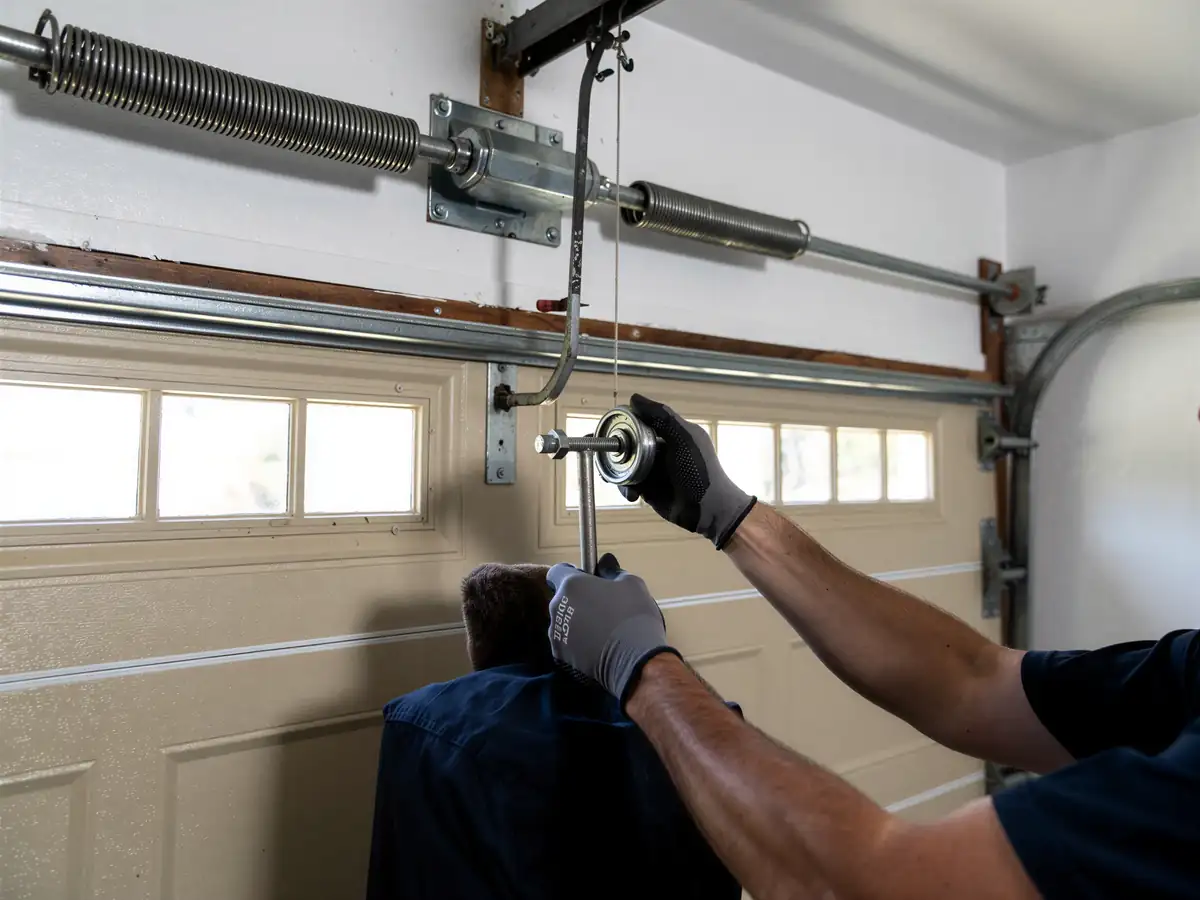
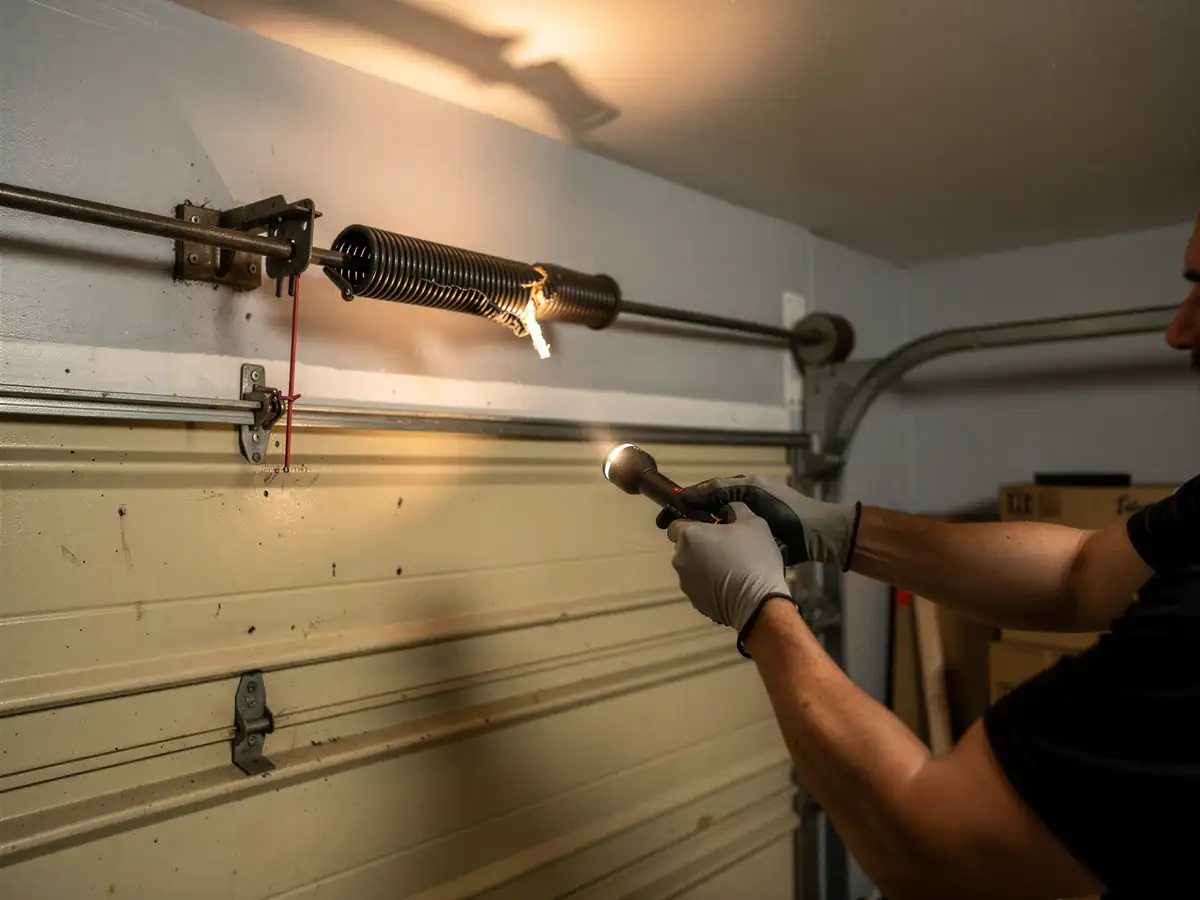
What we see a lot of in the 1960s-70s stock across this area is a track and spring system matched to a lighter, uninsulated panel. Swap in a heavier insulated door without checking the spring rating and hardware, and you've got a door that's hard to lift by hand and wears the opener out early.
The Cost of This Job
We don't have a posted price list to give you here, so I won't make one up
What I can tell you is how the decision tends to break down on houses from this era. If the door itself is sound - no rust-through, panels still square, hardware not pitted - insulating in place or doing a straight panel swap is usually the smaller job. If the door is original to a house built near that 1977 median and the track, hinges, and rollers are all original too, you're often better off replacing the whole assembly rather than patching one piece of a 50-year-old system.
Household income across the service area sits at a median of $68,424
And that's relevant mainly because it shapes what kind of job makes sense to approve versus defer. A full insulated replacement is a bigger upfront number than a repair, but on a door that's already showing its age in multiple places, repeated small repairs can add up past what one clean replacement would have cost.
The honest limitation here: we can't quote accurately without seeing the door in person
Spring sizing, panel count, and track condition all change the number, and none of that is something we'll guess at over the phone.
The Situation
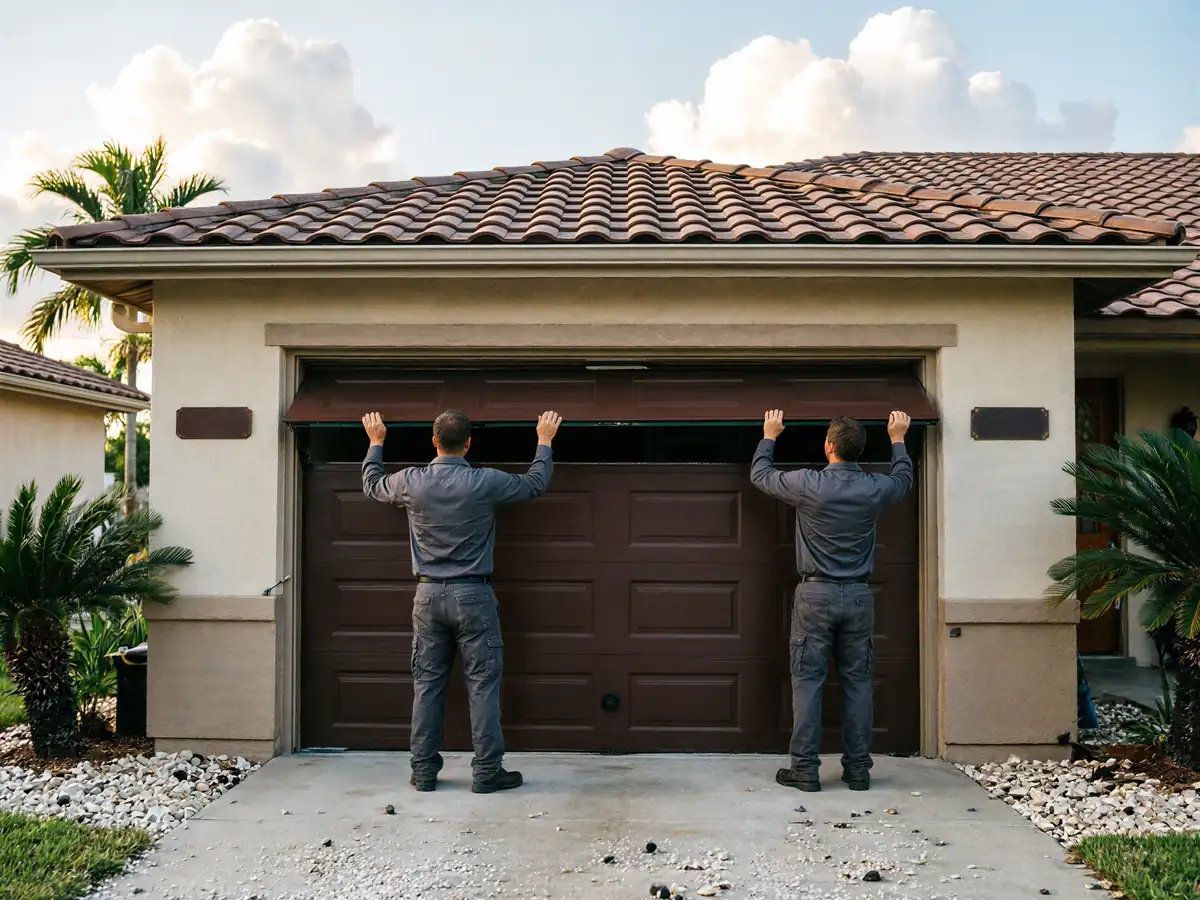
Coral Springs sits among a cluster of close-in cities - Margate three miles out, Parkland four, Tamarac and North Lauderdale and Coconut Creek all within five - and that whole pocket shares the same building era and the same mild climate. It's not a coincidence that so many service calls in this stretch involve the same original, uninsulated doors hitting the same age-related problems at roughly the same time, since so much of it went up in that same 1960s-70s wave.
Across the broader service area there are 65,707 owner-occupied houses out of 232,020 households, and a meaningful share of those owner-occupied homes are sitting on doors original to construction. That's not a reason to panic about your door. It's a reason to get it looked at before a spring lets go or a panel finally gives out, rather than after.
If your house was built anywhere near that median 1977 date and the door has never been replaced, it's worth an honest look at what you actually have before deciding whether this is a repair, an insulation retrofit, or a full swap.