The Symptom
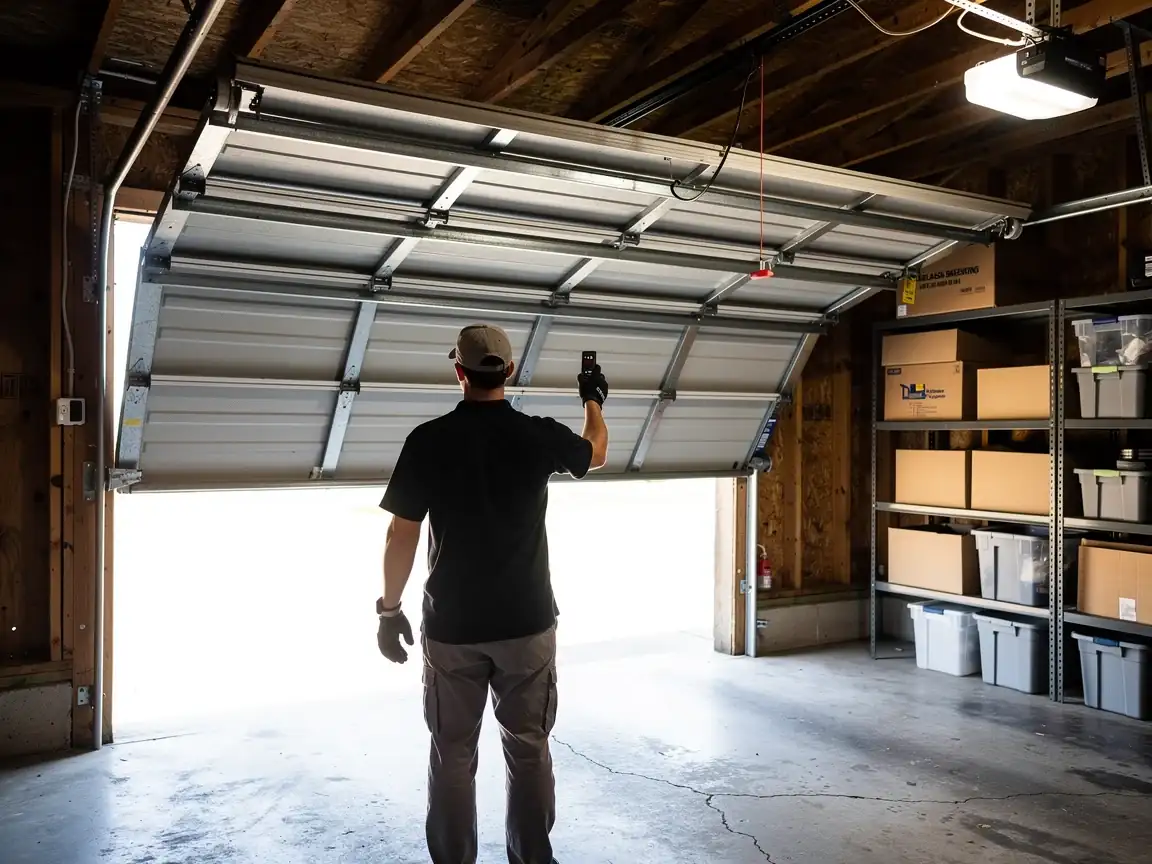
The door starts slow. It used to shut in about six seconds and now it takes nine, with a pause halfway down like the opener is thinking it over. Or the rollers chatter going up, loud enough that you notice it from the kitchen. Nothing has broken yet, which is exactly the problem - by the time something breaks, you're not doing maintenance anymore, you're doing a repair call on a weekend.
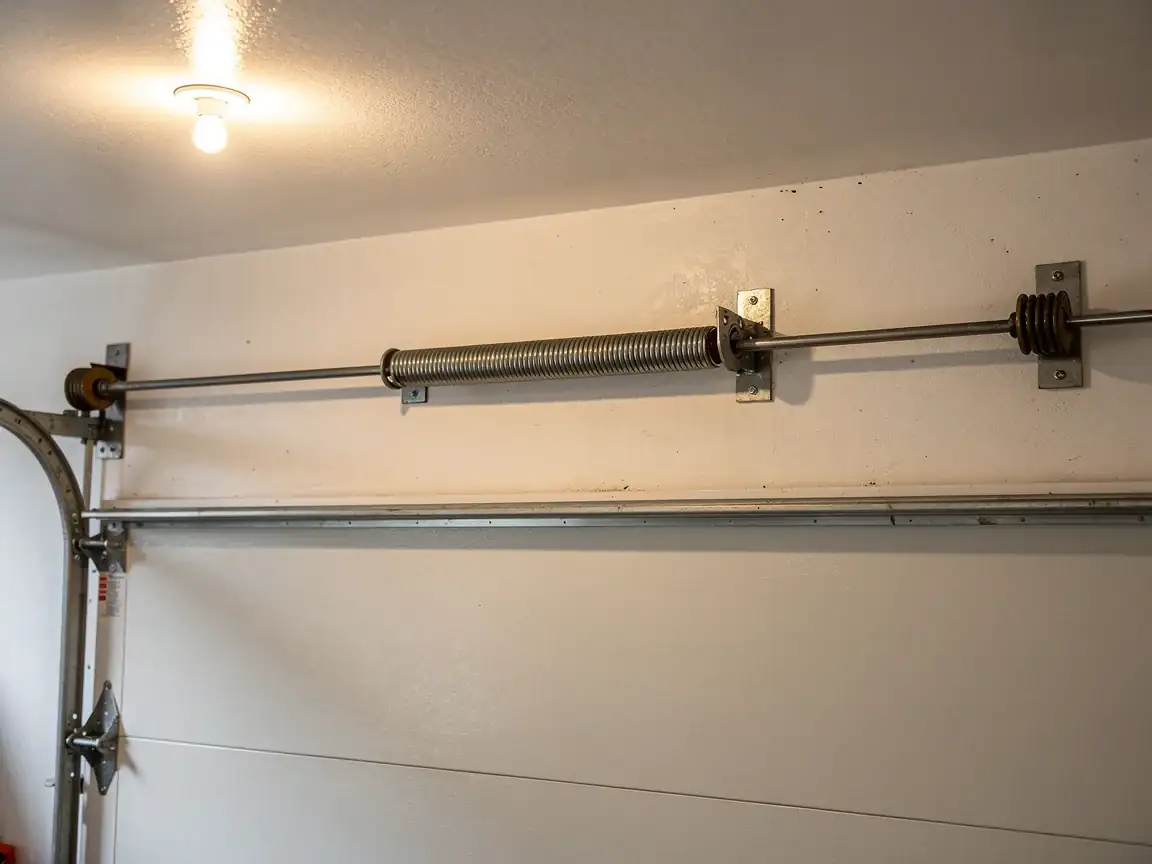
Most of the houses we service across this part of the county were built between 1968 and 2005, with the bulk of the stock dating to the 1960s and 70s. Hardware from that era was built to a standard, not to this climate. A mild, humid temperate climate means the lubricant on rollers and hinges gets washed thin by moisture in the air faster than it would somewhere dry, and the galvanized coating on springs and cable starts to show its age sooner than the spec sheet suggests. The slow-close symptom, the roller chatter, the opener that strains on the last foot of travel - these are what thirty, forty, fifty years of that cycle look like before the spring finally lets go.
How to Book
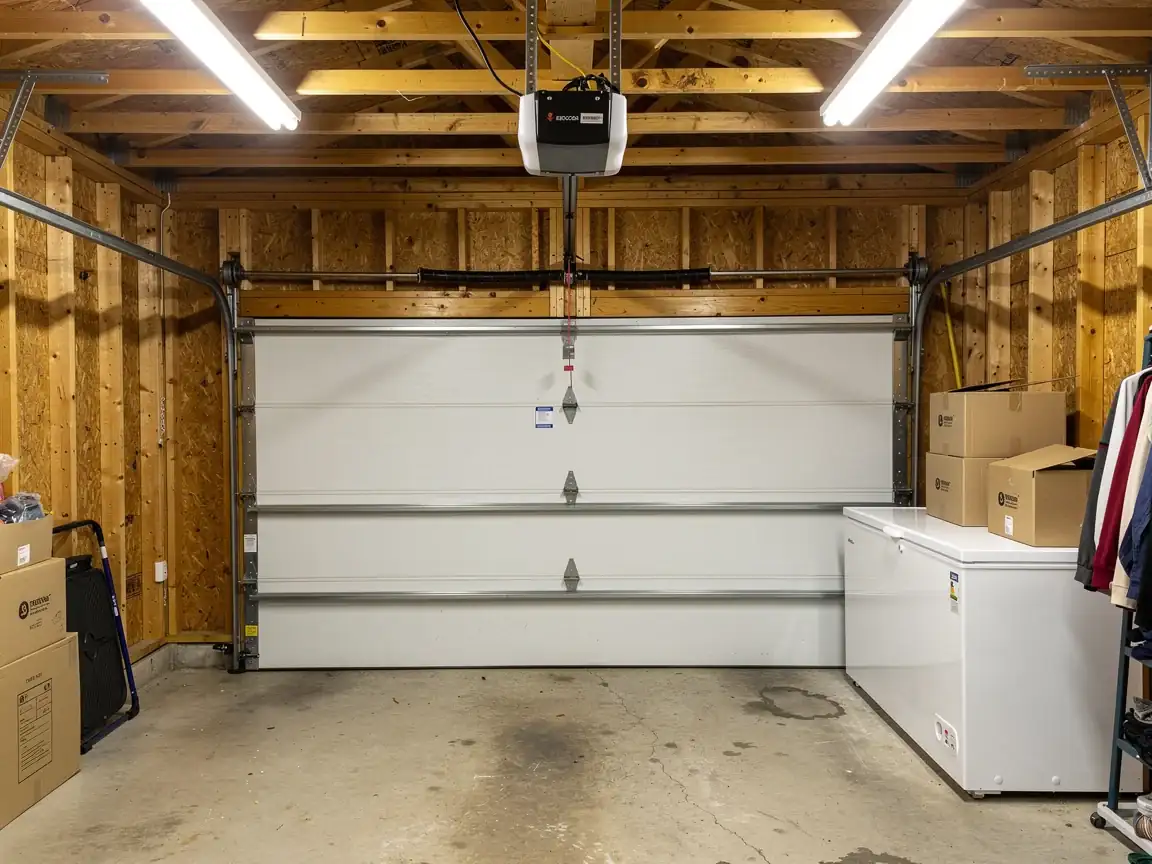
You call, we ask what the door is doing and how old the opener and springs are if you know, and we get a tech out to look at the whole system - not just whatever part is making noise today. A maintenance visit covers the springs, cables, rollers, hinges, track alignment, and opener force settings, because a door that's off by a quarter inch on the track will wear the rollers twice as fast no matter how well lubricated they are.
We don't push a full tune-up on a door that's six months old and running fine - if there's nothing to adjust or lubricate yet, we'll tell you that and you've saved yourself the call. That's the honest version of this: maintenance only earns its keep on a door that's actually logging wear, and a lot of newer openers and torsion setups genuinely don't need attention every year.
Start from the homepage to reach us.
Why This Fails Locally
This service area runs about 232,020 households
With roughly 65,707 of them in owner-occupied houses, and the housing stock leans heavily toward that 1960s-70s build era across the 17 communities we cover. That matters for maintenance because older torsion and extension spring setups weren't engineered with corrosion-resistant coatings as standard, and decades in a mild but consistently humid climate band takes a slow, steady toll on anything metal that isn't sealed or regularly serviced.
- 232,020 households
- 17 communities
A median household income of $68,424 across the area also shapes what we see
A lot of owners reasonably stretch the life of a working door rather than replace it early, which makes scheduled maintenance the cheaper long-term bet compared to letting corrosion and wear run until a cable snaps or a spring fails under load. The fix here isn't exotic - it's catching the wear pattern early, on hardware that's often been in place since before anyone in the house owned the home.
- $68,424 median household income
What the Fix Involves
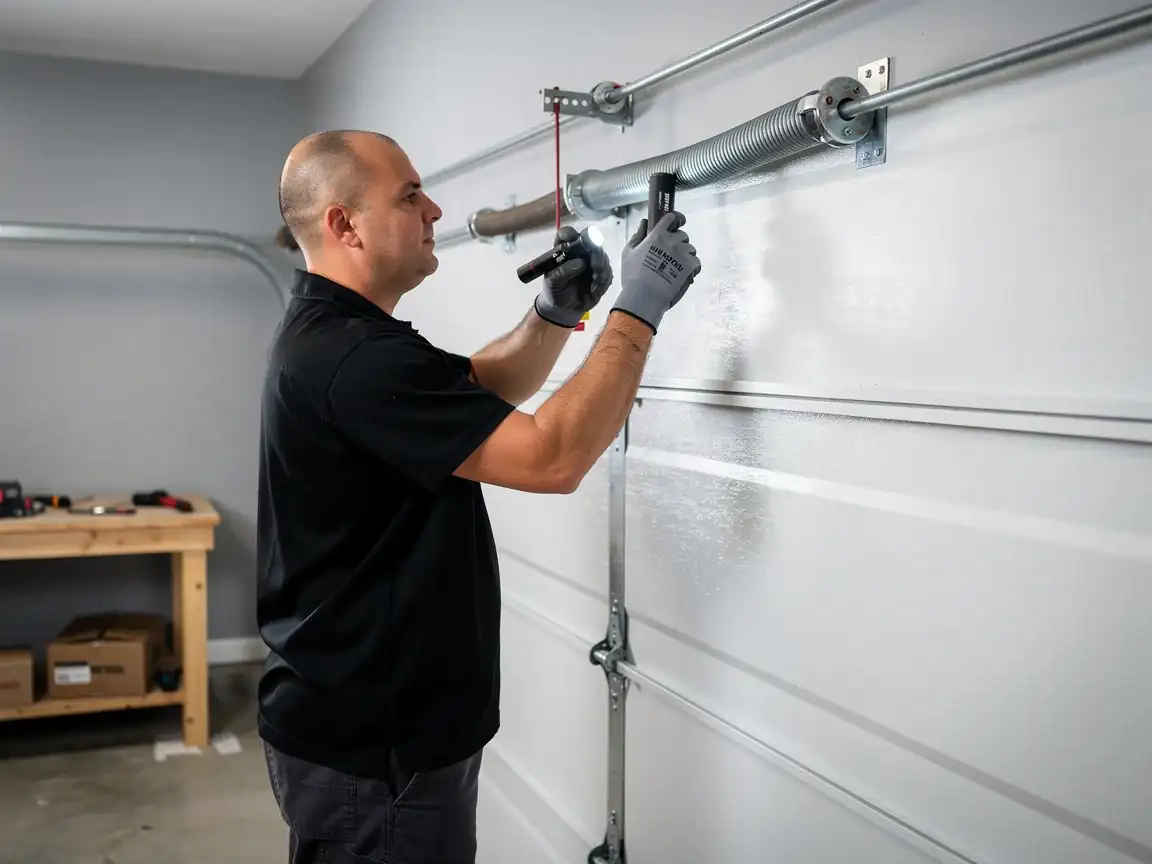
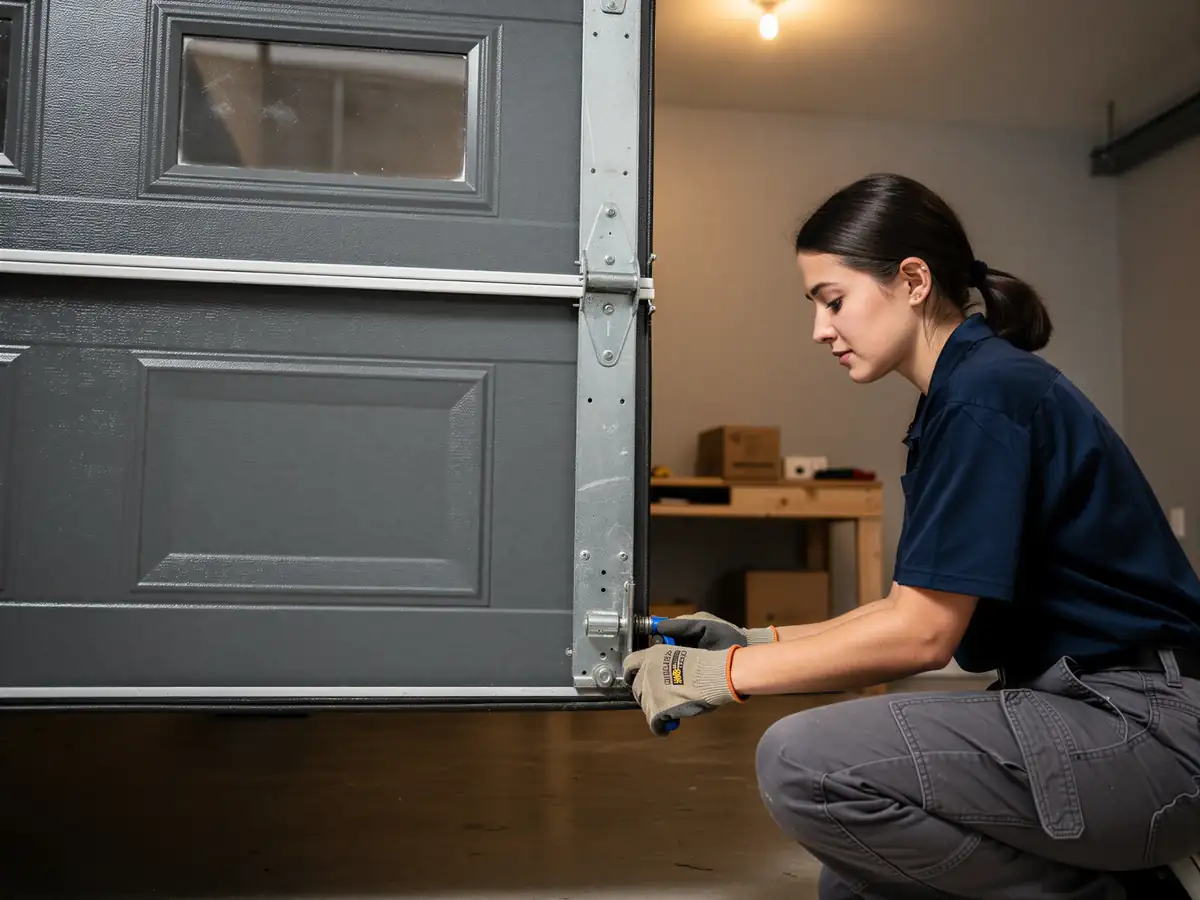
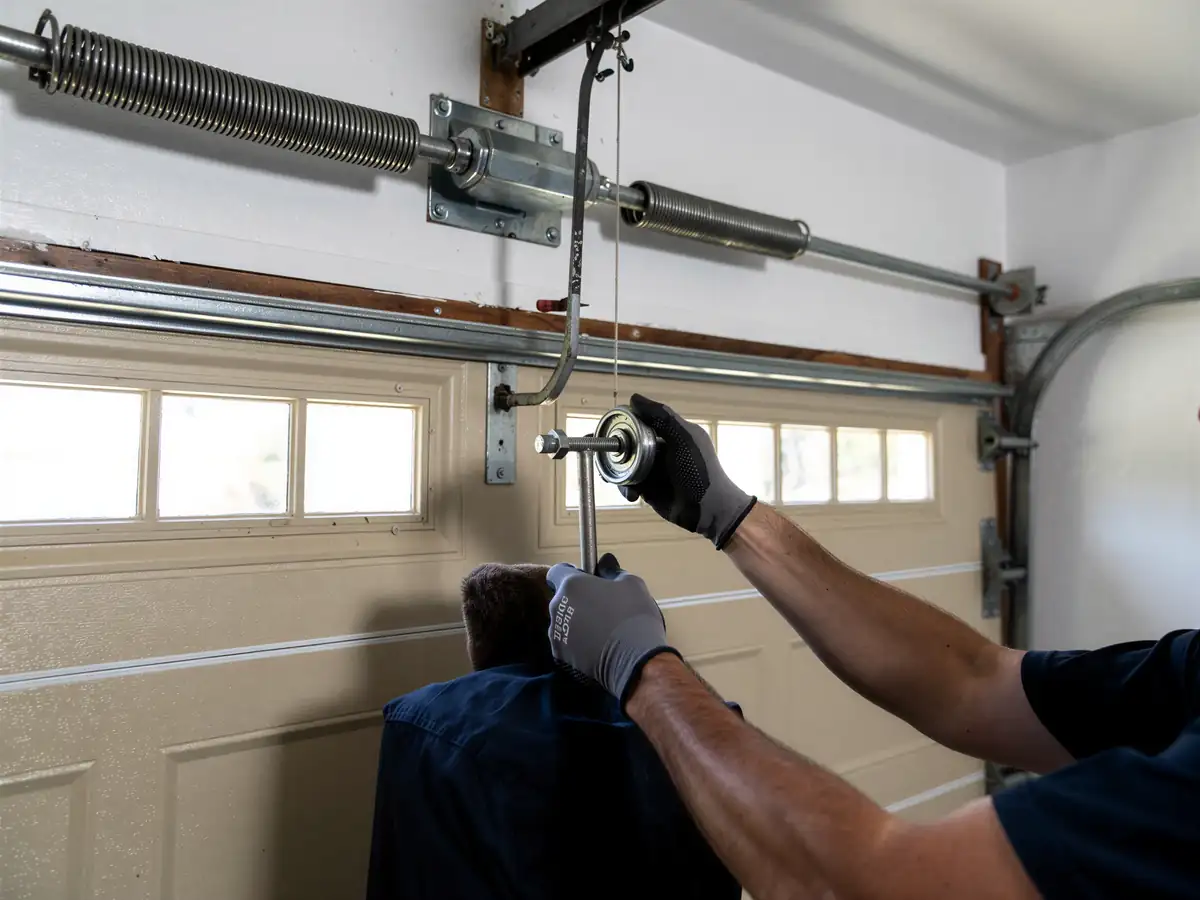
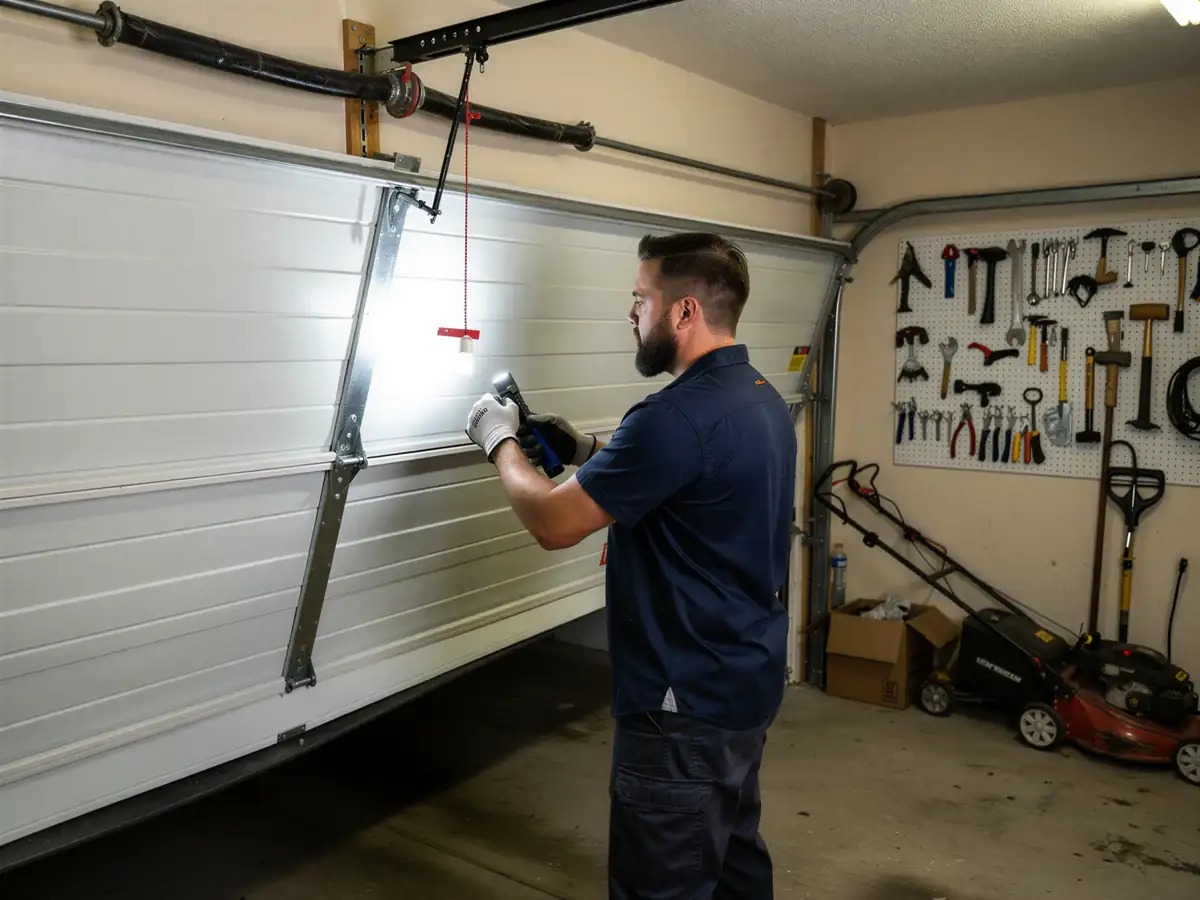
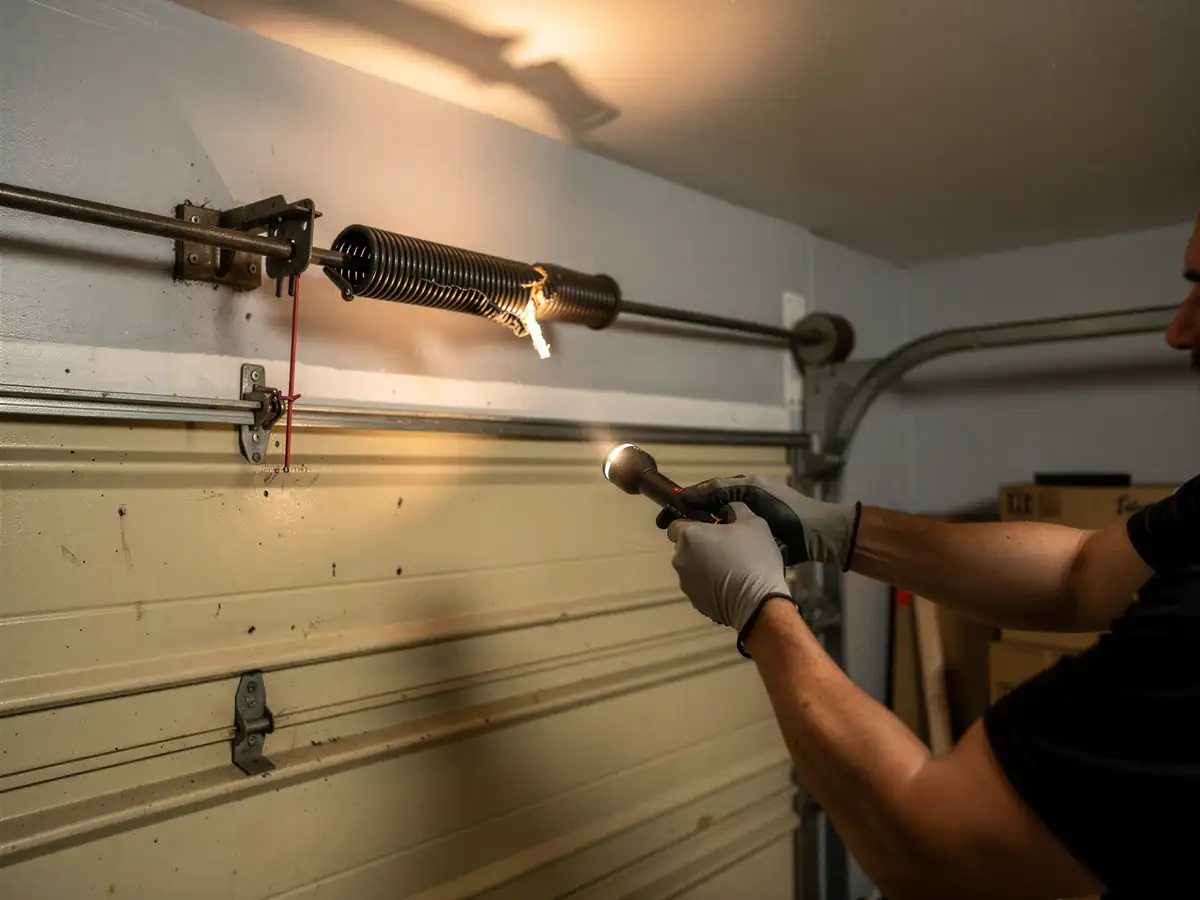
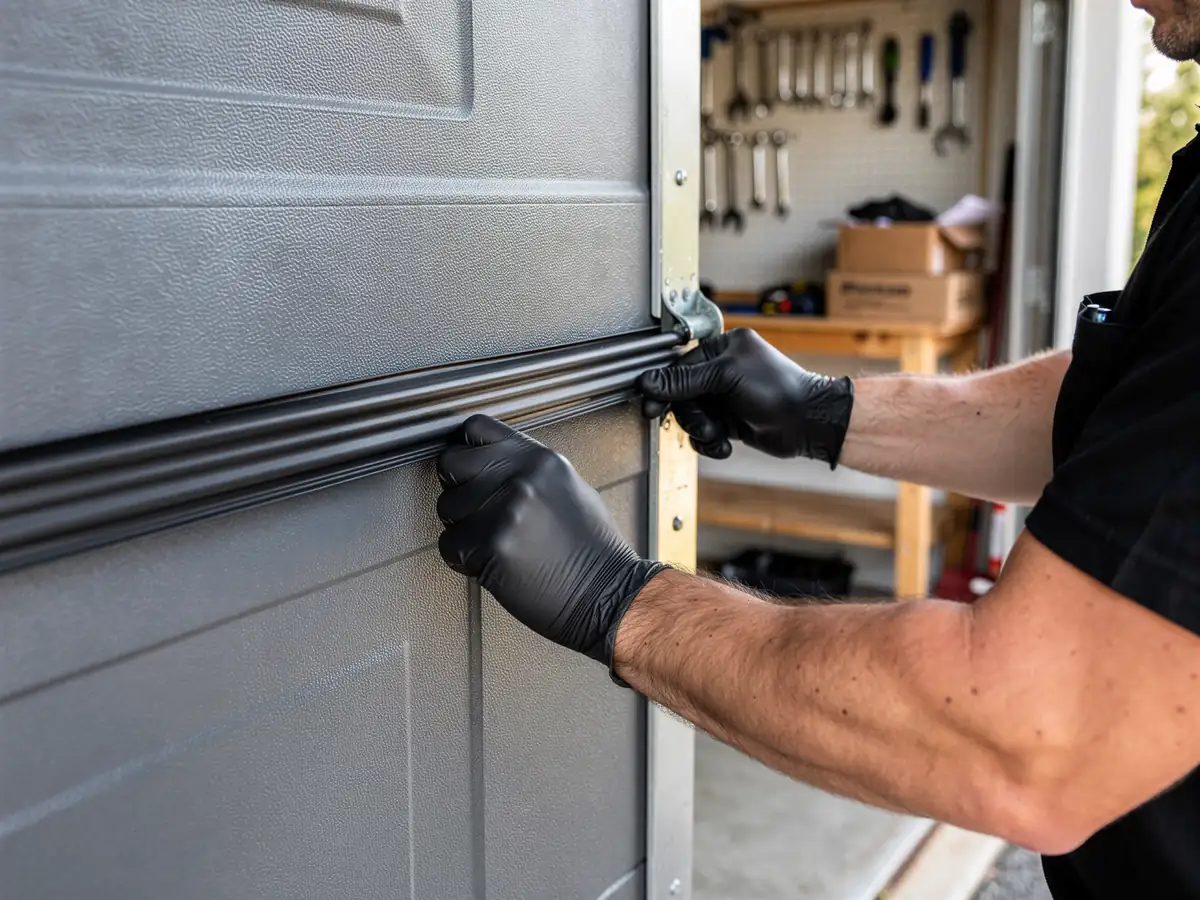
A real maintenance visit starts with running the door through a full cycle while the tech watches the track, the drums, and the cable for anything uneven. Springs get checked for gap and tension, not just a glance - a spring that looks fine sitting still can be a season away from failing under load. Rollers get cleaned and lubricated or swapped if they're cracked or flat-sided, hinges get the same treatment, and track brackets get checked for loosening, which is common once a door's been cycling for a couple of decades.
The opener gets its force and limit settings checked too, since a door that's gotten heavier to lift from roller or spring wear often gets compensated for by cranking up the opener's force - which just means it hits harder if something's in the way. We'll tell you straight if a part is close to the end of its life rather than quietly re-lubricating something that needs replacing. Parts on some older or less common openers can take a few days to source, which is the one real limitation worth knowing going in.