Why This Fails Locally
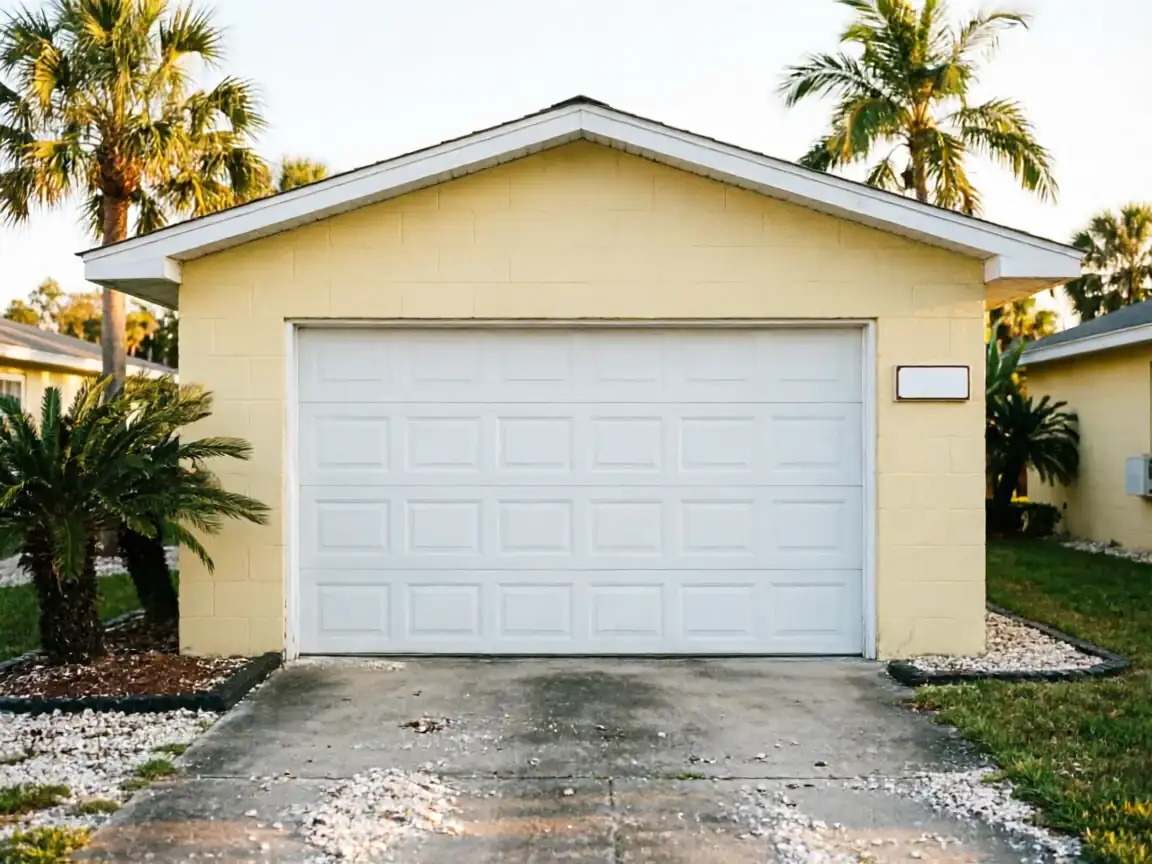
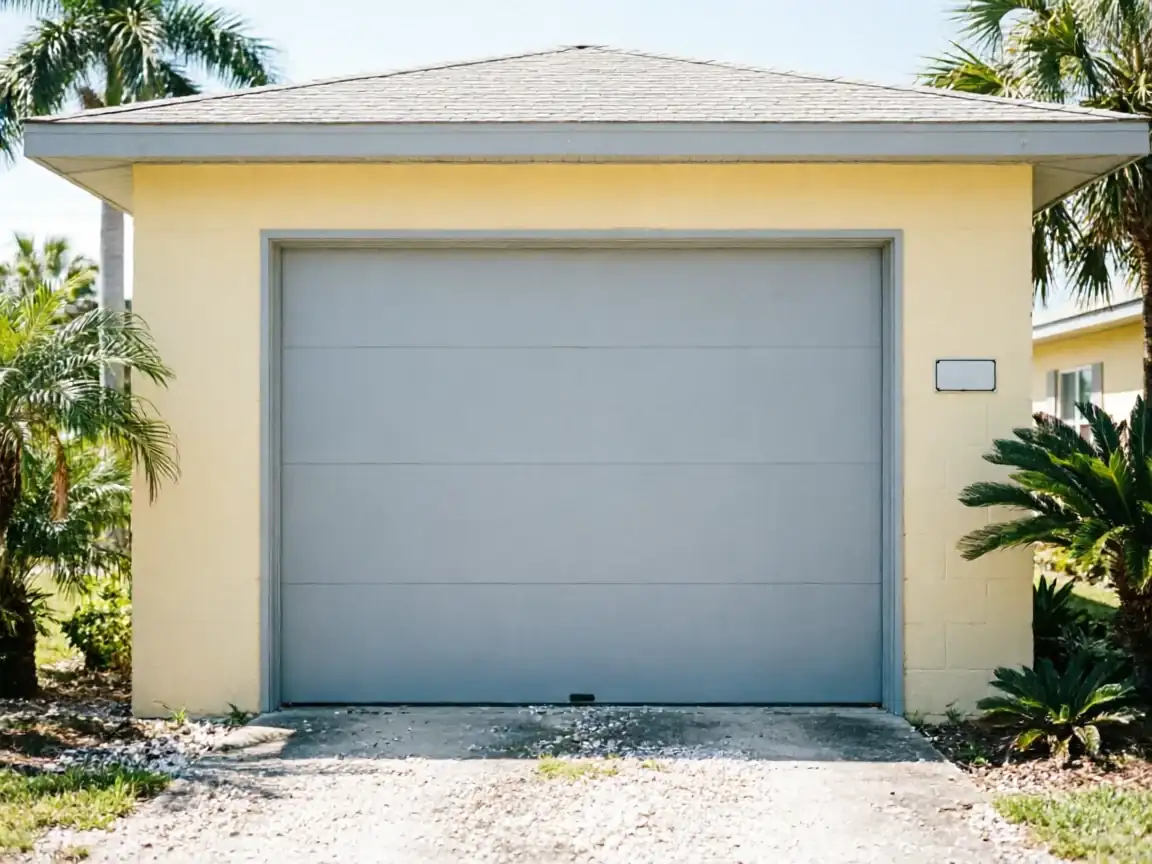
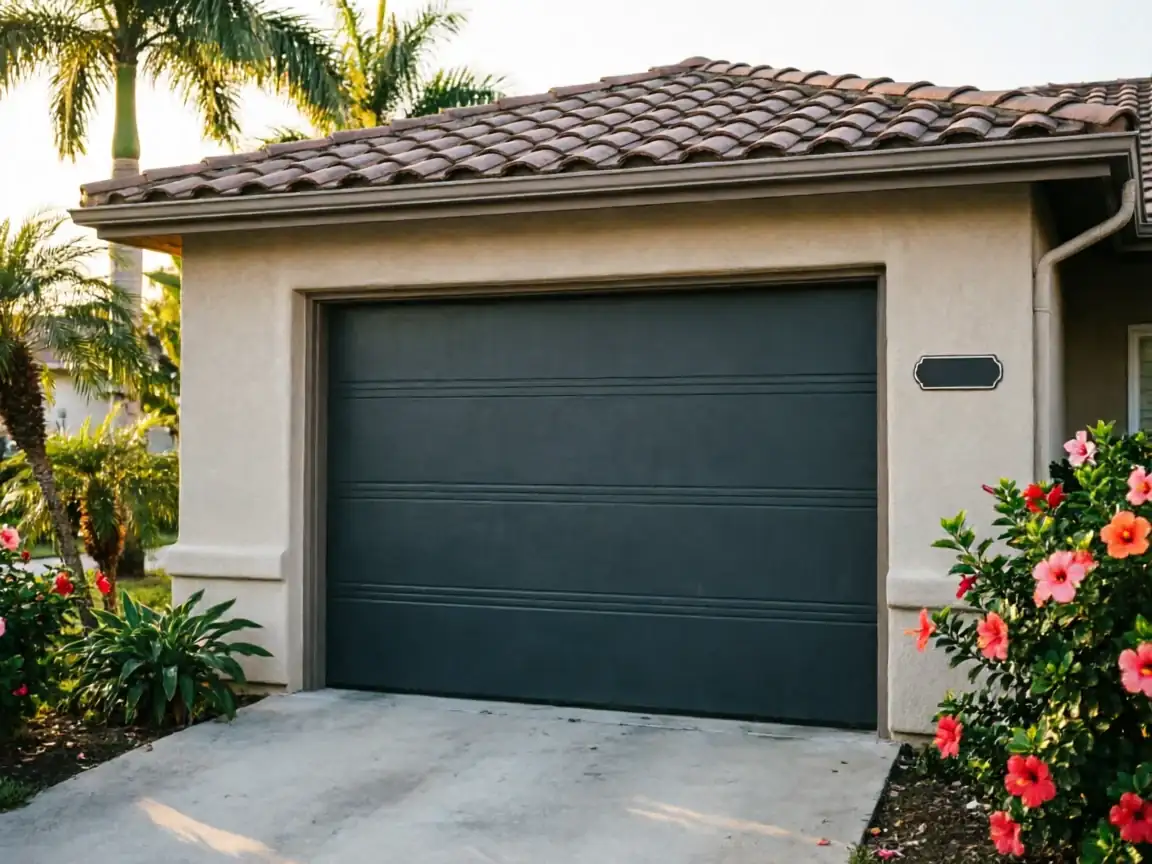
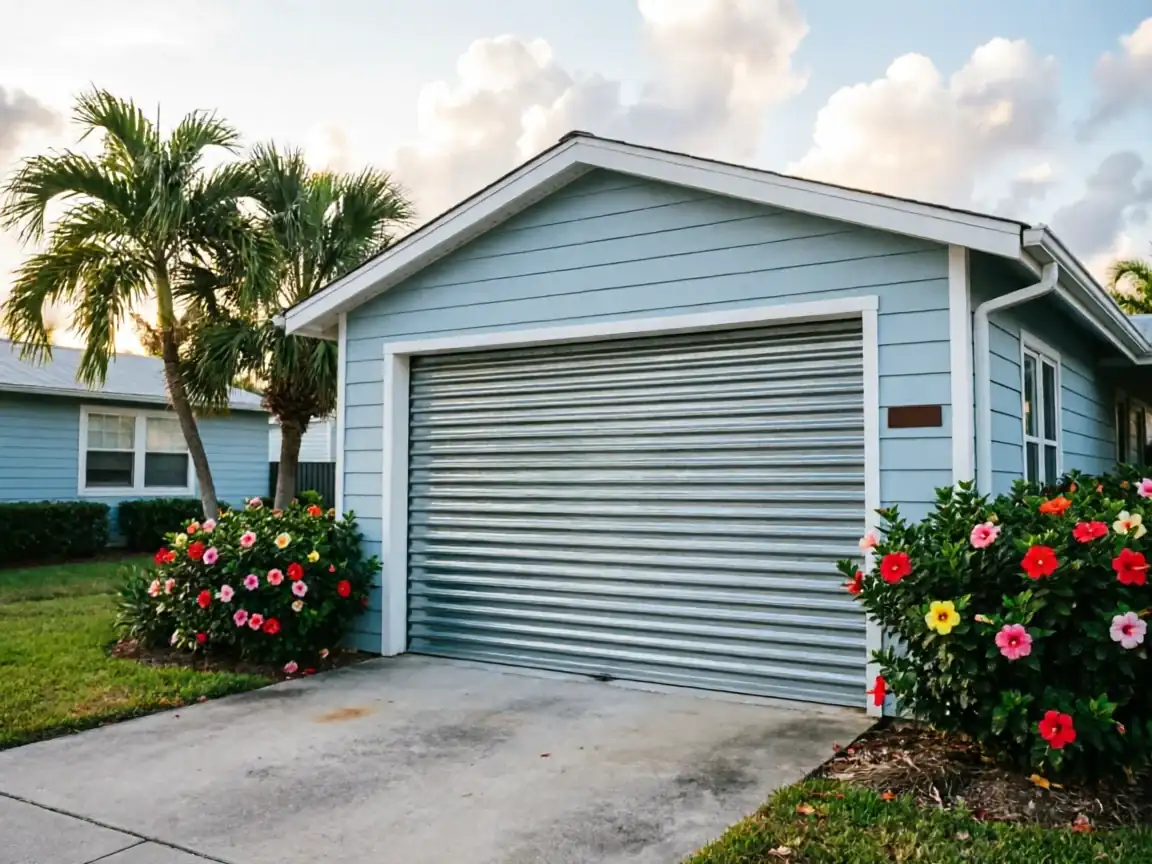
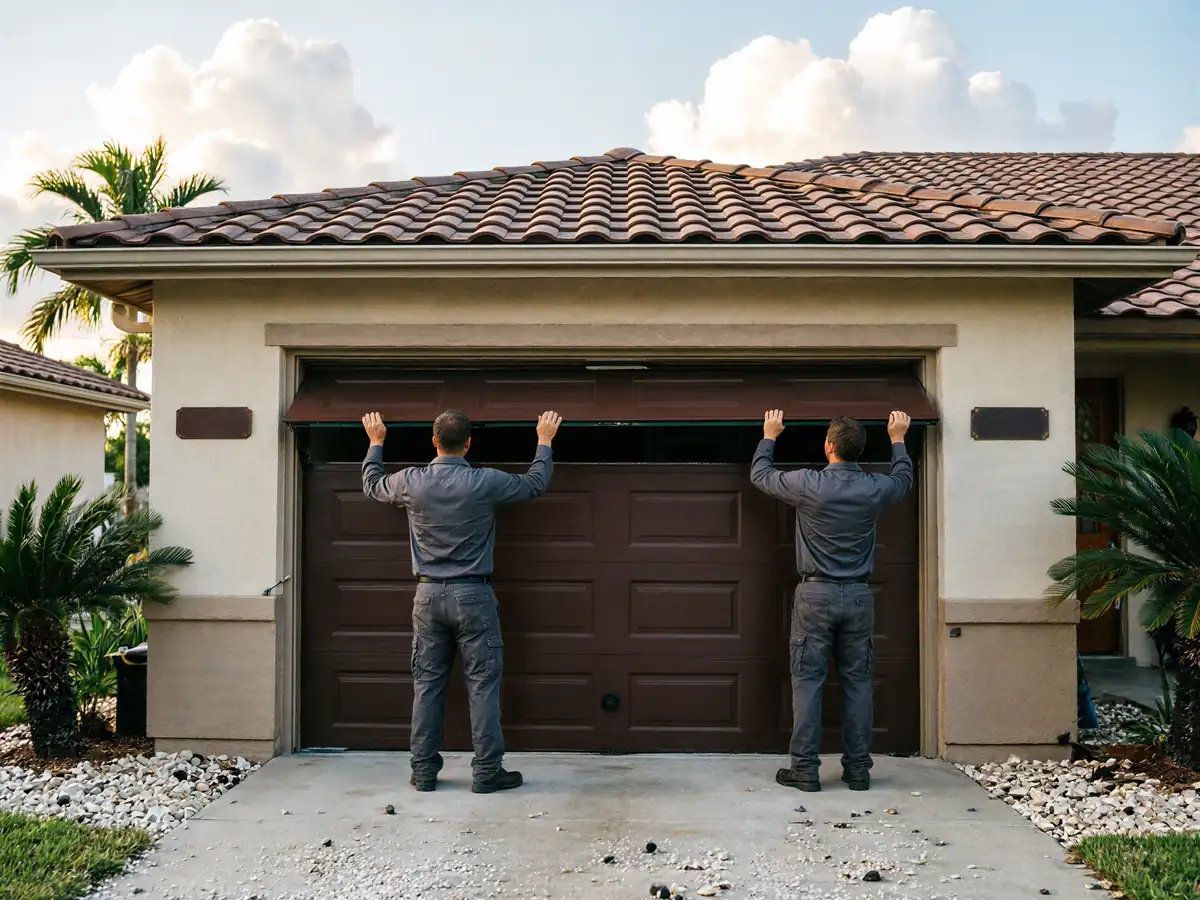
Margate's housing stock centers on 1978, a few years into the broader 1968-2005 wave of construction across this part of the county. What that means on the ground: a lot of these garages still have the door, track, and spring setup that went in with the house. Nobody's torsion spring lasts fifty years, and most of the openers on these original setups were swapped out once, maybe twice - but the door itself and the track hardware often never got touched. When we show up to measure for a new install, we're usually pulling a door that's original to a build from the late 1970s, with an opening sized to specs nobody uses anymore. The mild temperate climate here helps some - you're not dealing with freeze-cracked panels or ice-jammed tracks the way colder regions do. But decades of humidity and daily cycling still take their toll on steel that's past its rated life. The failure mode we see most in Margate isn't storm damage. It's quiet wear: a panel that's rusted through at the bottom, a track bent from years of minor misalignment nobody noticed, or an opening that's just outdated for anything sold today.
What Is on the Truck
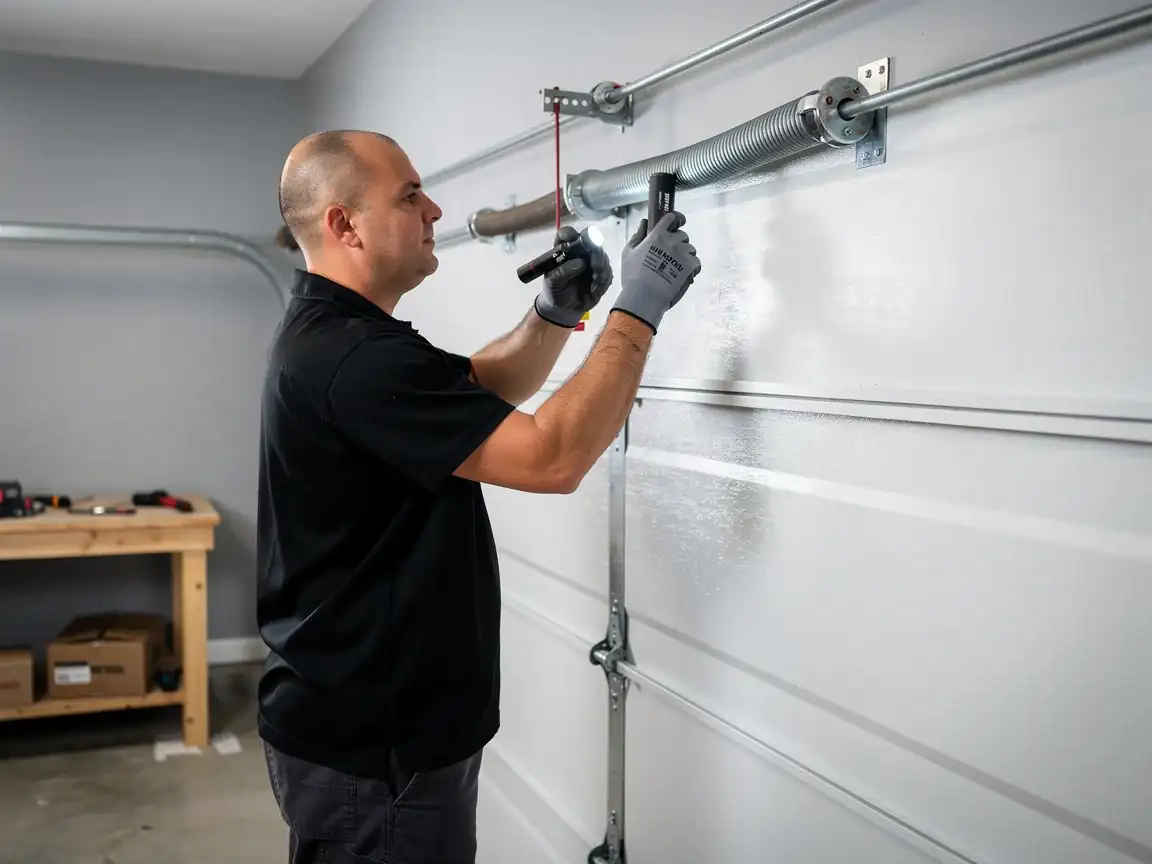
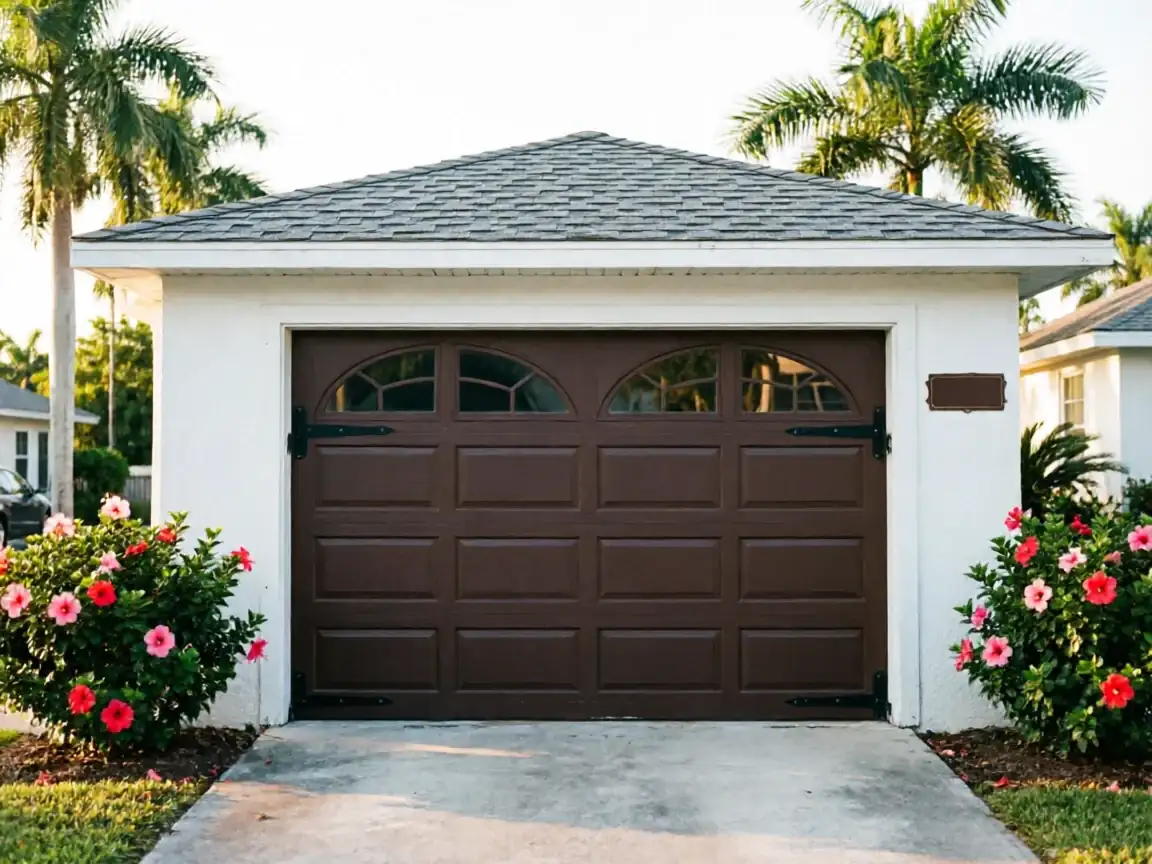
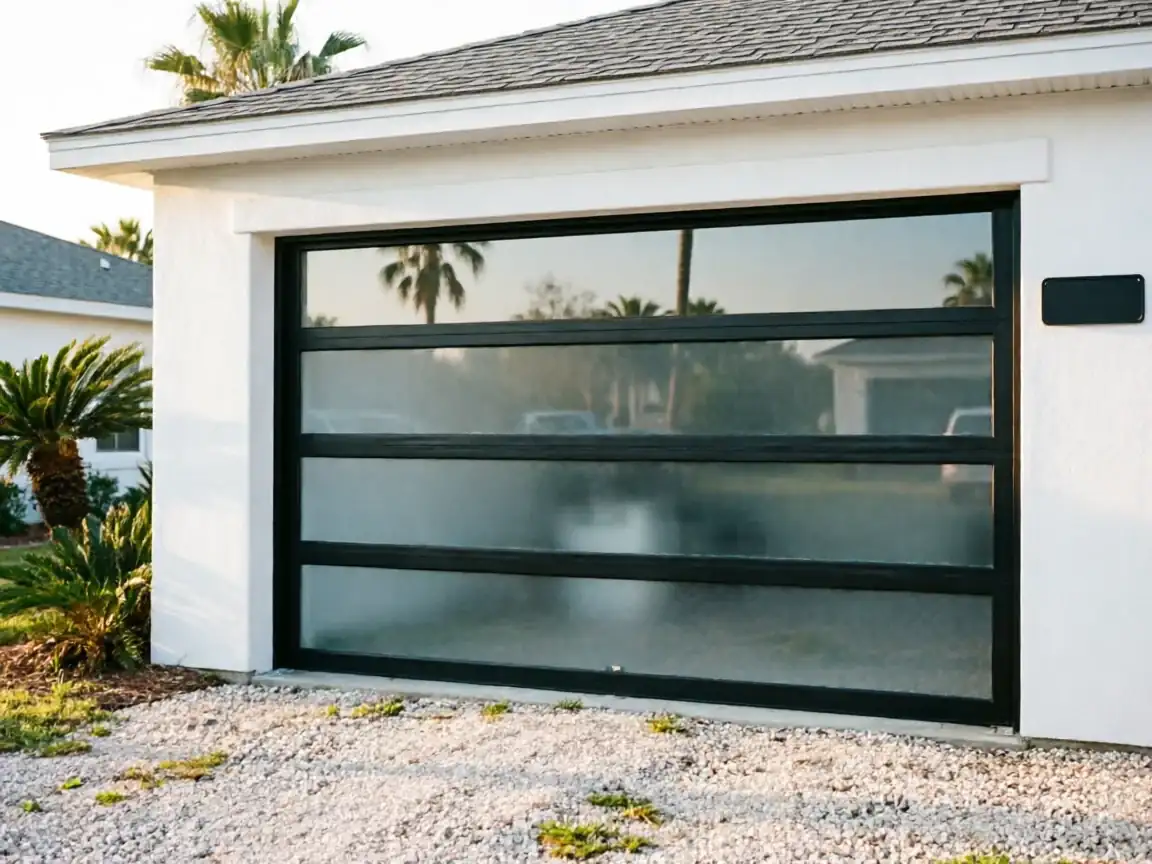
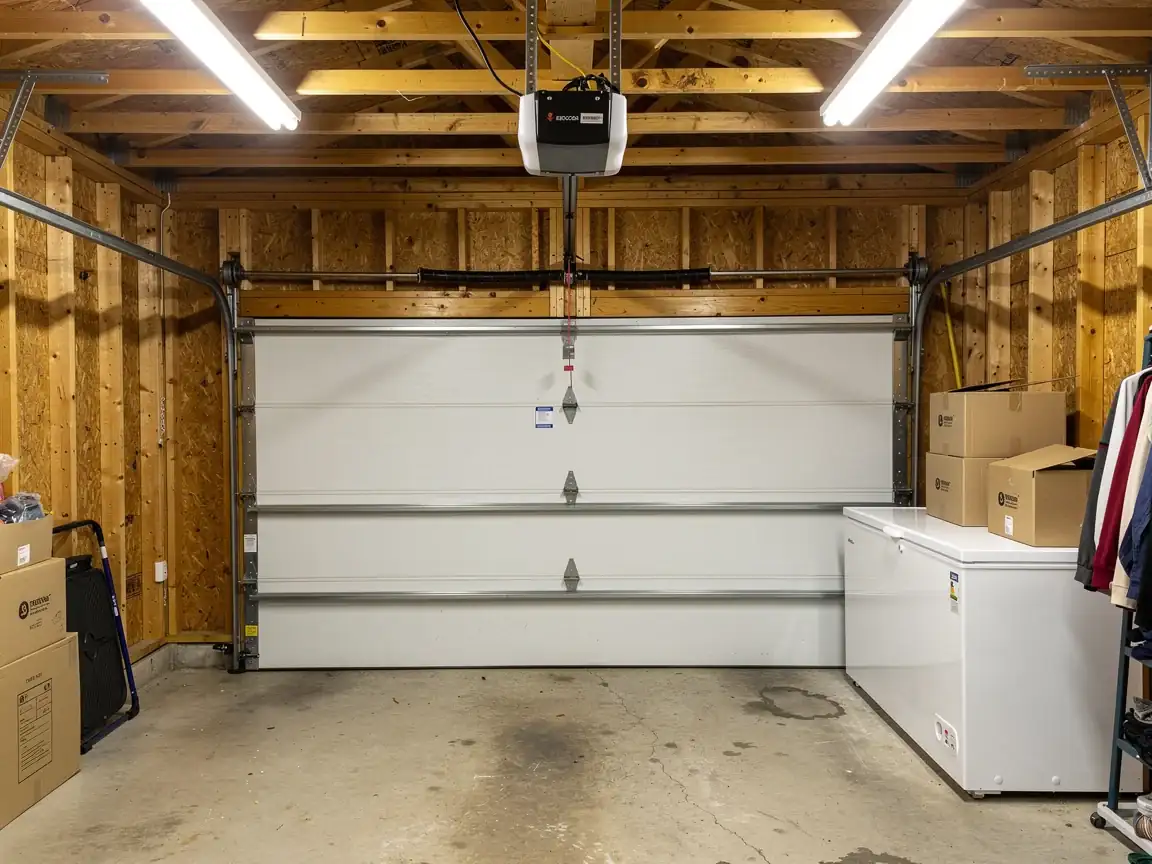
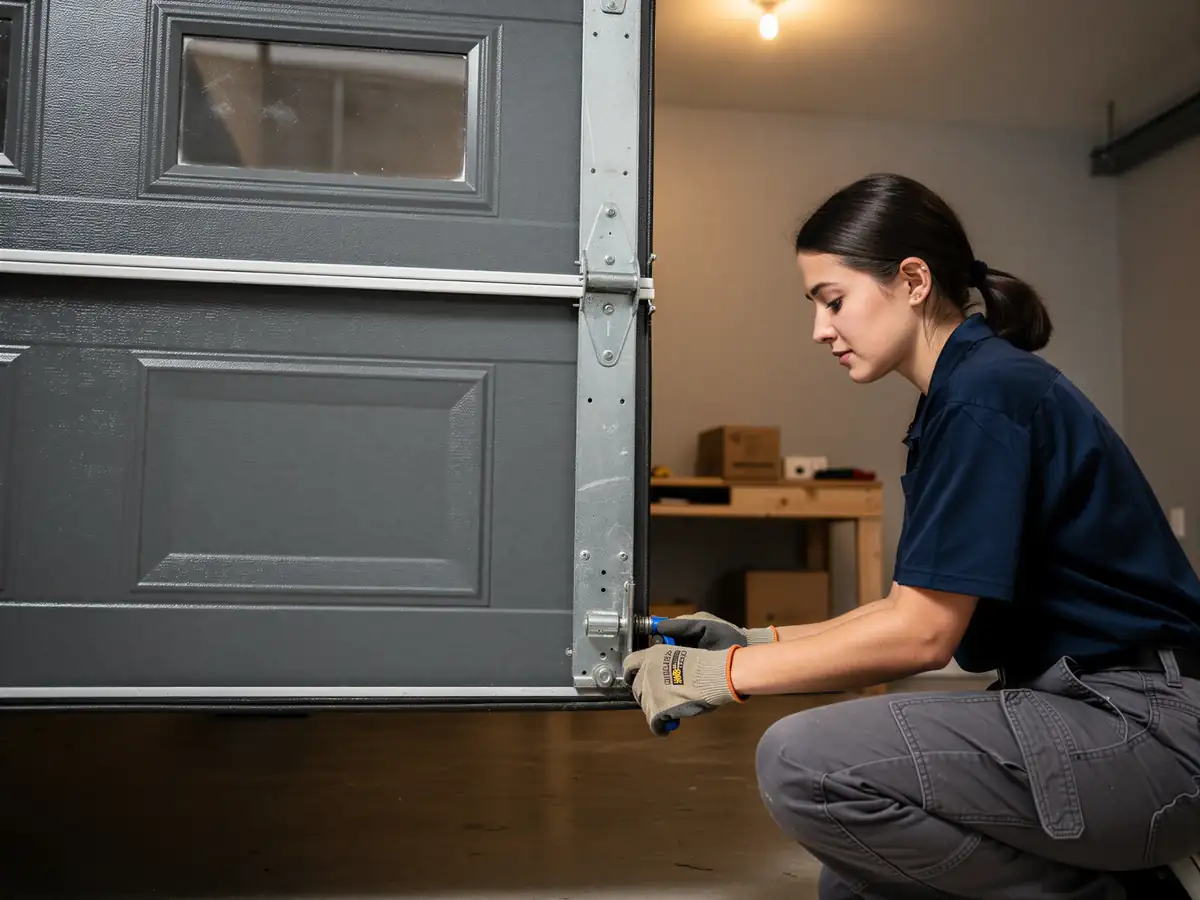
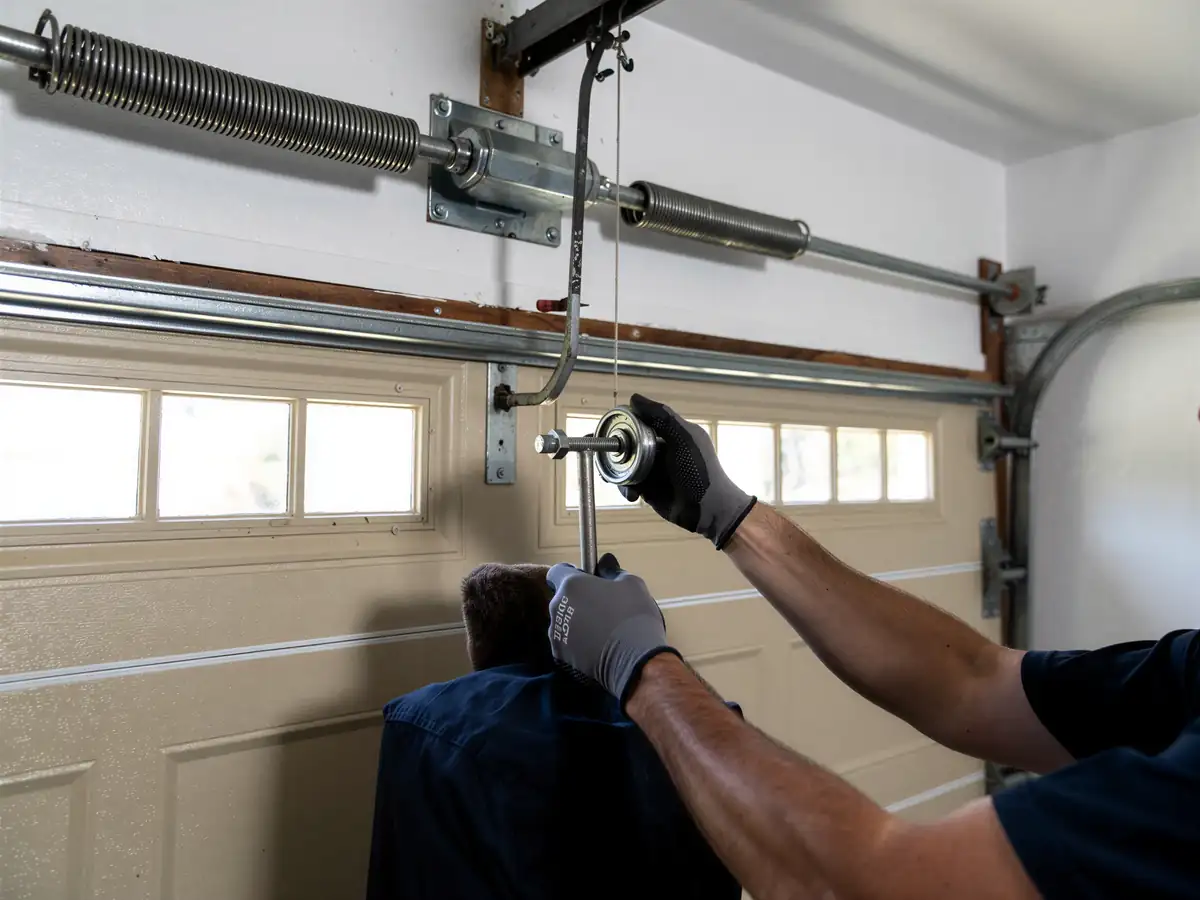
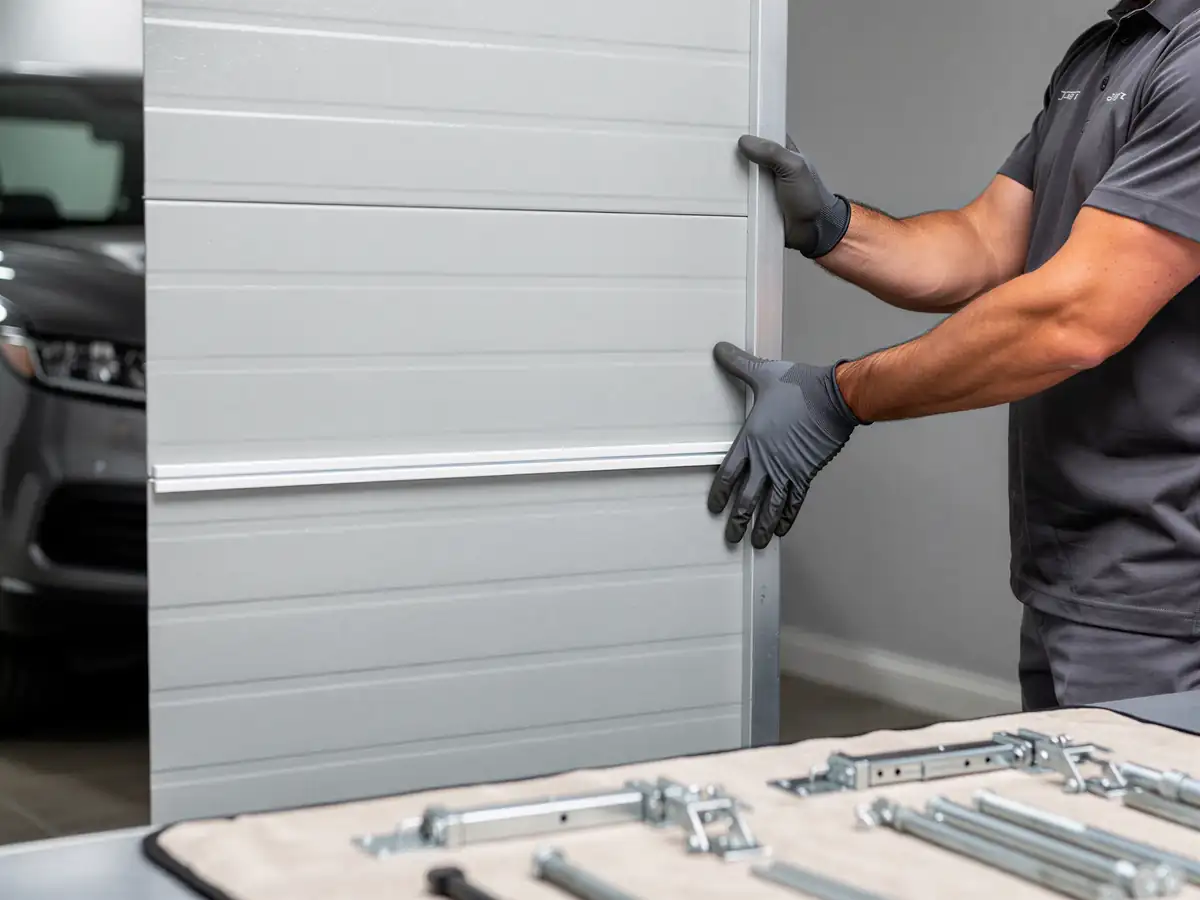
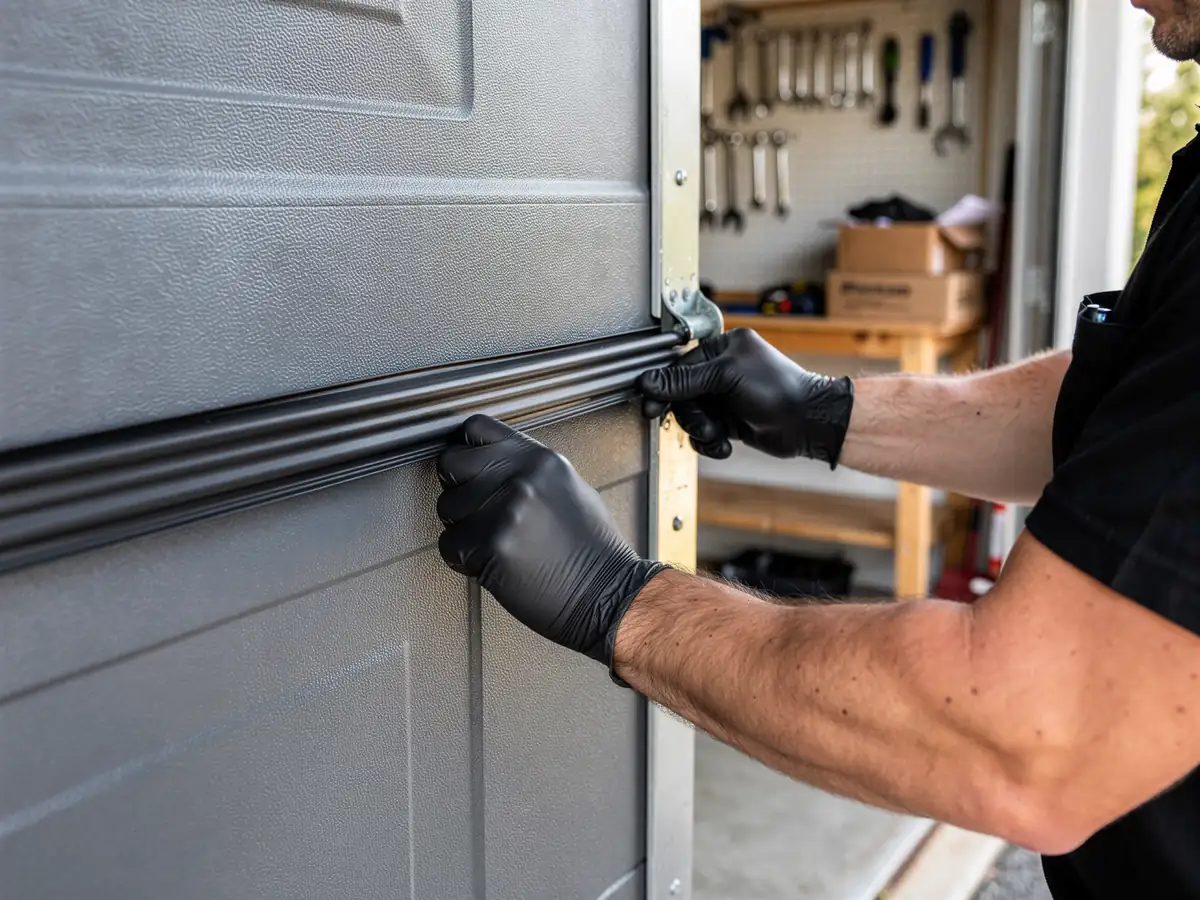
For a new install we bring doors and track hardware sized for a range of openings, because 1970s-era garages in this area don't always match current standard dimensions - some run narrower or shorter than what gets built today. We carry torsion springs rated for double and single doors, new rollers, lift cables, and the brackets needed to retrofit an opener onto a fresh door rather than reuse worn mounting points. We also carry insulated and non-insulated panel options, since the right call depends on whether the garage is conditioned space or just storage. One thing we won't do: force a new door onto track or jamb hardware that's degraded past the point of a solid fit. If the framing around the opening has shifted or rotted, that's a carpentry job first, and we'll say so rather than install a door that won't seat right.
The Cost of This Job
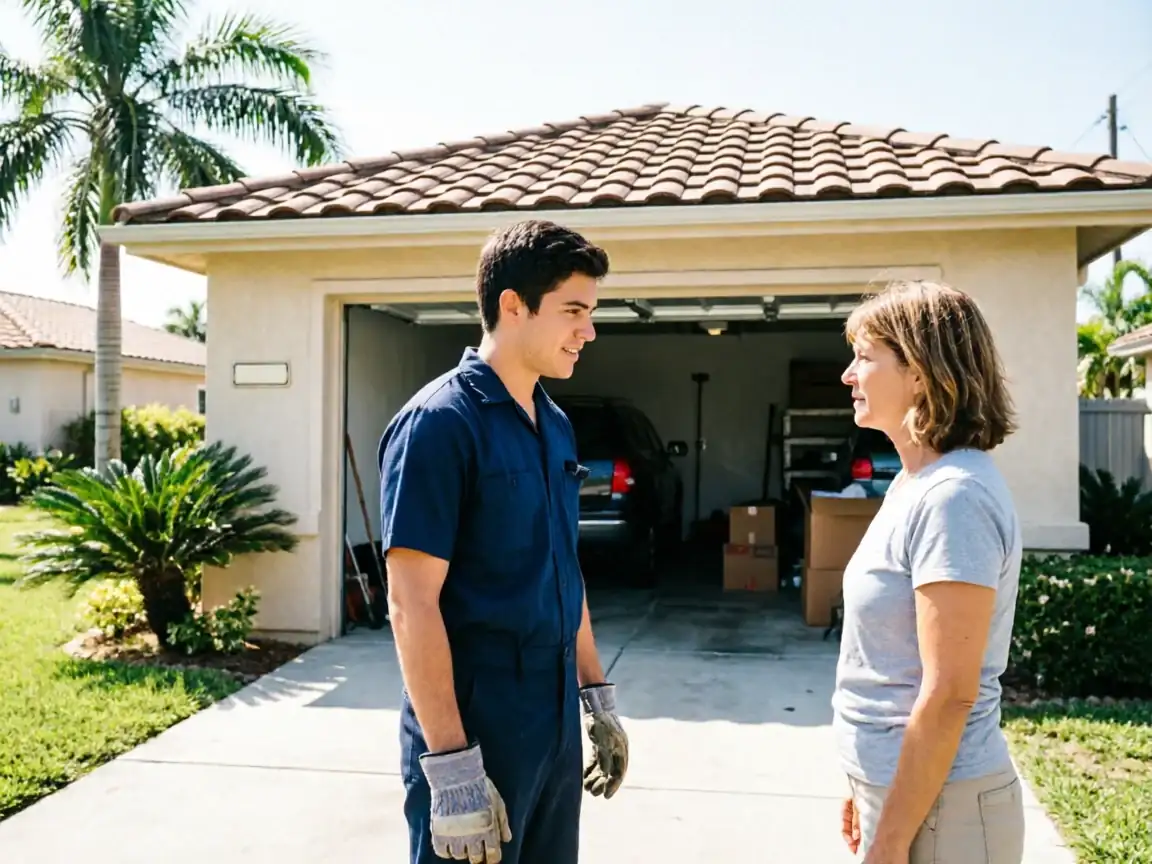
We're not going to post a flat number here, because the price on a new door swings a lot based on size, material, insulation, and whether the opener and track need replacing too - and we won't know that until we've measured your opening. What we can tell you is how we think about it locally: Margate's median household income runs lower than the $68,424 average across our broader service area, and that shapes which door lines we lead with. We're not steering every Margate job toward the premium end of the catalog. For a lot of these 1978-era openings, a solid steel door with new rollers and a matched spring does the job without the upgrades that pad the invoice. If your current door is still structurally sound and it's really the opener or spring that's failed, we'll tell you that too - replacement isn't always the right call just because the hardware is original.
The Symptom
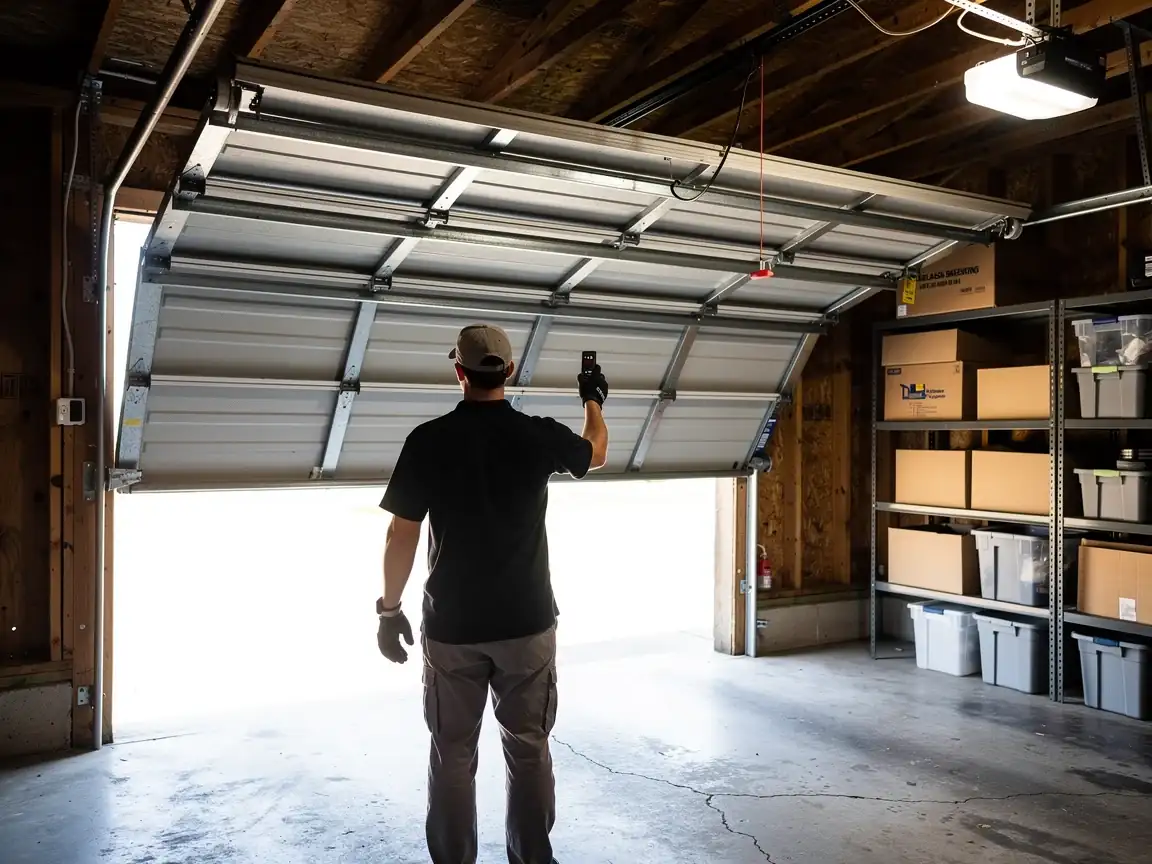
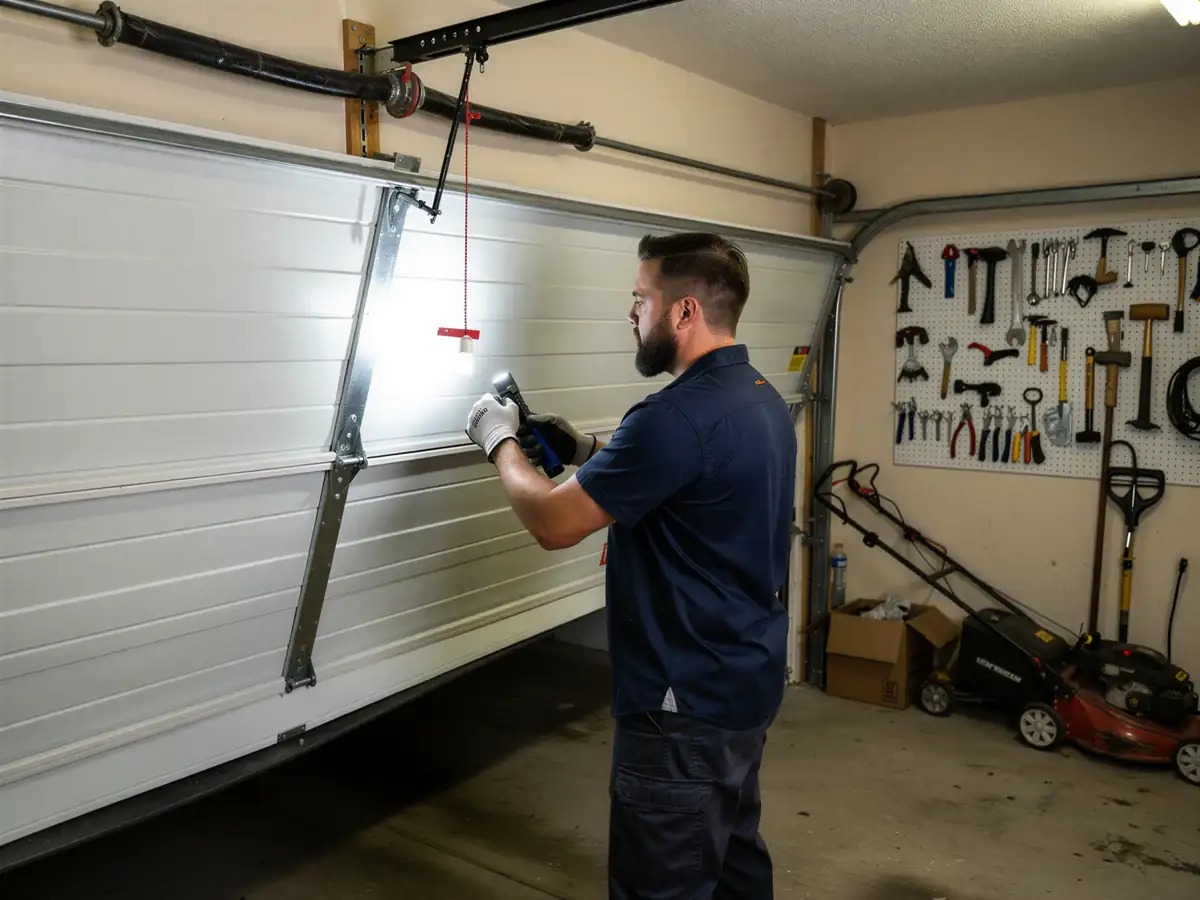
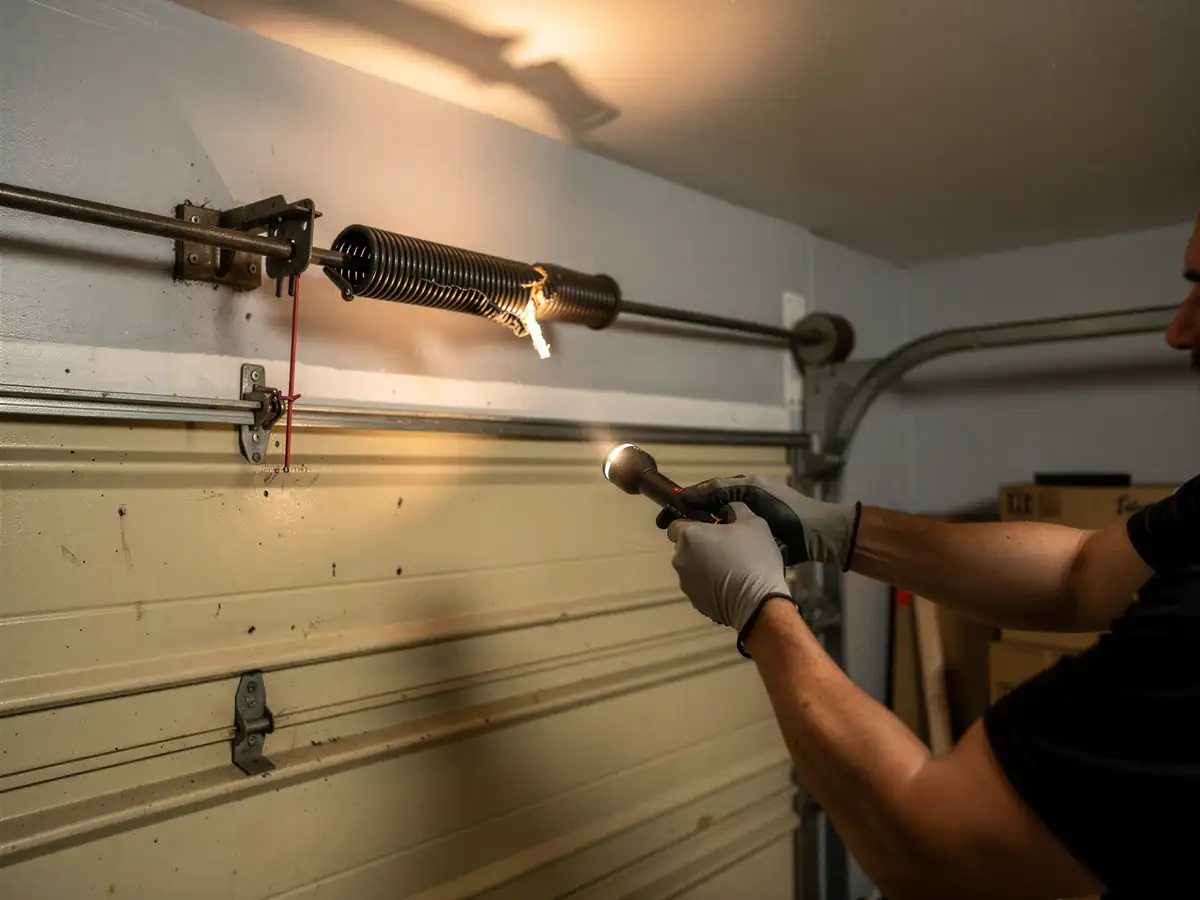
If your door is original to a 1978-ish build, here's what tends to show up first: a grinding or scraping sound as the door travels, visible rust at the bottom panel seam, a door that looks slightly crooked in the frame when closed, or an opener that strains and reverses partway through a cycle. None of these are dramatic failures - that's the point. Because the climate here stays mild rather than freeze-thaw, the failures we see on original Margate doors are almost always wear and rust, not frost-cracked panels or ice-jammed tracks. The spring usually goes first, since it's cycled the most, but by the time a spring snaps on a door this old, the track and rollers are often close behind. If you're hearing new noise or seeing the door hang unevenly, that's worth a look before something lets go mid-cycle.