What Can Go Wrong
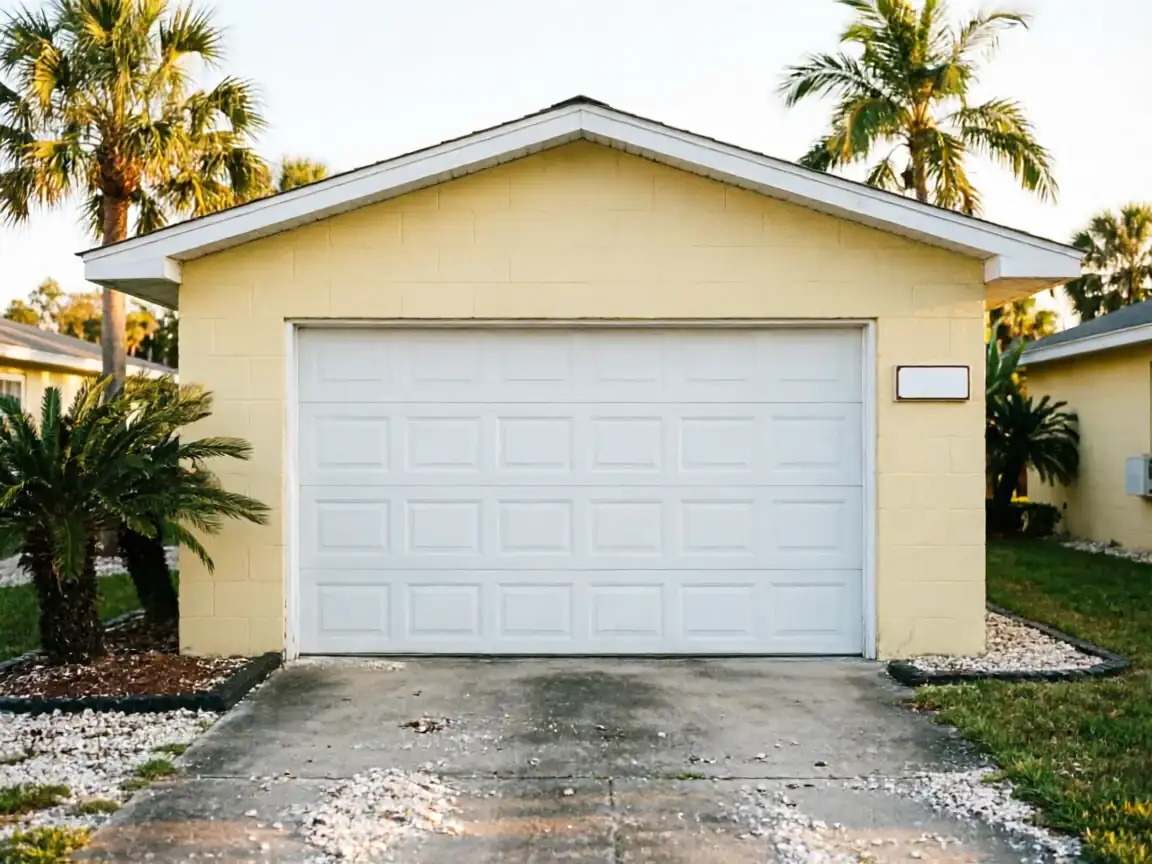
The fault we see most in Parkland isn't the one we see in the older tracts around Coral Springs. Houses here went up new mostly in the years leading up to 2005, decades after the 1968-1977 wave that shaped much of the rest of the service area, where F2 counts 17 named areas still running mostly 1960s and 70s stock. Newer doors mean newer hardware, which sounds like good news until the grease the factory packed into the rollers and hinge pins starts to dry out. That's the common Parkland call: a door that still looks right but grinds, hesitates, or drifts off its track because nothing has been lubricated since the builder handed over the keys.
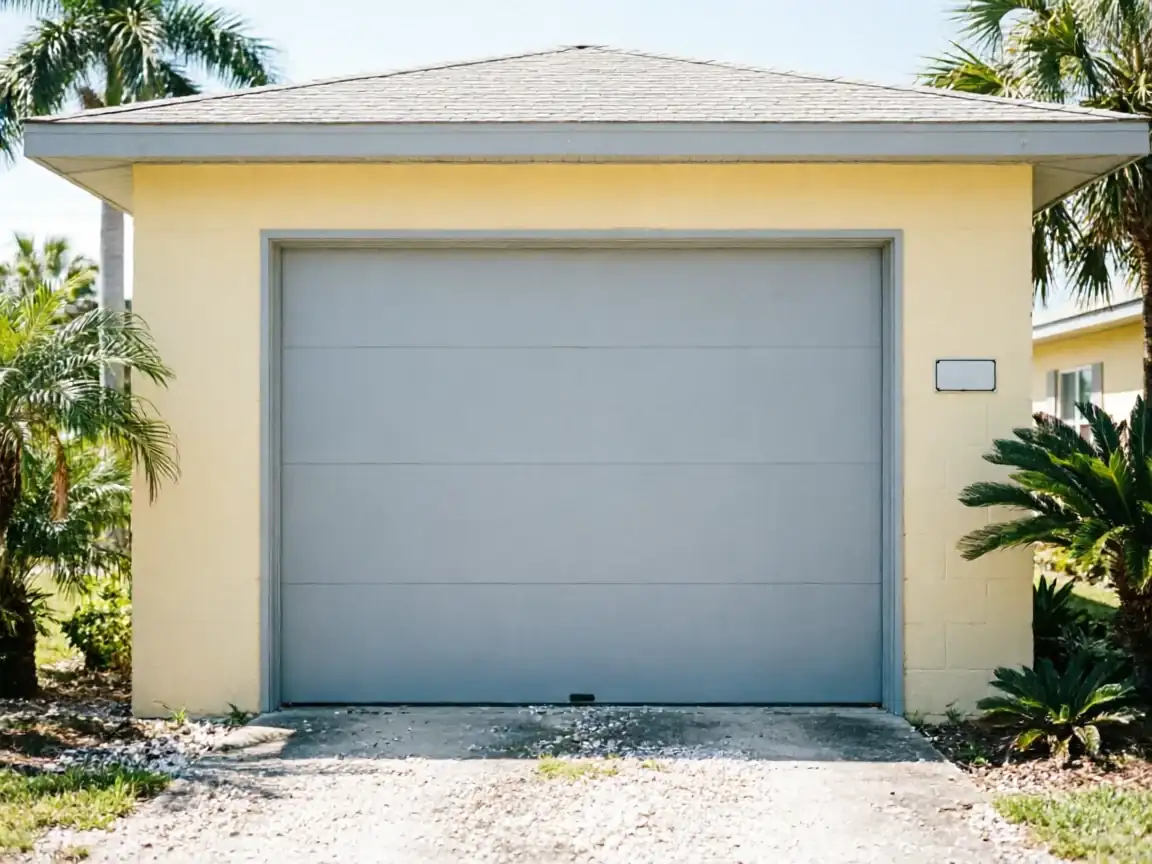
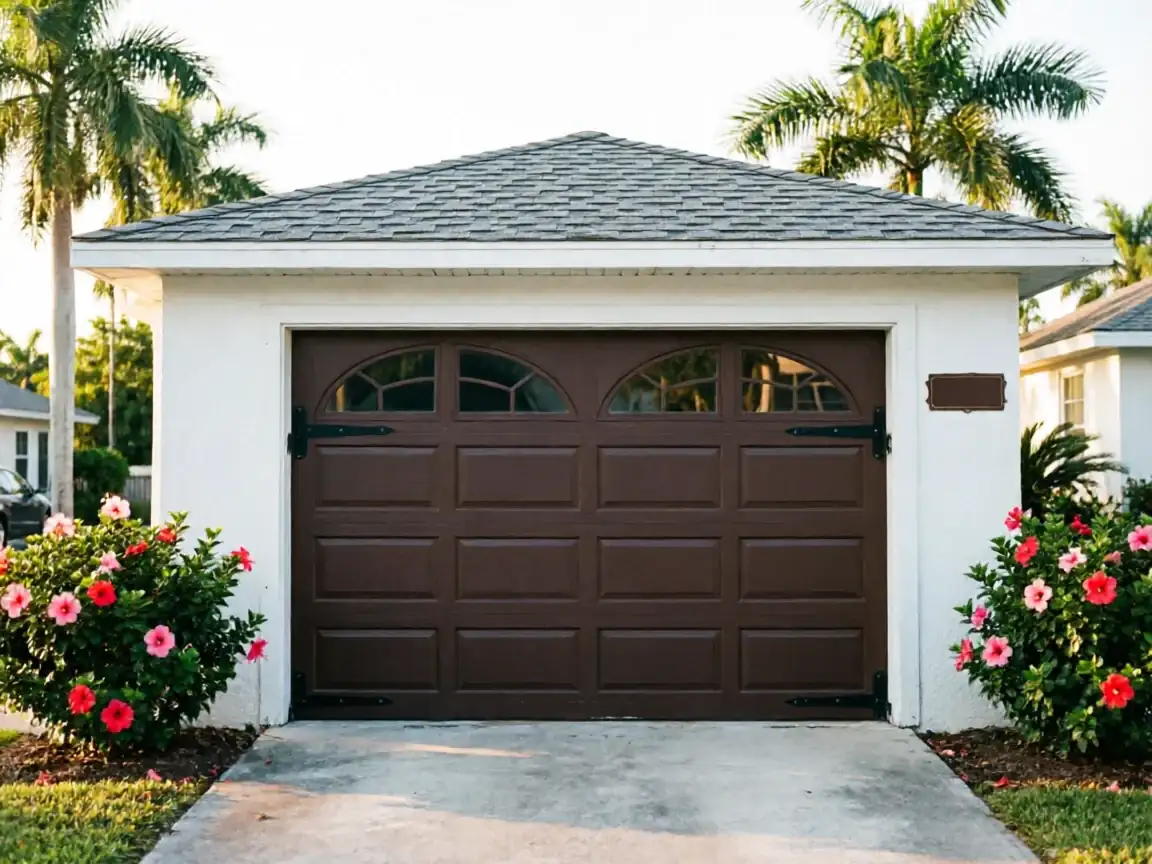
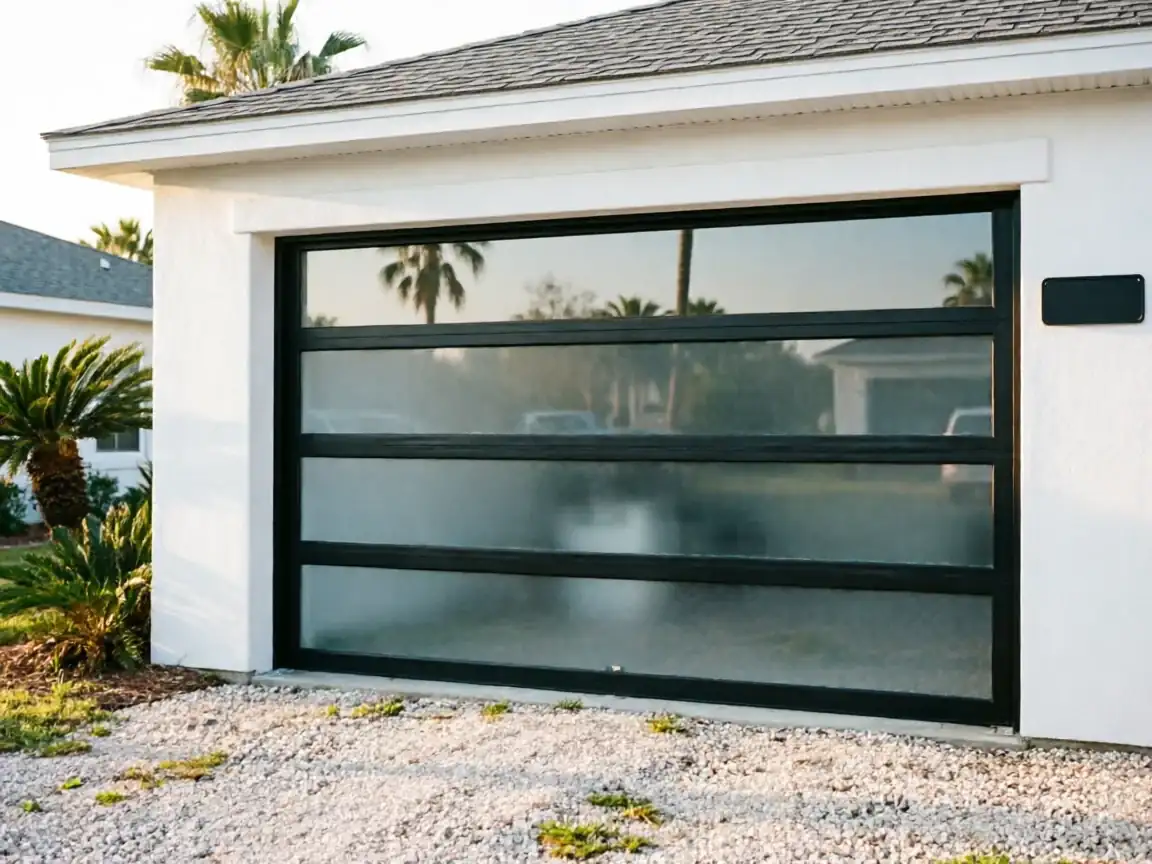
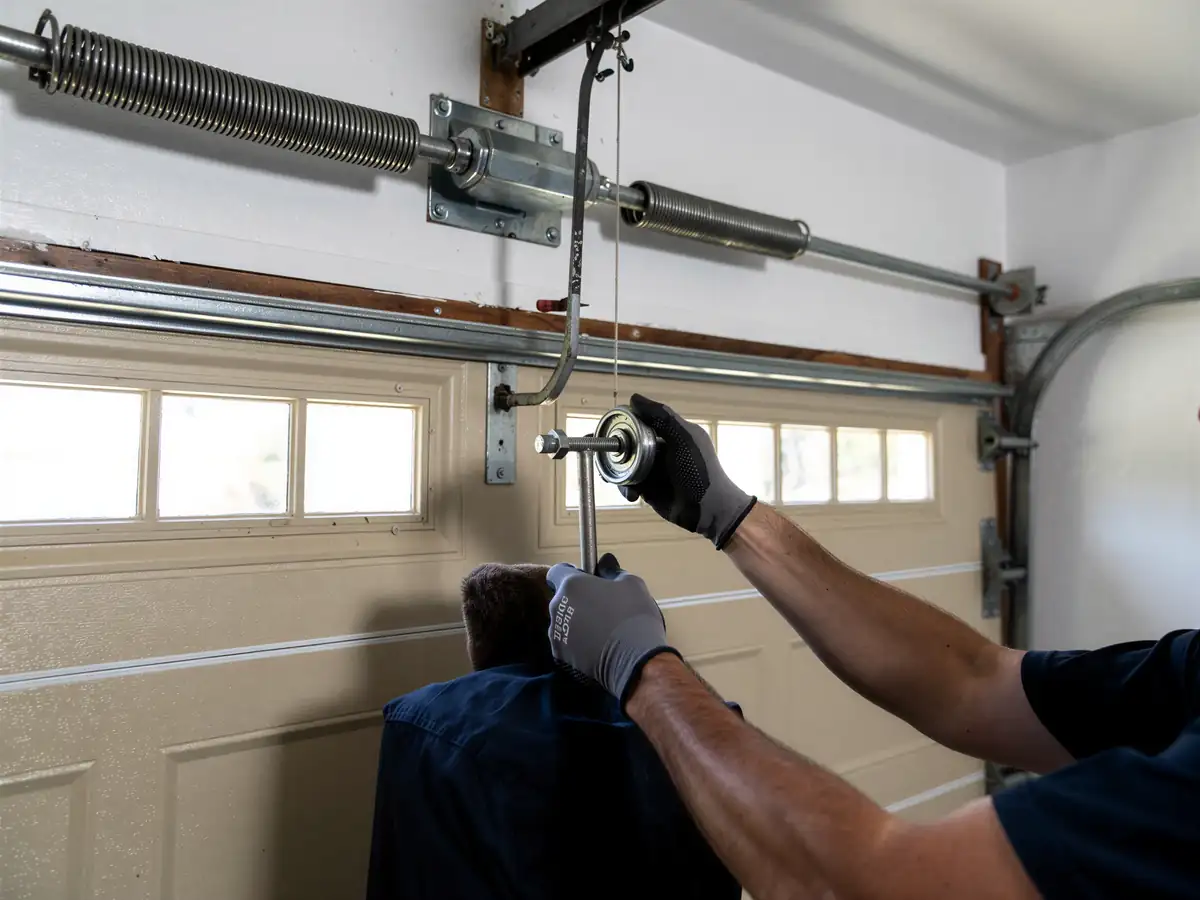
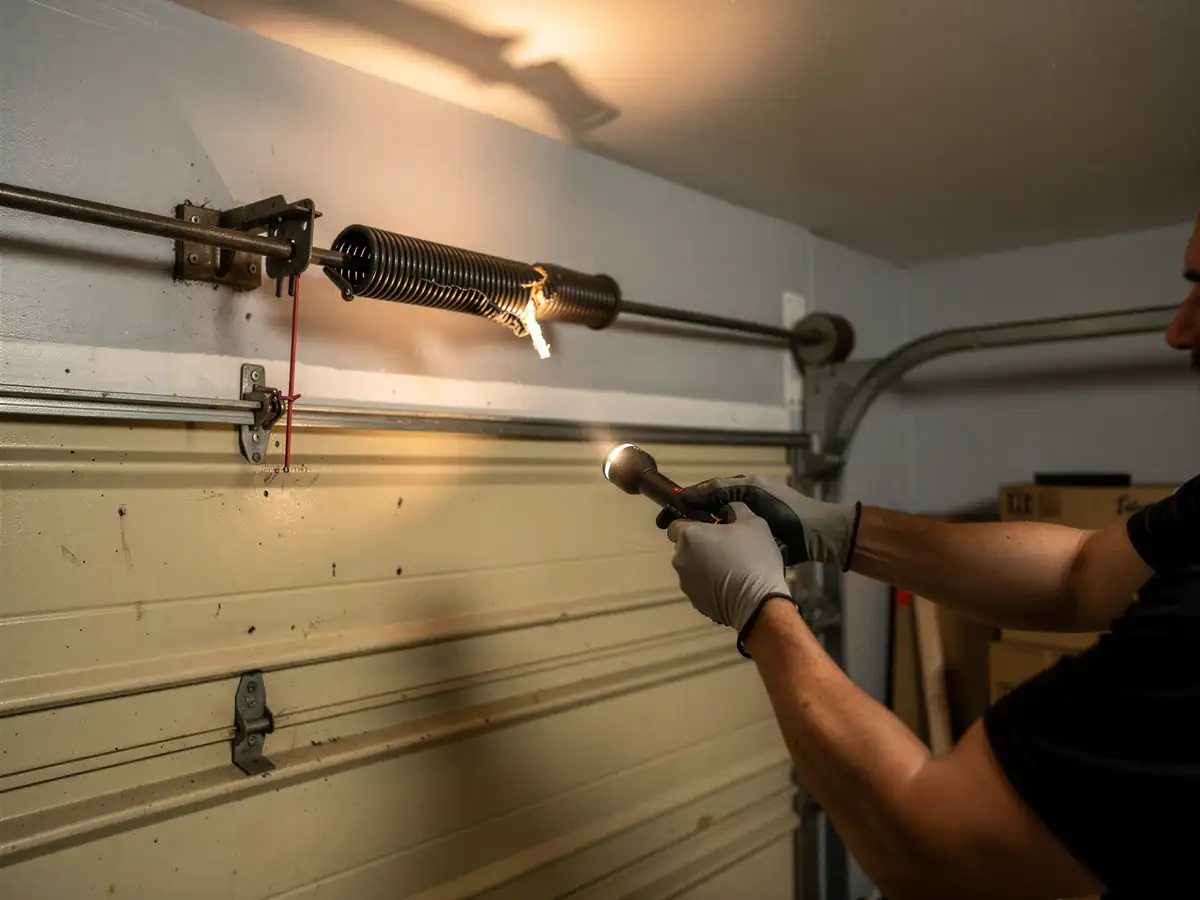
A second pattern follows from the same build era. Homes put up in the late 1990s and early 2000s around here often got heavier insulated doors and sometimes glass-paneled styles, which means a torsion spring sized for more weight than the plain steel doors common in the older parts of the service area. A spring that's a size off, or one that's simply fatigued after years of cycling that extra weight, is the other thing that brings us out.
How Long It Takes
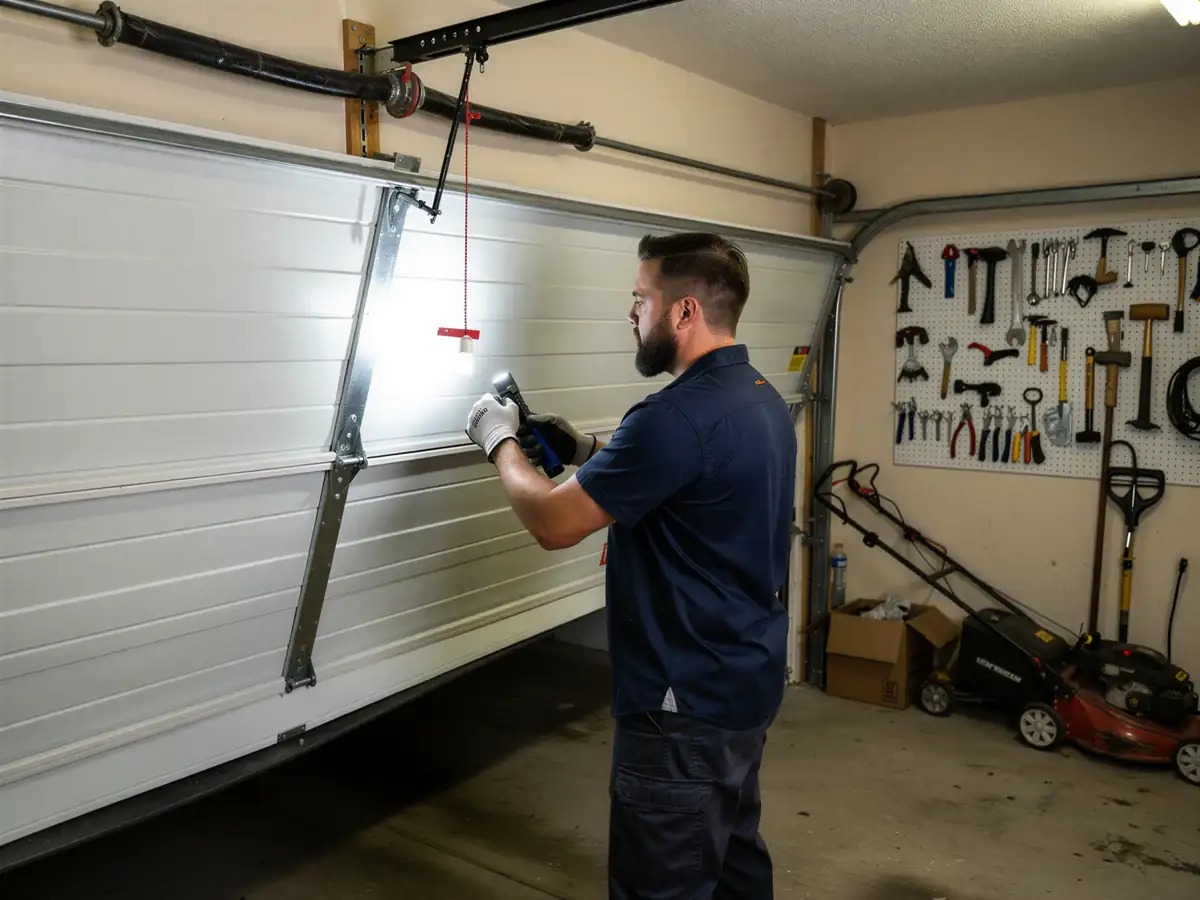
A standard maintenance visit on one of these doors runs the usual inspection and adjustment points, nothing specific to Parkland changes the clock on that part of the job. What can add time is the glass-paneled or heavier insulated doors common to this build era. Checking balance on a door that weighs more than the service area's typical 1970s steel door takes an extra pass with the winding bars to get the spring tension right, and opener safety sensors on these newer installs sometimes need realigning after years of a door drifting slightly off level.
We drive out from Coral Springs, 4 miles up the road, so there's no long haul built into a Parkland visit. The time on site is set by the door and opener in front of us, not by the trip.
What the Fix Involves
Maintenance on a Parkland door starts with the track and rollers
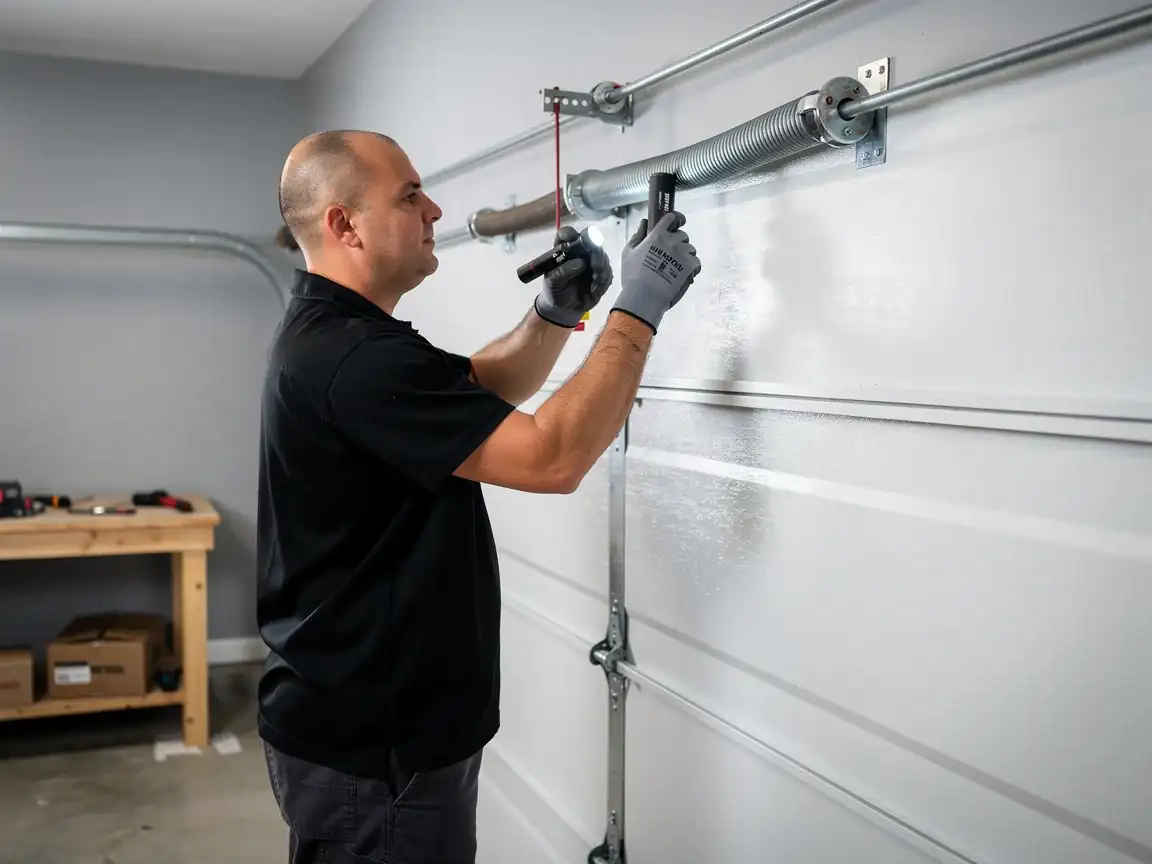
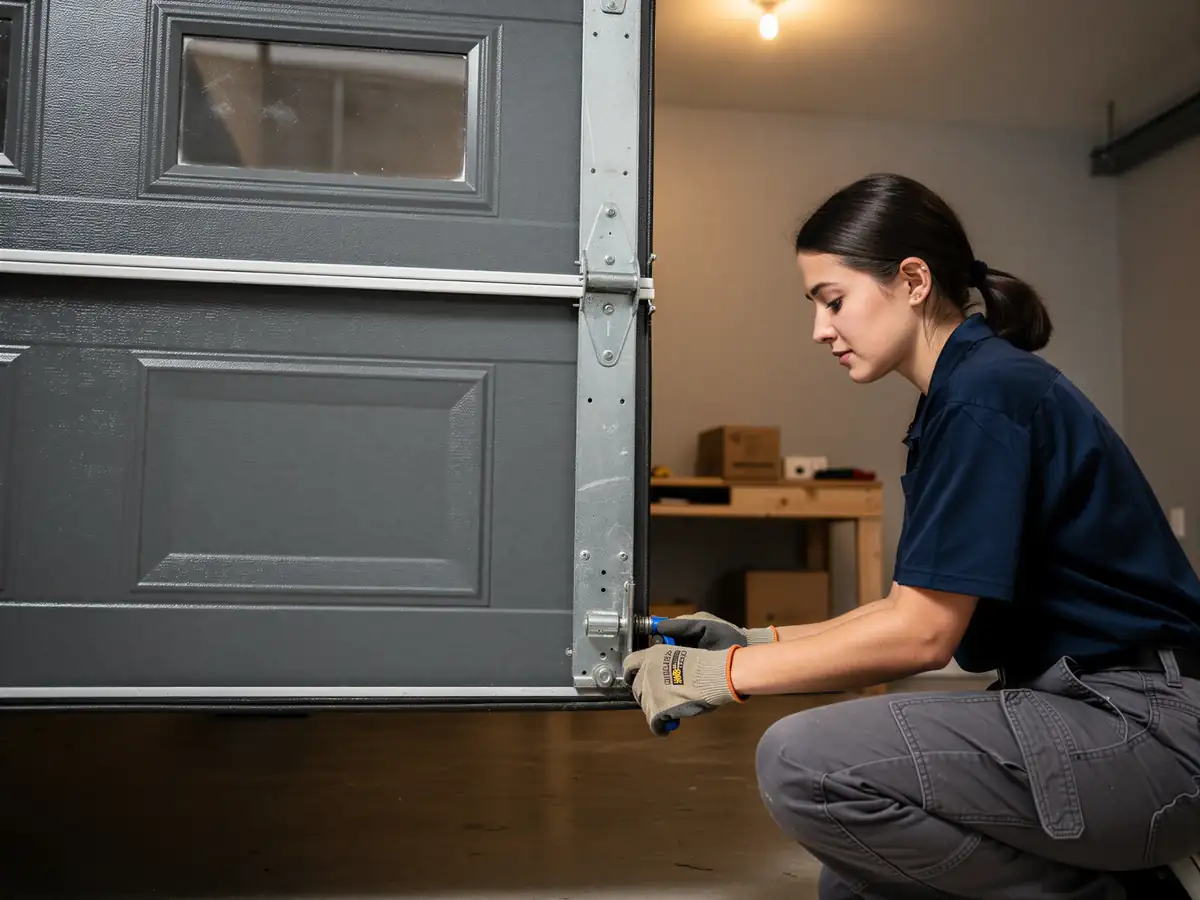
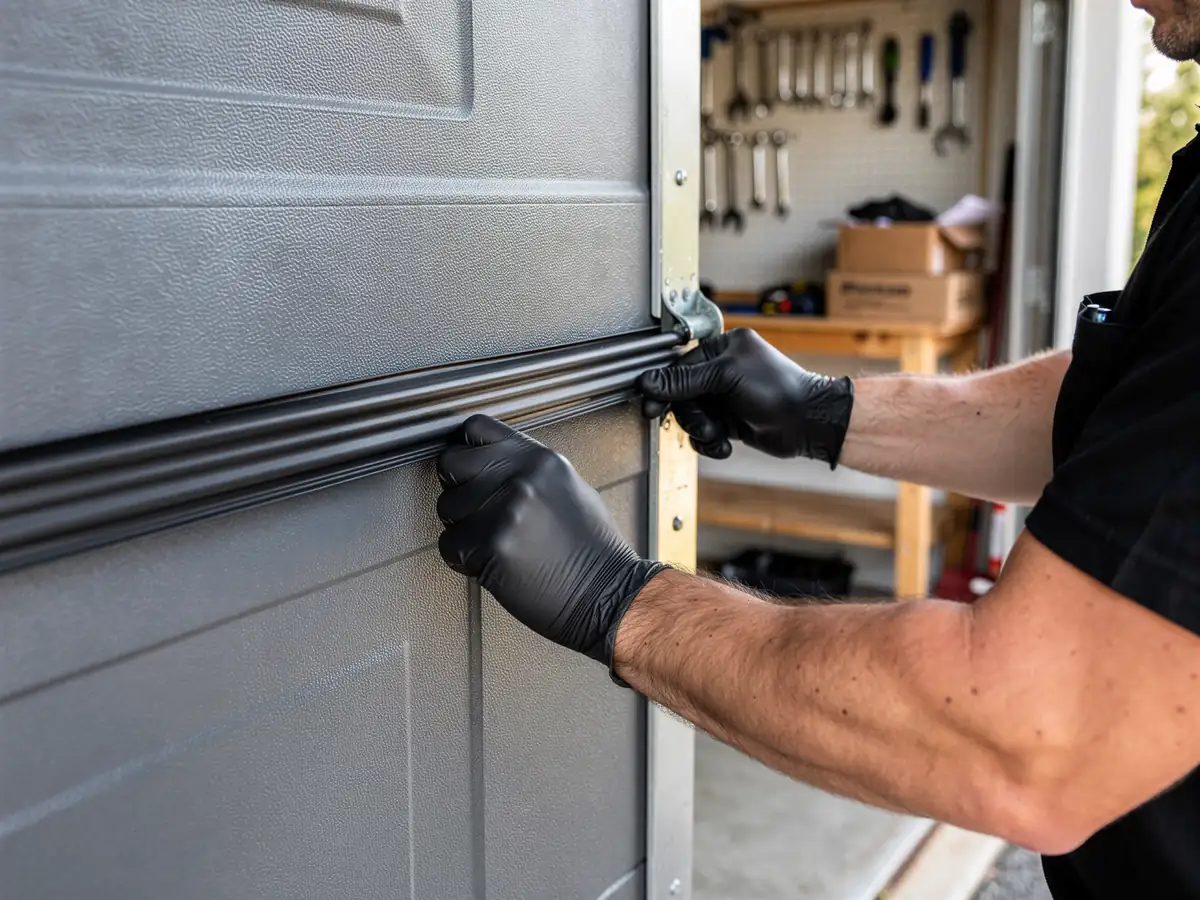
Checking for the dried-out factory lubricant we mentioned above, since that's the single most common finding on a house built in this era. We re-lubricate hinges, rollers, and the torsion spring itself, then check cable tension and look at the bottom bracket for wear.
Next comes balance
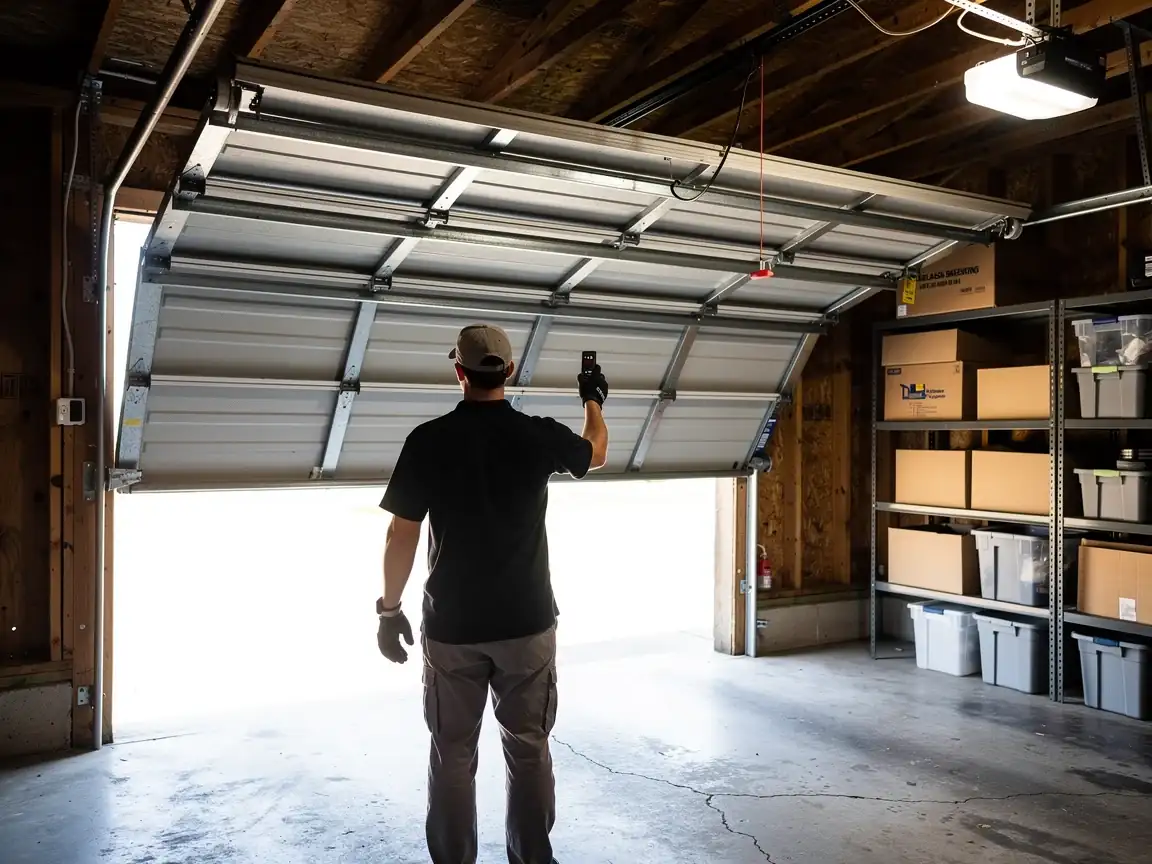
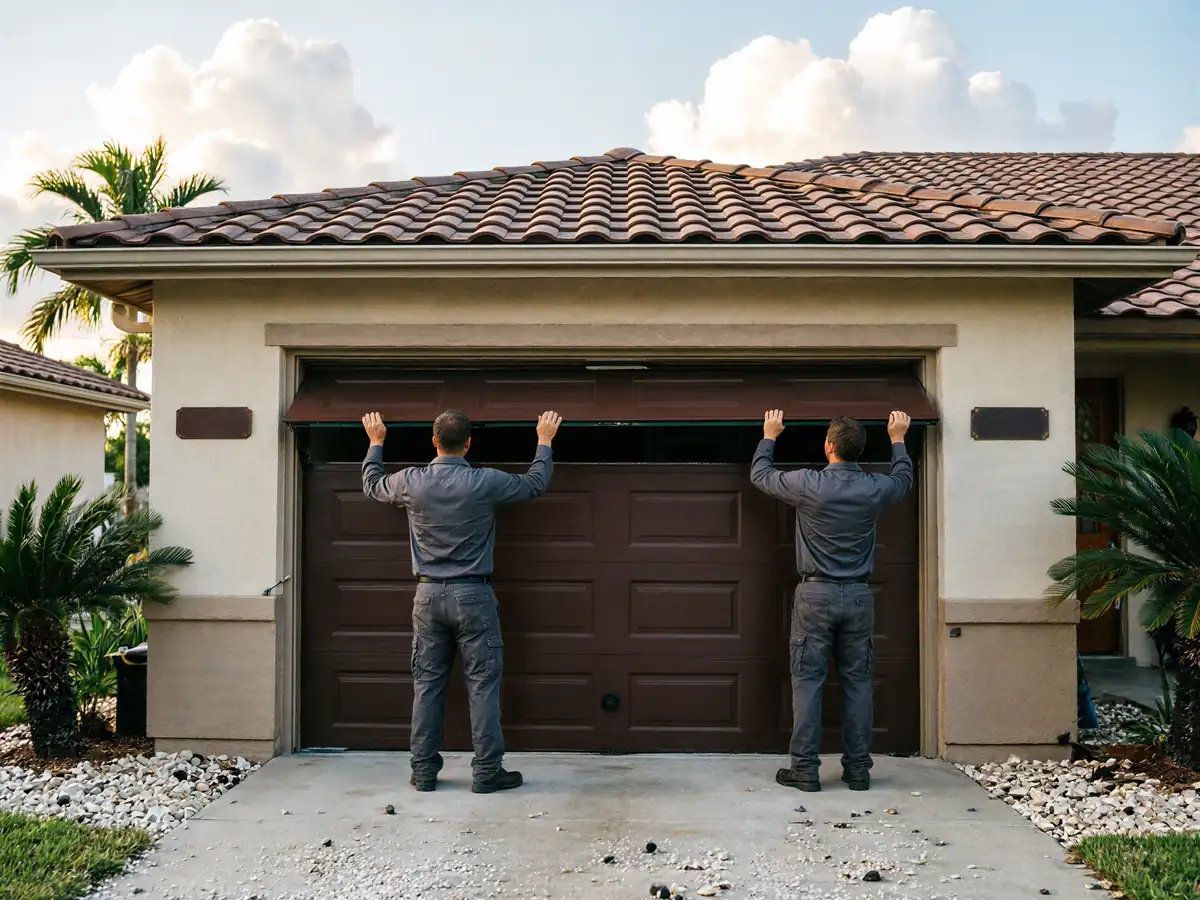
We disconnect the opener and walk the door by hand to see if the spring is still carrying its share of the weight, which matters more on the heavier insulated and glass-panel doors common to homes built new since the late 1990s. If the spring is undersized for the door or has lost tension, that's flagged separately from routine maintenance, since a spring swap is a different job with different parts.
Last, we check the opener's safety reversal and photo-eye alignment
In Parkland's mild temperate climate there's no deep freeze or heavy humidity swing to blame for sensor drift, so when it's off it's usually just years of vibration nudging a bracket out of true.
What Is on the Truck
For a maintenance call we carry the lubricant, fasteners, roller and hinge stock, and basic cable and bracket hardware that covers most of what a routine visit turns up. Given how many doors in Parkland were built with heavier insulated panels, we also carry a range of spring sizes rather than a single standard weight, since a door here is more likely to need a spring rated above what's typical for the older 1970s stock elsewhere in the service area.
What we don't carry is a full stock of every opener's specific sensor or circuit board. If a Parkland opener's photo-eye assembly needs a full replacement part rather than a realignment, that sometimes means a second trip once the part is in hand. We'd rather say that upfront than pretend every job wraps in one visit.
The Cost of This Job
We're not going to put a number in front of you that we can't back up, because the honest answer depends on the door in front of us. What we can tell you is what moves the price: a heavier insulated or glass-panel door, more common on homes built new here since the late 1990s, takes a bigger spring and more time to balance than the plain steel door typical of the service area's older 1970s tracts. A straightforward lubrication and adjustment visit costs less than one that turns up a fatigued spring or a sensor that needs replacing rather than realigning.
Across the wider Coral Springs service area, median household income sits at $68,424; in Parkland it's $200,156, and we mention that only because it tends to track with the heavier, higher-end doors we see going into these homes when they were built, not because it changes what we charge. The quote comes after we look at the door, not before.