What Can Go Wrong
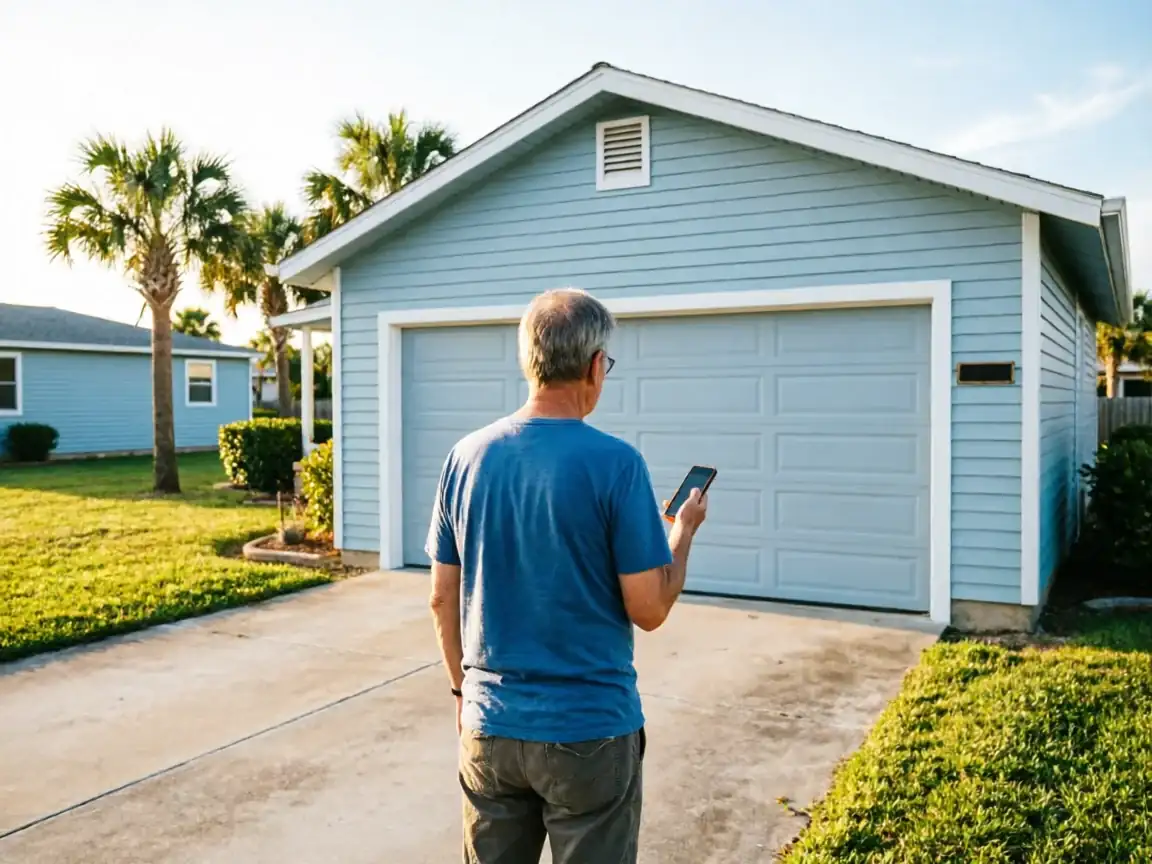
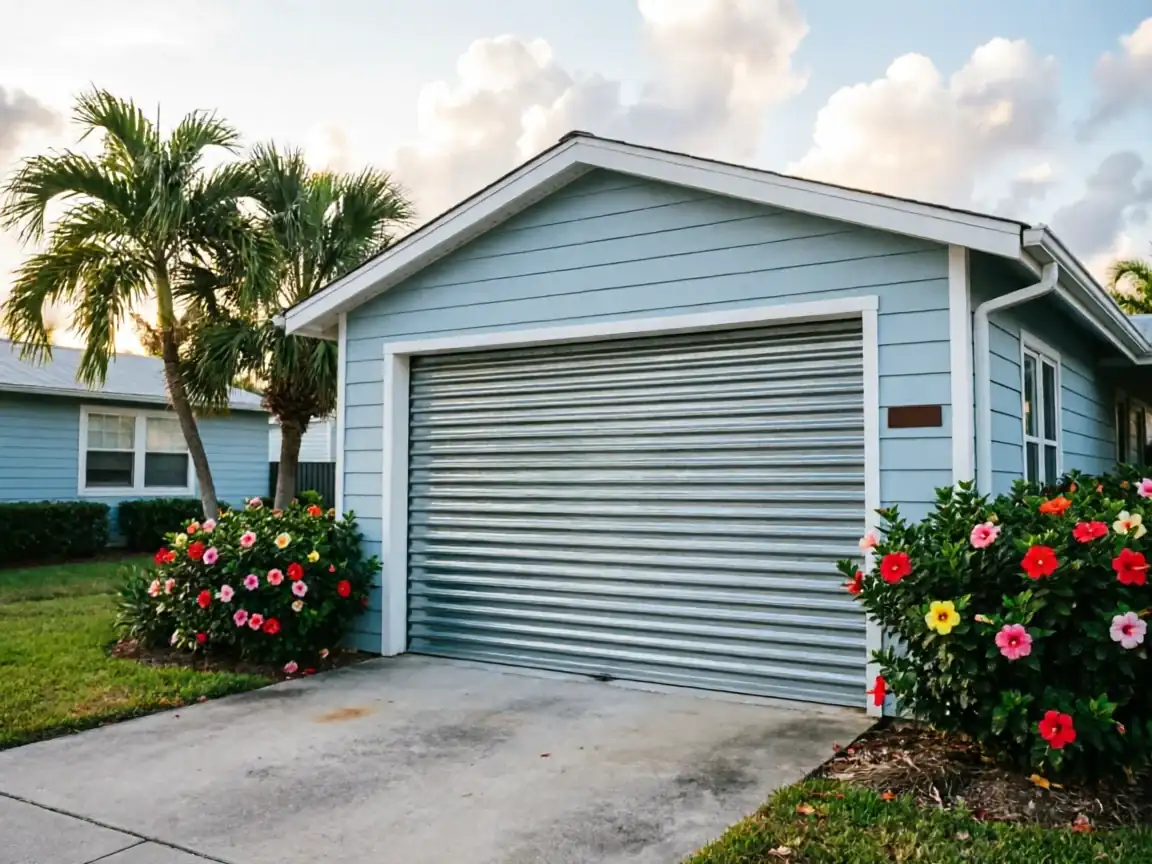
Parkland is a small town as these things go, just under 10,828 households, and that keeps the call volume lower than it is in older, denser parts of the service area. But small doesn't mean simple. Most of this housing stock went up around 2005, well after the 1968 start date for the wider service area and decades past the older torsion hardware we still find elsewhere. That changes what breaks.
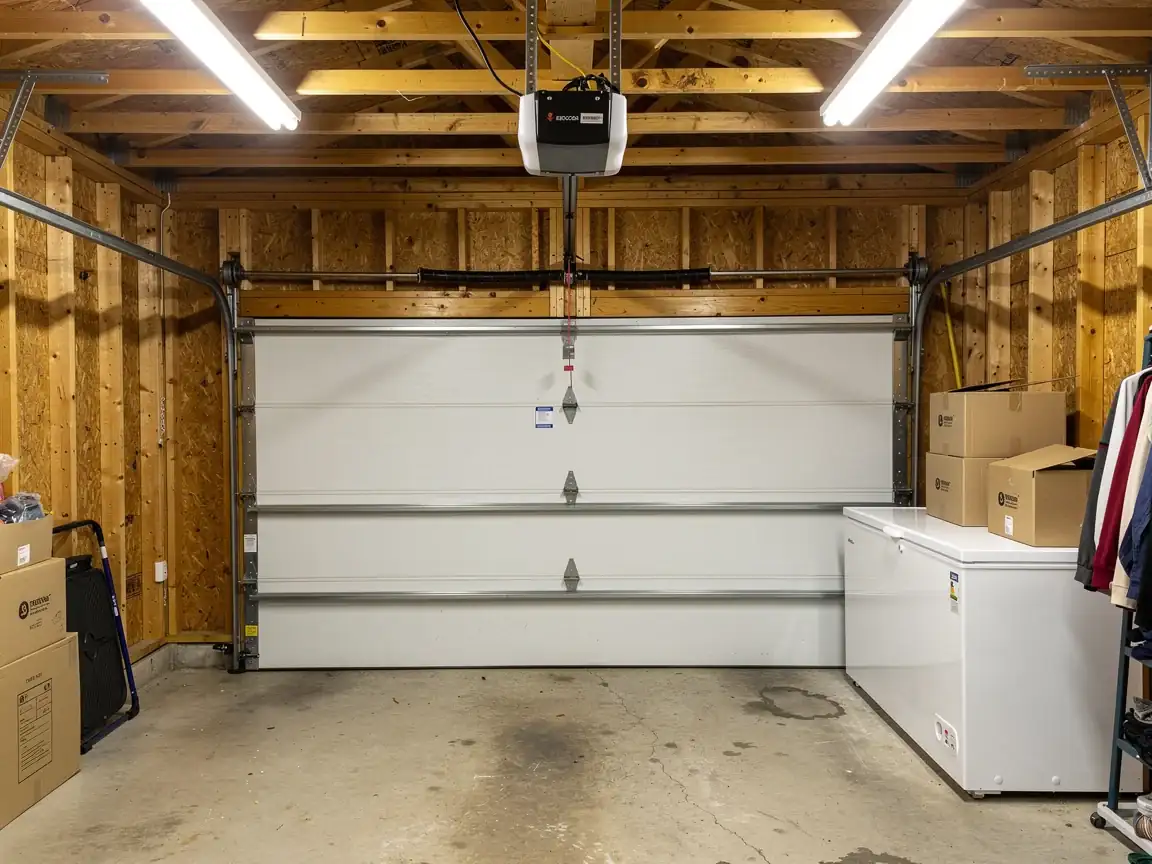
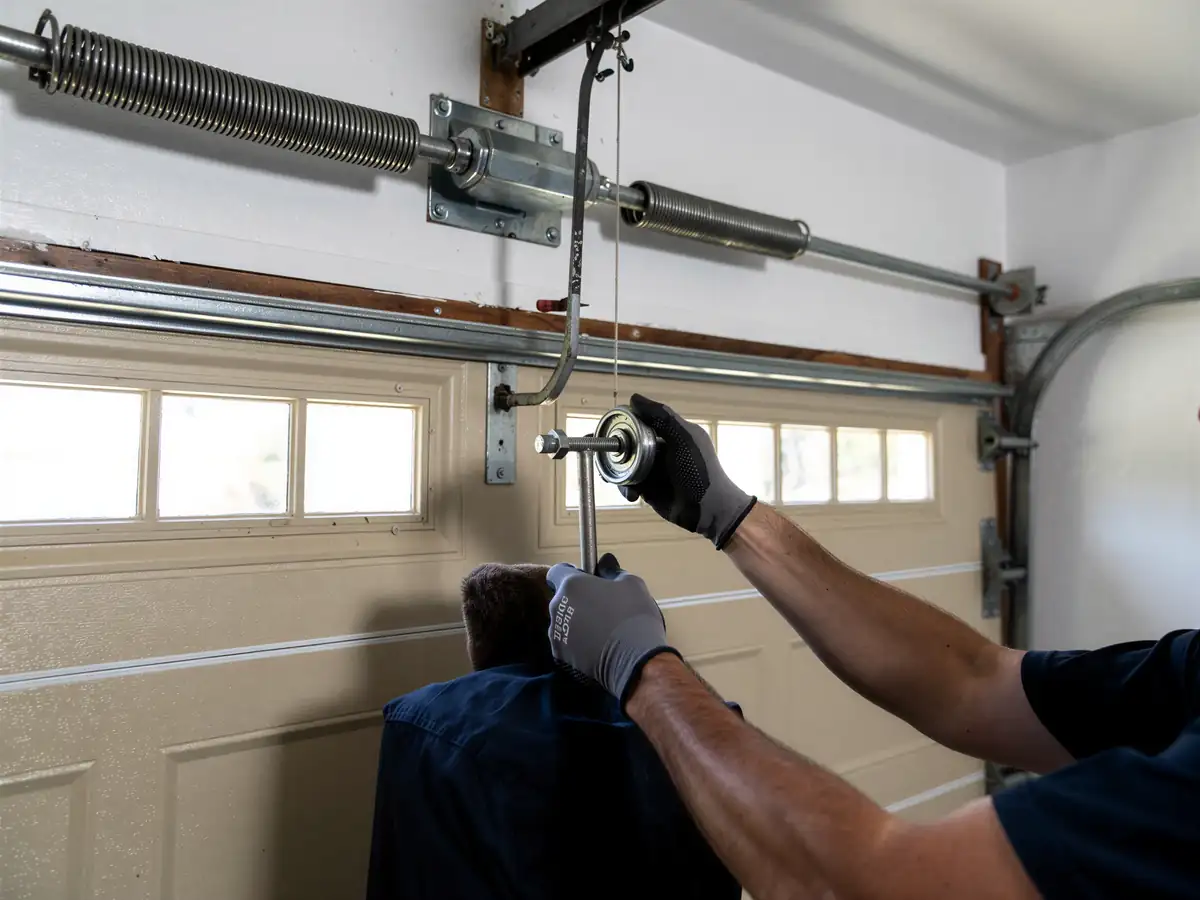
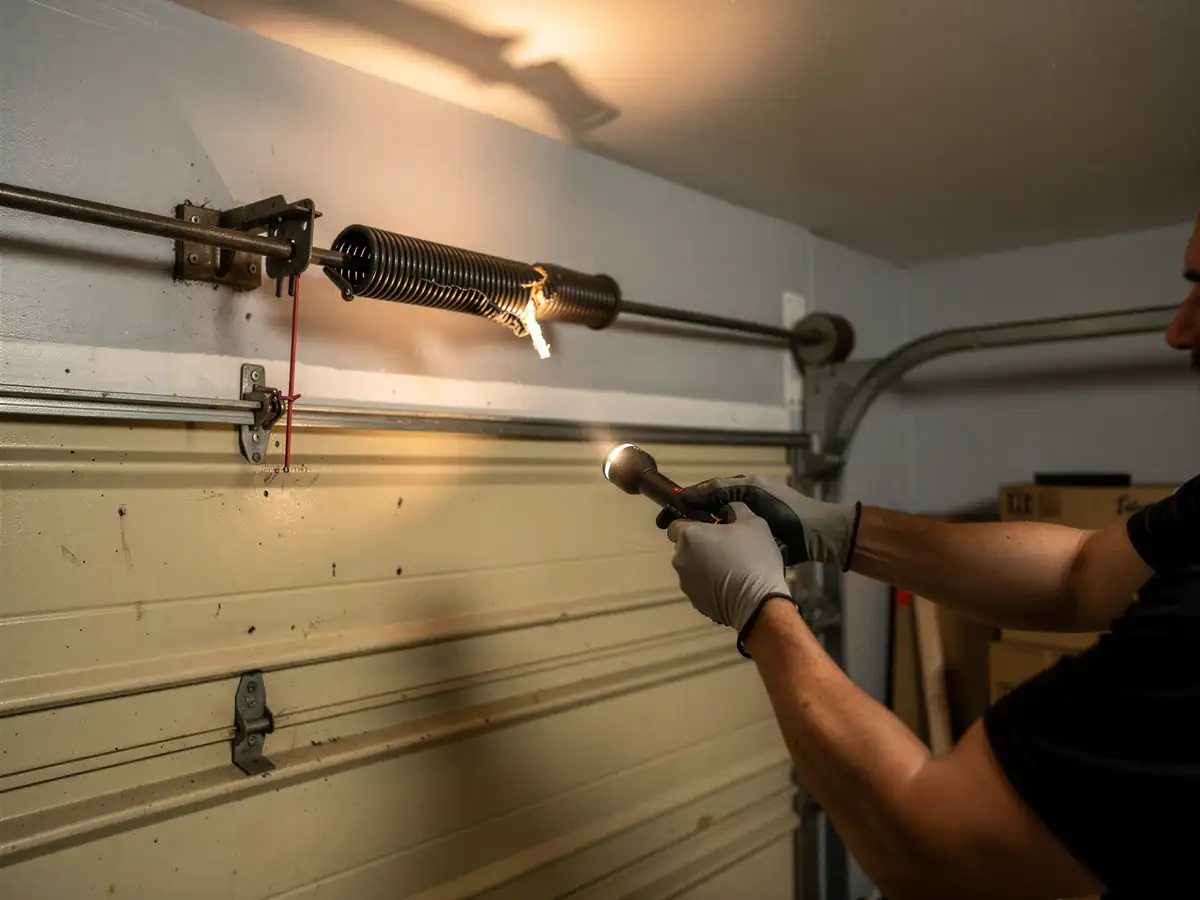
On a door this age, the spring usually isn't the first thing to fail. It's the opener logic board, a worn drive gear on a belt-drive unit, or a safety sensor that's drifted out of alignment after years of the garage floor settling slightly. We also see more issues with keypads and smart-opener modules than we do on older stock, simply because that's what got installed when these houses were built. The springs are still wearing down with every cycle, so they're not off the list, but they're not usually the first call.
How Long It Takes
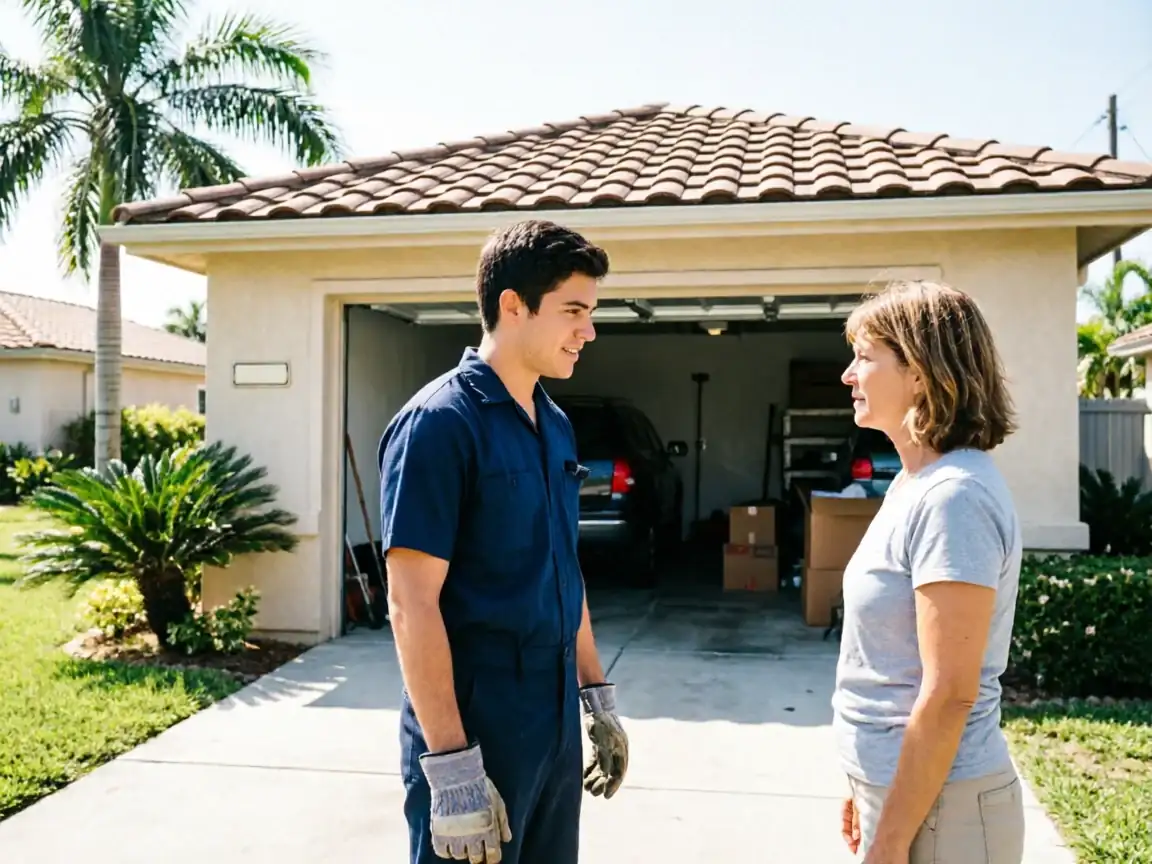
We run from Coral Springs, 4 miles out, so travel time to Parkland is short and doesn't change the job length. Most single-door repairs on a 2005-era door, a sensor realignment, a logic board swap, a belt tension adjustment, are finished in under two hours once the tech is on site and has diagnosed the fault.
What stretches a job is parts. If the opener is an older smart-home-integrated model from when the house was built, matching the exact board or remote can take an extra visit if we don't have it stocked on the truck. We're upfront about that at the door, not after we've started.
What the Fix Involves
On newer construction like most of what's in Parkland
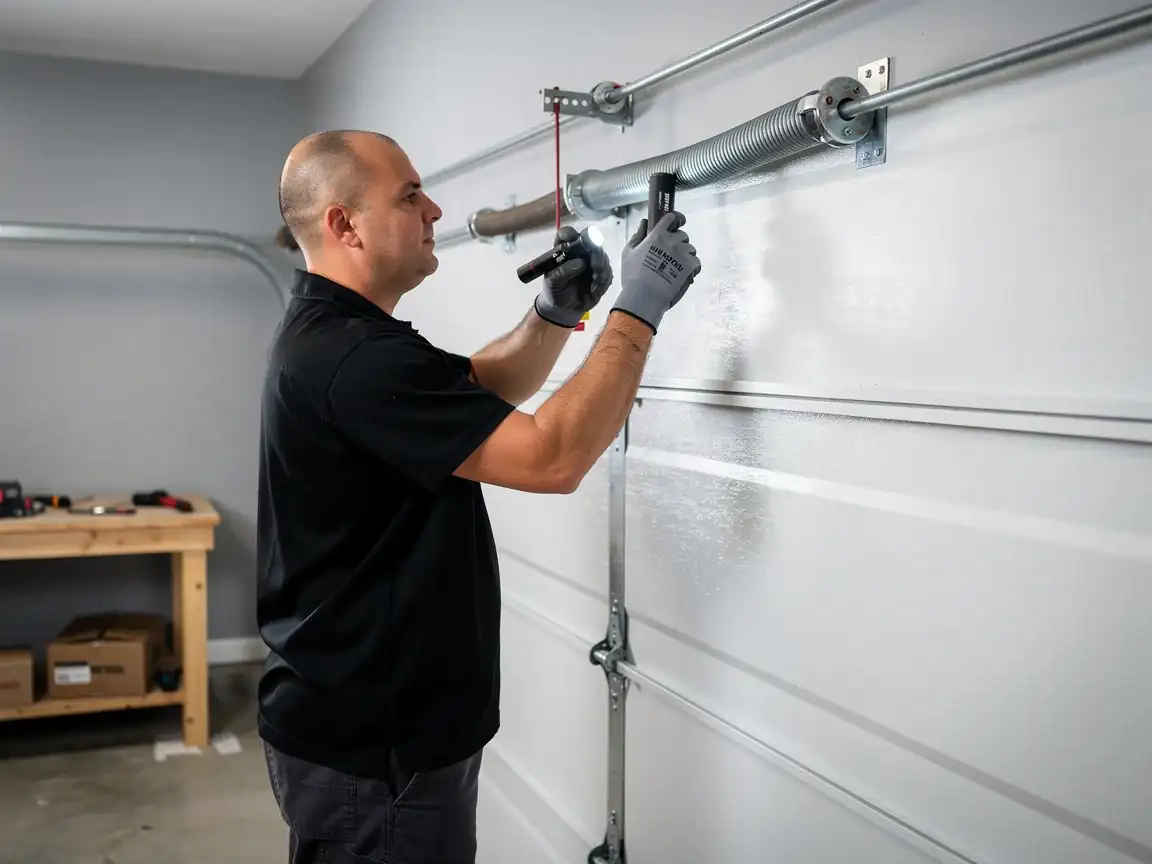
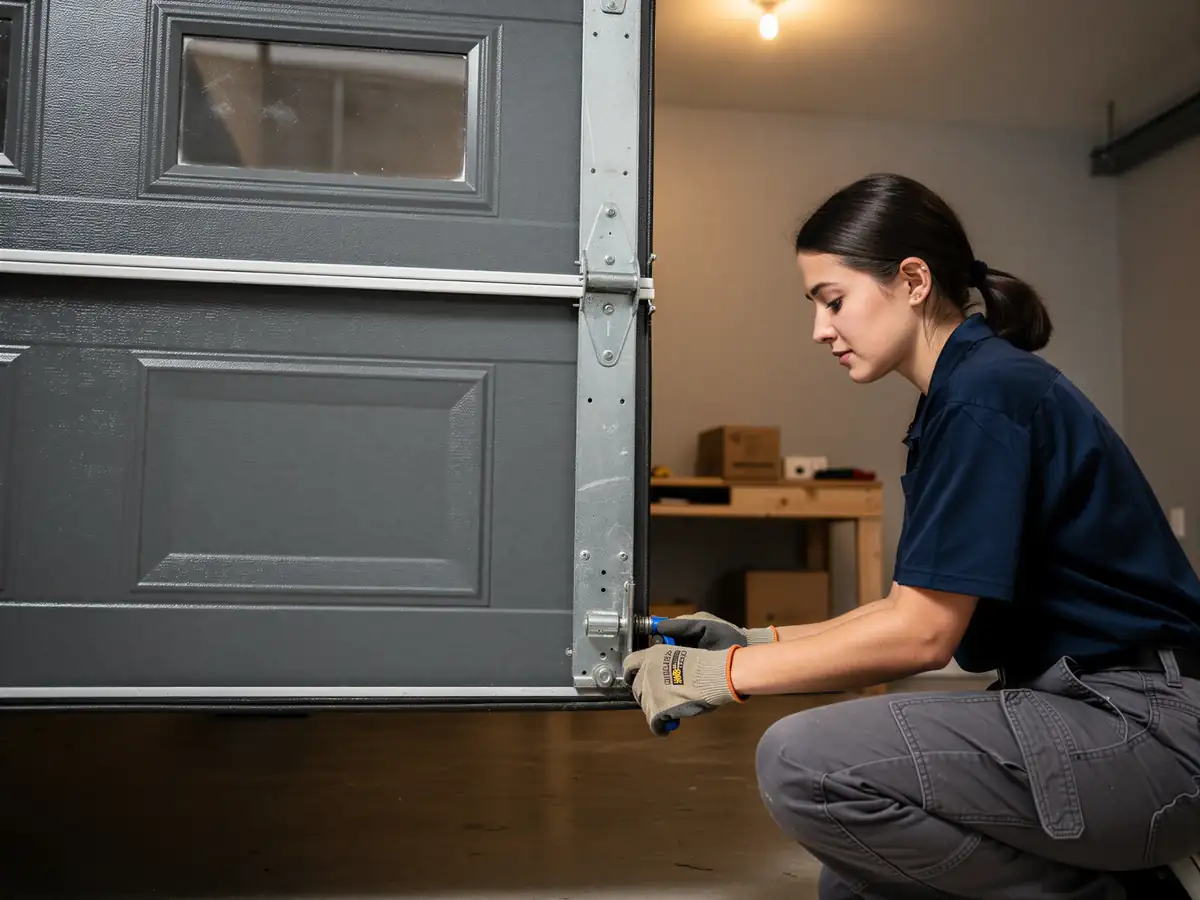
The fix usually starts with the opener, not the door panel. We check the logic board, the sensor eyes, and the drive mechanism before we touch the spring tension, because on a house this age the door itself is rarely the problem. If it is a spring, it's one that's been cycling for close to twenty years, not forty, so we're often looking at normal fatigue rather than the corrosion and rust failures that show up on much older galvanized torsion springs.
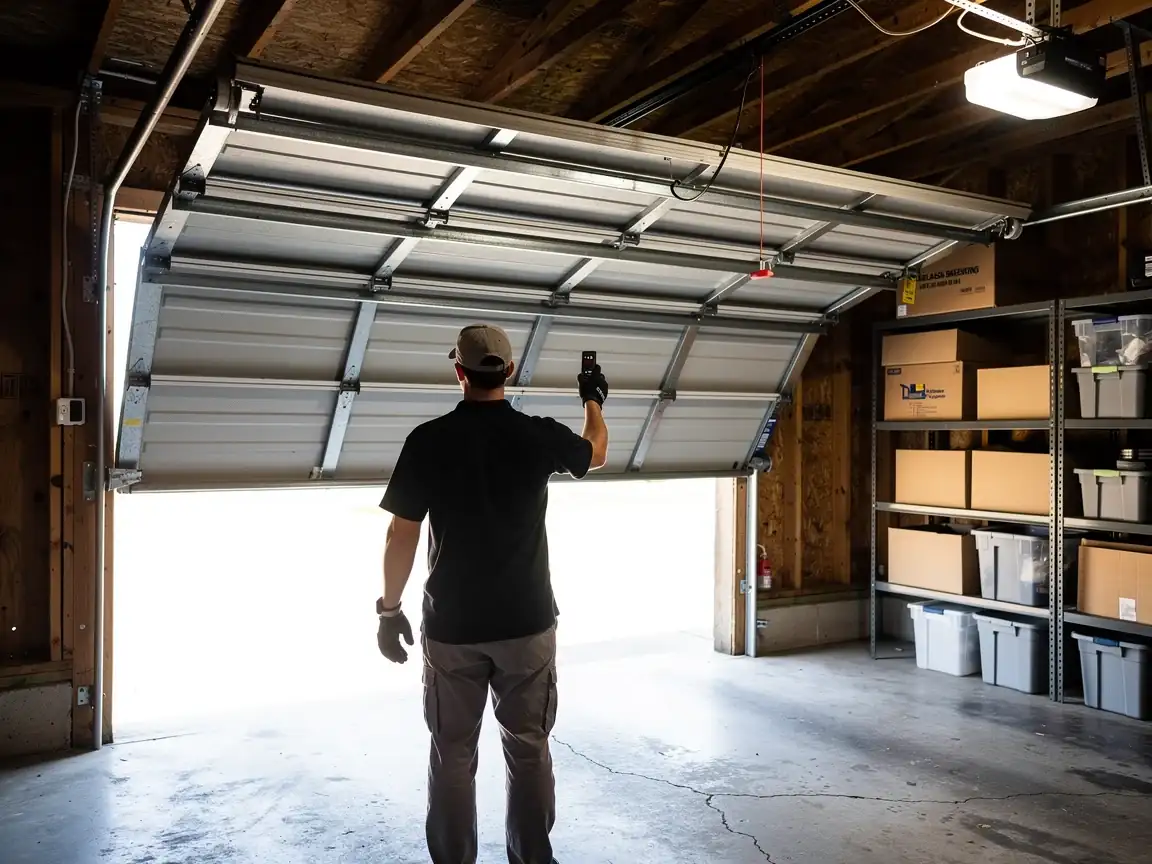
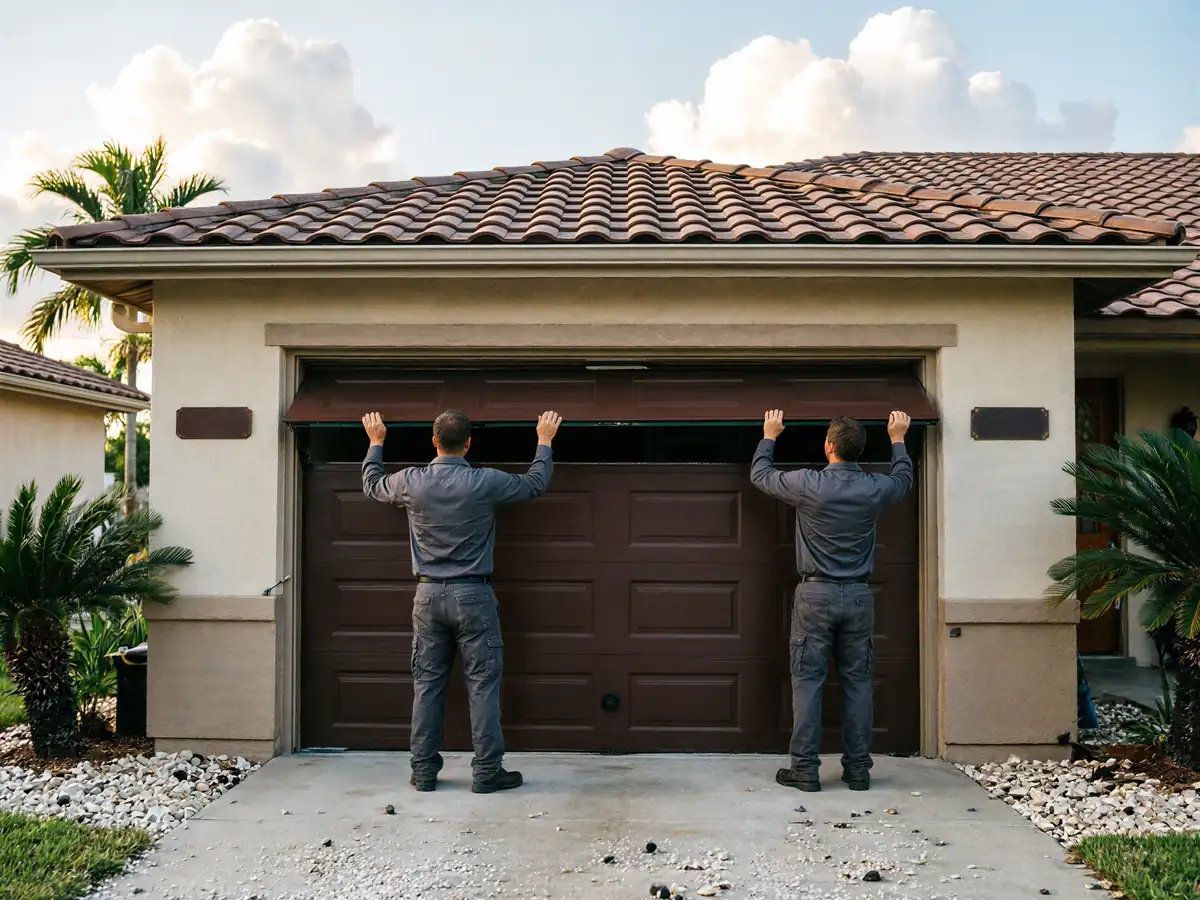
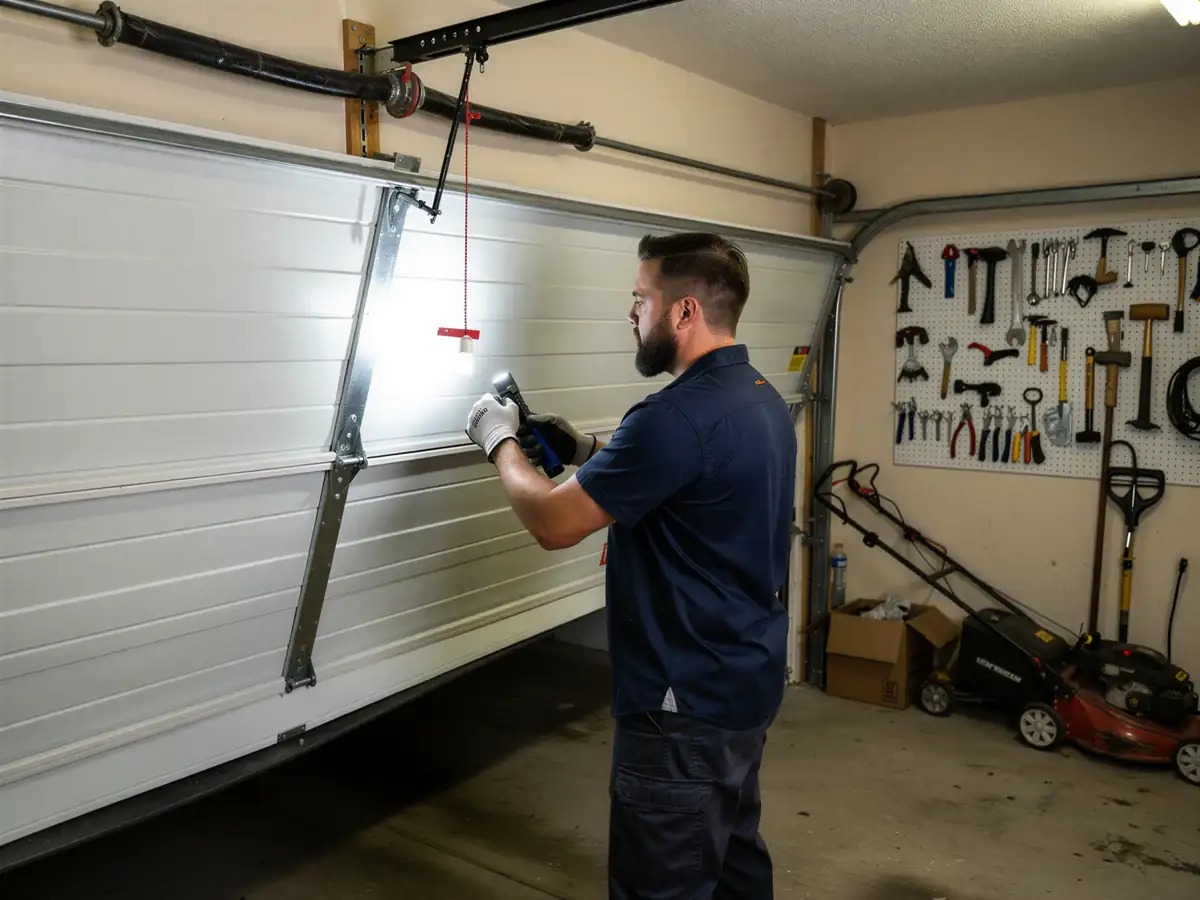
We also check balance and travel limits
Since a slightly out-of-balance door on a newer opener will trip the safety reversal more often, which is the thing that actually gets the service call made. Getting the balance right usually solves more of the complaint than people expect.
What Is on the Truck
Because Parkland's housing mostly dates to the early 2000s, the truck for this area is stocked heavier on opener boards, belt-drive kits, and sensor assemblies than on the older extension-spring hardware we carry for the 1970s-era neighborhoods elsewhere in the service area. Standard torsion springs in common sizes still ride along, since those wear out regardless of the house's age.
What we don't carry for every job is a matching remote or keypad for a specific smart-opener brand installed when the house was built. Those sometimes need a special order, and we'll tell you that on the spot rather than make a second trip look like something it isn't.
The Cost of This Job
We don't post flat prices here because the fix depends on what's actually wrong, and on a 2005-era door in Parkland that's more often an opener part than a spring. What we can say is that this area's median household income, over $200,000, is well above the wider service area's median of $68,424, and that doesn't change the hardware, but it does mean replacement openers with smart features get requested more often than straight repairs once a unit is more than a decade into its life.
One honest limitation: if your opener board is for a model that's been discontinued, sourcing an exact replacement can take longer than the repair itself, and sometimes the straighter path is a new opener rather than chasing an obsolete part.