What Is on the Truck
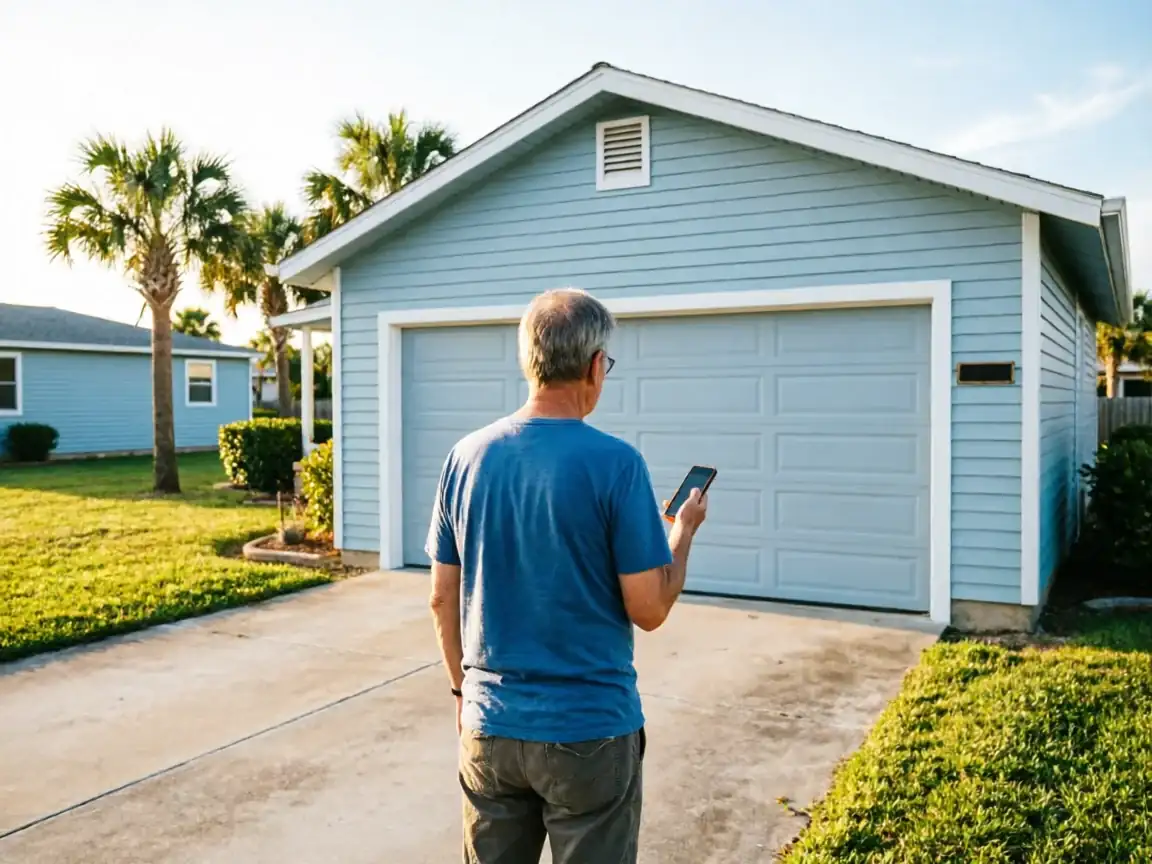
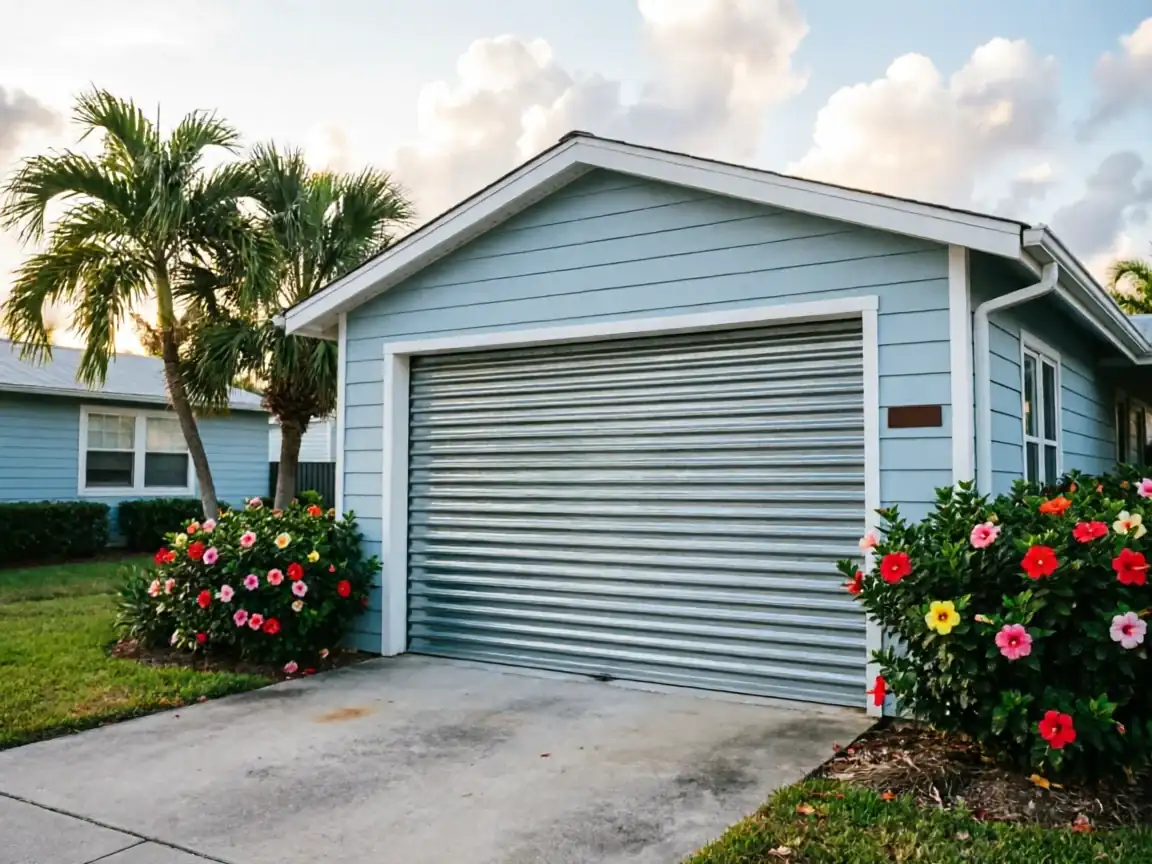
North Lauderdale's housing stock centers on 1978, which puts it ahead of a lot of the newer construction you'll find elsewhere in the Coral Springs service area, where building dates run anywhere from 1968 out to 2005. A door and opener from a 1978 build has had roughly fifteen more years to work through springs, rollers, and hinges than a house built at the newer end of that range. That's the first thing we account for before we even get the truck loaded: a maintenance call here is more likely to turn up original hardware than a call to a newer subdivision closer to the center of town.
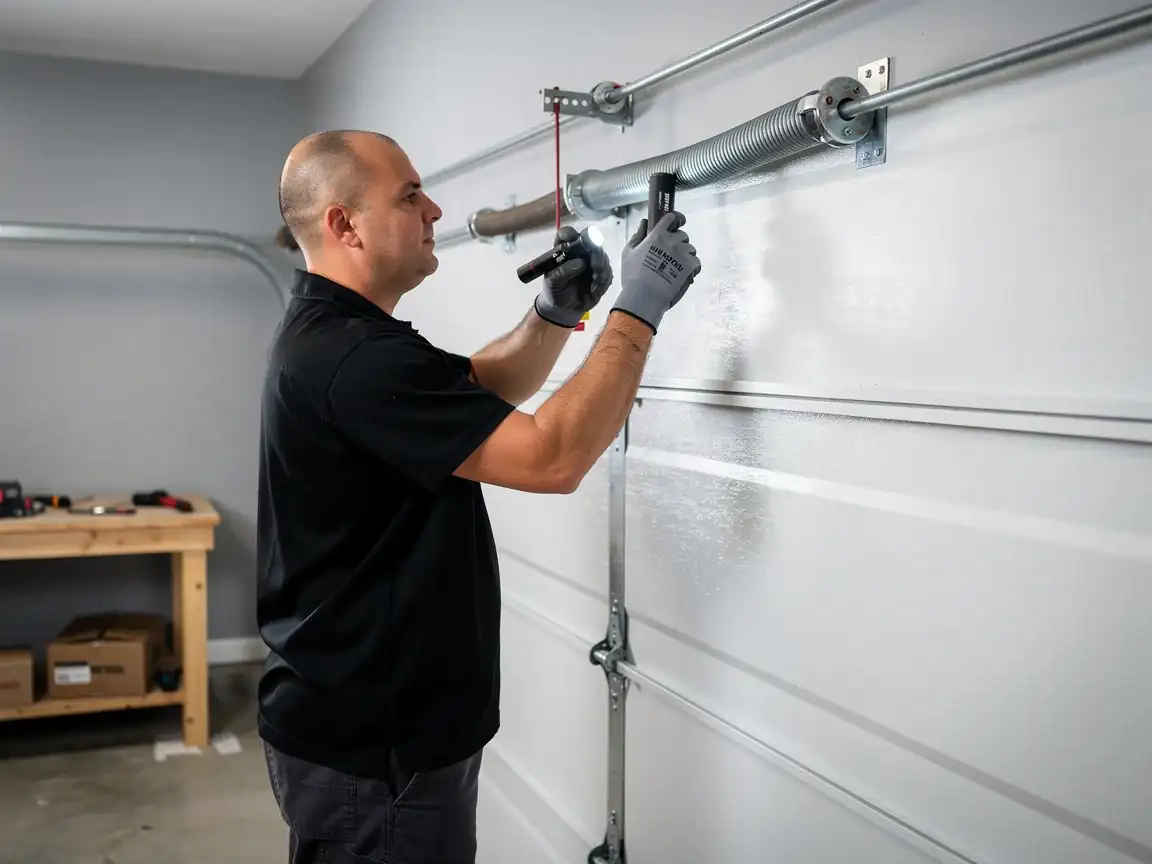
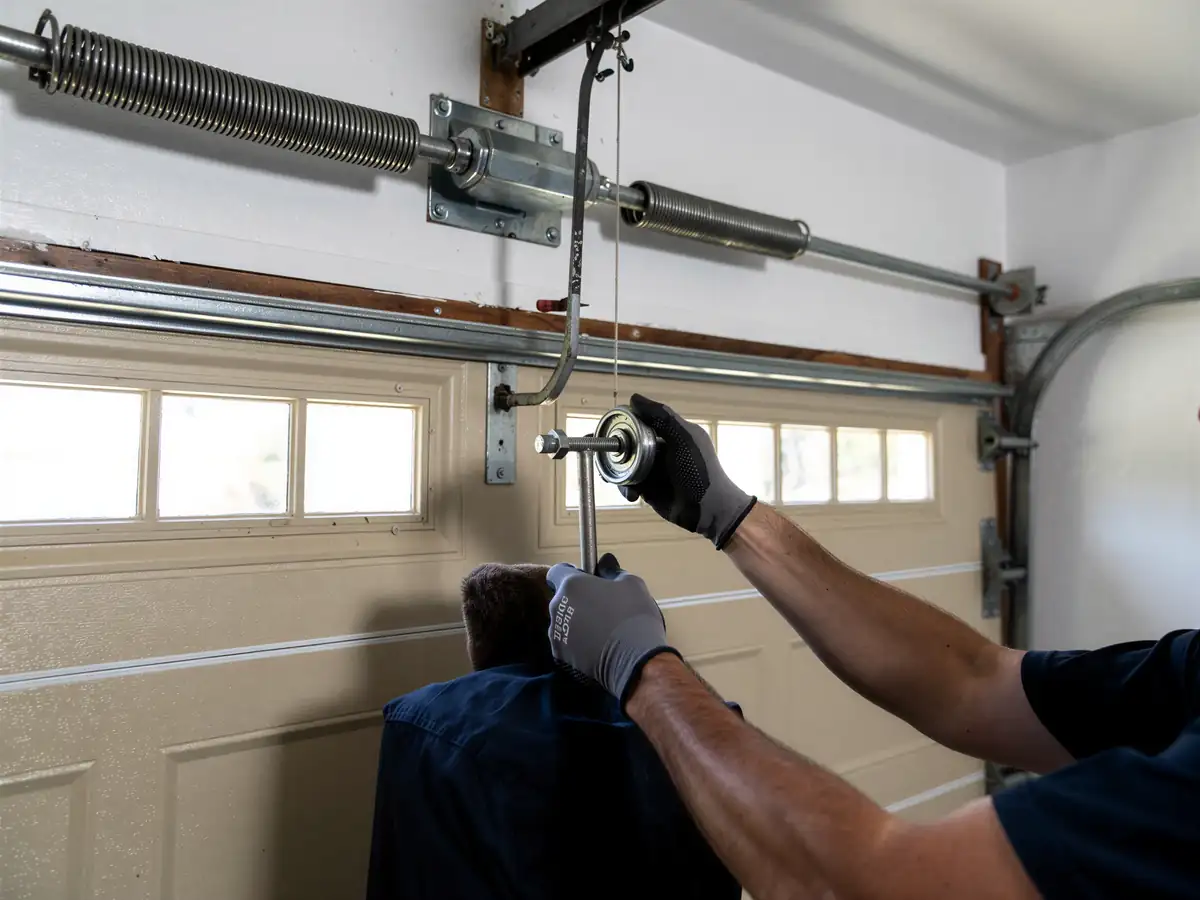
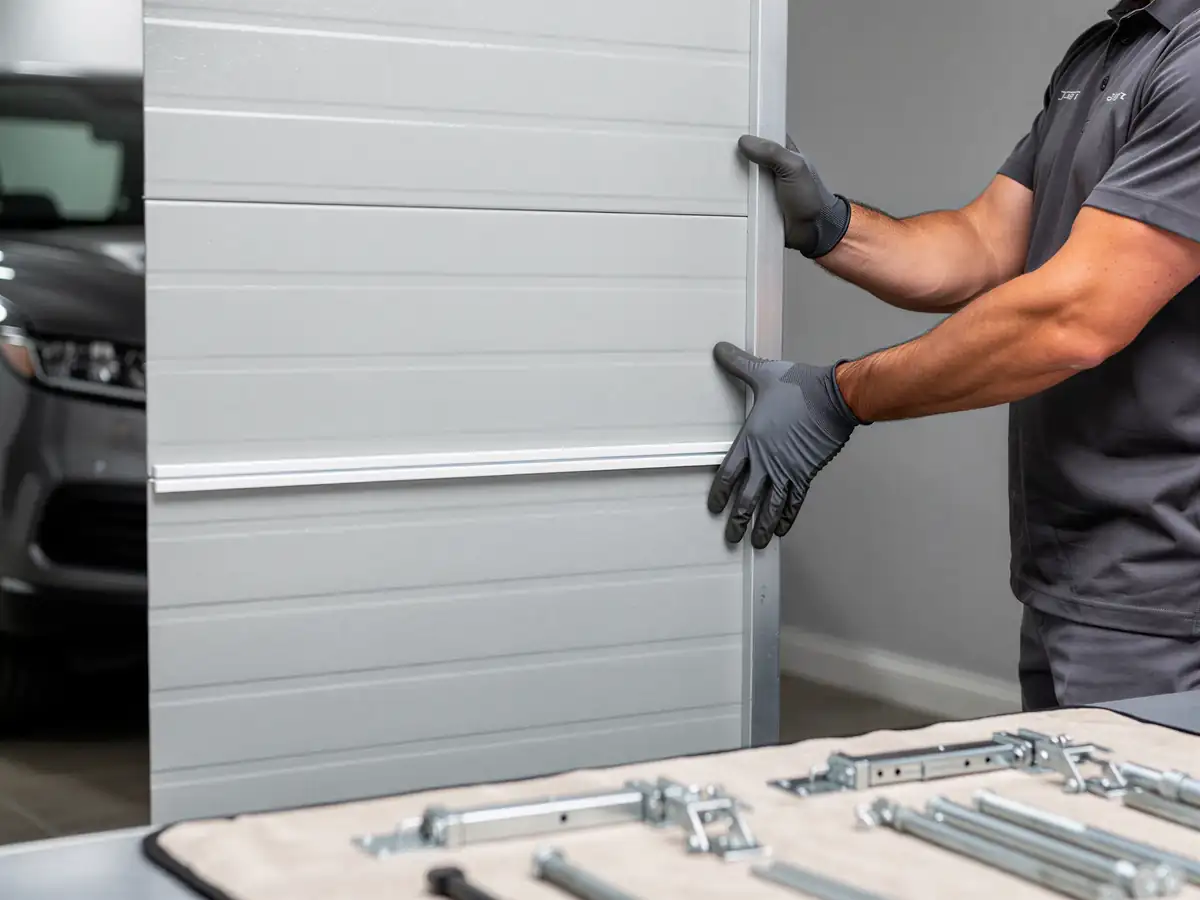
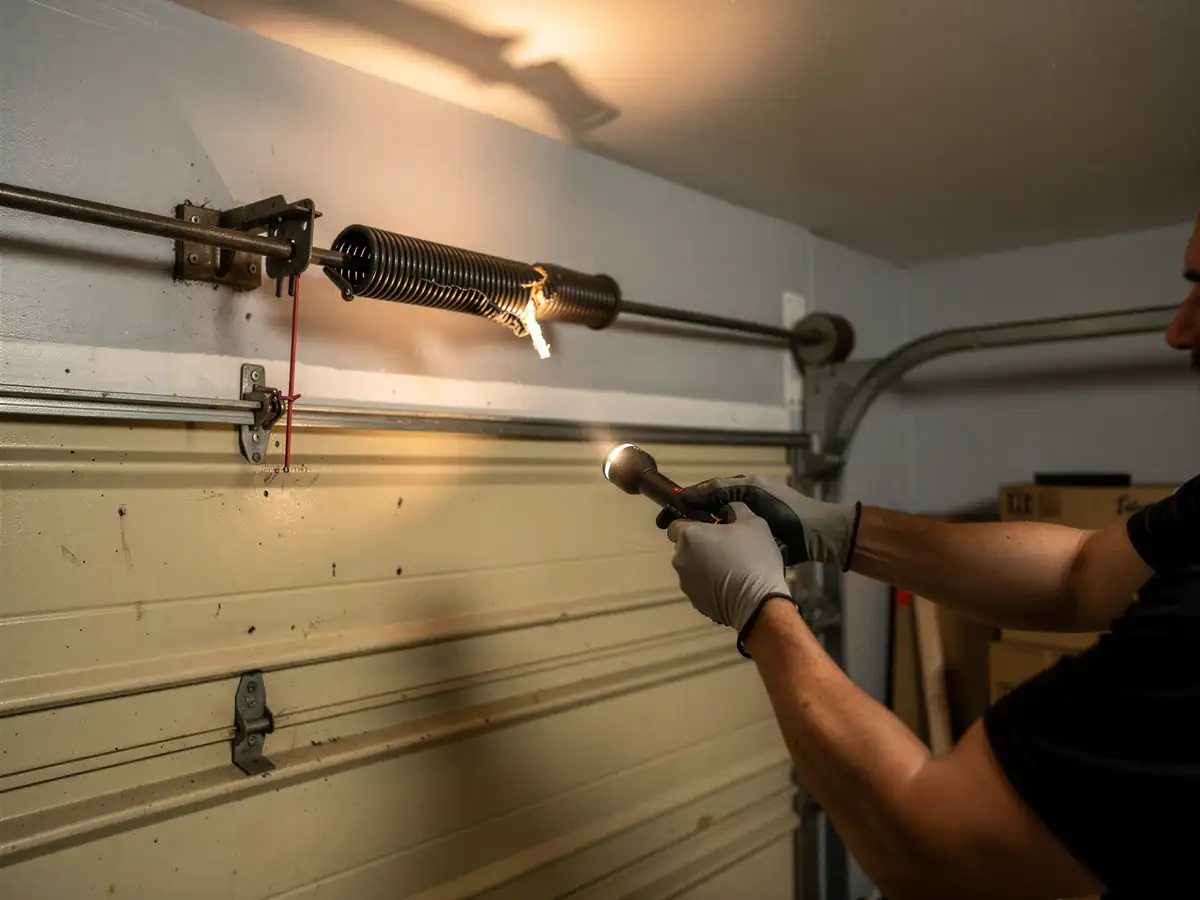
We carry rollers in both nylon and steel, replacement hinges, lube rated for humid climates, and torsion springs in common residential sizes, because on a house this age the spring is often the thing closest to its working life limit. We also bring cable and fittings, since 1970s-era cable tends to show fraying before the rest of the hardware shows its age. The point of maintenance at this stage of a door's life isn't cosmetic - it's catching the part that's about to fail before it does, on a system installed under an older set of assumptions about how long hardware would last.
What the Fix Involves
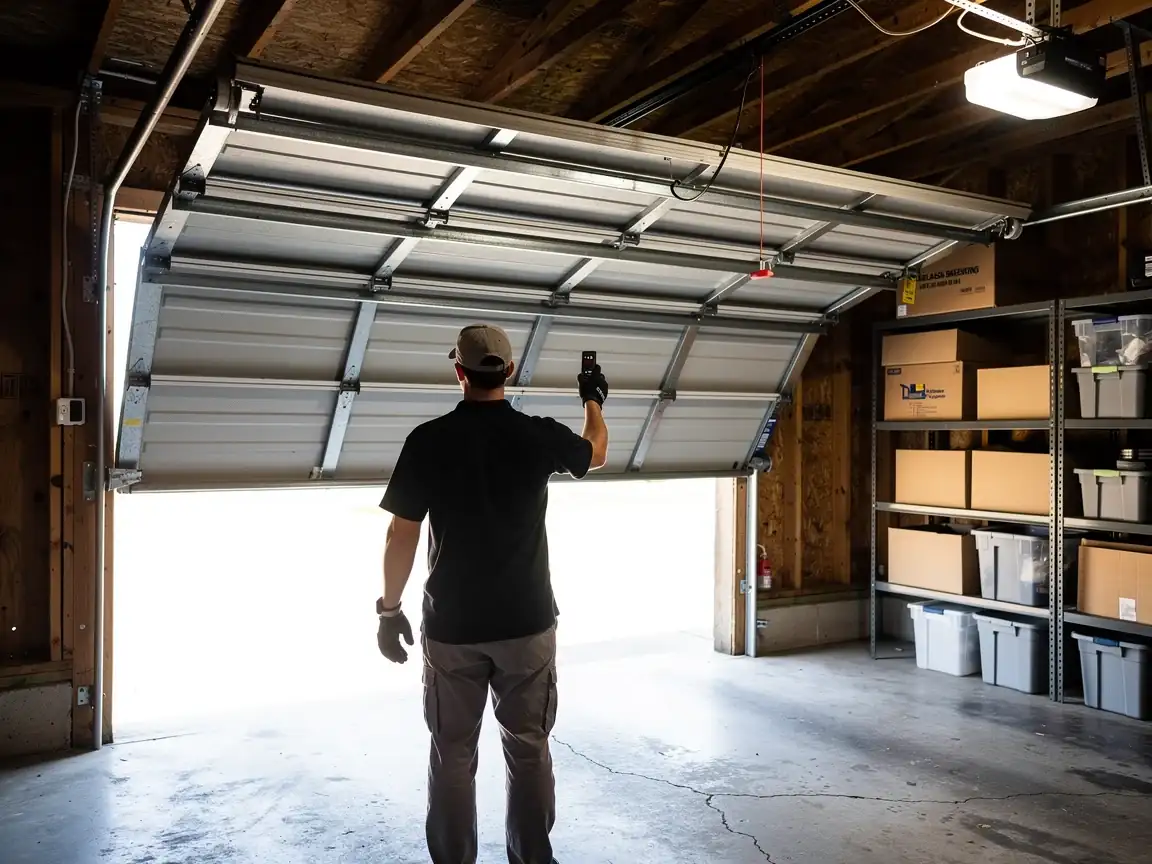
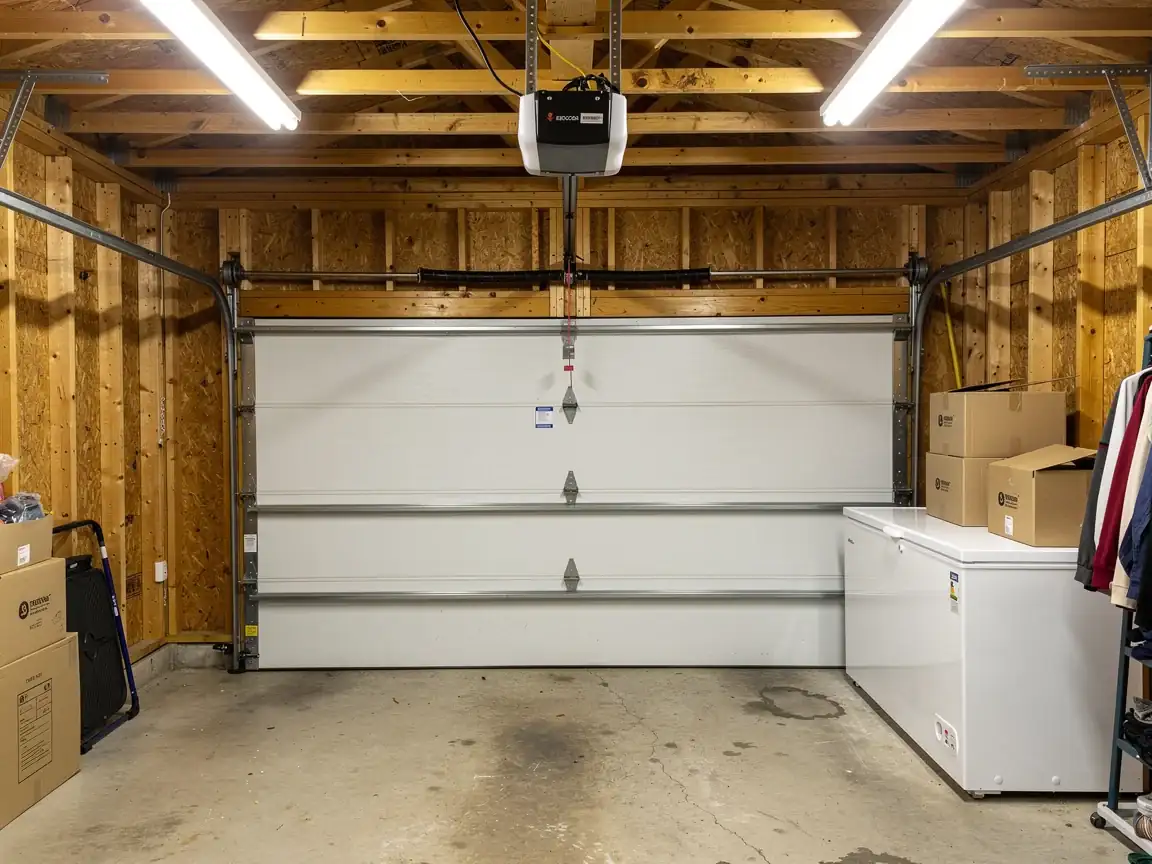
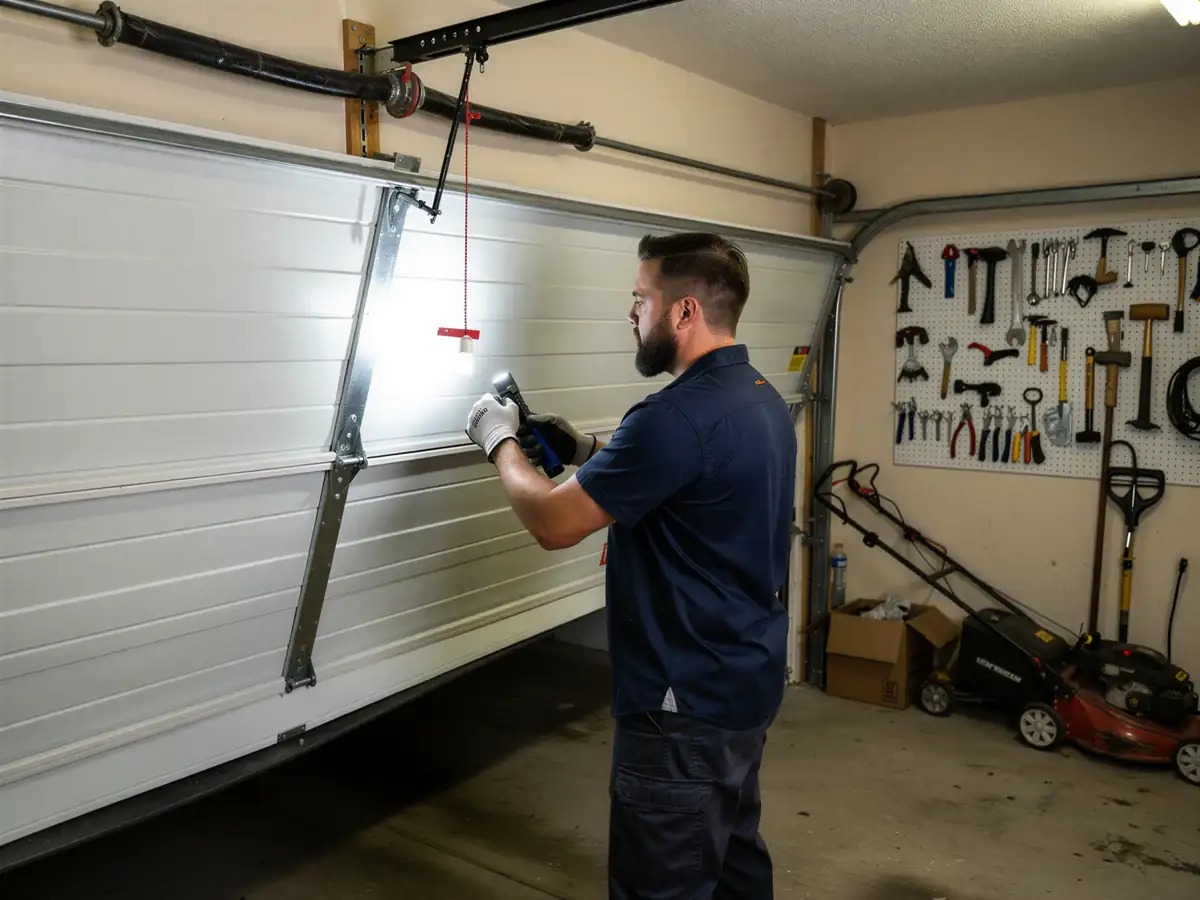
On a door this age, maintenance starts with a full hardware check, not just a lube job. We check torsion spring wind and cycle count where we can estimate it, inspect the track for the kind of misalignment that shows up after decades of thermal expansion and contraction, and test opener force settings, since many 1970s openers were paired with heavier wood doors that have since been swapped for lighter steel - leaving force settings calibrated for a door that isn't there anymore.
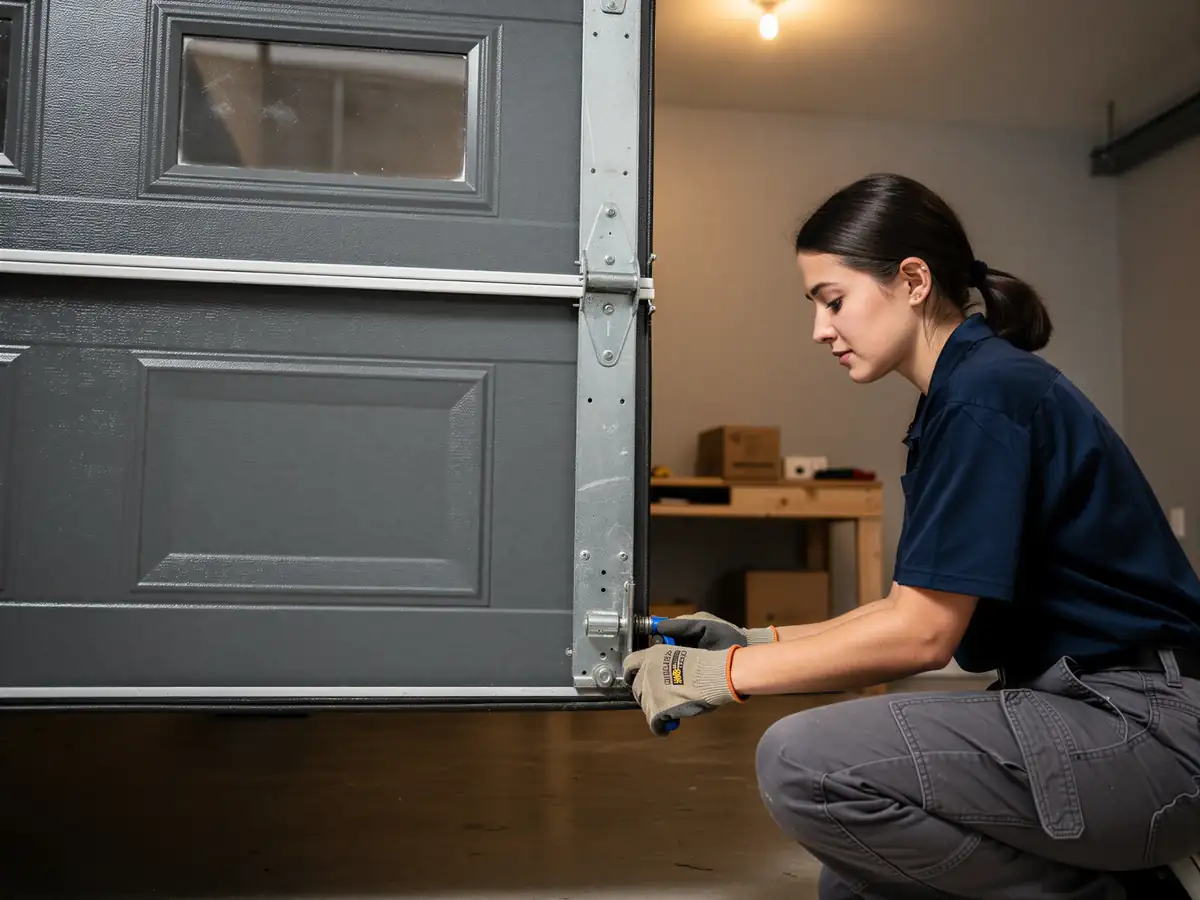
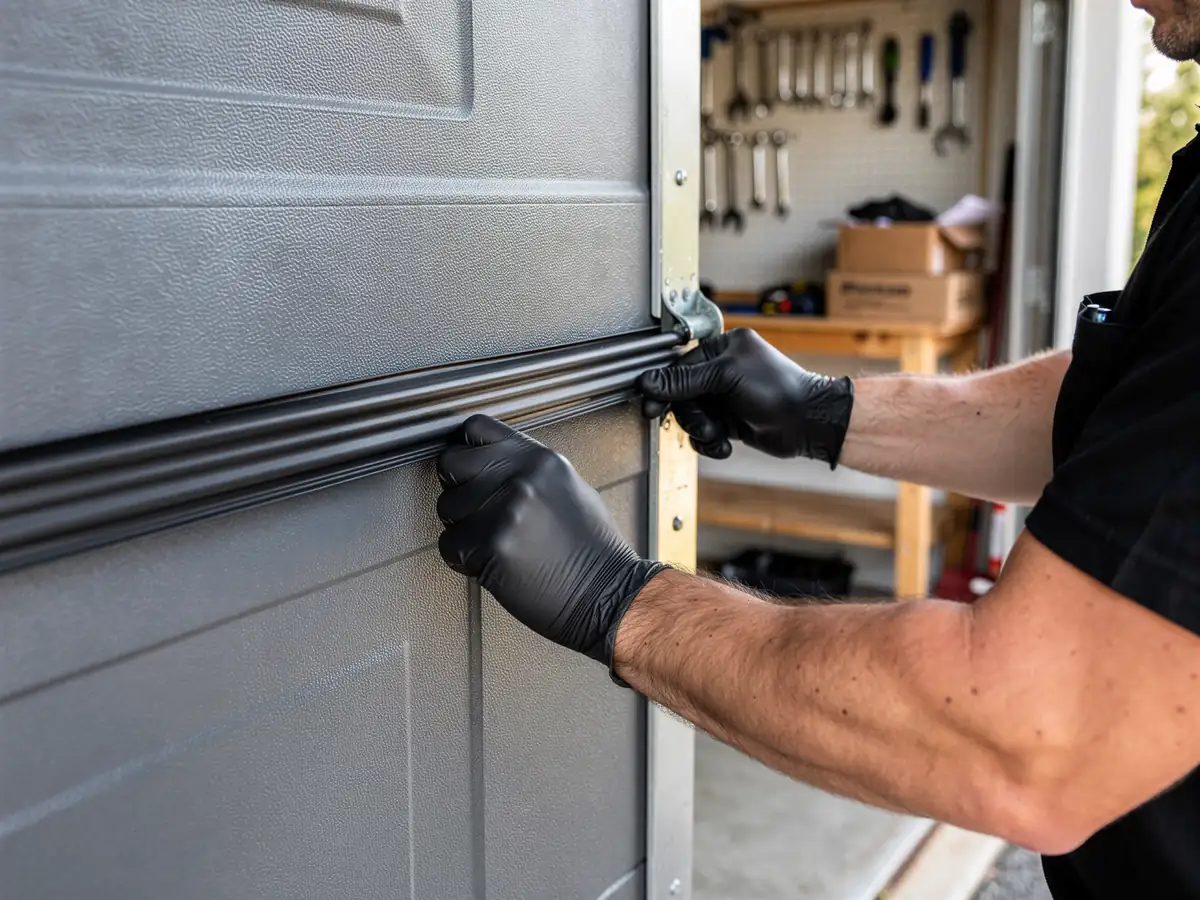
We lubricate hinges, rollers, and the spring itself with a product suited to the mild, humid South Florida climate, since the wrong lubricant here attracts dust and grit faster than it should. We check cable fraying at the drum, tighten loose mounting hardware (common once a house passes the 40-year mark), and confirm the auto-reverse safety feature actually works, which matters more on older openers that predate some current safety standards. If a part is near the end of its life, we tell you - a maintenance call isn't the place to replace a spring that still has months left in it, and it isn't the place to ignore one that doesn't.
Why This Fails Locally
A door built around 1978 fails differently than one built in 2000
The steel gauge used in panels from that era is often lighter than what went into doors poured in the 1990s and 2000s, so denting and panel fatigue show up sooner. Torsion springs from that build era were often sized to older load tables, meaning the spring on a 1978 door may be working harder, cycle for cycle, than a spring on a newer door of the same size.
South Florida's mild, humid climate adds a steady, unglamorous kind of wear
It doesn't crack hardware the way freeze-thaw cycles do farther north, but it corrodes unprotected steel and gums up lubricant faster than a dry climate would. Combine a decades-old opener with that climate and you get the two most common calls we see on older houses - a spring that's reached the end of its wind count, and a sensor or hinge that's corroded just enough to misfire. Neither looks urgent until it is.
The Cost of This Job
North Lauderdale's median household income runs $63,423, somewhat below the $68,424 average across the wider area we cover from Coral Springs. We mention that because it shapes how we talk about maintenance here: it's worth catching a worn part during a routine visit rather than waiting for it to fail and force a same-day spring or opener replacement, which costs more and can't be scheduled around. A maintenance visit is the cheaper of the two options almost every time.
We don't have a posted price to quote you here, and we won't invent one - the honest answer is that cost depends on what the inspection finds, whether a part needs replacing versus just adjusting, and the size of the door. What we can tell you is that maintenance on a door this age tends to surface at least one item worth fixing, simply because of how long the hardware's been in service.
What Can Go Wrong
The most common failure on a North Lauderdale door we see is a spring that's simply used up its cycle life - not broken yet, but close, with visible gaps in the coil or rust along the wind. The second is an opener whose force setting no longer matches the door it's lifting, a holdover from a hardware swap somewhere in the house's history that nobody adjusted for. Both are catchable during a maintenance visit and both are expensive if they're not.
One limitation worth being upfront about: we can't tell you how a specific door will hold up without seeing it in person. Age and climate point us toward likely failure points, but a well-maintained 1978 door can outlast a neglected 1995 one. We're driving the 5 miles from Coral Springs for this, not running a local branch out of North Lauderdale, so maintenance visits here get scheduled rather than walk-in.