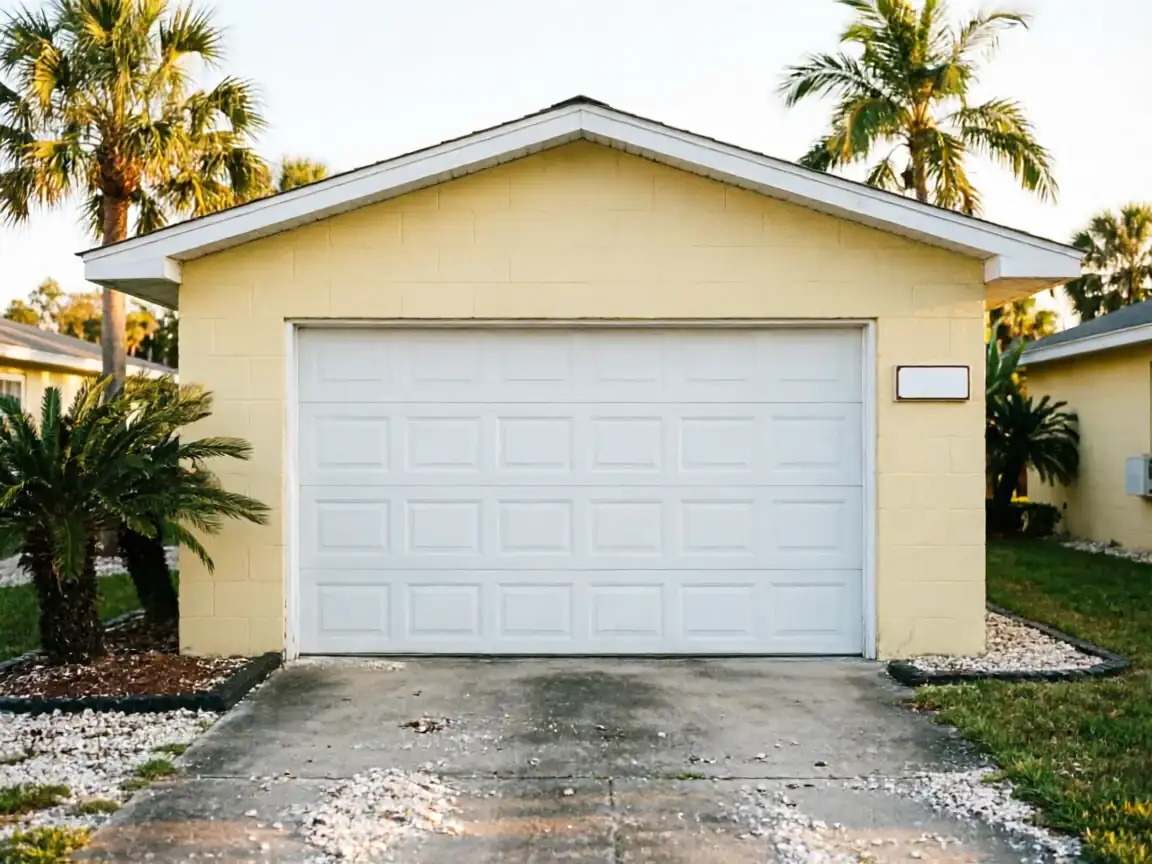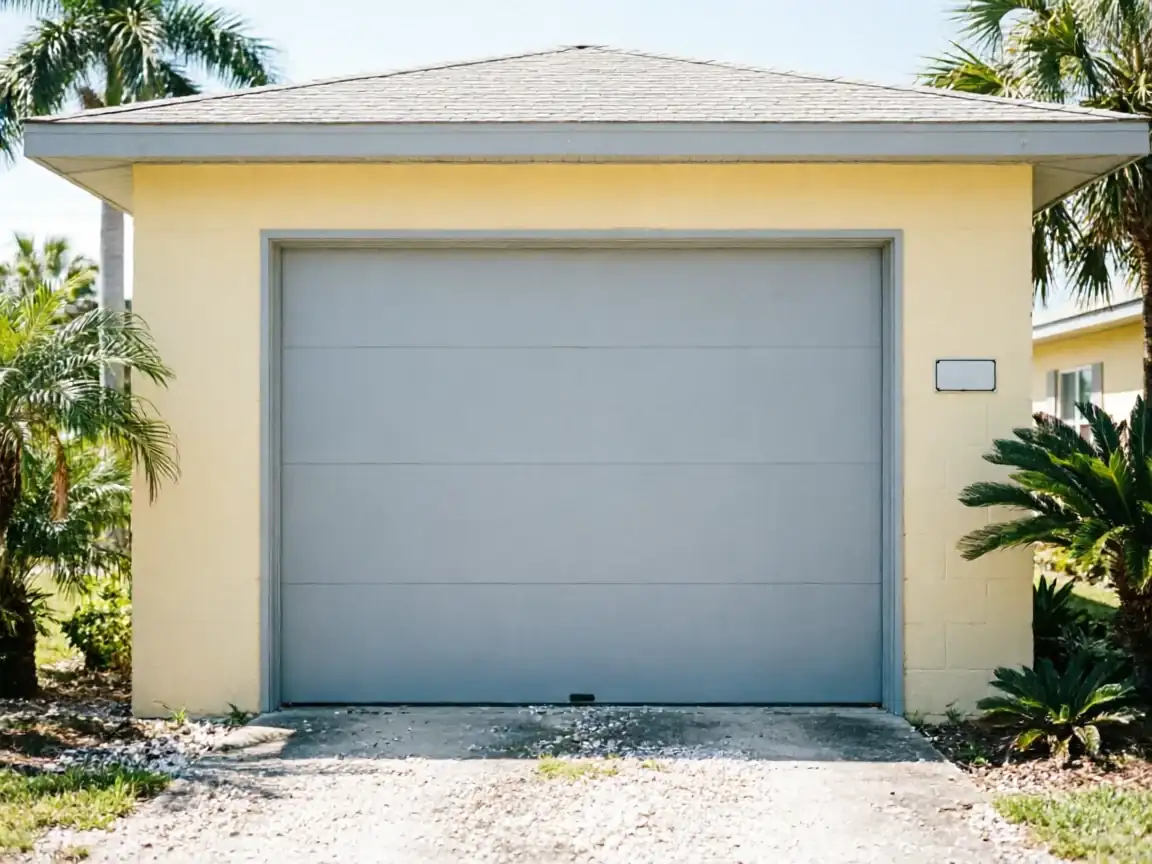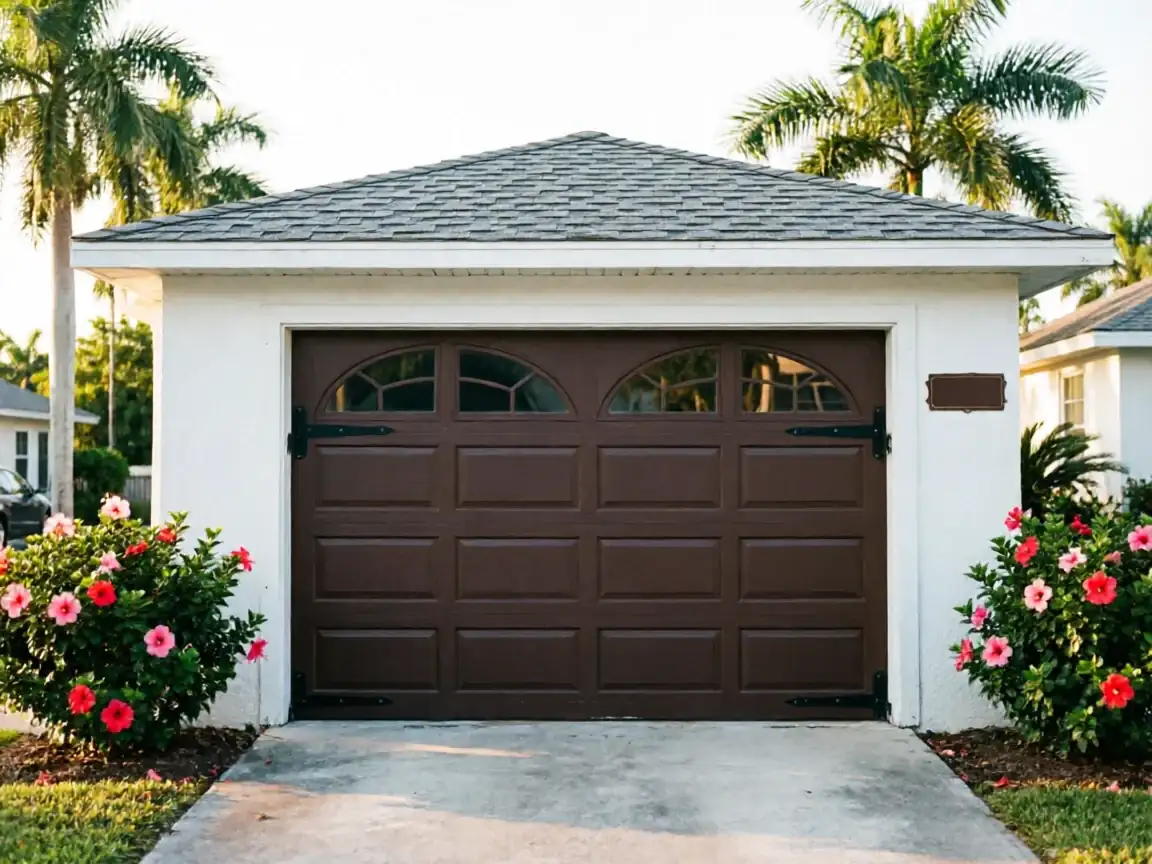
What Is on the Truck
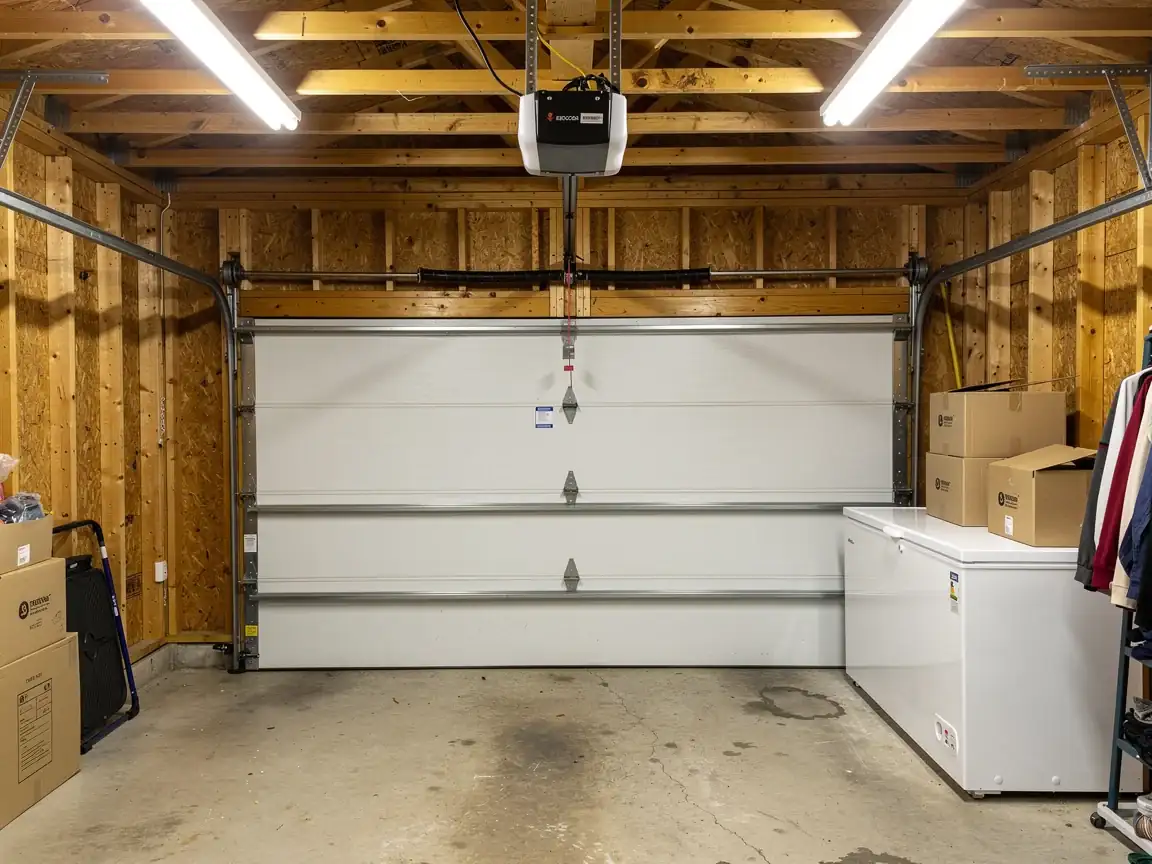
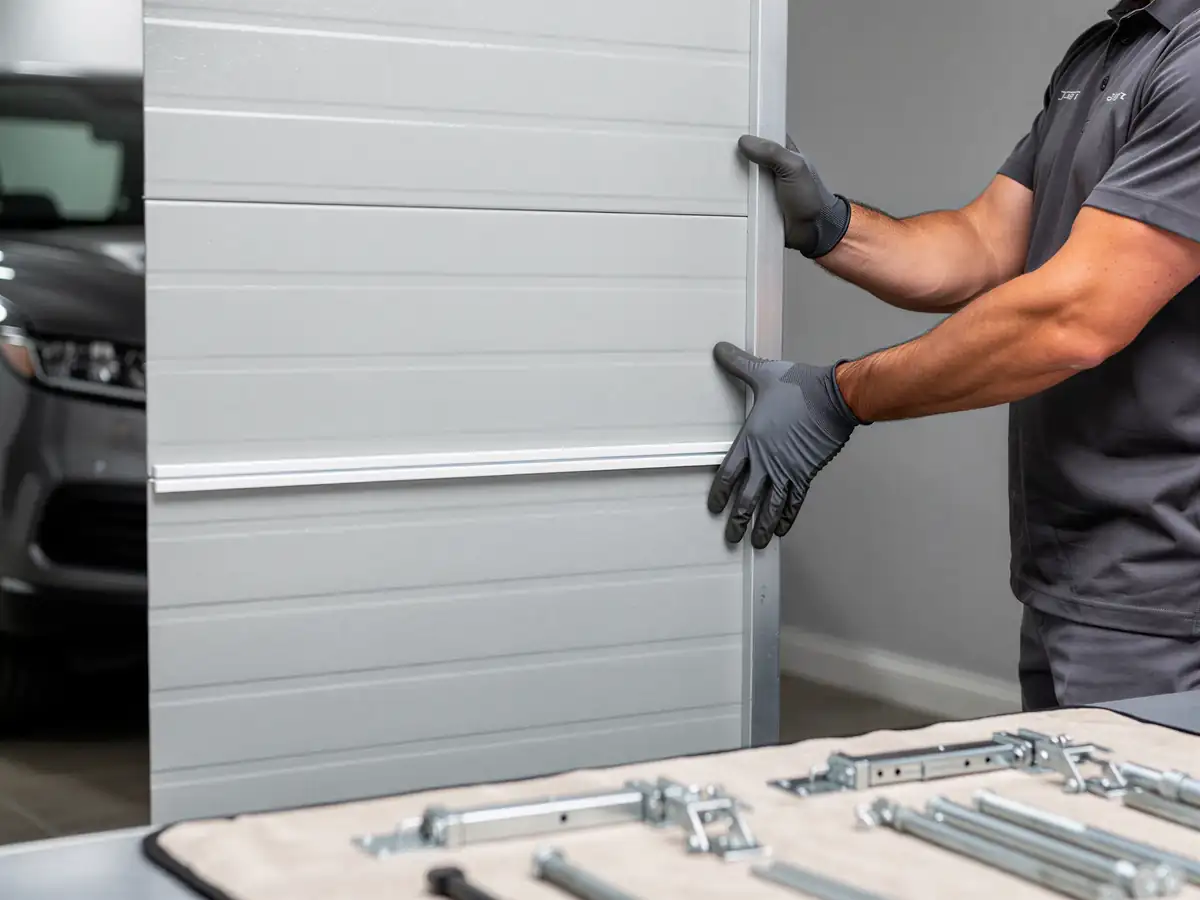
North Lauderdale's houses went up around 1978, and that year tells us what's waiting behind the door before we ever ring the bell. Doors from that era are almost always single-layer steel, no insulation core, hung on extension springs rather than the torsion setups that became common later. So the truck carries both spring types, but we load more extension springs and the safety cables that should run through them for this stop than we would for a newer subdivision. We also carry the older-style steel rollers and the thinner-gauge track that matches a door from that build year, because swapping in modern heavy-duty track on original jamb brackets usually means re-shimming the whole frame. Openers are the other half of it. A chain-drive opener installed any time close to 1978 predates the 1993 federal rule requiring photo-eye reversal sensors, so we carry sensor kits as a matter of course, not an afterthought. One honest limit here: if the opener motor itself has failed and it's a model from that period, we're not special-ordering parts for a unit that's been out of production for decades. At that point replacement is the only real option, and we'll tell you that instead of running up a bill chasing it.
What the Fix Involves
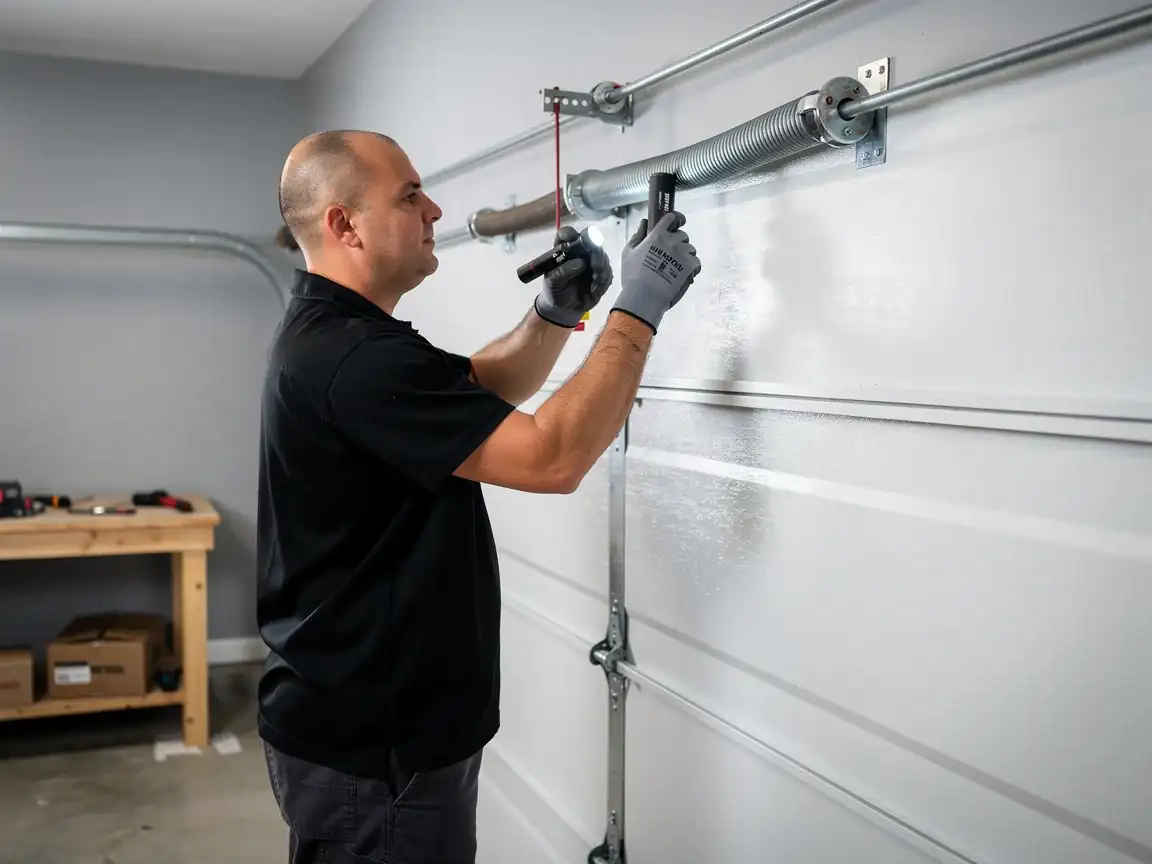
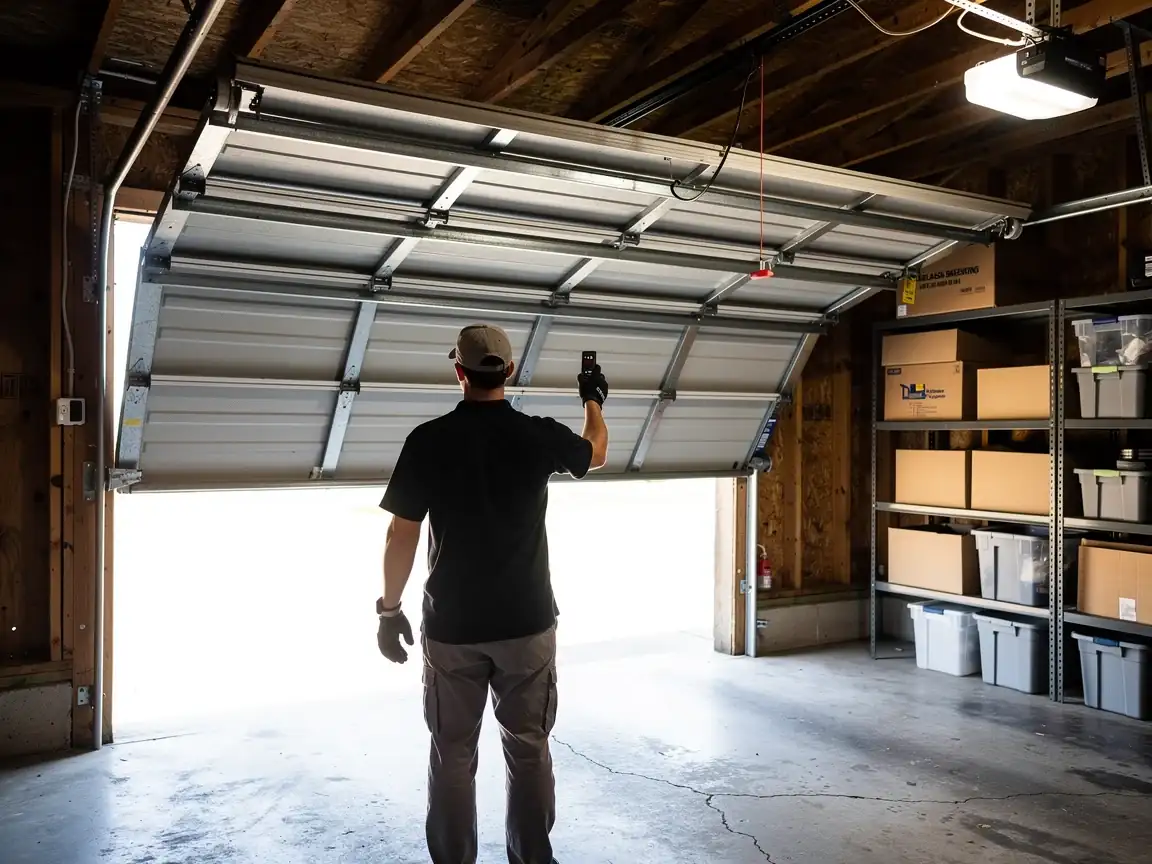
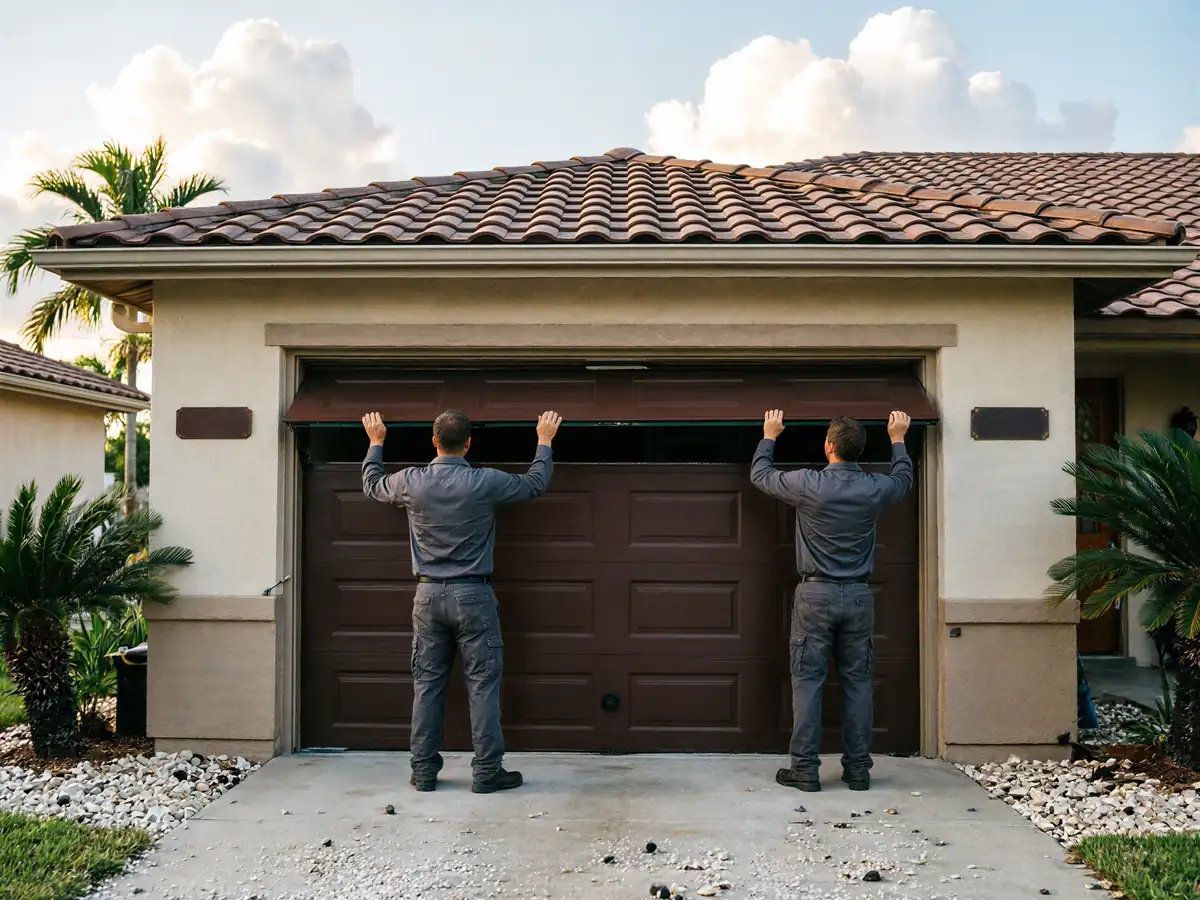
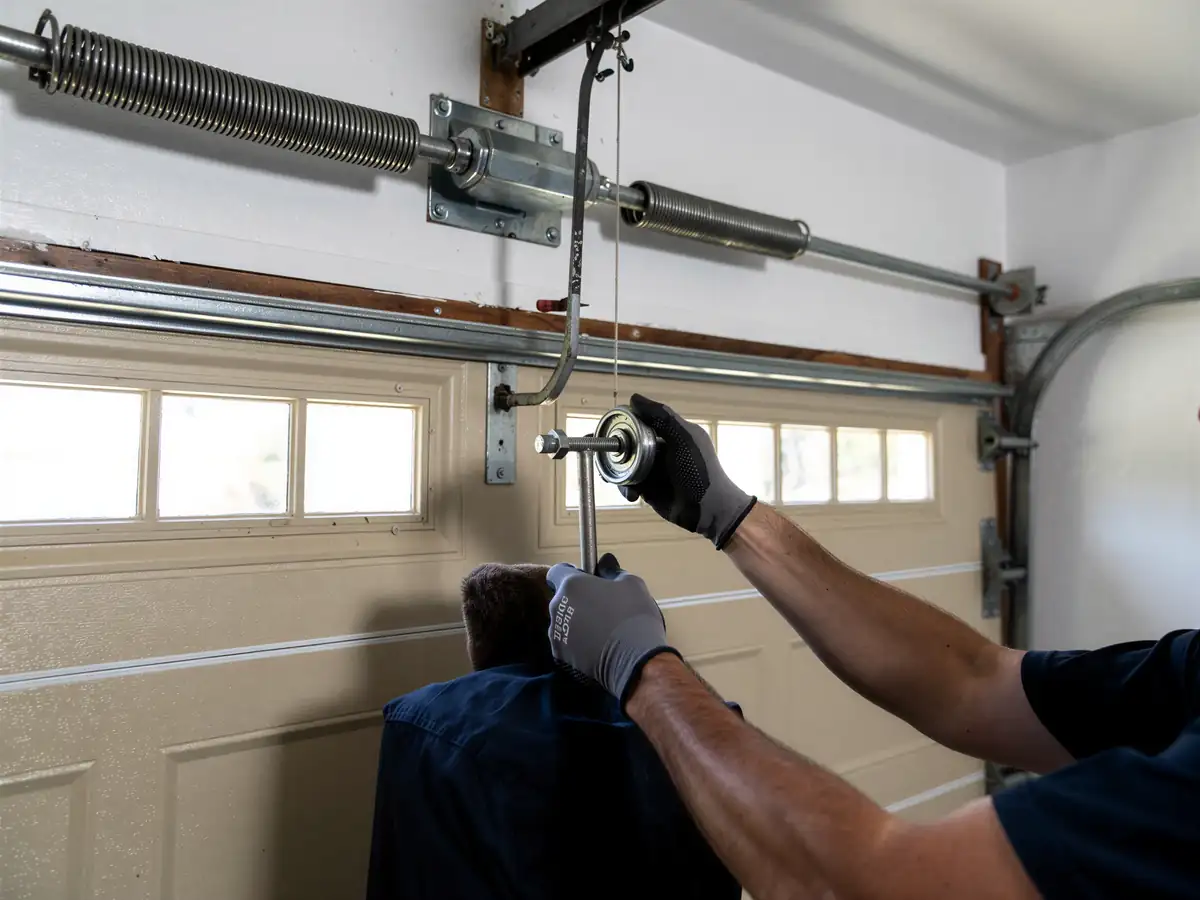
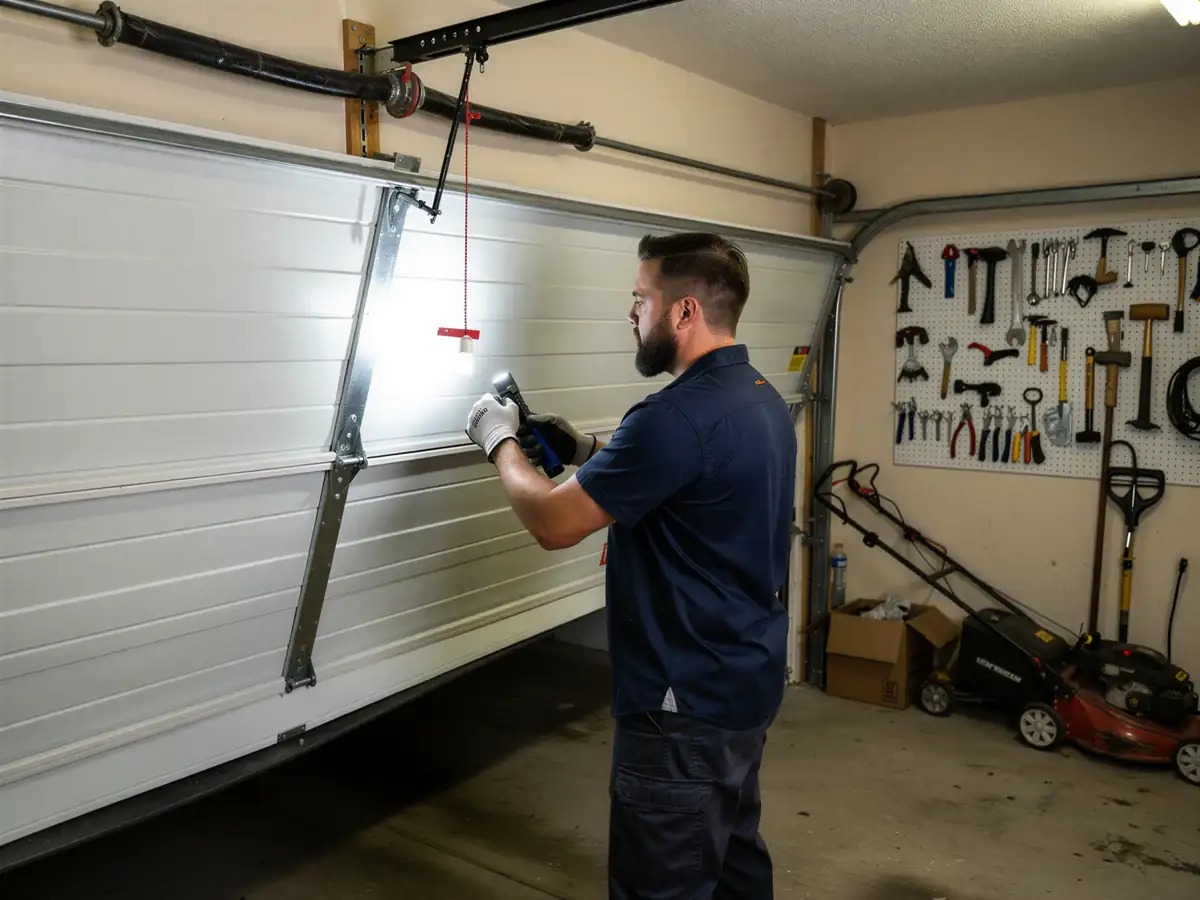
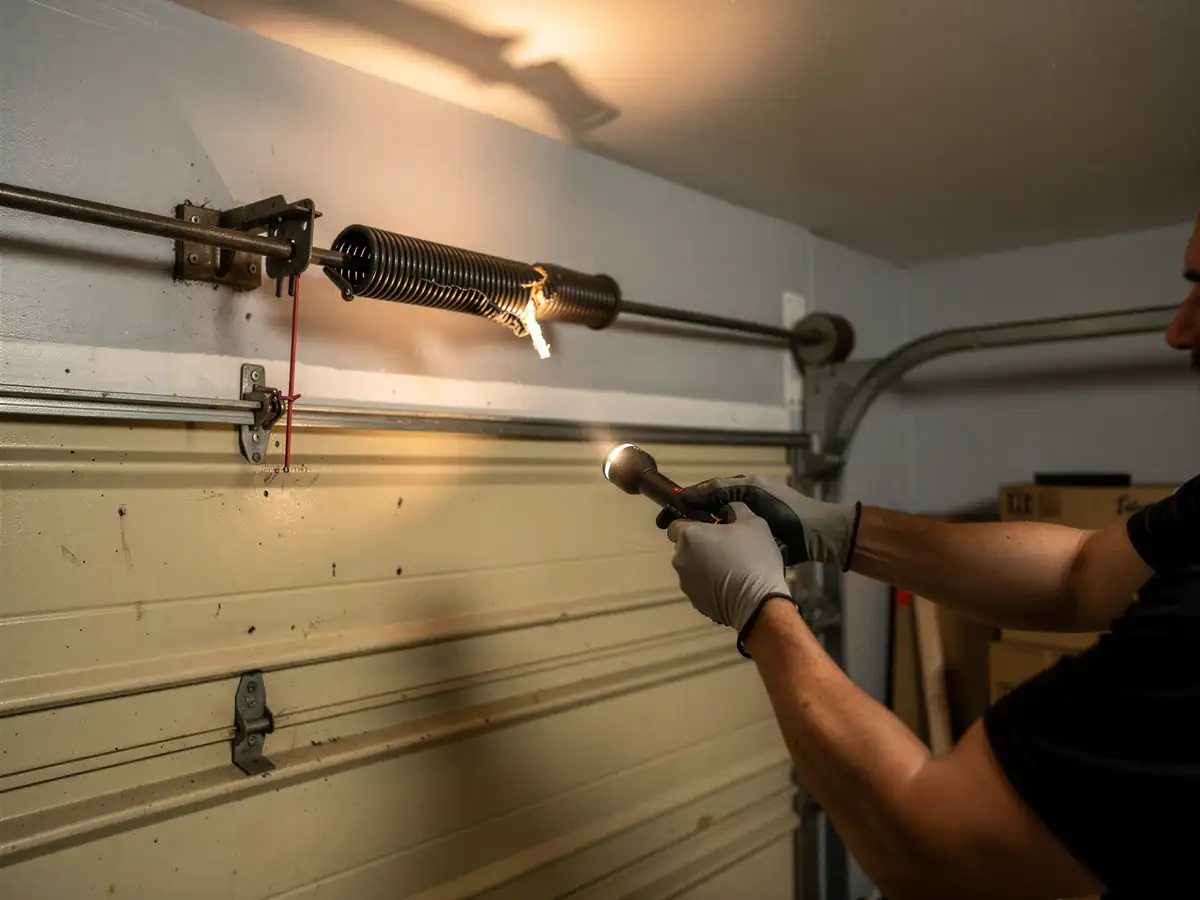
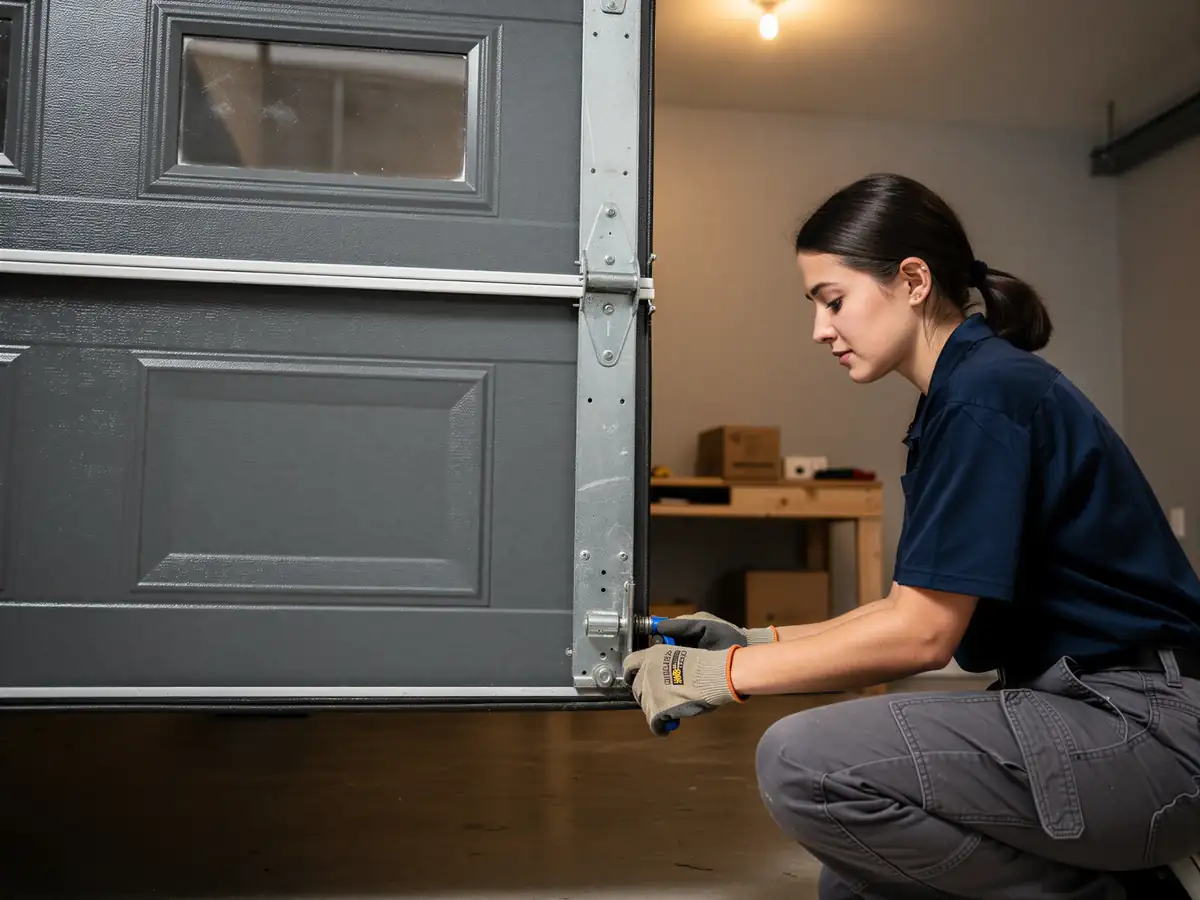
Most calls in North Lauderdale start the same way: a door that won't lift, or one that slams the last foot of travel. On a 1970s extension-spring door, that's almost always a snapped or stretched spring on one side, and the fix means pulling both springs - even the one that hasn't failed yet, because its mate is working on borrowed time at the same age. We check the safety cables through the spring coils while we're in there, since a lot of these doors were installed before that cable was standard and never got one added later. If the opener is original or close to it, the repair isn't just the spring - it's adding photo-eye sensors so the door actually reverses off an obstruction, which plenty of older units here were never built to do. Track alignment gets checked too; thinner original track on a 45-year-old frame tends to have shifted a little at the brackets even if the door still runs. We don't replace parts that are still sound just because they're old. If the drum, rollers, and track are square and quiet, we leave them and fix what actually broke.
The Cost of This Job
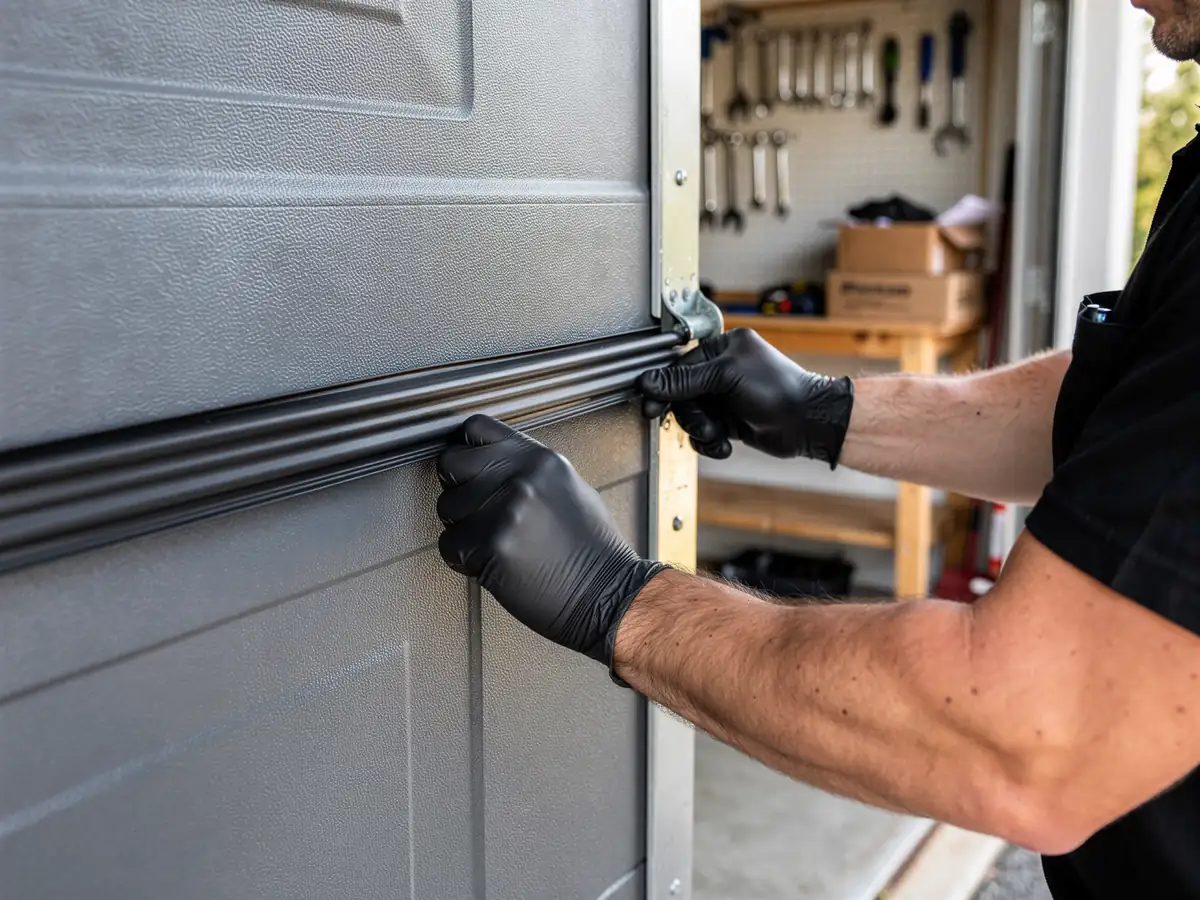
With a median household income of $63,423 in North Lauderdale, the question we hear most isn't whether the door can be fixed - it's whether fixing it is worth it compared to replacing the whole unit. A spring swap with a cable check is a smaller job than most people fear, and it's usually the right call on a door whose panels and track are still sound. Adding photo-eye sensors to a legacy opener costs less than most homeowners expect, and it's not optional once we're in there working on safety hardware anyway - we won't leave a door running without them. Where the math shifts is the panel itself. A single-layer steel door from 1978 that's dented, rusted at the bottom corners, or warped from decades of sun doesn't get cheaper to patch than to replace, and we'll say so rather than nickel-and-dime a door that's past the point of fixing.
What Can Go Wrong
The most common mistake on a house this age is treating the spring as the whole problem. If one extension spring breaks, the other one on a door installed the same year is nearly always close behind, and replacing just the failed side means a second service call within months. Skipping the safety cable is another one we see on older installs - without it, a broken spring can whip loose instead of staying contained, which is a real injury risk, not a theoretical one. On the opener side, bypassing the photo-eye sensor because