What Is on the Truck
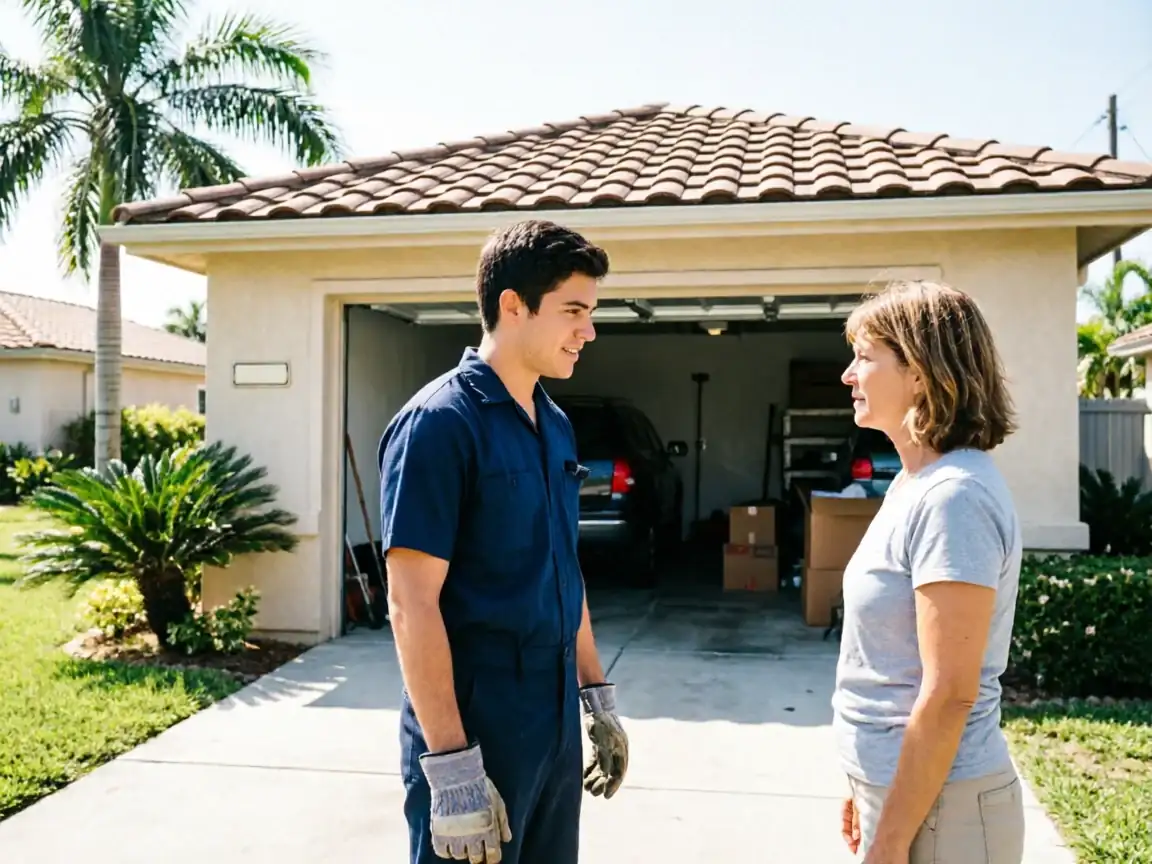
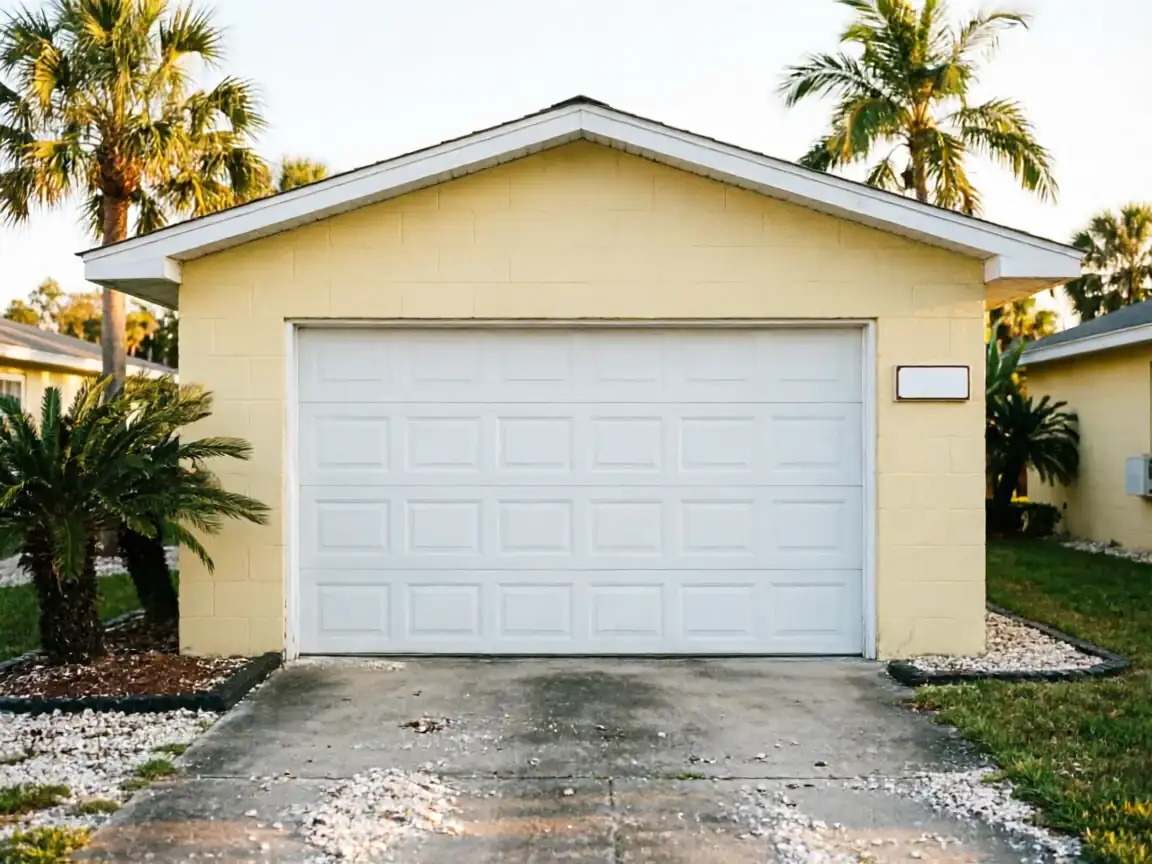
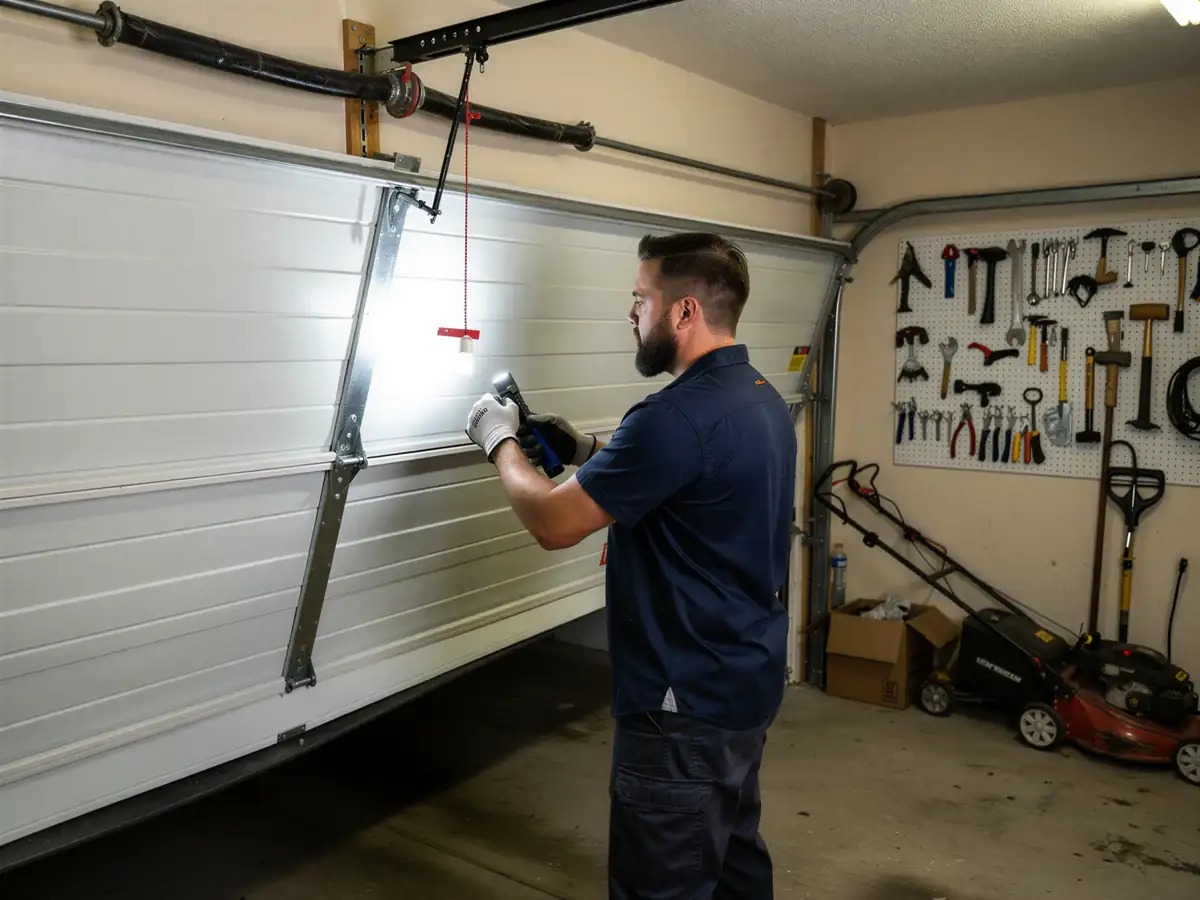
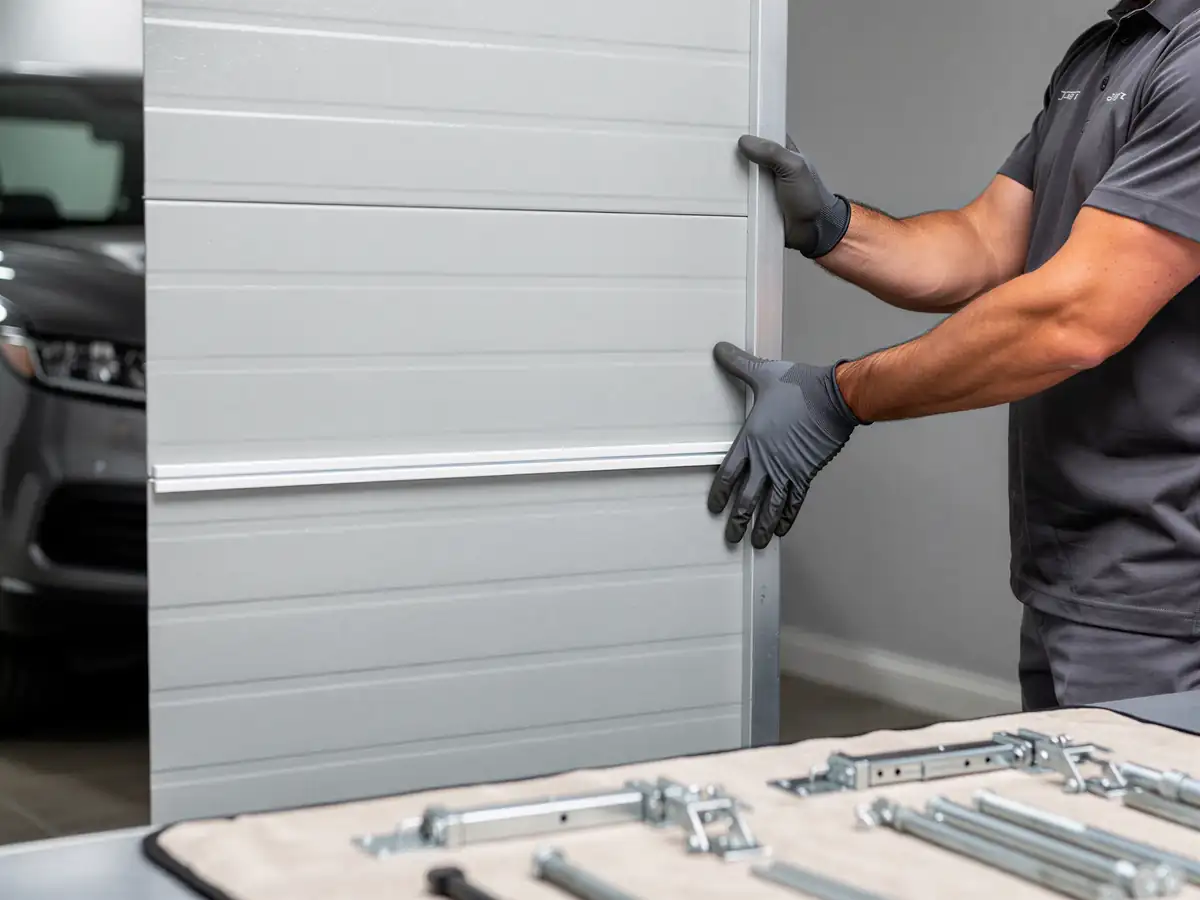
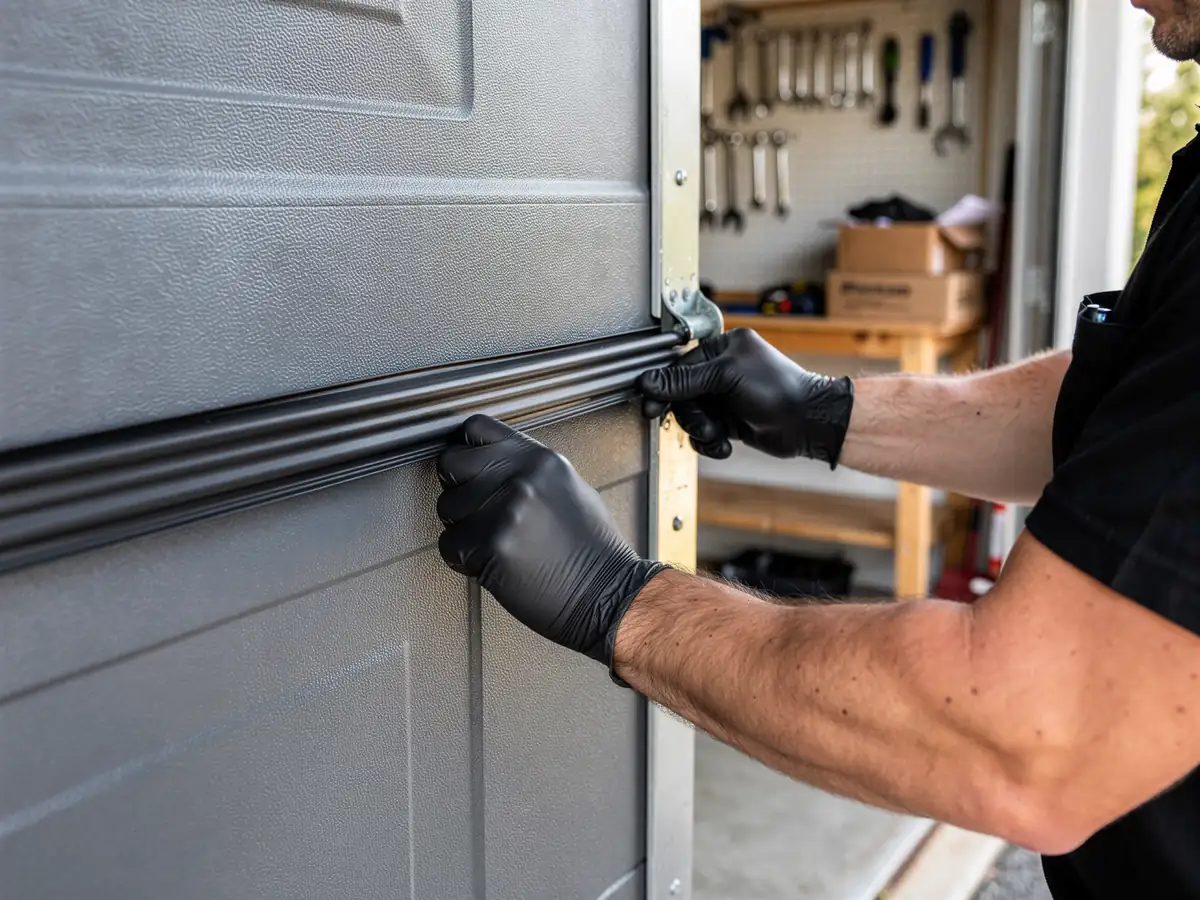
North Lauderdale sits five miles from our Coral Springs shop, which is close enough that a tech can load the truck for your specific door instead of guessing. Houses here were mostly built around 1978, part of a broader stretch of 1960s-70s construction that runs across this whole corner of the county. That means the truck heads out carrying torsion springs sized for the shorter, lighter sectional doors common to that era, plus the rollers and hinges those doors actually use, not the heavier-gauge hardware you'd stock for something built in the 2000s. A five-mile run also means less guessing on timing when a spring lets go mid-morning and the opener won't budge.
We don't carry every part for every door ever made. If your garage has a less common panel size or an opener model that's been out of production a while, the first visit may be a look-and-order rather than a same-visit fix. That's not a knock on the age of the house - it's just how parts supply works once a door is a few decades old.
What the Fix Involves
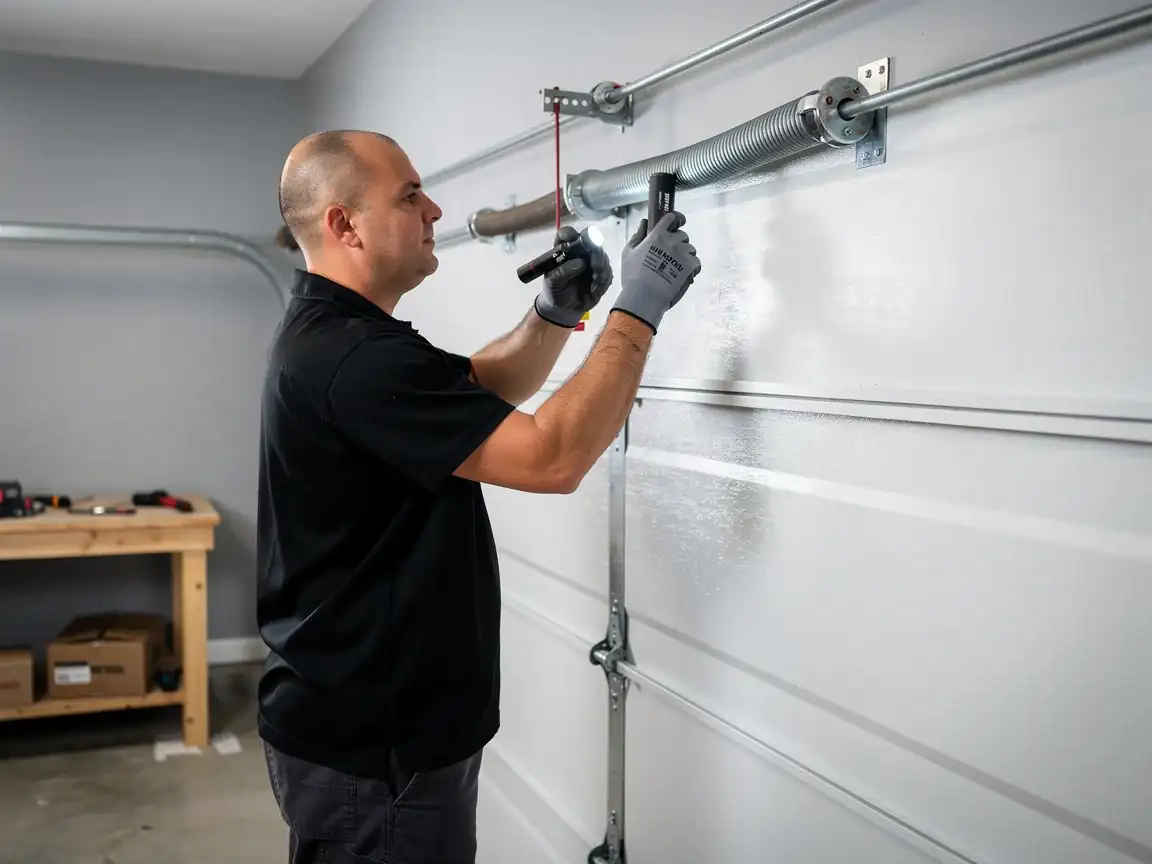
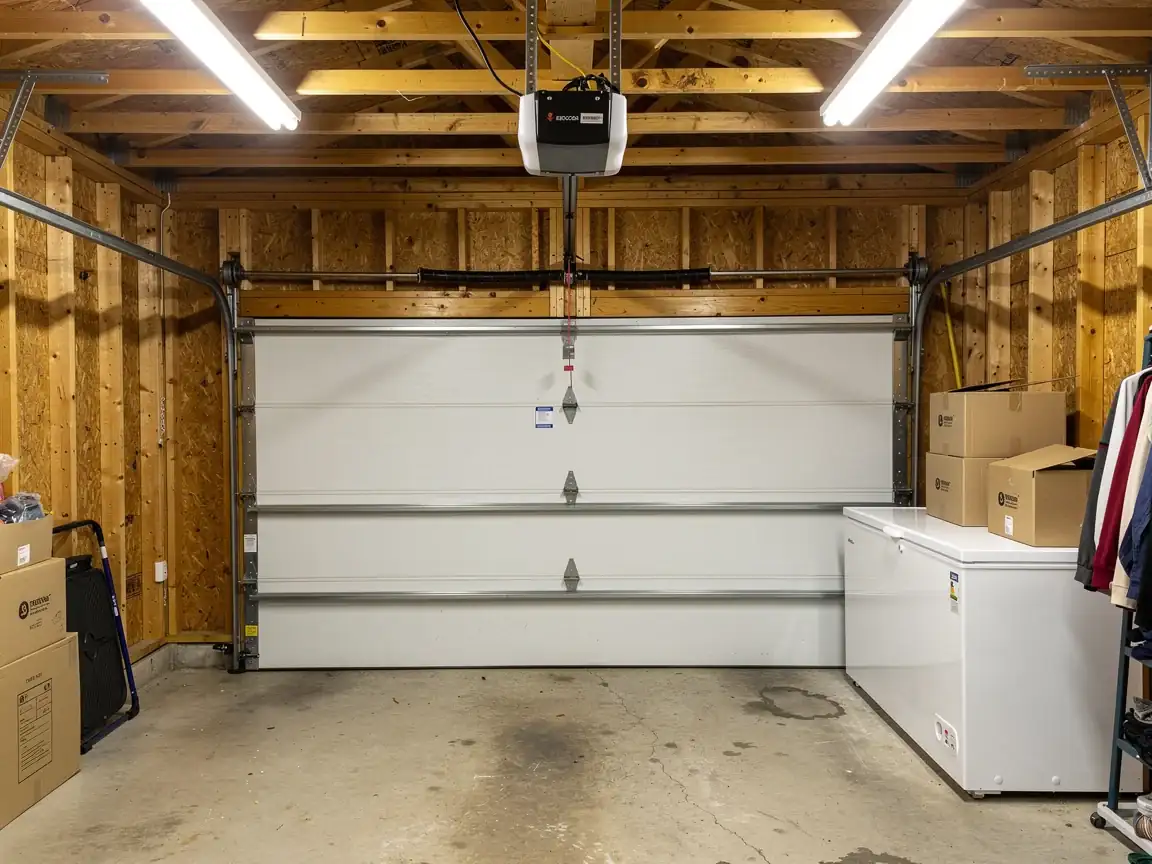
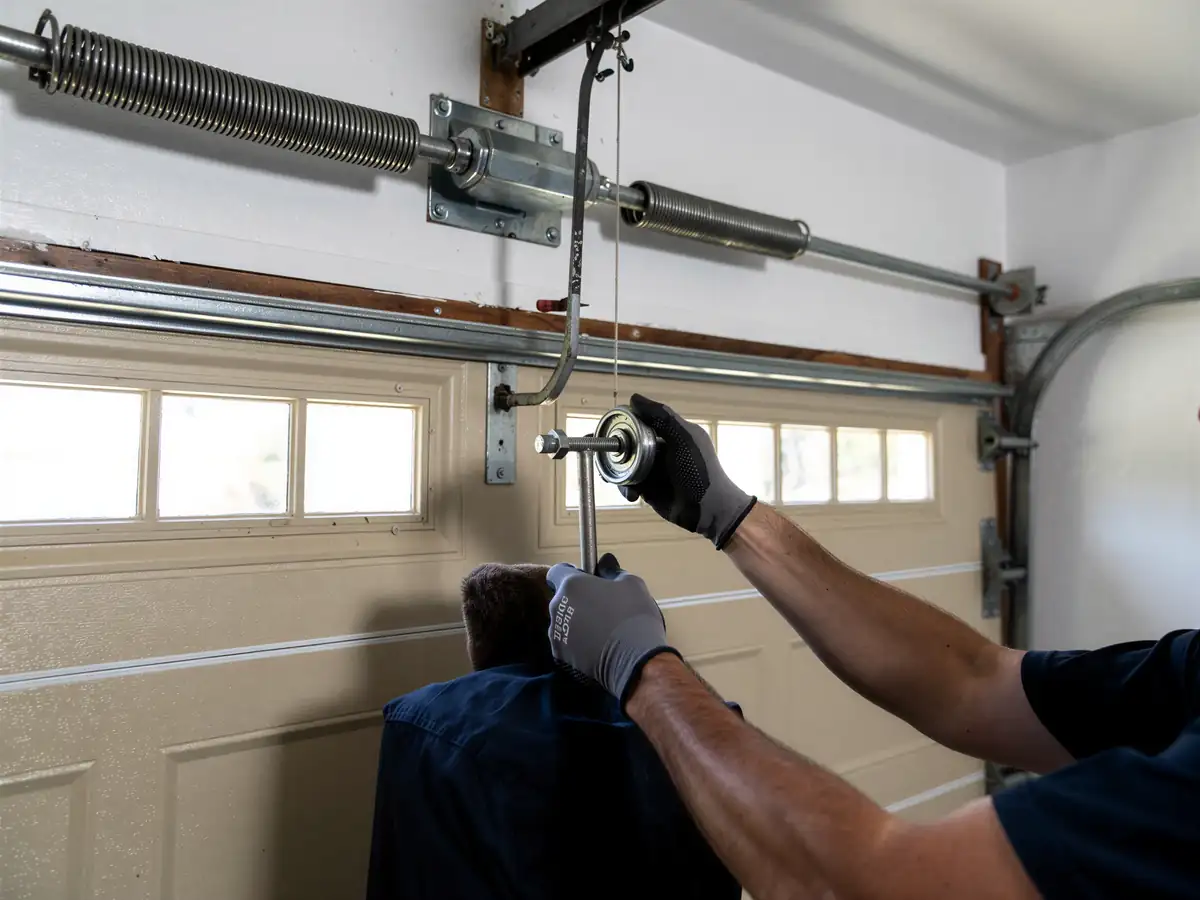
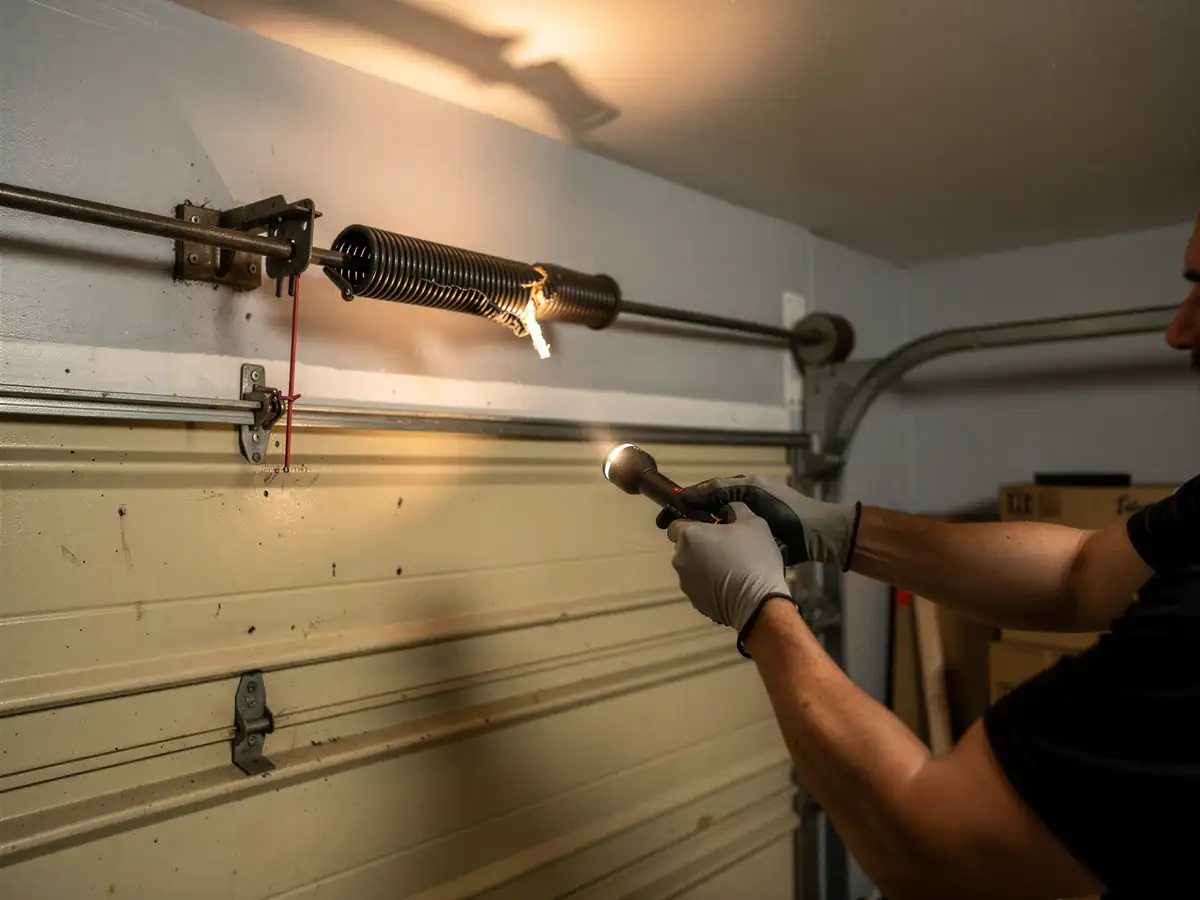
On a late-1970s door, the common call is a torsion spring that's cycled out or a cable that's frayed at the bottom bracket - normal wear for hardware that's been doing its job for over forty years. The fix itself is straightforward: unload the door, pull the old spring off the shaft, measure wire size and wind count against what's actually there (not what a chart says it should be), and set the new spring to the door's real weight. On older doors the shaft and bearing plates sometimes need attention too, since they've taken the same four decades of cycling as the spring.
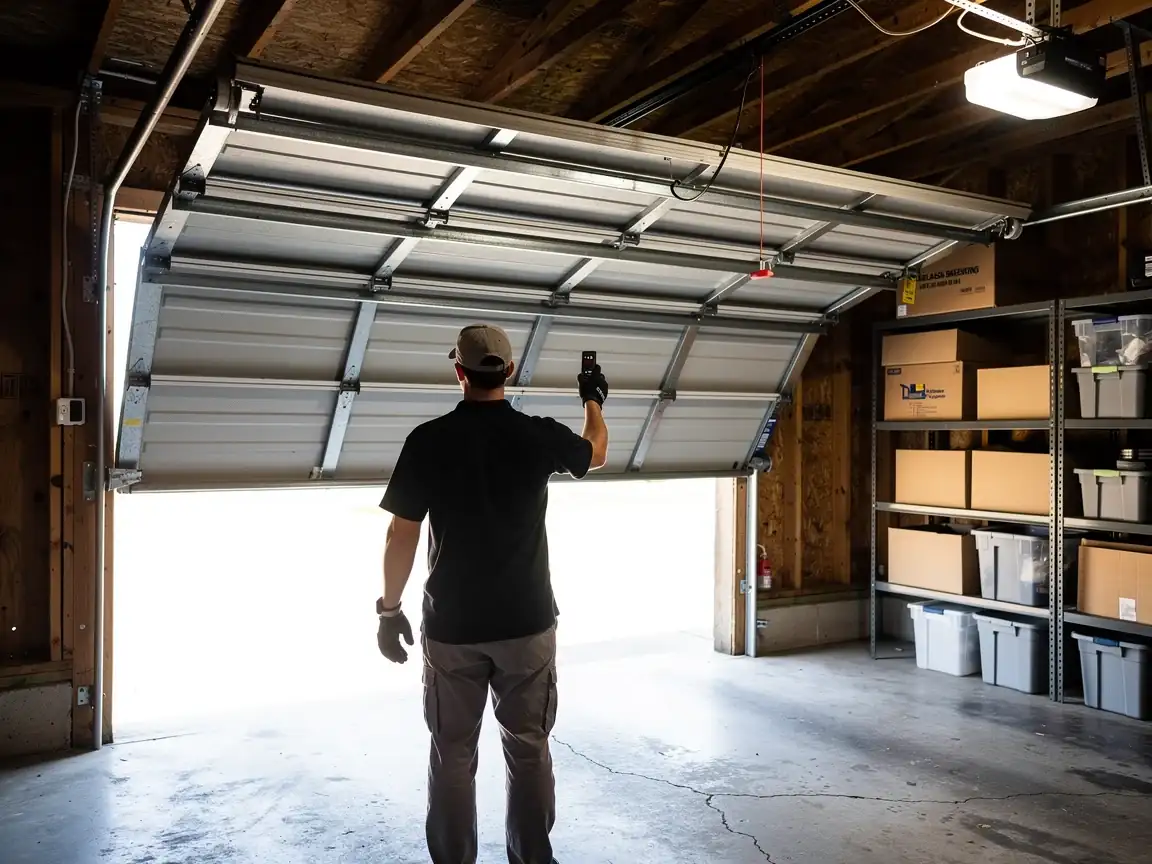
Openers are a separate conversation. A house built in 1978 may have had its opener swapped once or twice since, so we check what's actually mounted rather than assuming original equipment. Mismatched opener horsepower against an old, heavy door is a quieter problem than a snapped spring, but it shortens the life of everything downstream.
Why This Fails Locally
The mild, temperate climate here doesn't put the same stress on doors that cold-climate freeze-thaw cycles do
So when something fails in North Lauderdale it's almost always age and cycle count, not weather damage. A door and spring system installed when the house went up in the late 1970s has had a long run, and the failure pattern shows it: springs that have simply used up their rated cycles, galvanized cable starting to fray where it wraps the drum, and rollers worn enough to rattle in the track.
Across the wider area
17 named communities, mostly 1960s-70s housing stock - this is the dominant pattern we see, and North Lauderdale's 1978 median build year sits right in the middle of it. It's not a design flaw and it's not the heat; it's just metal and steel cable that have been doing the same job since Carter was in office.
The Cost of This Job
We don't post a flat price here because spring size, door weight, and whether the drums or bearing plates need replacing all change the number. What we can tell you is how income here shapes the decisions homeowners make: median household income in North Lauderdale runs around $63,423, a bit under the wider service area's $68,424, and that gap tends to show up in repair-versus-replace calls. A lot of owners here choose to fix the spring and cables on a sound older door rather than replace the whole unit, as long as the panels and track are still square.
Where replacement does make sense is when the door itself - not just the spring - has taken damage, or when an opener from a previous owner is already failing alongside the spring. We'll tell you straight which category your door falls into before any work starts.
What Can Go Wrong
The biggest risk on an older torsion system is working on it without unloading the spring first - that's true everywhere, but it matters more here because so many of these doors are original-era hardware that's never been serviced. A second risk is assuming the opener can handle a heavier replacement door without upgrading it; an old 1/3 horsepower unit paired with a new insulated door will strain and fail early.
We also run into doors where a previous repair used a spring sized by eye rather than by the door's actual weight - common on houses this age that have had a few different hands work on them over the decades. That mismatch doesn't always show up immediately; it shows up six months later as a door that slams the last foot of travel or an opener that burns out early.