How to Book
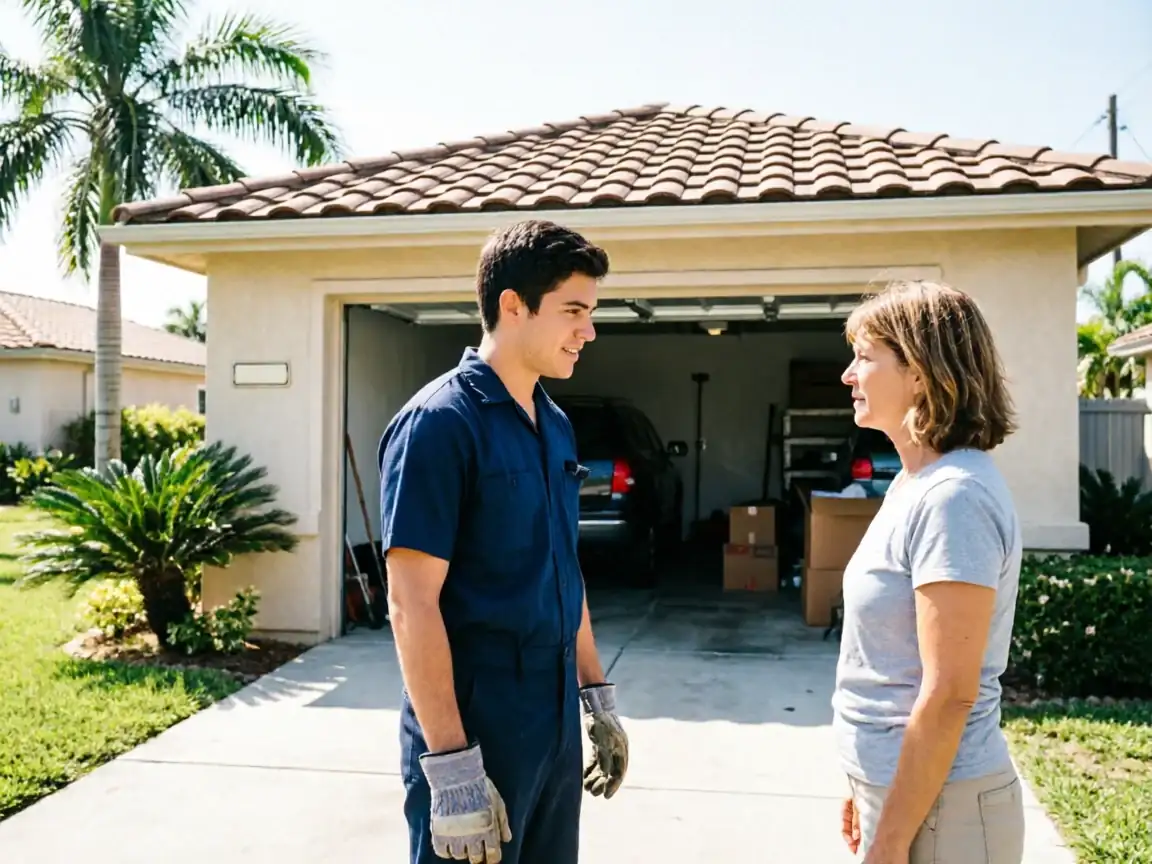
Tamarac has roughly 31,115 households, which is a mid-size slice of the wider service area we work out of Coral Springs. That size matters for scheduling: it's enough volume that panel-matching calls come in regularly, but we don't keep a branch or a truck staged in Tamarac itself. Every job starts from the Coral Springs shop, and at 5 miles out, a panel job here doesn't turn into a half-day trip the way it might for towns farther down our list.
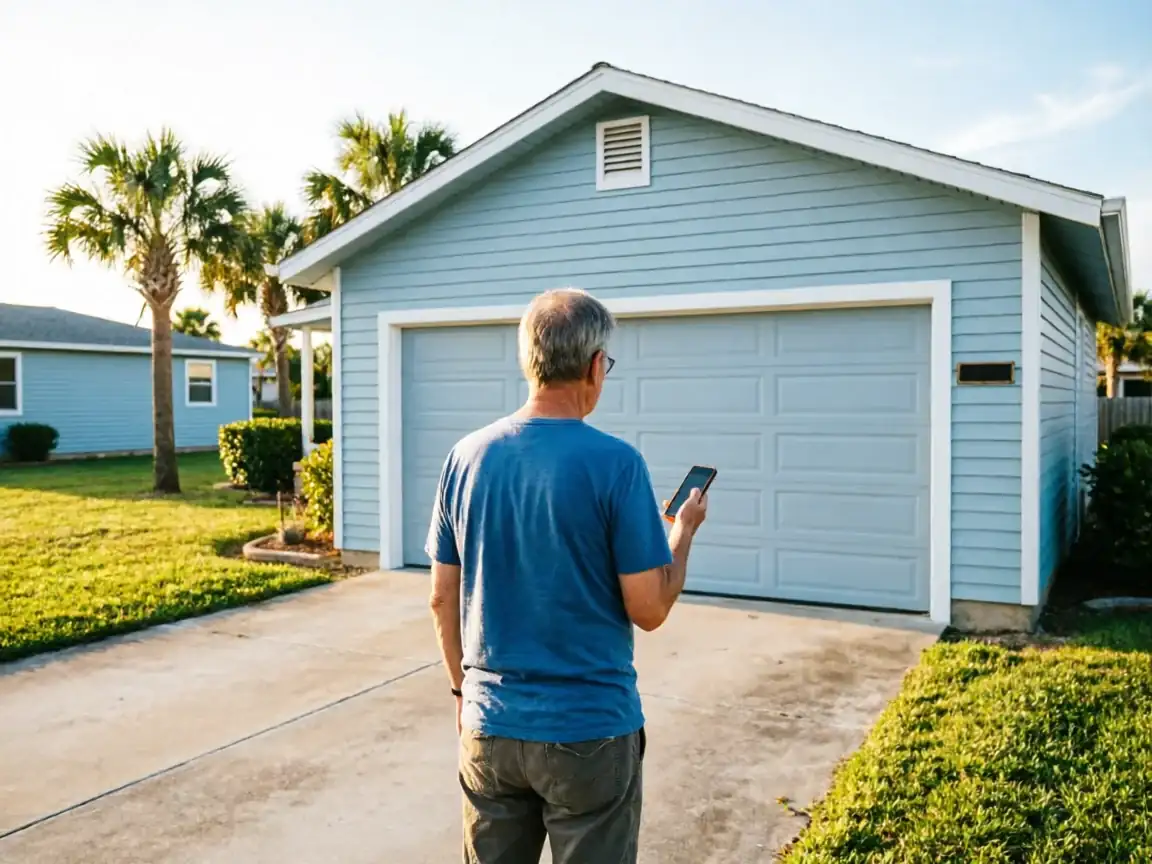
When you call, tell us the door's approximate age and whether it's one panel that's dented or cracked versus a section that's rusted through. Because Tamarac's housing runs younger than some of the service area, median build year 1981, we can usually narrow down the panel style over the phone before the truck even leaves. If the damage is from a backed-into door, a photo helps more than a description - panel profiles from this era vary enough that we'd rather see it than guess.
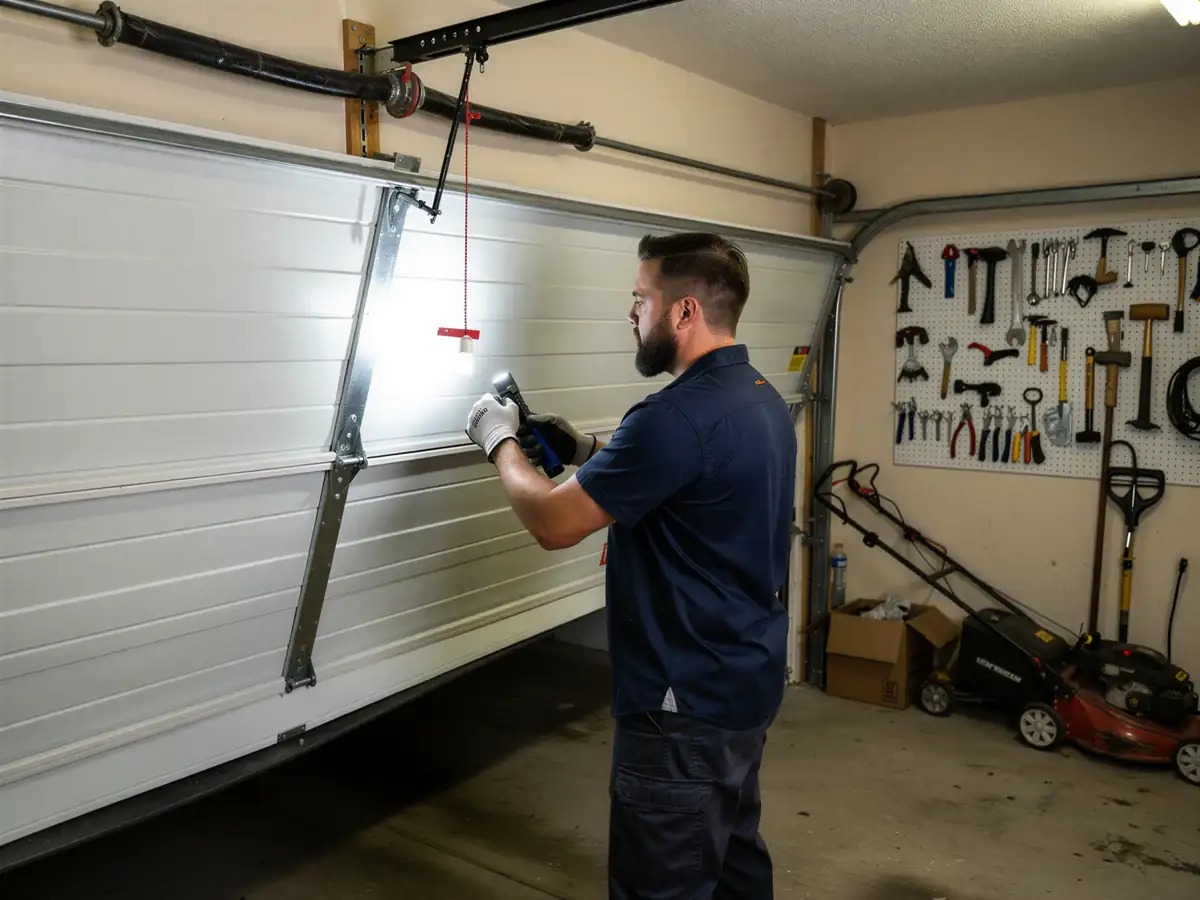
Booking itself is simple: we confirm the door's age, the number of damaged sections, and whether the opener still tracks straight once the dent is in. From there we schedule the same visit a full inspection would take, since checking the track alignment is part of any panel job anyway. See our Tamarac service area page for what else we cover out here.
The Cost of This Job
Panel replacement cost on a Tamarac door comes down to one question: can we source a matching panel for a door built around 1981, or does the whole section need to come from a different manufacturer's current line. Doors from that build year often still take standard steel sectional panels, which keeps a single-panel swap reasonable. Older or custom-width doors cost more because we're hunting a near-match rather than ordering a stock part.
Tamarac's median household income sits at $59,216, lower than the $68,424 median across the broader service area we draw from. That gap shows up in the calls we get: more homeowners here ask us to patch one bad panel rather than replace the whole door, and for a lot of 1980s-era doors that's a fair call as long as the rest of the sections aren't also rusting from the bottom up.
We price the job after seeing the door, not over the phone, because panel cost varies more than labor does. For the general breakdown of what drives price on this kind of repair, our Coral Springs panel replacement page covers the cost structure in more detail; the numbers above are what shift it for a Tamarac address specifically.
What Is on the Truck
For a door built around the 1981 median that's common across Tamarac
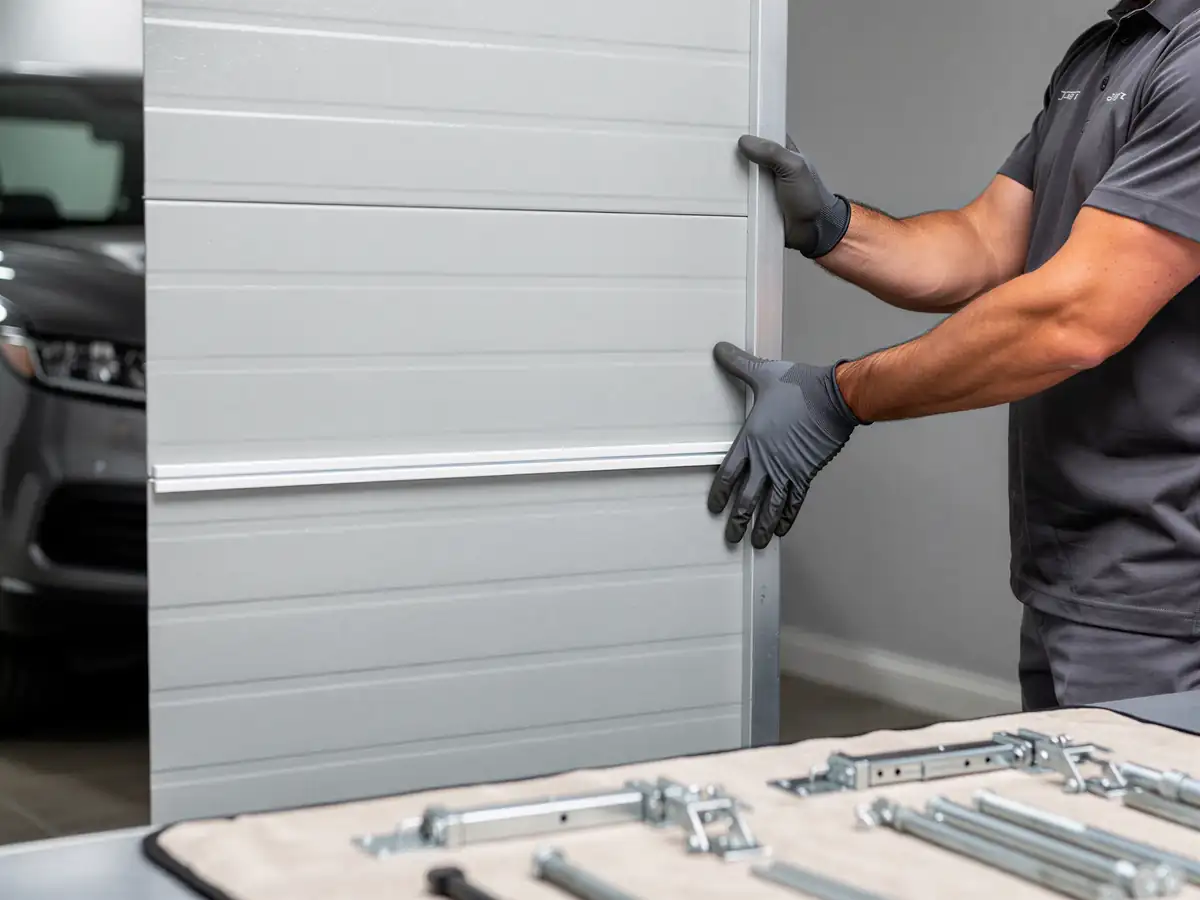
The truck carries steel sectional panels in the raised and flush profiles that were standard through the late 1970s and into the 80s. These aren't the ribbed, foam-core panels you see on new construction; matching the texture and panel width matters more than matching paint, since most of these doors have been repainted at least once by now.
The mild temperate climate across this part of the service area means we're not stocking heavy-insulation retrofit kits the way a crew in a harsher climate would
What we do carry is a range of hinge and roller stock sized for the hardware these older panels sit on, since a cracked panel on a door this age often means the adjoining hinge is also worn enough to regrade.
One limit worth saying plainly
If your specific panel profile was discontinued by the manufacturer, we may not have an exact match on the truck, and ordering one can add a few days to the job. We'd rather tell you that up front than hand you a close-enough panel and let you discover the mismatch once it's painted.
The DIY Question
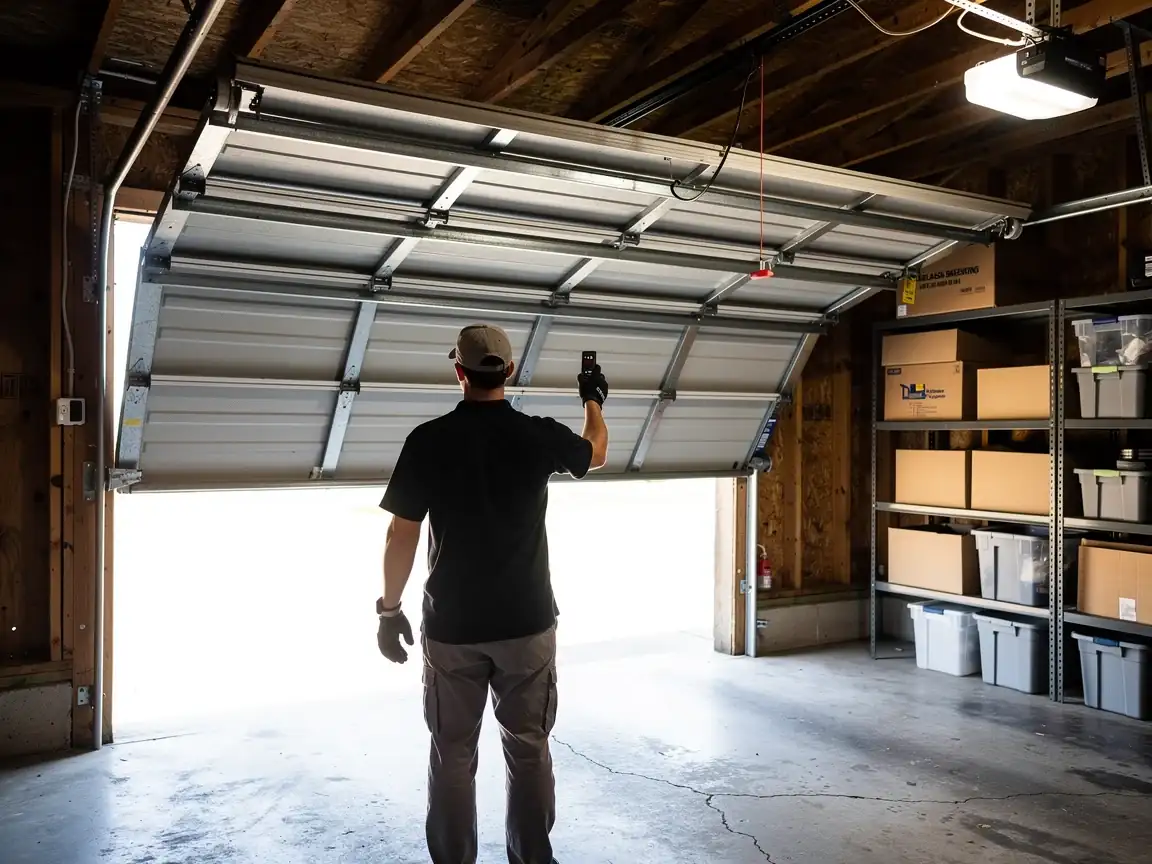
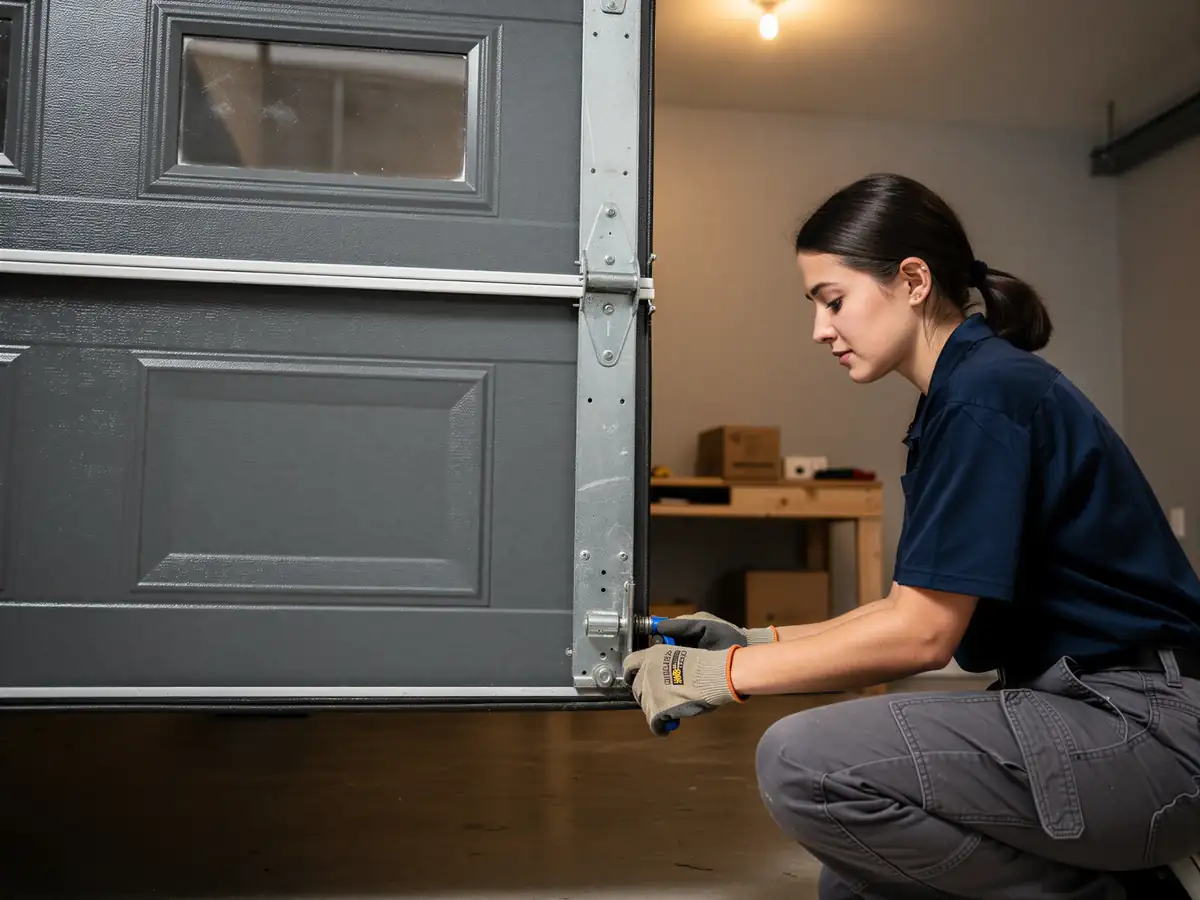
A single dented panel looks like a bolt-off, bolt-on job, and on some doors it is. The part that trips people up is alignment: pull one section off a door built around 1981 and the whole balance of the door can shift slightly on the track, especially if the spring tension was already compensating for a bowed panel. Reset it wrong and the opener starts fighting the door every cycle.
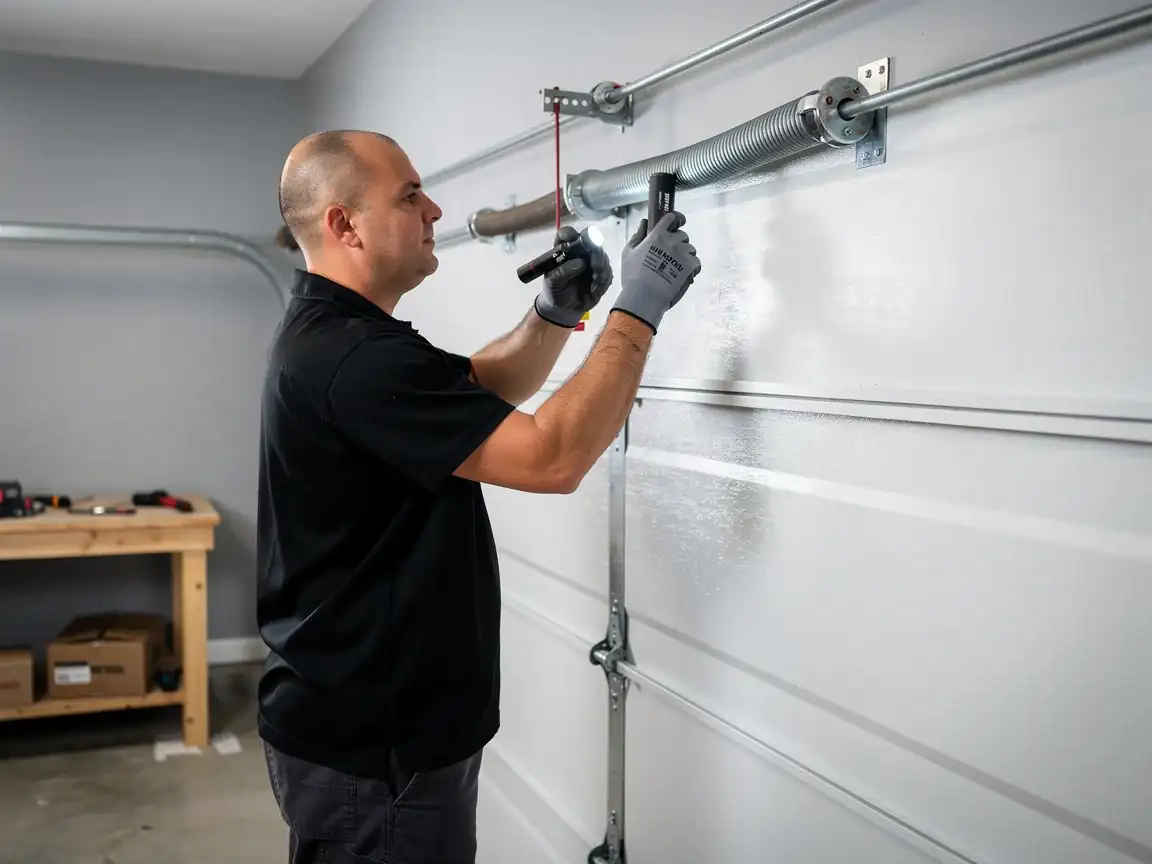
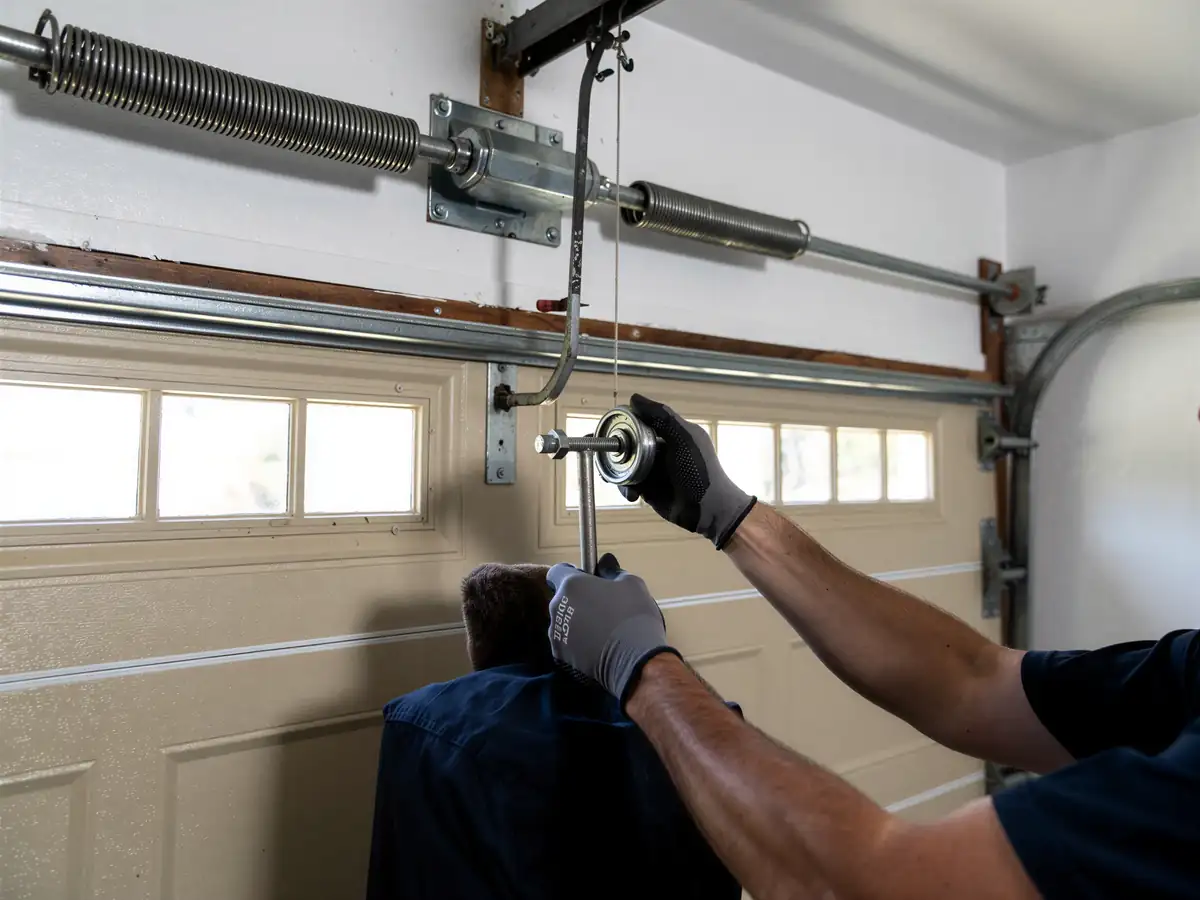
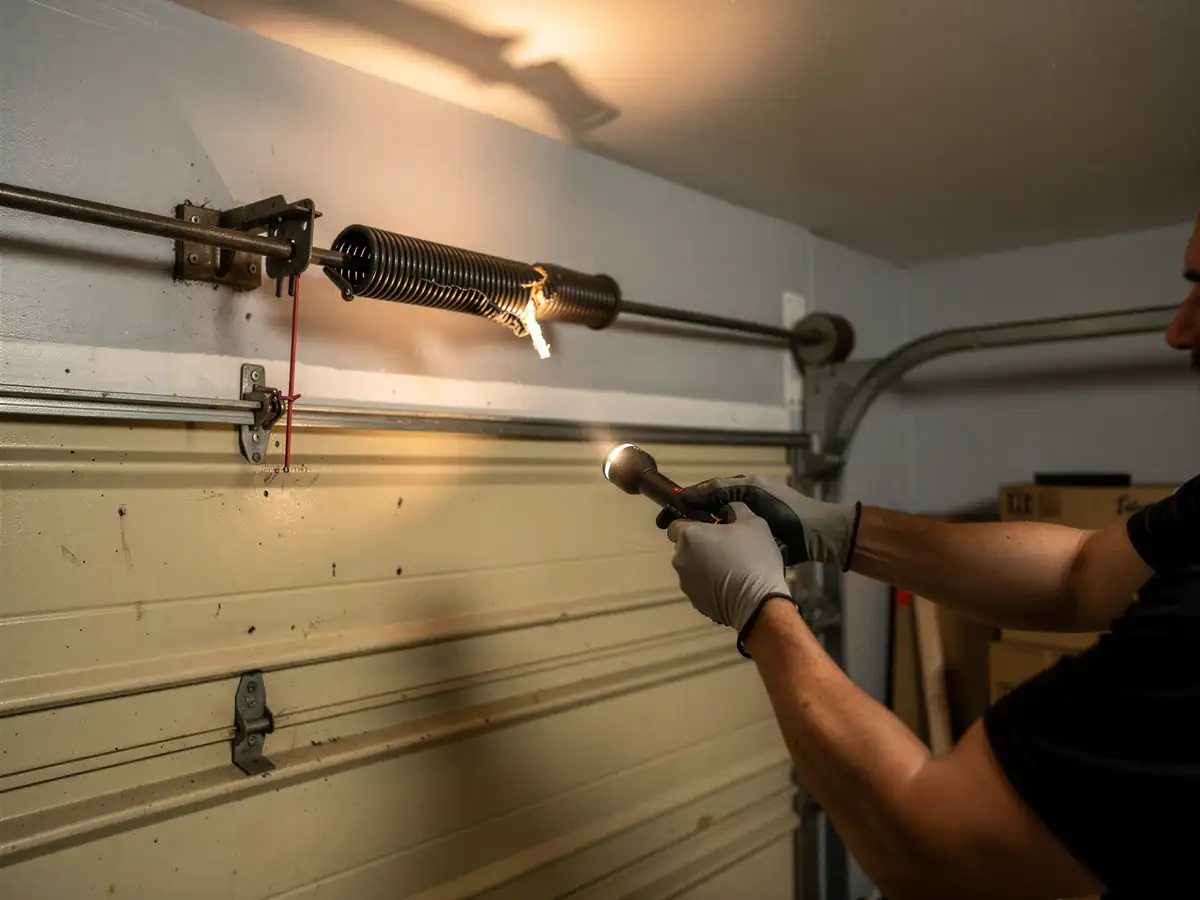
If you're set on doing it yourself, the honest advice is to only pull the panel with the door fully down and the opener disconnected, and to not touch anything near the torsion spring - that part isn't a DIY repair regardless of panel age. Matching the panel itself is the other half of the problem: without seeing the manufacturer stamp or a sample in hand, it's easy to order the wrong width and have it show up a half-inch off.
Where we'd tell you to skip the DIY route entirely is a door with more than one rusted-through panel. At that point you're not fixing a dent, you're patching a door that's telling you it's done, and a full replacement usually costs less over the next few years than panel after panel.